The Fajr prayer holds a special place in Islamic worship as the first of the five daily prayers, marking the beginning of each day with spiritual connection and mindfulness. This dawn prayer serves as a foundation for Muslims worldwide, offering moments of reflection and gratitude before the day’s activities begin. Understanding how to properly perform the Fajr prayer is essential for maintaining a consistent spiritual practice.
Learning the correct methodology for Fajr prayer involves understanding its timing, preparation requirements, and the specific steps that comprise this sacred ritual. Whether you’re new to Islamic prayer or seeking to refine your practice, mastering these fundamentals will enhance your spiritual journey and provide structure to your daily routine.
Understanding Fajr Prayer Timing and Significance
The Fajr prayer begins at dawn when the first light appears on the horizon and continues until sunrise. This timing varies based on geographical location and season, making it important to consult accurate prayer times for your specific area. The prayer consists of two Sunnah (recommended) units followed by two Fard (obligatory) units, totaling four units of prayer.
Islamic scholars emphasize that the Fajr prayer carries special spiritual weight, as mentioned in the Quran where it states that the dawn prayer is witnessed by angels. This unique blessing makes establishing a consistent Fajr routine particularly rewarding for spiritual growth and divine connection.
The significance extends beyond personal worship, as beginning the day with prayer sets a mindful tone for all subsequent activities. Many practitioners find that maintaining this early morning ritual improves their overall focus, gratitude, and spiritual awareness throughout the day.

Essential Preparation and Requirements
Before beginning the Fajr prayer, ensure you have completed the necessary preparations. First, verify the correct prayer time for your location using reliable Islamic prayer time applications or local mosque schedules. The timing window provides flexibility while maintaining the prayer’s spiritual integrity.
Prepare a clean prayer space facing the Qibla direction, which points toward the Kaaba in Mecca. Use a prayer rug or clean surface, and ensure your clothing meets Islamic modesty requirements. Having a peaceful environment free from distractions enhances concentration and spiritual connection during prayer.
Physical and mental preparation involves achieving a state of cleanliness through ablution (Wudu) and clearing your mind of daily concerns. This preparation process itself becomes a form of meditation, helping transition from sleep to wakeful spiritual awareness.
Performing Wudu: The Purification Process
Wudu, or ablution, is the ritual purification required before prayer. Begin by making the intention (Niyyah) in your heart to perform ablution for prayer. Start by washing both hands up to the wrists three times, ensuring water reaches between fingers and under nails.
Next, rinse your mouth three times, swishing water thoroughly before spitting it out. Follow this by cleaning your nose three times, gently sniffing water and then expelling it. Wash your entire face three times, from the hairline to the chin and from ear to ear, ensuring complete coverage.
Continue by washing your arms up to the elbows three times, starting with the right arm. Wipe over your head once with wet hands, moving from the forehead to the back of the head and returning. Finally, wash both feet up to the ankles three times, beginning with the right foot and ensuring water reaches between toes.
Step-by-Step Fajr Prayer Instructions
Begin the Fajr prayer by standing upright facing the Qibla with feet shoulder-width apart. Make the intention (Niyyah) in your heart to pray the Fajr prayer for the sake of Allah. Raise both hands to ear level with palms facing forward and say “Allahu Akbar” (Allah is Greatest) to begin the prayer.
Place your right hand over your left hand on your chest or below the navel, depending on your school of Islamic jurisprudence. Recite the opening supplication (Dua al-Istiftah), followed by Surah Al-Fatiha, the opening chapter of the Quran. After completing Al-Fatiha, recite another chapter or verses from the Quran.
Perform the first Ruku (bowing) by saying “Allahu Akbar” while bending forward with hands on knees, keeping your back straight. In this position, recite “Subhana Rabbiyal Adheem” (Glory be to my Lord, the Great) three times. Rise from bowing while saying “Sami Allahu liman hamidah” (Allah hears those who praise Him) followed by “Rabbana wa lakal hamd” (Our Lord, and to You is the praise).
Proceed to the first Sujud (prostration) by saying “Allahu Akbar” and placing your forehead, nose, both palms, knees, and toes on the ground. While prostrating, say “Subhana Rabbiyal A’la” (Glory be to my Lord, the Most High) three times. Sit up briefly between prostrations, then perform the second Sujud in the same manner.
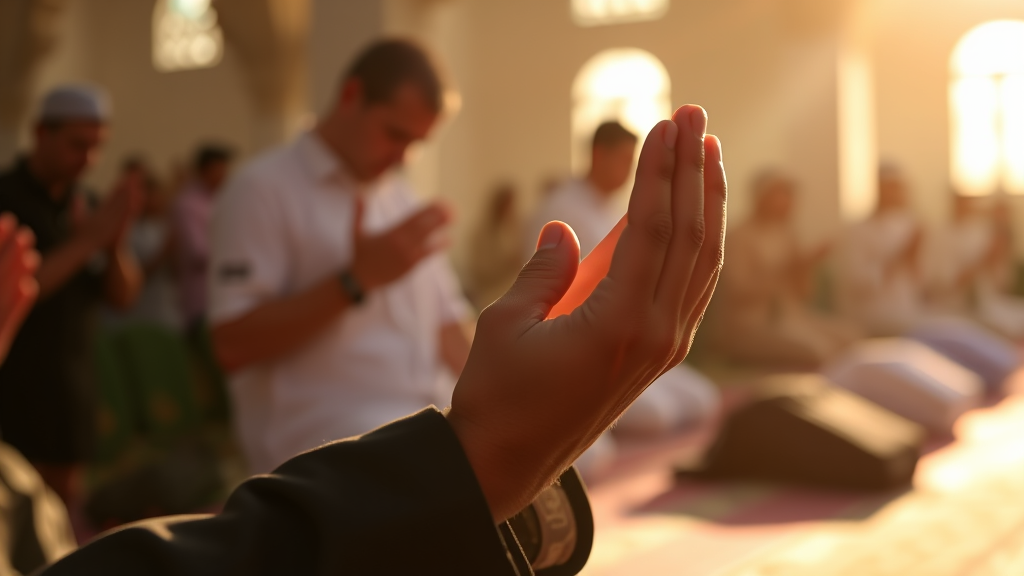
After completing the first unit (Rakah), stand for the second unit and repeat the same process: recite Al-Fatiha and another Quranic passage, perform Ruku and two Sujuds. After the second Sujud of the second Rakah, sit for the final Tashahhud (testimony of faith).
During Tashahhud, recite the testimony while pointing with your right index finger. Complete the prayer with Tasleem by turning your head to the right saying “As-salamu alaykum wa rahmatullah” and then to the left repeating the same phrase. This concludes the obligatory portion of Fajr prayer.
Common Mistakes to Avoid
One frequent mistake involves rushing through prayer movements without proper pause and reflection. Each position should be held long enough to achieve tranquility and mindful presence. Hurrying through prostrations or not maintaining proper posture diminishes the prayer’s spiritual benefits and may affect its validity according to Islamic jurisprudence.
Another common error is incorrect Qibla direction, which can occur when traveling or praying in unfamiliar locations. Always verify the direction using reliable compass applications or mosque guidance. Additionally, ensure your ablution remains valid throughout the prayer – any actions that nullify Wudu require repeating the purification process.
Many practitioners struggle with concentration during early morning prayer due to drowsiness or mental fog. Combat this by ensuring adequate sleep, performing ablution with cool water to increase alertness, and choosing a well-lit prayer space. Just as DIY homemade facial scrub routines require consistency for optimal results, maintaining regular prayer timing helps establish natural wake-sleep cycles.
Tips for Maintaining Consistent Practice
Establishing a consistent Fajr prayer routine requires strategic planning and gradual adjustment. Set multiple alarms with sufficient time for ablution and prayer without rushing. Consider placing your alarm across the room to ensure you fully wake up, and avoid checking phones or electronic devices immediately upon waking to maintain spiritual focus.
Create supportive environmental conditions by preparing prayer clothes the night before and ensuring your prayer space remains clean and ready. Some practitioners find that incorporating gentle stretching or breathing exercises before prayer helps transition from sleep to wakeful worship, similar to how DIY face scrubs natural skin care routines benefit from consistent daily application.
Connect with local Islamic communities or online groups for accountability and support. Many mosques offer communal Fajr prayers, providing additional motivation and spiritual community. Track your consistency using prayer journals or applications, celebrating milestones and reflecting on spiritual growth achieved through regular practice.
Nutrition and hydration play important roles in maintaining energy for early morning worship. Avoid heavy meals before sleep and stay adequately hydrated. Some practitioners incorporate light, healthy snacks after prayer to maintain energy levels, much like how DIY face masks homemade skincare routines work best with proper nutrition and hydration support.
Consider the broader wellness benefits of early rising for prayer, including improved sleep patterns, increased productivity, and enhanced spiritual awareness. These benefits extend beyond religious practice, contributing to overall health and well-being. The discipline developed through consistent Fajr prayer often translates into other areas of life, creating positive habits and increased self-control.
For additional relaxation and spiritual preparation, consider incorporating calming activities after prayer such as reading Quran, making personal supplications, or practicing meditation. Some people find that DIY bath salts relaxing soak routines in the evening help prepare for better sleep and easier morning wake-up times.
Frequently Asked Questions
What time exactly should I pray Fajr?
Fajr prayer time begins at dawn when the first light appears on the eastern horizon and ends just before sunrise. The exact timing varies by location and season, so consult local Islamic centers, prayer time applications, or websites like IslamiCity for accurate times in your area. Generally, this occurs approximately 1.5 to 2 hours before sunrise.
Can I pray Fajr if I wake up after sunrise?
If you miss Fajr prayer due to oversleeping or other circumstances, you should pray it as soon as you wake up as a Qada (makeup) prayer. According to Islamic teachings from sources like IslamWeb, missed obligatory prayers must be made up, and it’s recommended to seek forgiveness while establishing better habits to avoid future missed prayers.
Is it necessary to pray the Sunnah units before Fajr?
While the two Sunnah units before Fajr are highly recommended and were regularly practiced by Prophet Muhammad, they are not obligatory. However, Islamic scholars strongly encourage praying these units as they carry significant spiritual reward and help prepare the heart and mind for the obligatory prayer portion.
What should I do if I’m traveling during Fajr time?
When traveling, you should still maintain Fajr prayer at its proper time. If you’re in a vehicle, plane, or other transportation, pray in the best way possible given your circumstances. Face the Qibla if possible, but if direction cannot be determined or maintained during movement, pray facing your direction of travel. The Britannica encyclopedia notes that Islamic law provides flexibility for prayer during travel while maintaining the obligation.
How can I wake up more easily for Fajr prayer?
Improve your Fajr wake-up routine by sleeping earlier, avoiding heavy meals or caffeine before bedtime, and setting multiple alarms with increasing volume. Place your alarm across the room, use natural light alarm clocks, and consider asking family members for help. Maintain consistent sleep schedules and make sincere supplications for Allah’s assistance in waking for prayer.
What if I have doubts about my ablution during prayer?
If you have genuine doubts about your ablution’s validity during prayer, you should stop and renew your Wudu before continuing. However, if it’s merely whispered doubts (waswas) without concrete reason, continue your prayer as such doubts are considered spiritual tests to be ignored according to Islamic jurisprudence from sources like Al-Islam.org.
Can I use a prayer app to determine Qibla direction and prayer times?
Yes, reputable Islamic prayer applications that use GPS and astronomical calculations are generally reliable for determining prayer times and Qibla direction. However, when possible, verify with local Islamic authorities or mosques, especially when traveling to new locations where local factors might affect accuracy.