How Deep to Plant Daffodil Bulbs and Other Spring Bloomers: A Complete Gardener’s Guide
Planting flower bulbs at the correct depth is one of the most critical factors determining whether your spring garden will flourish or fail. Many home gardeners struggle with this fundamental question, leading to disappointing results year after year. Whether you’re planning your first garden project using DIY pallet projects as raised beds or transforming a dedicated flower garden, understanding proper bulb planting depth transforms your success rate dramatically.
The depth at which you plant bulbs directly affects root development, flowering success, and long-term bulb health. Planting too shallow exposes bulbs to freezing temperatures and pest damage, while planting too deep prevents proper emergence and exhausts the bulb’s stored energy reserves. This comprehensive guide walks you through the science and practice of planting daffodil bulbs and other spring-flowering bulbs at optimal depths, ensuring vibrant blooms season after season.
Understanding Bulb Structure and Function
Before diving into specific planting depths, it’s essential to understand what a bulb actually is and how it functions underground. A bulb is a specialized underground storage organ containing all the nutrients, hormones, and embryonic plant tissue necessary to produce flowers. The bulb consists of several layers: the outer protective tunic (papery covering), fleshy scales that store starches and sugars, and at the center, the basal plate from which roots emerge and the growing point that produces leaves and flowers.
The basal plate serves as the critical anchor point for root development. Roots emerge from small pits around the basal plate’s perimeter and grow downward into the soil. The growing point, located at the bulb’s top, eventually produces the flower stem and leaves. Understanding this structure explains why planting depth matters so profoundly—the basal plate must be positioned where it can access moisture without becoming waterlogged, and the growing point needs enough soil coverage for protection yet not so much that the emerging shoot exhausts its energy reserves before reaching the surface.
Different bulb types evolved in different climates and soil conditions, which is why Oregon State University’s bulb planting guidelines vary by species. Daffodils, tulips, crocuses, and hyacinths each have slightly different requirements based on their native habitats and evolutionary adaptations.
Daffodil Bulb Planting Depth Guidelines
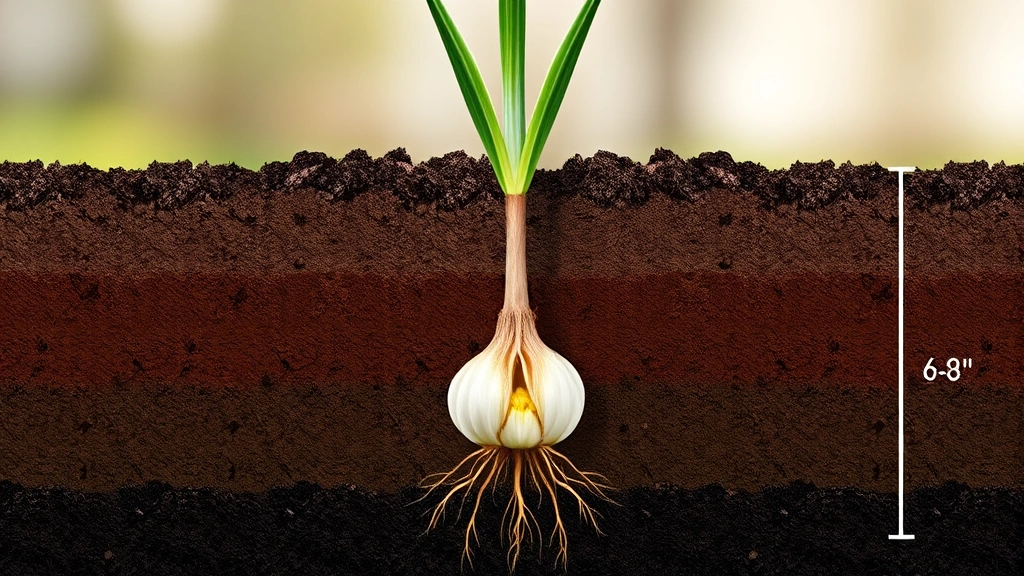
Daffodil bulbs should be planted at a depth of 6 to 8 inches (15-20 cm) measured from the bottom of the bulb to the soil surface. This depth represents roughly three times the bulb’s height, which is the standard formula for most large spring bulbs. For smaller daffodil varieties, such as miniature cultivars, reduce the depth to 4 to 6 inches (10-15 cm).
The “three times the height” rule exists because it provides the optimal balance between several competing needs. First, this depth places the basal plate in consistently moist but well-draining soil where roots can establish themselves. Second, it positions the bulb low enough that winter soil temperatures remain relatively stable, protecting the bulb from freeze-thaw cycles that damage delicate tissues. Third, the emerging shoot has sufficient soil overhead to protect it from surface predators and harsh weather while still having enough energy reserves to reach sunlight.
When measuring planting depth, measure from the bottom (basal plate end) of the bulb upward to the finished soil surface. Many gardeners mistakenly measure from the bulb’s top, resulting in bulbs planted far too shallow. If you’re doing foundation or basement work that involves soil grade changes, recalibrate your bulb planting depths accordingly, as grade changes affect the natural insulation bulbs receive.
Daffodil varieties vary slightly in their ideal depths. Standard trumpet daffodils with large bulbs need the full 6 to 8 inches, while smaller species daffodils and miniature types perform better at 4 to 6 inches. Double-flowered daffodils, which have heavier flower heads, benefit from slightly deeper planting (up to 8 inches) for added stem support. Check specific cultivar recommendations from reputable sources like the Royal Horticultural Society’s daffodil resources.
Planting Depth for Other Spring Bulbs
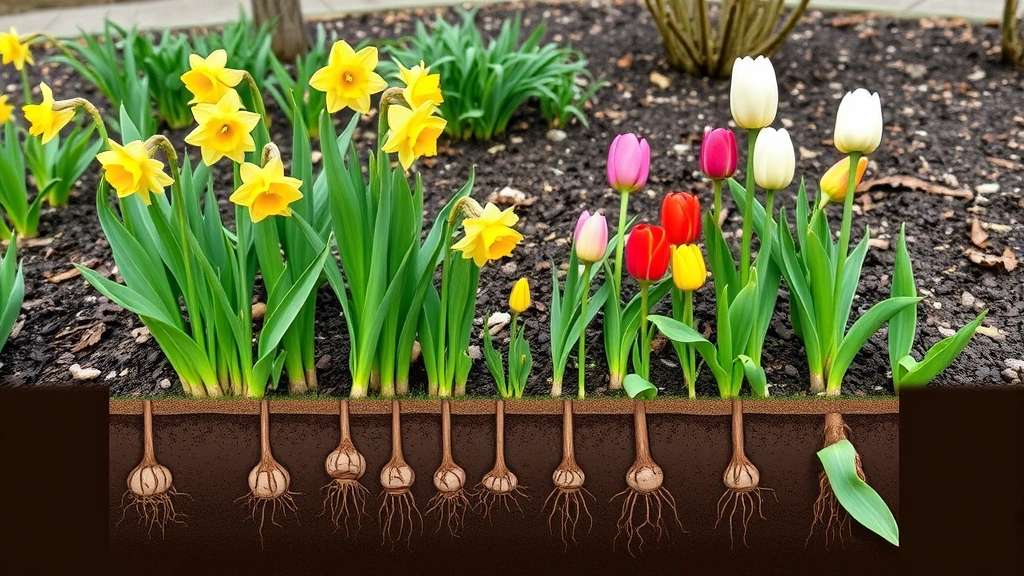
While daffodils follow the “three times the height” rule consistently, other spring bulbs have varying requirements based on their structure and evolutionary origin. Understanding these differences ensures comprehensive success across your entire spring bulb collection.
Tulips should be planted at 6 to 8 inches deep, similar to daffodils. However, tulips are more susceptible to bulb rot in poorly draining soil, so the depth should always be paired with excellent drainage. Parrot tulips and other large-flowered varieties benefit from the deeper end of this range for stem support.
Hyacinths require 6 to 8 inches of depth as well, though their dense flower spikes make them more wind-resistant than tulips. Plant hyacinths with adequate spacing (6-8 inches apart) since their fragrant flowers are more noticeable when individual plants aren’t crowded.
Crocuses are much smaller and should be planted only 3 to 4 inches deep. These early bloomers often naturalize in lawns, and their shallow planting depth makes them ideal for this purpose. The shallow depth also allows soil to warm more quickly in spring, encouraging earlier flowering.
Muscari (Grape Hyacinths) follow crocus guidelines at 3 to 4 inches deep. These prolific spreaders actually benefit from slightly shallower planting as it encourages natural offset production and colonization.
Alliums (ornamental onions) range from 4 to 8 inches depending on the variety. Larger species like Allium giganteum need the deeper planting for stability, while smaller varieties like Allium moly are planted shallower.
Fritillarias present a special case—many species are susceptible to rot and prefer shallower planting (3-4 inches) with very sharp drainage. Crown Imperials, the largest fritillarias, need 8-10 inches of depth but absolutely require gritty, well-draining soil.
Soil Preparation and Site Selection
Correct planting depth means nothing without proper soil preparation. Bulbs are far more sensitive to soil conditions than most perennials or annuals. Before you dig planting holes, invest time in soil assessment and amendment.
Bulbs universally demand excellent drainage. Heavy clay soils cause bulb rot, the most common reason for bulb failure. If your soil is clay-based, amend it generously with coarse sand (not fine sand), perlite, or aged compost before planting. Work amendments into the top 12-18 inches of soil, not just in the planting hole, as roots need good drainage throughout their rooting zone. The goal is soil that drains quickly after rain or watering but retains enough moisture to prevent complete drying.
Soil pH should be neutral to slightly acidic (6.0-7.0) for most bulbs. Test your soil pH using an inexpensive kit or professional soil test. Most bulbs tolerate slightly alkaline soils but perform best in neutral conditions. Incorporate sulfur if your soil is too alkaline, or add lime if it’s too acidic, following soil test recommendations.
Organic matter improves soil structure and drainage. Mix 2-3 inches of well-aged compost or aged manure into your planting area. Avoid fresh manure, which can burn bulbs and introduce pathogens. When planning comprehensive home and garden projects, incorporate bulb beds into your overall site design where they’ll receive consistent care.
Site selection matters equally. Bulbs need at least 6 hours of direct sunlight daily, preferably more for daffodils. Choose locations that receive morning sun, which dries dew and reduces fungal disease risk. Avoid areas where water pools after rain. If your property has drainage issues, consider contacting professionals for drainage assessment before planting large bulb collections.
Timing and Temperature Considerations
Planting timing directly influences root establishment and ultimately, flowering success. Spring bulbs require a period of cold (vernalization) to flower properly. This cold requirement explains why planting depth and timing work together—deeper planting keeps bulbs in colder soil longer, satisfying their chilling needs.
Plant spring bulbs in fall, typically September through November in most climates, once soil temperatures drop to 60°F (15°C) or below. This timing allows roots to establish before soil freezes. Roots continue growing during winter at temperatures above freezing, even when the bulb itself appears dormant. Early planting (September-October) gives roots the maximum time to establish before winter, improving spring performance.
Soil temperature, not air temperature, determines planting readiness. Soil thermometers are inexpensive tools that remove guesswork. Plant when soil reaches 60°F consistently. In warm climates where soil stays warmer longer, delay planting until later fall or even early winter. Planting warm bulbs in warm soil often results in premature sprouting or fungal issues.
Chill hours matter tremendously. Most spring bulbs need 12-16 weeks of temperatures below 45°F (7°C) to flower properly. If you live in a warm climate where winter temperatures rarely drop below 45°F, you may need to pre-chill bulbs in your refrigerator (40°F/4°C) for 6-8 weeks before planting. Store bulbs in a paper bag in the vegetable drawer, away from ethylene-producing fruits.
Common Planting Mistakes to Avoid
Even experienced gardeners occasionally make bulb-planting mistakes. Awareness of common errors helps you avoid disappointing results:
- Planting too shallow: This is the most common mistake. Shallow bulbs freeze, dry out, and fail to produce flowers. Measure carefully from the basal plate to the soil surface.
- Planting too deep: While less common than shallow planting, excessive depth exhausts the bulb’s energy reserves before shoots reach the surface. Seedlings may emerge but won’t flower.
- Poor drainage: Planting at perfect depth in waterlogged soil guarantees failure. Amend clay soils or choose raised bed locations.
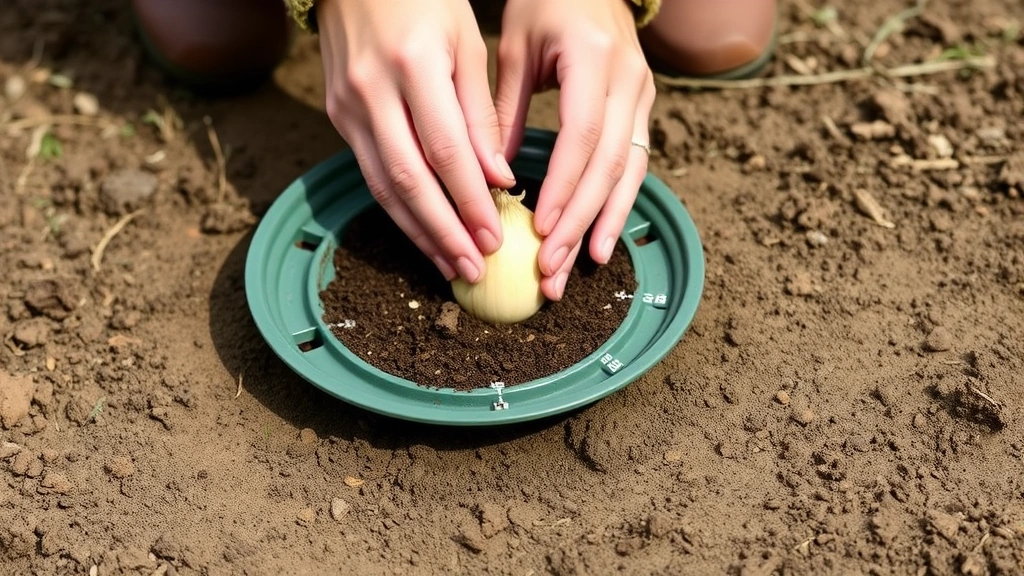
- Placing bulbs directly on hard soil: Always loosen the planting hole bottom, creating a 2-3 inch cushion of loose soil where the basal plate rests. This prevents air pockets and ensures good root contact.
- Forgetting the basal plate orientation: Always plant with the pointed end up and basal plate down. While bulbs can sometimes recover from wrong orientation, they waste energy doing so.
- Crowding bulbs: Space daffodils 4-6 inches apart, tulips 4-6 inches, and smaller bulbs proportionally. Crowding increases disease pressure and reduces flowering.
- Planting in compacted soil: Bulbs cannot penetrate hard ground. Loosen soil to at least 12 inches deep before planting.
- Inconsistent watering after planting: Water bulbs after planting to settle soil and encourage root growth. Keep soil consistently moist (not wet) through winter.
Post-Planting Care and Maintenance
Planting depth is just the beginning. Proper post-planting care ensures bulbs establish well and return reliably for years.
After planting, water thoroughly to settle soil and eliminate air pockets around the basal plate. This initial watering is critical—it ensures good soil-to-bulb contact and initiates root growth. Water again if the soil dries significantly before winter rains begin, but avoid waterlogging.
Mulching protects bulbs and moderates soil temperature fluctuations. Apply 2-3 inches of coarse mulch (shredded bark, wood chips) over planted areas after the ground freezes. This prevents freeze-thaw heaving that can push bulbs upward, exposing them to cold and drying. Remove mulch gradually in spring as temperatures warm.
Avoid disturbing bulb beds during winter. Even with good intentions, digging or heavy foot traffic compacts soil and damages developing roots. Mark bulb bed locations clearly so family members avoid these areas.
Fertilizing timing matters. Apply slow-release bulb fertilizer or bone meal at planting time (following package directions). Avoid high-nitrogen fertilizers, which promote foliage at the expense of flowers. In spring as shoots emerge, apply a balanced fertilizer (like 10-10-10) to support flowering. After flowering, apply a high-phosphorus fertilizer (like 5-10-10) to support bulb development for next year.
Deadheading spent flowers improves appearance and redirects energy to bulb development rather than seed production. However, leave foliage intact until it yellows naturally—this period allows bulbs to store energy for next season’s flowers. It’s tempting to tidy up by removing yellow leaves early, but this directly reduces next year’s flowering.
For DIY enthusiasts building garden structures, consider raised beds with proper drainage for bulb planting. Raised beds provide excellent drainage control and allow you to customize soil composition precisely.
Frequently Asked Questions
What happens if I plant daffodil bulbs too shallow?
Shallow-planted bulbs are exposed to freezing temperatures that damage delicate tissues, resulting in failure to flower or bulb death. Additionally, shallow bulbs dry out more quickly and become vulnerable to rodent damage. The emerging shoot may push through the soil but lack sufficient energy reserves to produce flowers.
Can I plant bulbs in spring instead of fall?
Spring planting generally fails for spring bulbs because they don’t receive adequate chilling hours. Bulbs planted in spring typically don’t flower the following year. However, pre-chilled bulbs can sometimes be forced to flower indoors in spring. For outdoor spring planting success, wait until fall when temperatures naturally provide the required cold period.
How deep should I plant bulbs in containers?
Container planting follows the same depth guidelines as in-ground planting. Plant daffodils 6-8 inches deep measured from the basal plate to the soil surface. Use containers at least 12 inches deep to accommodate proper planting depth plus drainage space. Ensure containers have drainage holes and use high-quality potting mix, not garden soil.
Should I add fertilizer to the planting hole?
Avoid placing fertilizer directly in contact with bulbs, as concentrated nutrients can burn tender tissues. Instead, apply slow-release bone meal or bulb fertilizer to the soil before planting, mixing it thoroughly into the planting area. This method provides nutrients as roots develop without burning the bulb.
Why do my bulbs rot even when planted at the correct depth?
Bulb rot despite correct planting depth usually indicates drainage issues. Clay soils or areas where water pools after rain cause rot. Amend heavy soils extensively with sand and perlite, or choose better-draining planting locations. Ensure mulch doesn’t touch the bulb’s top, as this traps moisture and promotes rot.
Can I replant bulbs that failed to flower?
Bulbs that fail to flower from inadequate chilling can sometimes be saved. Dig them up after foliage dies back, store them in cool conditions (40°F/4°C) for 8-12 weeks, then replant in fall. However, bulbs showing signs of rot or disease should be discarded to prevent spreading problems to healthy bulbs.
How long do planted bulbs last?
Well-planted bulbs in appropriate conditions can persist and flower for many years. Daffodils are particularly long-lived, often flowering reliably for 5-10+ years or longer. Tulips tend to decline after 2-3 years in many climates. Dividing and replanting bulbs every 3-4 years rejuvenates them and maintains vigor.
Do I need to dig up bulbs after they flower?
In most climates, spring bulbs can remain in the ground year-round without digging. However, in very wet climates or areas with poor drainage, digging bulbs after foliage dies allows you to dry them in storage, reducing rot risk. In warm climates, digging and storing in cool conditions prevents premature sprouting. For most gardeners with average conditions, leaving bulbs in place is easier and equally successful.


