How to Ripen Mangoes Faster: Expert-Backed Techniques for Perfect Fruit
Mangoes are one of nature’s most delicious fruits, but the waiting game for ripeness can test your patience. Whether you’ve just purchased hard mangoes from the grocery store or harvested them from your own tree, understanding how to accelerate the ripening process is essential for enjoying perfectly sweet, juicy fruit at peak flavor. The ripening process involves complex biochemical changes that convert starches to sugars and soften the fruit’s flesh, and several proven techniques can significantly speed up this natural progression.
The key to faster mango ripening lies in controlling environmental factors like temperature, humidity, and ethylene gas exposure. Unlike some fruits that must ripen on the tree to develop proper sweetness, mangoes actually continue ripening after harvest, making them ideal candidates for controlled ripening techniques. This guide explores scientifically-backed methods that home gardeners, fruit enthusiasts, and DIY growers can implement immediately to achieve perfectly ripe mangoes in days rather than weeks.
Understanding Mango Ripening Science
Mango ripening is a fascinating biological process governed by ethylene, a plant hormone that triggers the conversion of chlorophyll to carotenoids and xanthophylls—the pigments responsible for the fruit’s vibrant colors. During ripening, the fruit’s cell walls soften through enzymatic breakdown of pectin and cellulose, while starch converts to sugars, dramatically increasing sweetness. The process typically takes 5-14 days at room temperature, but this timeline varies significantly based on the mango variety, initial maturity level, and environmental conditions.
Key ripening indicators include color change, aroma development, and texture softening. A ripe mango typically transitions from green to yellow, orange, or red depending on the variety. The fruit develops a distinctive sweet fragrance near the stem end, and gentle pressure should yield slightly to finger pressure without feeling mushy. Understanding these indicators helps you apply the right acceleration techniques without over-ripening or damaging your fruit.
When you’re planning DIY projects at home, creating an optimal ripening environment is as important as proper planning for any construction task. The science behind fruit ripening involves precise environmental management—temperature, humidity, and gas exposure all play critical roles, much like how basement finishing requires careful climate control for successful results.
Temperature Control for Faster Ripening
Temperature is perhaps the single most influential factor in mango ripening speed. Mangoes ripen fastest between 70-75°F (21-24°C), with the process slowing considerably below 60°F and actually halting below 55°F. Refrigeration stops ripening entirely, so never store unripe mangoes in the refrigerator. Conversely, temperatures above 80°F can cause uneven ripening and encourage mold growth.
Optimal ripening temperature ranges:
- 68-72°F: Ideal for controlled, even ripening (5-7 days)
- 73-78°F: Accelerated ripening (3-5 days), but monitor closely
- Below 60°F: Ripening essentially stops; fruit may spoil
- Above 85°F: Risk of uneven ripening and fungal issues
To maintain consistent temperature, place mangoes in a warm room away from direct sunlight and cold drafts. A kitchen counter, pantry, or dedicated ripening box works well. If your home tends to be cool, consider using a heating pad set to low (placed beneath a box containing mangoes, not directly under fruit) or positioning mangoes near (but not touching) a heat source like a radiator or sunny windowsill that receives indirect light.
For those interested in creating specialized storage solutions, the principles parallel home security system planning, where environmental monitoring and controlled conditions ensure optimal performance. Temperature management requires consistent attention and adjustment, much like maintaining any home system.
Ethylene Gas Acceleration Techniques
Ethylene gas is the ripening hormone that triggers cascading biochemical changes in mangoes. Increasing ethylene concentration around your fruit dramatically accelerates ripening. Several practical methods concentrate ethylene around mangoes without requiring special equipment or chemicals.
The apple or banana method: Placing a ripe apple or banana with your mangoes creates a natural ethylene-rich microenvironment. Ripe apples and bananas continuously emit ethylene gas, which diffuses through the surrounding air and penetrates the mango skin, triggering ripening hormones. This method typically reduces ripening time by 2-3 days and works best in enclosed or semi-enclosed spaces.
The newspaper wrapping technique: Wrapping individual mangoes or small groups in newspaper creates a localized ethylene accumulation chamber. The paper traps ethylene gas produced by the fruit itself, recycling it back into the mango tissue and accelerating the ripening cascade. This passive method costs nothing and reduces ripening time by 1-3 days depending on temperature and initial fruit maturity.
Commercial ethylene ripening chambers: Large-scale growers and some specialty retailers use commercial ethylene generators, but these aren’t practical for home use. However, understanding this industrial technique validates why the simpler home methods work—increased ethylene concentration reliably triggers faster ripening.
Paper Bag and Rice Methods
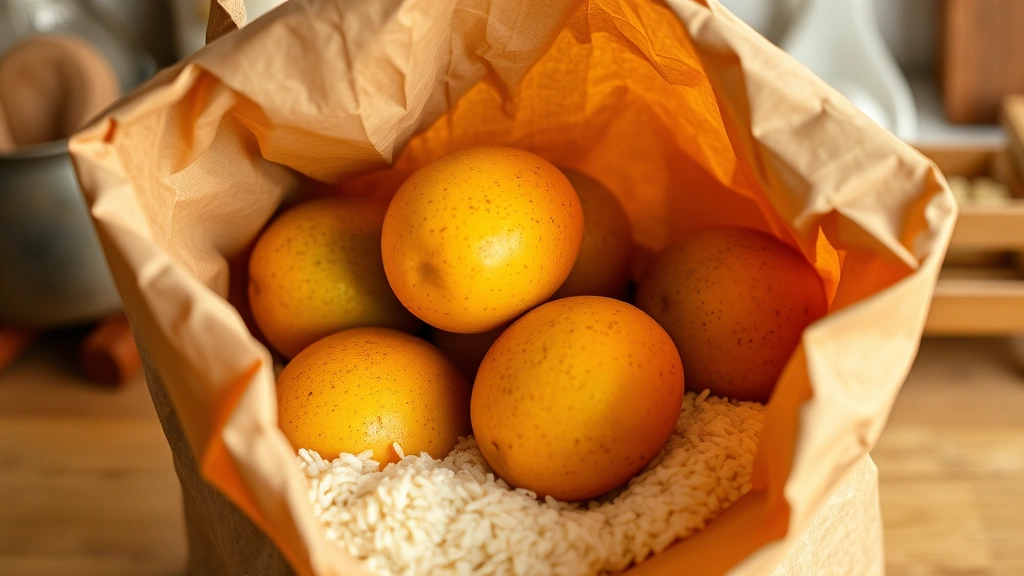
The paper bag method combines temperature control, ethylene concentration, and humidity management in one simple technique. Place mangoes in a brown paper bag (avoid plastic, which can trap excessive moisture and encourage mold), fold the top loosely, and store at room temperature. The paper allows slight air circulation while trapping ethylene gas and moderating temperature fluctuations. This method typically achieves ripeness in 3-5 days.
For enhanced results, add uncooked rice to the bag: Rice grains absorb excess moisture while allowing ethylene circulation, creating an ideal microenvironment. The rice method works exceptionally well for multiple mangoes, as the increased fruit mass generates more ethylene while rice moderates humidity. Place 1-2 cups of uncooked white or brown rice in the bottom of a paper bag, arrange mangoes on top without directly contacting rice, and fold the bag loosely closed.
Step-by-step paper bag ripening:
- Select firm, mature mangoes (not completely hard, but definitely unripe)
- Gently wash and dry each mango completely
- Place mangoes in a brown paper bag with 1-2 cups uncooked rice
- Fold the bag top loosely—don’t seal completely, as some air exchange is beneficial
- Store in a warm location (70-75°F) away from direct sunlight
- Check daily after day 2 for ripeness; gently squeeze near the stem end
- Remove mangoes when they yield slightly to pressure and emit sweet aroma
This method works because it recreates the conditions found in traditional fruit ripening boxes used by agricultural operations for decades. The combination of controlled temperature, ethylene accumulation, and humidity management produces reliably ripe fruit without chemical treatments.
Humidity and Storage Optimization
Humidity levels significantly impact mango ripening rate and final quality. Optimal humidity ranges from 85-95%, which maintains fruit firmness while allowing proper ripening. Humidity below 70% causes skin shriveling and uneven ripening, while humidity above 95% promotes mold and fungal growth. Most homes maintain 30-50% humidity, so creating a slightly elevated humidity environment accelerates ripening while preventing desiccation.
Practical humidity management techniques:
- Damp towel method: Place a damp (not wet) kitchen towel in your ripening container; it gradually releases moisture without creating puddles or excessive wetness
- Shallow water bowl: Set a shallow bowl of water in the ripening area; evaporation creates ambient humidity without direct fruit contact
- Sealed container: Use a cardboard box or plastic container with ventilation holes; the enclosed space naturally maintains higher humidity than open air
- Fruit grouping: Placing mangoes close together (but not touching) creates a microclimate with naturally elevated humidity through transpiration
Never allow mangoes to sit in standing water or direct contact with wet materials, as this promotes rot and fungal infections. The goal is ambient humidity elevation, not surface wetness. For those familiar with woodworking projects requiring humidity control, the same principles apply—maintaining proper moisture balance prevents damage and ensures quality results.
Identifying Ripeness Indicators
Accurately determining when mangoes reach peak ripeness prevents both premature consumption and over-ripening. Professional growers and agricultural experts rely on multiple indicators rather than any single test, and home growers should adopt this comprehensive approach.
Visual ripeness indicators:
- Color change: Transition from green to yellow, orange, or red (varies by variety)
- Skin texture: Slight wrinkling near the stem indicates ripeness
- Blemishes: Small dark spots or lenticels become more prominent as ripeness increases
- Overall appearance: Loses the bright, waxy appearance of unripe fruit
Tactile ripeness testing: Gently squeeze the mango in your palm, applying moderate pressure. A ripe mango yields slightly but doesn’t feel mushy. Press near the stem end, where ripeness manifests first. Hard resistance indicates unripeness; mushiness suggests over-ripeness. This tactile test works best after visual inspection confirms color change has begun.
Aroma assessment: The most reliable ripeness indicator is fragrance. Bring the mango to your nose and smell near the stem end. A ripe mango emits a sweet, distinct fruity aroma. Unripe mangoes have little to no scent, while over-ripe mangoes may smell fermented or alcoholic. This olfactory test is particularly valuable for mango varieties with subtle color changes.
Float test: Ripe mangoes have slightly reduced density compared to unripe fruit. Place mangoes in water; ripe ones float slightly higher than hard, unripe mangoes. This isn’t definitive but provides supporting evidence when combined with other indicators.
Common Mistakes to Avoid
Even with proper technique, common errors can sabotage mango ripening or result in spoiled fruit. Understanding these pitfalls helps you achieve consistent success with every batch of mangoes you ripen.
Refrigerating unripe mangoes: This is the most common mistake. Refrigeration halts ripening and can actually damage the fruit’s cellular structure, preventing proper ripening even after removal to room temperature. Reserve refrigeration for ripe mangoes you want to preserve; unripe fruit belongs on the counter.
Using plastic bags: Plastic traps excessive moisture and carbon dioxide while preventing proper ethylene circulation. Paper bags are vastly superior for controlled ripening. Plastic bags often result in mold, rot, or uneven ripening.
Stacking mangoes heavily: Excessive weight causes bruising and uneven ripening. Stack no more than 2-3 mangoes high, and separate layers with paper or cloth to prevent bruising contact.
Ignoring temperature consistency: Placing mangoes near heat sources that cycle on and off creates temperature fluctuations that disrupt ripening. Consistent 70-75°F temperature is far superior to fluctuating conditions between 60-80°F.
Over-ripening before consumption: Waiting too long past peak ripeness results in mealy texture, fermented flavor, and internal browning. Once mangoes yield noticeably to gentle pressure and smell strongly sweet, consume within 1-2 days.
Failing to inspect for defects: Mangoes with cuts, deep bruises, or visible mold will deteriorate rapidly during ripening. Select only firm, unblemished fruit for acceleration techniques.
Creating Your Ripening Station
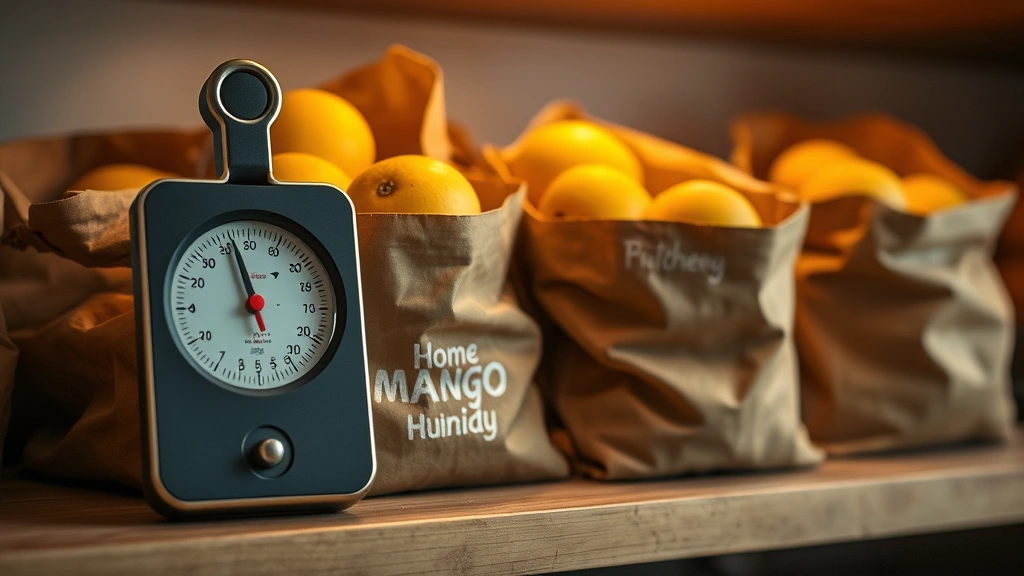
Establishing a dedicated ripening station in your home optimizes results and simplifies the process. This station needn’t be elaborate—even a small shelf or cabinet section works effectively when properly configured for temperature, humidity, and ethylene management.
Ideal ripening station setup:
- Location: Interior shelf or cabinet away from direct sunlight, heating vents, and cold drafts. A kitchen pantry or interior closet works perfectly.
- Temperature control: Verify the location maintains 70-75°F. Use a simple thermometer to confirm; adjust location if necessary.
- Containers: Brown paper bags, cardboard boxes with ventilation holes, or open shelving all work well. Avoid plastic containers or sealed boxes.
- Humidity management: Place a shallow water bowl or damp towel nearby to maintain ambient humidity around 85%.
- Ethylene sources: Keep ripe apples or bananas nearby, or use the rice-and-bag method to concentrate ethylene around mangoes.
- Monitoring system: Place a simple thermometer and humidity meter in the station; check daily to ensure optimal conditions.
- Organization: Group mangoes by size and variety; similar-sized fruit ripens more uniformly.
According to USDA guidelines on fruit storage and ripening, proper environmental management is crucial for maintaining fruit quality throughout the ripening process. The station approach mirrors professional agricultural practices scaled for home use.
For those interested in detailed storage solutions and environmental control systems, resources from agricultural monitoring organizations provide comprehensive data on optimal ripening conditions. Additionally, scientific research on fruit ripening physiology validates the techniques described throughout this guide, offering peer-reviewed evidence supporting each method.
The Produce Marketing Association publishes extensive ripening standards for commercial growers, many of which apply directly to home ripening techniques. Finally, USDA APHIS resources on fruit quality standards provide official guidance on identifying peak ripeness and preventing post-harvest deterioration.
FAQ
How long does it typically take mangoes to ripen at room temperature?
At standard room temperature (68-72°F), unripe mangoes typically ripen in 5-7 days. This timeline varies based on initial maturity level, mango variety, and humidity. Using acceleration techniques like the paper bag method, rice addition, or ethylene sources can reduce this to 3-5 days. Warmer temperatures (73-78°F) speed ripening but require careful monitoring to prevent spoilage.
Can I ripen mangoes in the refrigerator?
No. Refrigeration stops the ripening process entirely and can damage the fruit’s cellular structure, preventing proper ripening even after removal to room temperature. Refrigerators should only be used for storing ripe mangoes you want to preserve. Always ripen mangoes at room temperature first, then refrigerate if needed.
What’s the difference between mature and ripe mangoes?
Mature mangoes have reached full size but haven’t undergone ripening biochemistry—they’re firm, greenish, and lack sweetness. Mature mangoes continue ripening after harvest, making them suitable for acceleration techniques. Ripe mangoes have undergone ripening processes, yielding to gentle pressure, developing sweet aroma, and displaying color change. Some fruits ripen only on the tree, but mangoes are climacteric fruits that ripen post-harvest.
Is the paper bag method really effective?
Yes. The paper bag method is highly effective because it combines three ripening accelerators: temperature moderation, ethylene gas concentration, and humidity management. Scientific studies confirm that paper bag storage reduces ripening time by 1-3 days compared to open-air storage, with success rates exceeding 90% when starting with properly mature fruit.
How can I tell if a mango is over-ripe?
Over-ripe mangoes exhibit several clear indicators: they feel mushy when squeezed, emit a fermented or alcohol-like aroma, display dark brown or black skin patches, and may have liquid leaking from the stem end. The flesh may appear brown or stringy when cut. Over-ripe mangoes should be discarded or used immediately for smoothies or purees, as the texture and flavor have deteriorated.
Should I wash mangoes before ripening them?
Yes, wash mangoes gently under cool running water and dry thoroughly before beginning ripening acceleration. Washing removes dirt and potential fungal spores, reducing spoilage risk. However, don’t wash them immediately before placing in storage bags—ensure they’re completely dry first, as excess moisture promotes mold growth.


