
Can You DIY a Prayer Room? Expert Insights on Creating Your Sacred Space
Creating a dedicated prayer room is one of the most meaningful home projects you can undertake. Whether you’re a devout believer seeking deeper spiritual connection or someone exploring how to get closer to God through intentional space design, a DIY prayer room offers a personal sanctuary for reflection, meditation, and worship. This project doesn’t require advanced construction skills—just thoughtful planning, basic materials, and a clear vision of what spiritual atmosphere you want to cultivate.
A prayer room serves as more than decoration; it’s a functional spiritual environment designed to minimize distractions and foster contemplation. The beauty of building one yourself is that you can customize every element to align with your faith traditions, personal preferences, and available space. From selecting calming colors to incorporating meaningful religious artwork, you control how this sacred room reflects your relationship with the divine.
Understanding Prayer Room Fundamentals
Before picking up a hammer or paintbrush, understand what makes a prayer room effective. A successful prayer space combines physical comfort with spiritual intention. The goal is creating an environment where external noise fades, distractions diminish, and your mind naturally turns toward contemplation and connection with God. Many faith traditions emphasize that the space itself becomes sanctified through use and intention—your commitment to prayer transforms the room into something sacred.
Prayer rooms vary dramatically depending on religious tradition. Christian prayer rooms might feature a cross, Bible stand, or kneeling bench. Islamic prayer spaces require a clean, quiet area oriented toward Mecca with prayer rugs. Buddhist meditation rooms often include an altar with Buddha statues or images. Hindu prayer rooms might contain a home shrine with deity representations. Jewish prayer spaces may include a mezuzah and prayer books. Understanding your specific spiritual tradition’s requirements ensures your DIY project honors your faith properly.
The psychological benefits of dedicated prayer spaces are well-documented. Environmental psychology research shows that thoughtfully designed spaces improve focus, reduce anxiety, and facilitate deeper emotional processing. By creating a prayer room, you’re not just building a room—you’re constructing a tool for spiritual growth and mental wellness.
Choosing Your Space and Layout
Your first decision is location. Ideal prayer rooms are quiet, private, and removed from household traffic patterns. Consider these options: spare bedrooms, finished basement corners, attic spaces, closets, or even outdoor garden areas. The size doesn’t matter—even a 4×6 foot closet can become a powerful prayer space. What matters is accessibility and freedom from interruption.
When evaluating potential spaces, check for these factors: natural light availability, existing insulation quality, proximity to noisy areas (furnaces, laundry rooms, streets), moisture issues, and electrical outlet locations. If you’re working with a basement space, review our guide on basement finishing to address moisture and climate control properly.
Layout depends on your prayer style. Contemplative prayers often work well with simple seating—a chair or cushion facing a focal point. If you kneel during prayer, ensure adequate floor padding. Some people prefer walking meditation paths, requiring more open floor space. Others want a small altar or table for religious texts and objects. Sketch your layout before construction, ensuring the space flows naturally and supports your spiritual practice.
Traffic flow matters too. Position your prayer area away from doorways when possible. If the room has windows, consider whether external views support or distract from your practice. Some people appreciate natural landscape views; others prefer privacy from neighbors.
Essential Design Elements
Color psychology significantly impacts prayer room effectiveness. Soft blues and greens promote calm and spiritual connection. Warm whites and creams create peaceful, neutral environments. Purples and deep blues enhance contemplation and mystery. Avoid overly bright colors or busy patterns that stimulate rather than settle the mind. Most prayer rooms use neutral base colors with accent colors in artwork or textiles.
Wall treatment options range from simple paint to textured finishes. Many DIYers apply paint with matte finishes (avoiding gloss that reflects light distractingly). Some incorporate wallpaper with subtle spiritual motifs—geometric patterns, nature scenes, or abstract designs. Others leave walls bare for minimalist spirituality. The key is choosing finishes that feel intentional rather than institutional.
Temperature control deserves attention. Rooms that are too cold or hot disrupt meditation and prayer. Ensure proper insulation, functioning HVAC access, or supplemental heating/cooling. If you’re working in a garage conversion or unfinished space, consult Department of Energy guidelines on proper insulation to maintain comfortable conditions year-round.
Flooring should be comfortable for extended standing or kneeling. Carpet, area rugs, cork, or bamboo work well. Avoid cold tile or concrete unless heavily padded. If you’re creating a meditation space, thick cushioning helps. Hardwood works beautifully but can be hard on knees during extended prayer sessions.

Building and Construction Basics
Most prayer rooms require minimal construction. If you’re converting existing space, basic tasks include repainting, flooring installation, and wall repairs. If building a dedicated room, you might frame walls, install drywall, and finish surfaces. For those new to construction, our beginner woodworking guide covers fundamental framing techniques.
Key construction considerations: Check International Building Code (ICC) requirements for your jurisdiction regarding room dimensions, egress (emergency exits), and ventilation. Most prayer rooms under 70 square feet in residential settings don’t require permits, but verify local regulations. Rooms with doors must meet fire code requirements—typically 20-minute fire-rated doors in certain configurations.
If adding walls or permanent structures, ensure proper framing. Standard 2×4 framing spaced 16 inches on center provides adequate support for drywall and fixtures. Use NFPA electrical codes when adding outlets or lighting—prayer rooms need sufficient outlets for lamps without visible extension cords creating clutter.
Soundproofing enhances prayer space quality significantly. Add insulation between wall cavities, use acoustic panels, install heavy curtains, and seal air gaps around doors. A simple door sweep eliminates hallway noise. If budget allows, acoustic foam or fiberglass panels absorb sound effectively without appearing institutional.
Moisture management is critical, especially in basements or humid climates. Install a vapor barrier on walls before drywall. Ensure gutters and grading direct water away from foundations. Use dehumidifiers if needed. Moisture ruins prayer room sanctity and creates health hazards.
Lighting and Acoustics
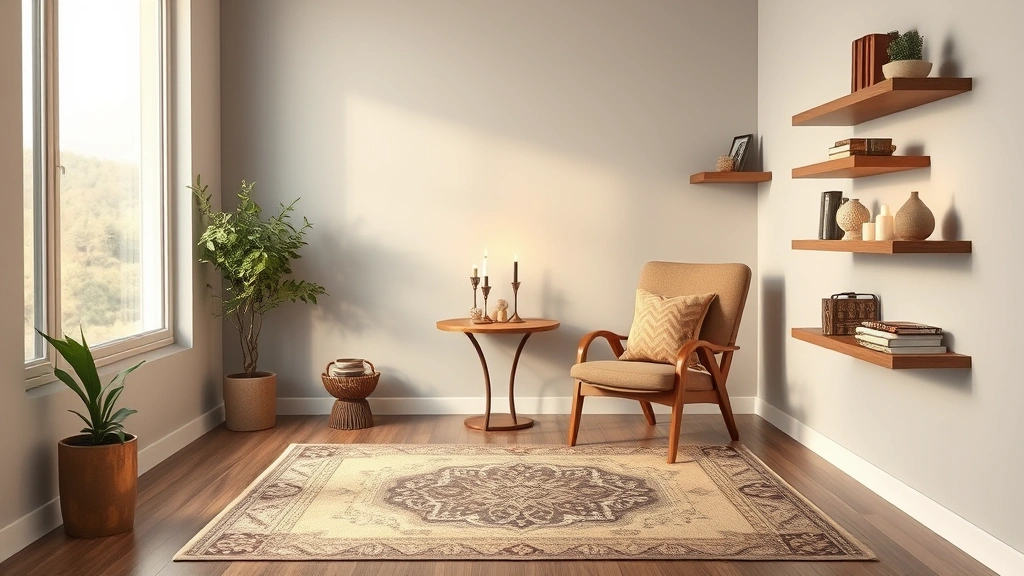
Lighting profoundly affects prayer room atmosphere. Avoid harsh overhead fluorescent lights that create institutional feelings. Instead, layer multiple light sources: soft ambient lighting from ceiling fixtures, task lighting for reading religious texts, and accent lighting highlighting focal points. Dimmers allow adjusting intensity to match your practice—brighter for studying scripture, dimmer for meditation.
Natural light is valuable but requires management. Sheer curtains diffuse direct sunlight, creating soft illumination without glare. If your prayer room lacks windows, consider full-spectrum LED bulbs mimicking natural light—research shows these support better circadian rhythm regulation and mood stability.
Candles add spiritual ambiance safely when used properly. LED candles eliminate fire risks while providing flicker effects. If using real candles, ensure adequate ventilation and never leave them unattended. Position candles away from curtains and flammable materials.
Acoustics transform prayer room effectiveness. Hard surfaces reflect sound, creating echoes that distract. Soft furnishings—rugs, curtains, upholstered chairs—absorb sound naturally. Acoustic panels mounted on walls look minimalist while absorbing noise. The goal is dead acoustics where sound stops quickly rather than lingering.
White noise machines or water features can mask external sounds. Some people use soft instrumental music or guided meditation recordings. Others prefer silence. Your acoustic treatment should support your preferred prayer environment.
If your prayer room adjoins noisy spaces, invest in soundproofing. Acoustic door seals, weatherstripping, and mass-loaded vinyl behind drywall significantly reduce sound transmission. This investment pays dividends in creating the undisturbed sanctuary you need.
Furniture and Fixtures
Prayer room furniture serves function and spirituality. A quality meditation cushion (zafu) supports extended sitting comfortably. Prayer benches with cushioned kneelers suit Christian traditions. Simple wooden chairs work universally. Avoid overly comfortable recliners that encourage sleep rather than alert contemplation.
Storage solutions keep religious texts, prayer beads, candles, and spiritual objects organized. Floating shelves display meaningful items without cluttering. Closed storage cabinets reduce visual distraction. If you’re handy with tools, DIY pallet projects can create rustic shelving affordably.
Altars or focal point tables serve as visual anchors. These can be simple—a small wooden table with a cloth—or elaborate depending on tradition. A Bible stand, Quran holder, or sacred text display creates intentional focal points. Ensure tables are sturdy and positioned at comfortable eye level when seated.
Seating arrangement matters spiritually and practically. If your prayer involves bowing or prostration, ensure adequate floor space. If you meditate seated, position furniture to face a meaningful direction—toward a window with nature views, toward religious artwork, or toward a particular compass direction (Mecca for Muslims, for example).
Consider air quality fixtures. An air purifier removes dust and allergens, supporting respiratory comfort during extended prayer sessions. Humidifiers in dry climates prevent discomfort. These utilities should operate quietly—noisy equipment disrupts contemplation.
Spiritual Decor and Personalization
Decor transforms a room into a spiritual sanctuary. Religious artwork—icons, paintings, sculptures, or photographs—creates visual focal points supporting your practice. Choose pieces that resonate personally rather than generic decorations. A single meaningful image often works better than multiple pieces creating visual chaos.
Natural elements enhance spiritual atmosphere. Plants bring life energy and improve air quality. Water features (fountains, water bowls) create soothing sounds and visual interest. Stones, crystals, or natural wood elements connect you to earth-based spirituality. Avoid plastic decorations that feel artificial and disconnected.
Textiles add warmth and comfort. Prayer rugs, meditation blankets, or cushion covers introduce color and texture intentionally. Choose natural fabrics—cotton, wool, linen—that feel authentic. Avoid synthetic materials that feel cheap and distract spiritually.
Scent influences spiritual experience powerfully. Incense, essential oil diffusers, or fresh flowers create olfactory cues signaling spiritual practice time. Lavender, frankincense, myrrh, sandalwood, and rose are traditionally spiritual scents. Ensure ventilation handles smoke or diffuser particles without creating stale air.
Personal touches matter most. Display photographs of spiritual mentors, family members, or meaningful places. Include prayer journals, inspirational books, or handwritten affirmations. Objects collected during spiritual journeys—stones from pilgrimage sites, shells from retreats, gifts from spiritual communities—personalize the space authentically.
Minimalism often serves prayer rooms better than abundance. Each object should serve purpose or carry spiritual meaning. Regularly evaluate whether items support or distract from your practice. The goal is purposeful simplicity, not sparse emptiness.
Consider how your prayer room appears to others respectfully. If family members or guests visit, ensure the space reflects your values without being preachy. Sacred spaces invite quiet respect naturally—people sense intentionality and honor it.
FAQ
Do I need a permit to build a prayer room?
Most residential prayer rooms under 70 square feet don’t require permits, but local building codes vary. Check with your municipal building department. If you’re adding permanent walls, electrical work, or converting conditioned space, permits likely apply. Permitted work ensures safety compliance and protects property value.
What’s the minimum size for an effective prayer room?
Effective prayer rooms range from 4×6 feet (24 square feet) to larger dedicated rooms. Size matters less than intention and functionality. A small closet converted thoughtfully outperforms a large room treated casually. Focus on comfort for your prayer practice rather than square footage.
Can prayer rooms be outdoors?
Absolutely. Outdoor prayer spaces—garden corners, covered patios, or dedicated meditation areas—work beautifully. Ensure weather protection (pergolas, covered structures), comfortable seating, and privacy screening. Outdoor spaces connect spirituality to nature powerfully.
How much does a DIY prayer room cost?
Costs vary dramatically. A simple room conversion with paint and basic furniture costs $200-500. Medium projects with soundproofing, new flooring, and quality furniture run $1,000-3,000. Elaborate dedicated rooms with construction work cost $3,000-10,000+. Budget according to your priorities and available funds.
What if I share my home with non-believers?
Create a respectful, private prayer space that honors your faith without imposing on others. Close doors ensure privacy. Explain the room’s purpose to family members matter-of-factly. Most people respect dedicated spiritual spaces. Establish boundaries about when the room is available for your practice.
Should I hire professionals or DIY everything?
DIY what you’re comfortable with—painting, furnishing, decorating. Consider professionals for electrical work, structural changes, or complex soundproofing. Professional work ensures safety compliance and often costs less than mistakes requiring correction.
How do I maintain a prayer room spiritually?
Regular cleansing keeps spaces spiritually vital. Dust surfaces mindfully, vacuum or sweep with intention, open windows for fresh air. Many traditions use smudging (burning sage or incense), salt, or water for energetic cleansing. Treat maintenance as spiritual practice rather than chore.


