Teach Your Child to Ride: Expert-Approved Tips for Success
Teaching your child to ride a bike is one of those milestone moments that combines physical development, confidence building, and outdoor adventure. Whether your son is just starting at age three or catching up at seven, the fundamentals remain consistent: patience, proper equipment, and a systematic approach. This guide walks you through proven methods used by certified cycling instructors and pediatric physical therapists to help your child master this essential skill safely and enjoyably.
The journey from training wheels to independent riding typically takes several weeks of consistent practice. Success depends less on age and more on your child’s physical readiness, confidence level, and your ability to provide encouraging, pressure-free instruction. Many parents find that breaking the learning process into manageable stages—rather than expecting immediate proficiency—dramatically improves outcomes and keeps the experience positive for both parent and child.
Assessing Your Child’s Readiness
Before investing time and energy into bike riding lessons, determine whether your child possesses the necessary physical and developmental prerequisites. Most children demonstrate readiness between ages three and five, though individual development varies significantly. Your son should have adequate gross motor skills, including the ability to run, jump, and maintain balance on one foot for at least ten seconds.
Physical readiness indicators include sufficient leg strength to pedal, coordination to manage multiple simultaneous tasks, and the cognitive ability to follow safety instructions. If your child struggles with basic balance activities like standing on one leg or walking a straight line, additional preparation may be beneficial. Consider consulting your pediatrician if you have concerns about developmental delays affecting motor skills.
Emotional readiness proves equally important. Your child should express genuine interest in riding rather than feeling pressured by peers or parents. Fear of falling is completely normal; acknowledge these concerns rather than dismissing them. Children who feel heard and supported develop greater courage than those pushed past their comfort zones.
Selecting the Right Bike and Safety Gear
Proper equipment makes an enormous difference in your child’s learning experience and safety. An oversized bike causes frustration and instability, while one that’s too small limits growth and comfort. When your child sits on the saddle with feet flat on the ground, there should be approximately one to two inches of clearance between the child’s body and the frame’s top tube. Your child’s toes should just touch the ground when seated, allowing them to stabilize themselves easily.
Wheel size matters significantly. Most children ages three to five ride 12-inch or 14-inch wheel bikes, while six to eight-year-olds typically use 16-inch to 20-inch models. Check the National Bicycle Dealers Association guidelines for precise sizing recommendations based on your child’s inseam measurement and height.
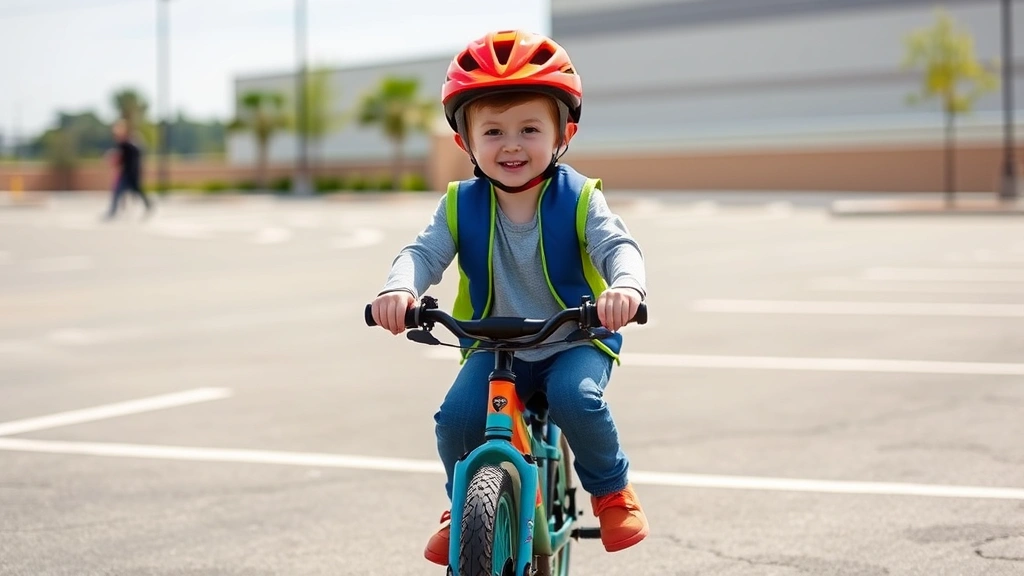
Safety gear is non-negotiable. A properly fitted helmet reduces head injury risk by up to 85 percent according to the Safe Kids organization. The helmet should sit level on your child’s head, covering the forehead without tilting backward or forward. The chin strap should be snug enough that you can fit only one finger underneath. Consider additional protective equipment including wrist guards, knee pads, and elbow pads, particularly for anxious children who may fall awkwardly.
Many parents find that letting their child choose helmet colors or designs increases willingness to wear protective gear consistently. Additionally, ensure the bike has functional brakes your child can operate with their hand strength, reflectors for visibility, and no protruding parts that could cause injury during falls.
Like planning a DIY basement finishing project, proper preparation and the right tools make all the difference in achieving your goals efficiently.
Mastering Balance Before Pedaling
The single most important skill your child must develop is balance. Counterintuitively, balance bikes—bicycles without pedals—have revolutionized how quickly children learn to ride. These tools allow your child to focus entirely on balance and steering without managing pedaling simultaneously.
If using a traditional bike, remove the pedals or use a pedal-removal tool to convert it temporarily. Your child should propel themselves forward using their feet, similar to a scooter motion. This method builds the precise balance adjustments necessary for independent riding without the cognitive overload of coordinating multiple body systems.
Start in a large, flat, obstacle-free area like a parking lot or park. Grass is actually counterproductive during this phase because it provides uneven terrain and slows momentum, making balance practice less effective. Your child should spend 20-30 minutes daily for one to two weeks developing confidence in this balanced position before introducing pedaling.
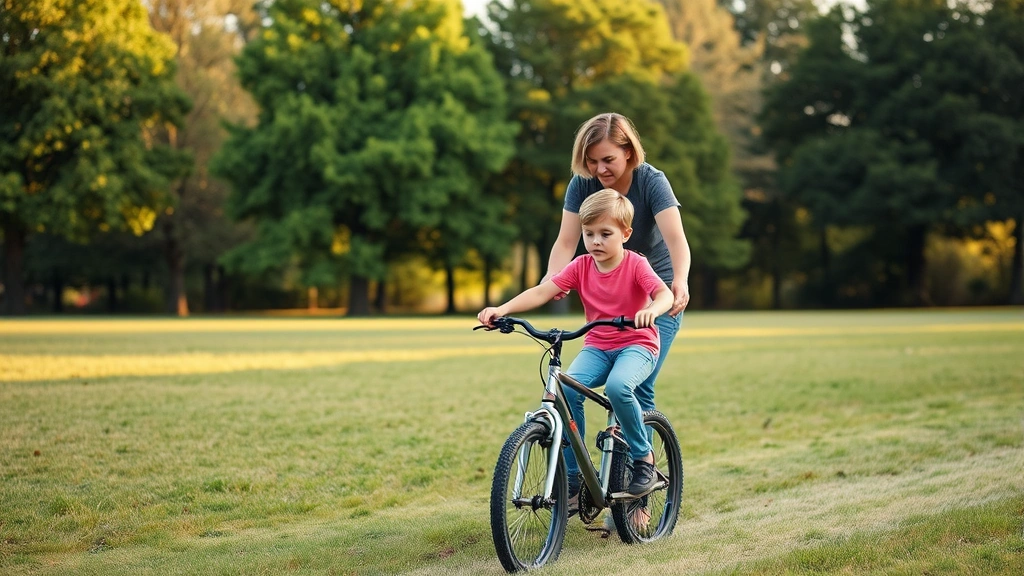
During this phase, your child will naturally discover how to correct balance by leaning and steering. Resist the urge to hold the bike constantly; instead, use light finger contact on the seat back only. Your goal is to be present without creating dependency. Gradually reduce your support as your child demonstrates stability, eventually removing your hands entirely while remaining close enough to catch them if needed.
Image placement marker:
Progressive Training Techniques
Once your child confidently balances while propelling with their feet, reattach the pedals or transition to a pedal-equipped bike. Begin with the seat lowered slightly so your child’s feet can still touch the ground easily while seated. This adjustment provides psychological security and practical stability.
Teach pedaling technique separately before combining it with balance and steering. Have your child practice the pedaling motion while sitting on a stationary bike or while you hold the bike steady. Explain that pedaling involves pushing down with one foot while the other rises naturally. Most children grasp this concept quickly through simple demonstration and repetition.
The next phase combines all skills: balance, steering, and pedaling. Continue using the same flat, open practice area. Position yourself beside the bike, maintaining light contact with the seat or a small riding handle if available. Your child should focus on looking ahead, not down at the ground or wheels—this fundamental principle applies throughout the learning process.
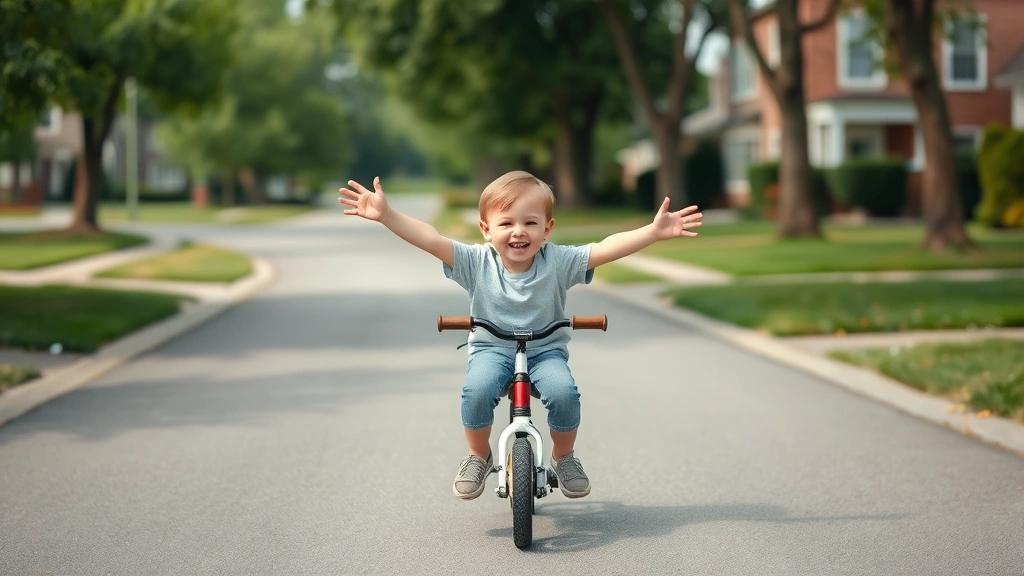
Encourage forward momentum gradually. A child moving at even three to four miles per hour maintains balance more easily than one moving slowly, as physics dictates that faster-moving objects are naturally more stable. Begin with gentle pushes to build momentum, then reduce your assistance as your child pedals independently.
Image placement marker:
Introduce gentle turns only after your child demonstrates comfortable pedaling and balance. Have them practice wide, gradual turns before attempting tighter curves. Explain that turning involves looking where they want to go and gently leaning the bike in that direction while steering the handlebars slightly.
Braking deserves dedicated practice. Teach your child to squeeze brake levers gradually rather than grabbing them suddenly, which can cause loss of control. Practice stopping repeatedly until your child can stop smoothly and safely from various speeds. This skill proves critical for accident prevention and confidence building.
Building Confidence and Independence
Psychological factors often determine success more than physical ability. Children who feel supported and encouraged progress faster than those experiencing pressure or criticism. Celebrate small victories enthusiastically—balancing for ten feet, completing a successful turn, or stopping smoothly without assistance.
Gradually reduce your physical support over multiple sessions. Transition from holding the seat constantly to holding only occasionally, then to running alongside without touching the bike, then to following at a distance. This graduated independence approach prevents the shock of sudden abandonment while building your child’s confidence progressively.
Introduce slightly more challenging terrain once your child demonstrates solid fundamentals on flat ground. Gentle slopes, smooth gravel paths, and slight curves present manageable challenges that build skills without overwhelming your learner. Always ensure these environments remain safe and obstacle-free.
Riding with other children of similar skill levels provides motivation and fun, though avoid situations where your child feels pressured to keep pace with more advanced riders. Group riding should feel inclusive and encouraging rather than competitive or discouraging.
Consider enrolling your child in structured cycling classes offered by local parks departments or certified instructors. These programs provide professional guidance, peer learning opportunities, and age-appropriate progression that complements home practice. Check with your local League of American Bicyclists chapter for recommended instructors in your area.
Common Challenges and Solutions
Fear of falling represents the most common obstacle to progress. Acknowledge this fear as legitimate rather than dismissing it. Explain that falling rarely causes serious injury when proper safety gear is worn. Demonstrate that you’ve fallen from bikes too and recovered fine. Some children benefit from intentionally practicing small, controlled falls on grass to demystify the experience and realize it’s survivable.
Difficulty balancing often indicates the bike is too large. Remeasure and adjust seat height if necessary. Some children benefit from training wheels initially, though research suggests balance bikes or pedal-free bikes accelerate learning compared to training wheels. Training wheels can create dependency and don’t teach the balance adjustments necessary for independent riding.
Pedaling coordination challenges occasionally occur in children with developmental delays or coordination issues. Break the pedaling motion into even smaller steps: practice only pushing down, then only lifting up, then combining them. Repetition and patience typically resolve these issues within weeks.
Steering difficulties usually stem from children looking down rather than ahead. Consistently redirect your child’s gaze to the horizon. Place a target or toy ahead and have your child pedal toward it, encouraging forward focus. This simple adjustment often immediately improves steering control.
Fear of speed develops when children progress too quickly to faster paces. Slow your training progression if your child seems anxious. Confidence builds through successful experiences at manageable speeds rather than premature advancement to speeds that trigger fear.
Loss of motivation occasionally happens during the learning process. Take breaks and return to practice when your child expresses renewed interest. Forcing reluctant practice often backfires. Some children need days or weeks between sessions before they’re psychologically ready for the next progression step. This variation is completely normal.
If your child experiences persistent difficulty despite consistent practice over several months, consult your pediatrician or a physical therapist specializing in pediatric development. Underlying coordination or balance disorders occasionally require professional assessment and intervention.
Just as DIY home security planning requires patience and systematic implementation, teaching bike riding benefits from a methodical, pressure-free approach that prioritizes safety and confidence over speed.
FAQ
What age should children start learning to ride bikes?
Most children demonstrate readiness between ages three and five, though individual development varies. Focus on your child’s physical and emotional readiness rather than age. Children should have adequate balance, leg strength, and genuine interest in learning. Starting too early often leads to frustration for both parent and child.
How long does it typically take to learn bike riding?
Most children require two to four weeks of consistent daily practice to transition from complete beginner to independent rider. However, some children need several months, while others progress faster. Duration depends on individual development, practice frequency, confidence level, and prior balance experience. Consistency matters more than duration.
Are training wheels necessary for learning to ride?
Research suggests balance bikes or pedal-free bikes actually accelerate learning compared to training wheels. Training wheels can create dependency and don’t teach the balance adjustments necessary for independent riding. However, training wheels cause no harm if used briefly during transition phases. Consider them optional rather than essential.
What should I do if my child is afraid of falling?
Fear of falling is completely normal. Acknowledge the fear rather than dismissing it. Ensure proper protective gear is worn so your child feels secure. Some children benefit from practicing controlled falls on grass to realize they’re survivable. Progress slowly through the learning stages, never rushing your child beyond their comfort zone. Patience and encouragement gradually build confidence.
How do I know if the bike fits properly?
When your child sits on the saddle with feet flat on the ground, there should be approximately one to two inches of clearance between the child’s body and the frame’s top tube. Your child’s toes should just touch the ground when seated. Wheel size should match your child’s height and inseam measurement. An improperly fitted bike frustrates learning and creates safety issues.
What safety gear is absolutely essential?
A properly fitted helmet is non-negotiable—it reduces head injury risk by up to 85 percent. Wrist guards, knee pads, and elbow pads provide additional protection, particularly for anxious children who may fall awkwardly. All protective gear should fit properly and be worn every time your child rides. Let your child choose colors or designs to increase compliance with wearing gear consistently.
Should I hold the bike while my child learns?
Light support during initial learning helps your child feel secure while developing balance. However, excessive holding creates dependency. Use a graduated approach: maintain seat contact initially, then reduce contact gradually, eventually running alongside without touching the bike. Your goal is to be present without creating reliance on your physical support.
How can I help my child overcome steering difficulties?
Steering problems usually stem from children looking down rather than ahead. Consistently redirect your child’s gaze to the horizon. Place a target or toy ahead and have your child pedal toward it. This simple adjustment often immediately improves steering control. Steering improves naturally as balance and confidence develop.


