
Airplane Takeoff Speed: Pilot Insights on How Fast Airplanes Go to Take Off
Understanding airplane takeoff speeds is fundamental to grasping how modern aviation operates safely and efficiently. When you sit in a commercial aircraft and feel that powerful acceleration down the runway, multiple factors are working in precise coordination to determine exactly how fast that plane needs to travel before becoming airborne. The answer isn’t simply a single number—it’s a complex calculation involving aircraft weight, atmospheric conditions, runway length, and aerodynamic principles that pilots train extensively to master.
Whether you’re a frequent flyer curious about the mechanics of flight or someone interested in how DIY projects in various fields apply technical knowledge, understanding takeoff speeds provides insight into one of humanity’s greatest engineering achievements. This comprehensive guide explores the science behind airplane acceleration, the variables that influence takeoff velocity, and the critical safety systems pilots rely upon during this crucial phase of flight.
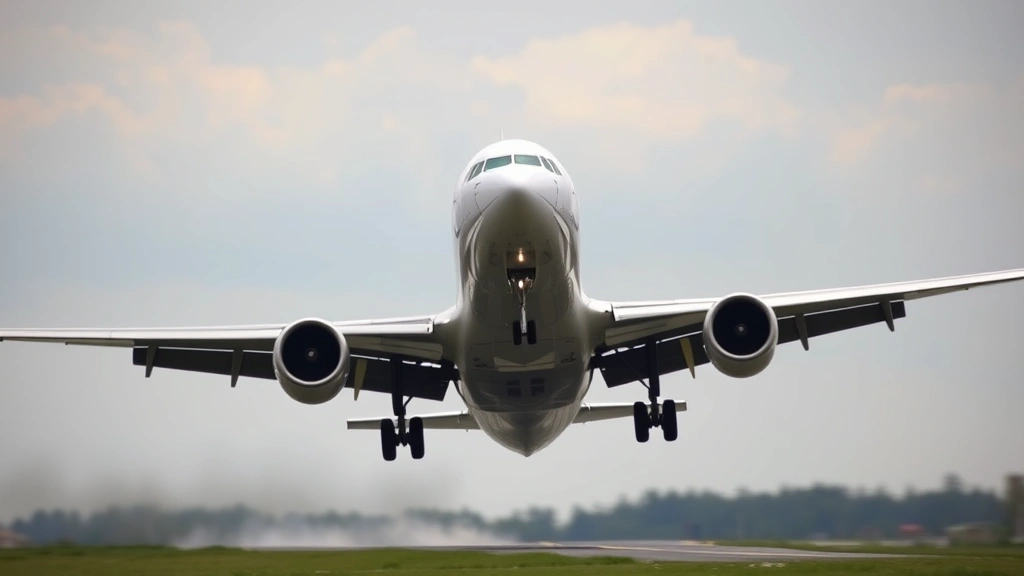
What is Takeoff Speed and Why It Matters
Takeoff speed, technically known as V1 speed or rotation speed (Vr), represents the minimum velocity at which an aircraft generates sufficient aerodynamic lift to overcome its weight and become airborne. This isn’t a random figure—it’s calculated precisely for each individual flight based on comprehensive data analysis. Pilots must understand that takeoff speed is mission-critical because flying too slowly means the aircraft won’t generate adequate lift, while flying faster than necessary wastes fuel and extends runway requirements unnecessarily.
The three primary speed markers pilots monitor during takeoff are V1 (decision speed), Vr (rotation speed), and V2 (takeoff safety speed). V1 is the point of no return—beyond this speed, the pilot must commit to takeoff even if an engine fails. Vr is when the pilot physically pulls back on the control yoke to pitch the nose upward. V2 is the guaranteed safe climbing speed after liftoff. Understanding these distinctions is essential for safe flight operations, much like understanding home security system components is crucial for protecting your residence.

Typical Commercial Aircraft Takeoff Speeds
Commercial aircraft display remarkable variation in takeoff speeds depending on their size, design, and intended use. A Boeing 737, one of the world’s most common narrow-body aircraft, typically requires takeoff speeds between 150 to 180 miles per hour (240 to 290 kilometers per hour). The larger Boeing 777, a wide-body aircraft designed for long-haul flights, needs approximately 160 to 180 mph (260 to 290 km/h) despite weighing significantly more due to its advanced aerodynamic design.
The Airbus A380, the world’s largest passenger airliner, requires takeoff speeds around 150 to 180 mph (240 to 290 km/h), which seems counterintuitive given its enormous size and weight. Regional turboprops like the Bombardier Q400 take off at much lower speeds, around 90 to 110 mph (145 to 180 km/h), making them practical for shorter runways. These variations demonstrate how modern engineering optimizes lift generation across different aircraft types, similar to how basement finishing projects require different structural considerations depending on existing conditions.
Interestingly, smaller aircraft like the Cessna 172 take off at speeds as low as 50 to 60 mph (80 to 97 km/h), while high-performance military jets may require speeds exceeding 200 mph (320 km/h). These differences highlight how aerodynamic design, engine power, and wing configuration dramatically influence the velocity needed for flight.
Factors Affecting Takeoff Velocity
Multiple variables influence the exact takeoff speed required for any given flight. Aircraft weight stands as the primary factor—a fully loaded aircraft with maximum passengers, cargo, and fuel requires higher speeds than one carrying minimal payload. Pilots calculate weight and balance meticulously before every flight, as this directly determines V1, Vr, and V2 speeds.
Atmospheric density profoundly affects takeoff requirements. High-altitude airports with thin air (Denver, Mexico City) demand longer runways and higher ground speeds because the thin atmosphere provides less lift at lower velocities. Conversely, sea-level airports with dense air enable shorter takeoff distances. Temperature also matters significantly—hot days reduce air density, requiring faster ground speeds and longer runways compared to cold days at the same location.
Runway conditions influence pilot decisions substantially. Wet or contaminated runways increase friction and reduce braking effectiveness, requiring longer takeoff distances and potentially higher speeds. Wind direction is critical—a headwind reduces the ground speed needed to achieve takeoff airspeed, while a tailwind increases runway requirements dramatically. Pilots always prefer taking off into the wind when possible, much like how DIY car repairs require understanding directional flow in mechanical systems.
Aircraft configuration significantly impacts takeoff speed. Flap settings create additional lift during takeoff, reducing the airspeed needed. Pilots select appropriate flap angles based on runway length and weather conditions. Longer runways might allow reduced flap settings to minimize noise, while short runways require maximum flap extension to achieve sufficient lift at lower speeds.
The Physics of Aerodynamic Lift
Takeoff speed ultimately depends on aerodynamic principles governing how wings generate lift. Bernoulli’s Principle and Newton’s Third Law work together to create the upward force that overcomes an aircraft’s weight. As air flows over the curved upper wing surface faster than the lower surface, pressure differential develops, creating lift. Simultaneously, the wing’s angle of attack deflects air downward, generating reaction force upward.
The relationship between speed and lift is not linear—lift increases with the square of velocity. This means doubling speed quadruples lift generation. Therefore, pilots need only modest speed increases to achieve significant lift increases. This principle explains why small incremental speed gains near takeoff speed can make the difference between successful liftoff and runway overrun.
Wing area and design also determine lift generation. Larger wings produce more lift at any given speed, allowing heavier aircraft to take off at reasonable speeds. Modern aircraft employ sophisticated wing designs with winglets and laminar flow concepts to maximize lift efficiency. The angle of attack—the angle between the wing and oncoming air—is critical; too steep an angle causes aerodynamic stall, while shallow angles produce insufficient lift.
Runway Requirements and Distance Calculations
Takeoff speed directly determines runway length requirements. Pilots and airport planners must ensure sufficient runway available before committing to takeoff. The Federal Aviation Administration (FAA) mandates that runways accommodate aircraft with appropriate safety margins. A typical commercial runway of 10,000 feet (3,048 meters) accommodates most wide-body aircraft, while regional airports may have 5,000-foot (1,524-meter) runways suitable for smaller aircraft.
Takeoff distance calculations include the ground roll (distance until liftoff) plus climb distance to reach 35 feet altitude. Pilots use performance charts provided by manufacturers to determine whether their specific aircraft, at its calculated weight, with current atmospheric conditions and runway state, can safely take off. These calculations incorporate safety factors—aircraft must be capable of takeoff within 60 percent of available runway length in normal conditions, allowing 40 percent safety margin.
When conditions deteriorate—high temperature, high altitude, short runway, or heavy weight—pilots may reduce payload or request fuel offload to decrease takeoff speed requirements. In extreme cases, flights are delayed or cancelled rather than risk attempting takeoff with insufficient runway margin. This conservative approach reflects aviation’s safety-first culture, comparable to how DIY science experiments require careful safety protocols before proceeding.
Pilot Training and Takeoff Procedures
Commercial pilot training emphasizes takeoff procedures extensively because this phase presents significant risk. Pilots practice calculating V-speeds for every possible combination of weight, weather, and runway conditions. Flight simulators allow pilots to experience rejected takeoffs—situations where pilots must abort the takeoff attempt after deciding something is unsafe.
Standard takeoff procedure requires pilots to configure the aircraft (set flaps, trim controls, and systems), verify takeoff clearance from air traffic control, align with runway centerline, and advance throttles smoothly to takeoff power. As the aircraft accelerates, pilots monitor airspeed indicators and cross-check flight instruments continuously. At Vr, the pilot rotates the control yoke smoothly, pitching the nose up to achieve the target angle of attack for liftoff.
The rotation moment is critical—rotating too early at insufficient speed can cause a tail strike or stall, while rotating too late extends ground roll unnecessarily. Experienced pilots develop intuitive feel for rotation timing through thousands of hours of practice. After liftoff, pilots retract landing gear and flaps progressively as speed increases, transitioning to climb configuration.
Rejected takeoff procedures require pilots to recognize problems quickly—engine failure, warning indicators, or ground conflicts—and make split-second decisions to abort. Pilots must apply maximum reverse thrust and brakes to stop within available runway. This scenario is practiced repeatedly in simulators because real-world rejected takeoffs are rare but demand immediate decisive action.
Safety Systems and Emergency Protocols
Modern aircraft incorporate multiple redundant systems ensuring safe takeoff operations. Terrain Awareness and Warning System (TAWS) alerts pilots if the aircraft is in danger of striking terrain during takeoff or climb. Traffic Collision Avoidance System (TCAS) monitors airspace around the aircraft and warns of other aircraft conflicts. These systems provide crucial safety layers during the vulnerable takeoff phase.
Engine failure during takeoff represents the most serious emergency pilots face. Modern aircraft are certified to continue safely to altitude even with one engine inoperative, provided the failure occurs after V1 speed. This certification requires demonstrating that the aircraft can maintain positive climb rate and clear all obstacles with one engine at takeoff power and the other at idle. Pilots train extensively for engine failure scenarios, learning to recognize the problem immediately and execute appropriate procedures.
Runway incursion prevention systems use ground radar and visual alerts to warn pilots of obstacles on the runway. Runway Safety Monitoring System alerts air traffic controllers of potential conflicts, allowing them to prevent accidents before they occur. These technological safeguards supplement pilot vigilance and procedural compliance.
Weather monitoring during takeoff preparation is critical. Pilots review weather reports, wind data, and runway conditions before calculating takeoff speeds. Severe weather such as thunderstorms, microbursts, or wind shear can create dangerous takeoff conditions requiring delays. The International Civil Aviation Organization (ICAO) establishes international standards for takeoff operations, ensuring consistency across global aviation.
Modern Technology in Takeoff Operations
Contemporary aircraft employ sophisticated technology optimizing takeoff performance. Fly-by-wire systems in modern aircraft like the Airbus A350 and Boeing 787 use computers to manage control surfaces, ensuring pilots never exceed safe flight envelope limits. These systems calculate optimal control inputs automatically, reducing pilot workload during critical phases.
Advanced performance management systems calculate takeoff speeds and procedures automatically, reducing manual calculation and human error potential. Pilots input aircraft weight, runway parameters, and weather data; the system provides precise V-speeds and performance predictions. This automation enhances safety while allowing pilots to focus on overall flight management.
Real-time weather monitoring provides wind shear detection and microburst warnings during takeoff. Doppler radar and automated weather systems give pilots current information about atmospheric hazards. If dangerous wind shear is detected, pilots may delay takeoff or request a different runway.
Sustainable aviation initiatives are developing aircraft requiring lower takeoff speeds through advanced aerodynamics and lighter composite materials. Electric and hybrid-electric aircraft will eventually operate with significantly different takeoff characteristics. These future developments promise to make aviation even safer and more efficient, much like how transportation innovations continuously improve travel efficiency across industries.
Noise abatement procedures increasingly influence takeoff operations at urban airports. Reduced flap settings and shallow climb angles minimize noise impact on surrounding communities, though these procedures may increase fuel consumption slightly. Balancing environmental considerations with operational efficiency represents an ongoing challenge for modern aviation.
FAQ
What is the average takeoff speed for a commercial airliner?
Most commercial aircraft take off between 150 and 180 miles per hour (240 to 290 kilometers per hour). Specific speeds depend on aircraft type, weight, atmospheric conditions, and runway configuration. Larger aircraft like the Boeing 777 and Airbus A380 take off within this range despite their massive size due to advanced wing designs and powerful engines.
Why do different aircraft have different takeoff speeds?
Takeoff speed depends on wing design, engine power, aircraft weight, and aerodynamic efficiency. Smaller aircraft with efficient wings relative to their weight can take off slower, while larger, heavier aircraft require higher speeds to generate sufficient lift. Military jets with powerful engines may need higher speeds to manage their weight and performance requirements.
Can pilots adjust takeoff speed?
Pilots cannot arbitrarily change takeoff speed—it’s calculated precisely for each flight based on aircraft weight, atmospheric conditions, and runway parameters. However, pilots can influence takeoff speed indirectly by adjusting flap settings, reducing aircraft weight through fuel offload, or requesting a different runway if available.
What happens if an aircraft doesn’t reach takeoff speed?
If an aircraft fails to reach takeoff speed, it won’t generate sufficient lift to overcome its weight and will remain earthbound. The aircraft will reach the end of the runway still on the ground. This scenario is prevented through careful performance calculations ensuring adequate runway is available for any aircraft attempting takeoff.
How do pilots know when to rotate the aircraft during takeoff?
Pilots monitor airspeed indicators continuously during takeoff. When the airspeed reaches calculated Vr (rotation speed), pilots smoothly pull back on the control yoke, pitching the nose up. Modern aircraft also feature audio callouts and visual indicators alerting pilots when rotation speed is reached, reducing the chance of premature or delayed rotation.
Does wind affect takeoff speed?
Wind significantly affects takeoff distance but not the airspeed needed for liftoff. A headwind reduces ground speed required to achieve takeoff airspeed, shortening takeoff distance. A tailwind increases ground speed needed, extending takeoff distance. Pilots always prefer taking off into the wind when possible, and strong tailwinds may prevent takeoff if runway is insufficient.


