Grow Grass Faster: Expert Tips & Timeline
Establishing a lush, healthy lawn doesn’t happen overnight, but with the right approach, you can significantly accelerate grass growth and achieve results faster than traditional methods. Whether you’re overseeding a patchy yard, starting from scratch, or recovering from damage, understanding the grass growth timeline and implementing proven acceleration techniques will help you reach your landscaping goals more efficiently.
The question of how long does grass take to grow depends on multiple factors including grass type, climate conditions, soil quality, and maintenance practices. Most grass seeds germinate within 7-14 days, but establishing a mature, dense lawn typically requires 4-6 weeks of consistent care. However, by optimizing your approach, you can compress this timeline considerably and enjoy a vibrant lawn sooner than expected.
Understanding Grass Growth Timeline
Grass growth follows a predictable biological sequence, though timing varies based on grass species and environmental conditions. The germination phase typically occurs within 7-14 days after seed contact with moist soil. During this critical period, the seed absorbs water, activates enzymes, and the root emerges downward while the shoot pushes upward.
Following germination, the seedling establishment phase spans 2-3 weeks. Young grass plants develop their root systems, expand leaf tissue, and begin photosynthesis. This stage is crucial for determining overall lawn health and density. The shoots grow taller while roots establish themselves 2-4 inches deep, anchoring the plant and accessing moisture and nutrients.
The maturation phase extends from weeks 4-8, when the lawn becomes dense enough for light foot traffic and develops its characteristic appearance. Root systems deepen to 6-12 inches, and the grass plant begins producing tillers—additional shoots that increase density. For warm-season grasses like Bermuda and St. Augustine, this phase may extend 8-12 weeks due to slower initial growth rates.
Cool-season grasses such as fescue, bluegrass, and ryegrass typically germinate faster (5-10 days) and establish more quickly than warm-season varieties. Understanding whether your lawn contains cool or warm-season grass is fundamental to setting realistic growth expectations and implementing appropriate acceleration techniques.
Seed Selection and Preparation
Choosing the correct grass seed is the foundation for accelerated growth. Select seed varieties suited to your USDA hardiness zone and local climate conditions. Seed quality significantly impacts germination rates and establishment speed. Premium-grade seed contains higher percentages of pure live seed (PLS) and fewer weeds and inert materials, resulting in faster, more uniform germination.
Before planting, conduct a soil test through your local USDA Natural Resources Conservation Service office to identify pH levels and nutrient deficiencies. Most grasses prefer soil pH between 6.0-7.0. Adjusting pH before seeding accelerates nutrient availability and root development.
Seed preparation involves several pre-planting steps. Scarify your lawn by using a dethatcher or power rake to remove dead grass and create soil contact. This mechanical preparation increases seed-to-soil contact, which is essential for consistent germination. Remove rocks, debris, and old thatch before spreading seed.
Consider using seed coatings or inoculants that contain beneficial microorganisms and growth-promoting compounds. These treatments can reduce germination time by 1-2 days and strengthen seedling vigor. Pelleted seed varieties are easier to spread evenly and reduce the need for multiple passes with your spreader, ensuring uniform growth across your lawn.
Soil Preparation for Maximum Growth
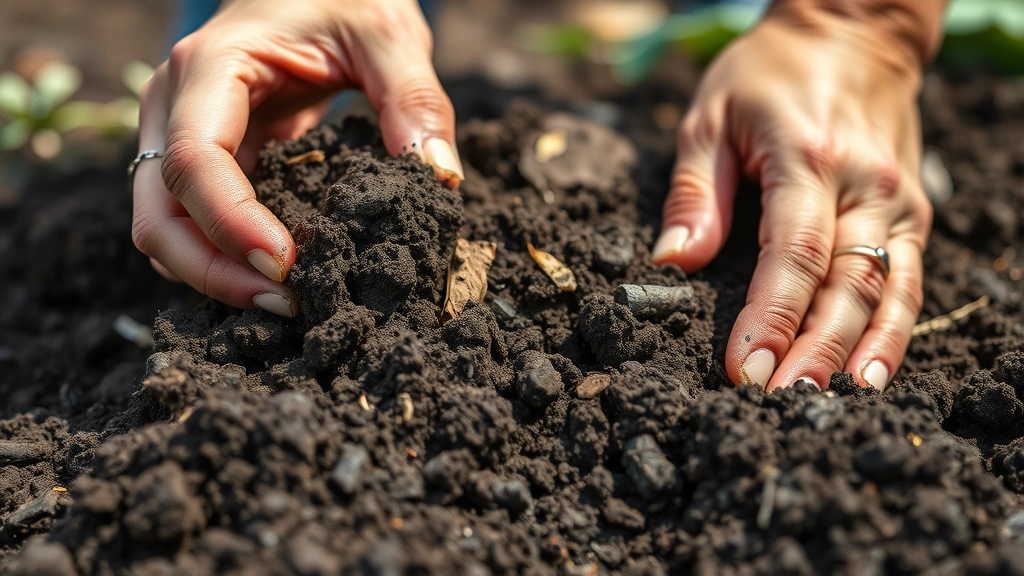
Excellent soil preparation is perhaps the single most important factor for accelerating grass growth. Soil structure, composition, and biology directly determine how quickly seeds germinate and establish roots. Begin by loosening compacted soil to a depth of 6-8 inches using a tiller or similar equipment. Compacted soil restricts root penetration and water infiltration, significantly slowing growth.
Incorporate organic matter such as compost into the top 4-6 inches of soil. Aim for 2-4 cubic yards of high-quality compost per 1,000 square feet. Organic matter improves soil structure, increases water-holding capacity, enhances microbial activity, and provides slow-release nutrients. This amendment is particularly valuable for clay or sandy soils that lack biological activity.
Adjust soil pH if testing indicates acidic or alkaline conditions. Add agricultural limestone to raise pH or sulfur to lower it, following test recommendations precisely. pH corrections should occur 4-6 weeks before seeding to allow proper soil chemistry adjustment. Neutral pH maximizes nutrient availability, accelerating nutrient uptake by young grass plants.
Address drainage issues before seeding. Waterlogged soil promotes fungal diseases and root rot, while excessively fast-draining sandy soil dries out too quickly. Install drainage systems if necessary, or amend soil structure to improve water retention without creating anaerobic conditions. Proper drainage balance is critical for consistent, rapid growth.
Consider applying mycorrhizal fungi and beneficial bacteria inoculants directly to soil before seeding. These microorganisms enhance root development and nutrient uptake, potentially reducing establishment time by 1-2 weeks. These biological amendments are particularly effective in poor-quality or previously contaminated soil.
Watering Strategies for Rapid Development
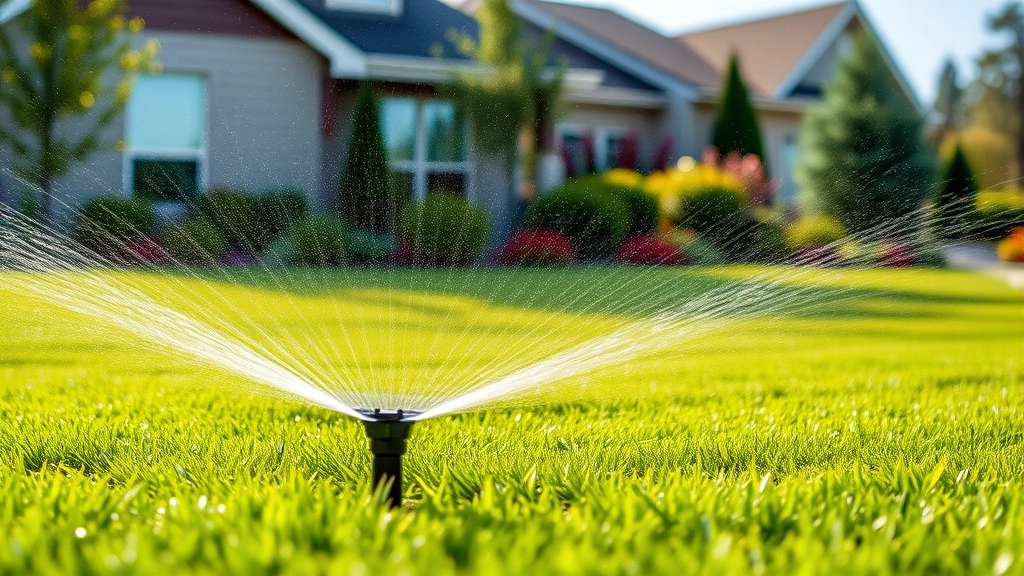
Water management is absolutely critical during the germination and establishment phases. Seeds must remain consistently moist—not waterlogged—for 10-14 days following application. Implement a light misting schedule 2-4 times daily during the first two weeks, keeping the top ½ inch of soil continuously moist. This frequent, light irrigation promotes rapid germination without encouraging fungal diseases.
After germination, transition to deeper, less frequent watering. Water to a depth of 1-2 inches per application, allowing soil to dry slightly between waterings. This encourages deeper root development and stronger plant establishment. Most newly seeded lawns require 1-1.5 inches of total water weekly during the establishment phase, whether from rainfall or irrigation.
Time watering applications for early morning hours (4-8 AM) to minimize evaporation and reduce fungal disease pressure. Avoid evening watering, which leaves grass wet overnight and promotes disease development. Use a rain gauge to measure actual water application and adjust schedules accordingly.
Monitor soil moisture by inserting a screwdriver or soil probe into the ground. Soil should be moist to a depth of 2-3 inches during germination and 4-6 inches during establishment. Inconsistent watering is one of the primary causes of slow growth and patchy germination, so invest in a quality irrigation system or timer to maintain consistency.

Fertilization and Nutrient Management
Proper nutrition accelerates grass growth dramatically, but timing and formulation are critical. Apply a starter fertilizer with elevated phosphorus content (middle number) immediately before or after seeding. This formulation promotes root development, which is the foundation for rapid shoot growth. A typical starter formula might be 10-20-10 (nitrogen-phosphorus-potassium ratio).
Follow up with a second application of starter fertilizer 3-4 weeks after seeding, once seedlings have developed 3-4 leaves. This application supports continued root expansion and shoot development during the critical establishment phase. Never apply full-strength lawn fertilizer to seedlings, as high nitrogen levels can burn tender tissue.
Transition to a balanced maintenance fertilizer (15-15-15 or similar) once your lawn reaches 3-4 inches of height and has been mowed once. Maintain a regular fertilization schedule every 6-8 weeks during the growing season. Consistent nutrition prevents nutrient deficiencies that slow growth and weaken disease resistance.
Consider slow-release or organic fertilizers over quick-release synthetic formulations for new lawns. These products provide steady nutrient availability over extended periods, reducing burn risk and promoting consistent growth. Organic options also improve soil biology and structure, supporting long-term lawn health beyond just the establishment phase.
Micronutrients including iron, manganese, and zinc are often overlooked but essential for rapid growth. If soil testing indicates deficiencies, apply chelated micronutrient products according to label directions. Iron applications, in particular, can significantly enhance color and growth rate within 2-3 weeks.
Temperature and Climate Optimization
Grass growth is fundamentally dependent on soil and air temperature. Cool-season grasses grow fastest in spring and fall when temperatures range 60-75°F. Warm-season grasses require soil temperatures above 70°F for active growth, with peak growth occurring at 80-90°F. Planting during optimal temperature windows accelerates establishment significantly.
For cool-season grass in northern regions, seed in early fall (August-September) or early spring (March-April) to take advantage of natural temperature conditions. Fall seeding often produces superior results because soil temperatures remain warm while air temperatures cool, reducing heat stress on young plants.
For warm-season grass in southern regions, seed after soil temperatures consistently reach 70°F, typically late spring (May-June). Wait until soil has warmed thoroughly, as premature seeding in cool soil results in poor germination and slow development. A soil thermometer is invaluable for determining optimal seeding timing.
Protect young seedlings from temperature extremes. Use shade cloth during intense heat waves to prevent heat stress and excessive evaporation. Similarly, avoid seeding just before frost events that could kill tender seedlings. Monitor weather forecasts carefully and time seeding 1-2 weeks before favorable growing conditions.
Climate-controlled irrigation systems that respond to soil moisture and temperature conditions optimize growth rates throughout establishment. These systems prevent both under- and over-watering, which are primary causes of slow growth and establishment failure.
Mowing and Maintenance Techniques
Proper mowing practices directly influence grass growth rate and lawn density. Begin mowing once grass reaches 3-4 inches of height, removing no more than one-third of the blade length per mowing. This “one-third rule” maintains adequate leaf area for photosynthesis while stimulating tiller production and density development.
Keep mower blades sharp to ensure clean cuts that heal quickly. Dull blades tear grass tissue, creating ragged edges that promote disease and slow recovery. Sharp blades allow grass to redirect energy toward growth rather than wound healing. Sharpen blades every 5-8 mowing sessions or when performance noticeably declines.
Gradually lower mowing height as the lawn matures. Begin at 3-4 inches, then reduce to 2.5-3.5 inches by week 6-8. Never cut below species-specific recommendations, as this stresses plants and slows growth. Most quality turf grasses perform best at 2.5-3.5 inches, though specific recommendations vary by grass type.
Leave grass clippings on the lawn to decompose and return nutrients to soil. This practice, called “grasscycling,” provides continuous nutrient recycling that accelerates growth and reduces fertilizer requirements. Clippings decompose within 2-3 weeks, enriching soil biology and structure.
Avoid foot traffic on newly seeded or establishing lawns for at least 4 weeks. Walking on young grass compacts soil, damages fragile plants, and slows growth. Clearly mark off seeded areas and restrict access until the lawn is fully established and can tolerate normal use.
Common Growth Problems and Solutions
Slow or uneven germination often results from poor seed-to-soil contact. Ensure adequate soil preparation and use a roller after seeding to press seeds into soil. If germination appears patchy, overseed thin areas after initial establishment has begun.
Fungal diseases including damping-off and pythium can devastate young seedlings, particularly in warm, wet conditions. Prevent disease by avoiding evening watering, ensuring adequate air circulation, and reducing watering frequency once seedlings emerge. If disease appears, apply fungicide products labeled for turfgrass seedlings according to EPA label directions.
Nutrient deficiencies manifest as yellowing, purple discoloration, or stunted growth. Conduct soil testing to identify specific deficiencies and apply appropriate amendments. Nitrogen deficiency is most common in new lawns and responds quickly to fertilizer application.
Weed competition significantly slows grass establishment by consuming water and nutrients. Apply pre-emergent herbicides before seeding to prevent weed germination. Once grass is established (4+ weeks), selective post-emergent herbicides can control broadleaf weeds without harming grass. When creating a garden area, consider how lawn edges might benefit from weed prevention.
Compacted soil restricts root development and water infiltration, severely limiting growth. If soil compaction is severe, aerate established lawns using a core aerator. This mechanical treatment creates channels for root penetration and improves oxygen availability to soil microorganisms.
Inadequate light prevents photosynthesis and slows growth dramatically. Ensure at least 4-6 hours of direct sunlight daily. Prune overhanging tree branches and thin dense shade if possible. For shaded areas, select shade-tolerant grass varieties that establish more quickly under reduced light conditions.
FAQ
How long does grass seed take to germinate?
Most grass seeds germinate within 7-14 days under optimal conditions. Cool-season grasses typically germinate faster (5-10 days) than warm-season varieties (10-14 days). Germination speed depends on seed quality, soil temperature, moisture consistency, and seed-to-soil contact. Soil temperatures between 65-75°F produce fastest germination.
Can I speed up grass growth after mowing?
Yes, proper post-mowing care accelerates recovery. Maintain sharp mower blades, follow the one-third rule, and leave clippings for nutrient recycling. Apply balanced fertilizer 1-2 weeks after mowing to support regrowth. Consistent watering and adequate sunlight also accelerate post-mowing recovery and overall growth rates.
What’s the fastest-growing grass type?
Perennial ryegrass is among the fastest-establishing cool-season grasses, achieving usable density within 4-6 weeks. Warm-season grasses like Bermuda establish more slowly (8-12 weeks) but provide superior heat tolerance. For specific recommendations, consult your local turfgrass society regarding species suited to your region.
How often should I water new grass seed?
During germination (first 10-14 days), water 2-4 times daily with light misting to keep the top ½ inch consistently moist. After germination, transition to deeper, less frequent watering—1-1.5 inches weekly applied in 1-2 sessions. Adjust based on rainfall and local humidity conditions.
When can I walk on newly seeded grass?
Avoid foot traffic for at least 4 weeks after seeding. Once grass reaches 3-4 inches and has been mowed once, light foot traffic is acceptable. Full normal use is safe after 6-8 weeks of establishment. Premature traffic compacts soil and damages fragile plants, significantly slowing growth.
Can fertilizer help grass grow faster?
Absolutely. Proper fertilization accelerates growth significantly by providing essential nutrients for photosynthesis and plant development. Use starter fertilizer formulations with elevated phosphorus for new lawns, then transition to balanced maintenance fertilizers. Regular feeding every 6-8 weeks maintains optimal growth rates throughout the season.
What soil pH is best for fast grass growth?
Most grasses prefer soil pH between 6.0-7.0 for optimal nutrient availability and growth. Conduct a soil test to determine your lawn’s pH, then adjust if necessary. pH corrections should occur 4-6 weeks before seeding to allow proper chemical adjustment. Neutral pH significantly accelerates nutrient uptake and growth rates.


