Build a Shed? Expert Time Estimates Inside
Building a shed is one of the most rewarding DIY projects you can tackle, but understanding the timeline is crucial for proper planning and execution. Whether you’re constructing a small garden storage shed or a larger workshop structure, knowing how long each phase takes helps you allocate resources, manage expectations, and avoid costly mistakes. Most homeowners underestimate shed construction timelines, which can lead to incomplete projects and frustrated neighbors.
The duration of your shed build depends on multiple factors: shed size, complexity, your experience level, local weather conditions, material choices, and whether you’re working solo or with helpers. A basic 8×10 shed might take 40-80 hours of actual work spread over 2-4 weeks, while larger or more complex designs could extend to 8-12 weeks. This comprehensive guide breaks down every phase of shed construction with realistic time estimates and professional insights to keep your project on track.
Planning, Design & Permits (1-3 Weeks)
The pre-construction phase is where many DIYers rush, but investing proper time here prevents expensive rework later. Start by selecting your shed design—whether purchasing plans online, using software, or hiring a designer. This takes 3-7 days depending on complexity. Basic rectangular sheds with standard pitch roofs are faster to plan than gambrel or specialty designs.
Next comes the critical permit phase. Check your local International Code Council building codes and municipality requirements. Most jurisdictions require permits for sheds larger than 200 square feet or those within setback distances from property lines. Permit applications typically take 5-14 days for approval, though some areas extend to 30 days. You’ll need detailed drawings showing dimensions, materials, foundation type, and roof pitch. Consider hiring a professional drafter for $200-400 to ensure compliance—this investment saves time dealing with permit rejections.
During this phase, also order long-lead materials like specialty roofing or siding. Many suppliers have 2-4 week lead times, so ordering early prevents construction delays. Visit your local building department in person rather than submitting by mail; you’ll resolve questions immediately rather than waiting for correspondence.
Foundation & Site Preparation (3-7 Days)
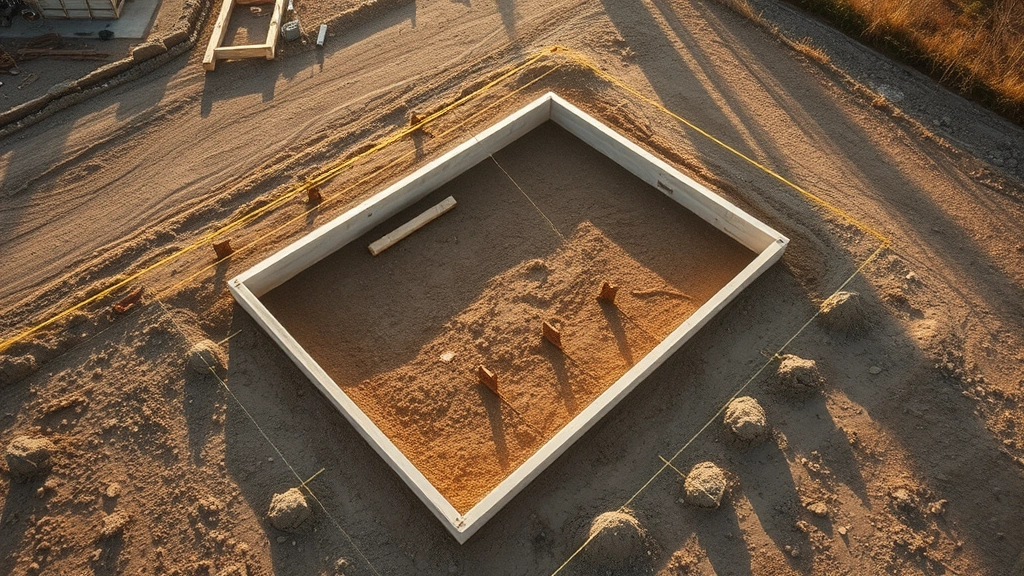
A solid foundation determines your entire project’s success and timeline. First, prepare the site by clearing vegetation, removing debris, and establishing level ground. For a standard 8×10 shed, expect 4-8 hours of site work. Mark corners using batter boards and string—this takes 1-2 hours and prevents costly framing errors.
Foundation options affect timeline significantly. Concrete piers (the most common DIY choice) require digging post holes 2-3 feet deep, setting posts, and curing. Plan 1-2 days for this phase. Concrete pad foundations take longer: excavation (4-6 hours), forming (4-6 hours), pouring (2-4 hours), and curing (7 days minimum before framing). Gravel foundations are fastest (4-6 hours) but provide less longevity.
Weather impacts this phase heavily. Rain delays concrete curing, and frozen ground prevents digging. Spring and fall typically offer ideal conditions. Allow extra days in your timeline if building during winter or wet seasons. Pro tip: rent a power auger for $40-60/day rather than hand-digging—it cuts foundation prep time by 50-60%.
Framing Walls & Roof (7-14 Days)
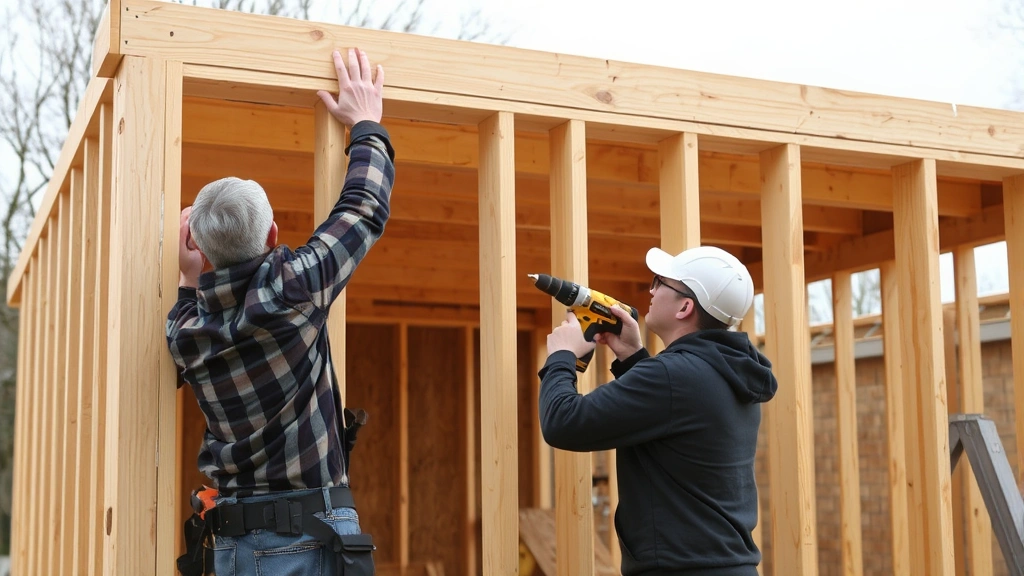
Framing is where your shed truly takes shape. Wall framing for an 8×10 shed typically requires 16-24 hours spread over 2-3 days. You’ll cut wall plates, studs, and headers, then assemble and raise each wall. Pre-cutting all pieces before assembly reduces on-site time by 30-40%. Work with a helper for wall raising—solo framing is possible but significantly slower and more dangerous.
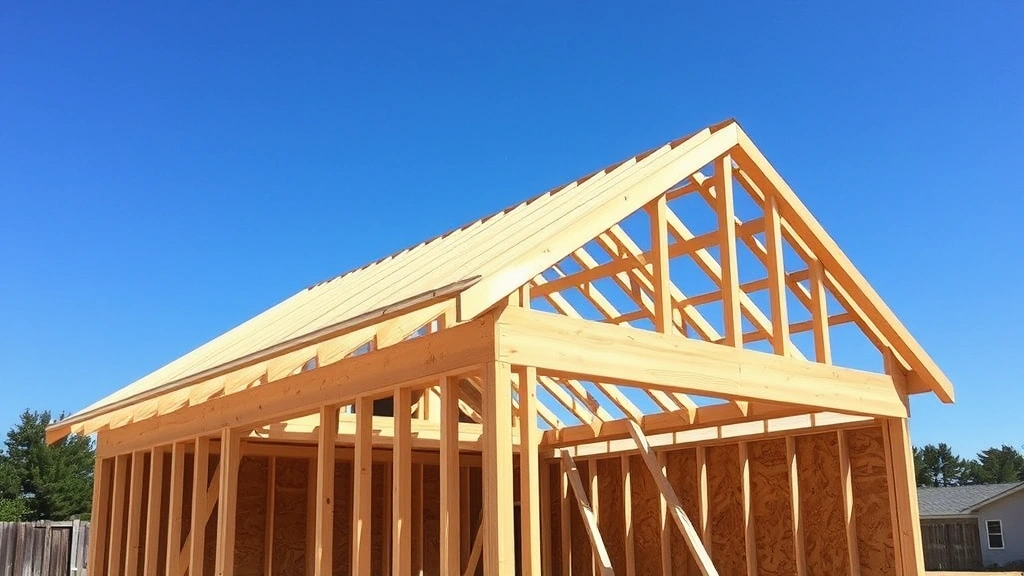
Roof framing complexity varies widely. Simple gable roofs take 8-12 hours for a small shed. Gambrel or hip roofs extend to 16-24 hours. Pre-fabricated roof trusses (costing $200-600 extra) reduce framing time to just 2-4 hours but require precise measurements beforehand. Many experienced builders recommend trusses for DIY projects—the time savings justify the cost.
Building your shed roof properly prevents future water damage and costly repairs. Install roof sheathing (3-4 hours) and ensure proper ventilation. Add soffit, fascia, and gutters during this phase (4-6 hours). These elements protect your structure and extend its lifespan significantly.
Don’t rush framing. Take time to square walls using diagonal measurements, ensure proper stud spacing (typically 16 inches on center), and verify roof pitch accuracy. A few extra hours during framing prevents major structural issues later. Check local building codes regarding rafter spacing and load requirements—many areas have specific standards for residential structures.
Roofing & Exterior Siding (5-10 Days)
Roofing is weather-dependent and requires careful execution. Start with underlayment (roofing felt or synthetic)—this takes 2-3 hours for a small shed. Then install shingles or metal roofing. Asphalt shingles require 4-6 hours for a small shed; metal roofing takes similar time but offers superior longevity. Always follow manufacturer specifications and local building codes for nail placement and overlap.
Siding choices dramatically affect timeline. Vinyl siding installation takes 8-12 hours for an 8×10 shed because you’re measuring, cutting, and fastening each panel. Wood siding (board-and-batten or lap) takes 12-16 hours but offers superior aesthetics and durability. Metal siding is fastest at 6-8 hours. Budget extra time for corner trim, window/door installation, and caulking—these details take 3-4 hours but are essential for weather protection.
Weather becomes critical during roofing and siding phases. Rain prevents shingle installation, and extreme heat makes vinyl siding difficult to work with. Plan these phases during mild, dry weather windows. If you’re in a region with seasonal weather patterns, schedule roofing before winter and siding before extreme summer heat.
Interior Finishing & Details (3-8 Days)
Interior finishing includes installing doors, windows, shelving, and flooring. A basic shed with single entry door takes 1-2 hours for installation. Additional windows add 30-45 minutes each. Installing shelving and storage solutions varies widely—simple wall shelves take 2-3 hours, while complex built-in systems require 6-8 hours.
Flooring options range from bare ground (zero time) to finished plywood (2-3 hours) to concrete (similar timeline as foundation work). Many builders skip interior finishing initially, completing these details after the structure is weathertight. This allows you to use the shed sooner while finishing details during off-hours.
Final details include painting or staining exterior surfaces (4-8 hours), installing hardware, and weatherproofing. Proper caulking and sealant application prevents water infiltration and extends shed lifespan. Don’t skip these finishing touches—they’re the difference between a structure lasting 10 years versus 25+ years.
For detailed guidance on completing interior spaces effectively, review our comprehensive basement finishing guide, which covers many principles applicable to shed interiors.
Factors That Impact Your Timeline
Experience Level: First-time builders take 50-100% longer than experienced DIYers. If you’re new to construction, add 1-2 weeks to estimates. Consider taking a basic carpentry course or working with an experienced mentor on your first shed.
Shed Size: A 6×8 shed might take 40-50 hours total. An 8×10 shed averages 60-80 hours. A 10×12 shed extends to 90-120 hours. Doubling dimensions doesn’t double time (many tasks scale sub-linearly), but larger sheds definitely require more hours.
Design Complexity: Simple rectangular sheds with gable roofs are fastest. Designs featuring gambrel roofs, multiple roof pitches, dormers, or decorative elements add 20-40% to timelines. A beginner woodworking approach works well for straightforward designs.
Material Choices: Pre-fabricated components (trusses, pre-hung doors, vinyl siding) reduce labor time significantly. Ordering custom materials or choosing time-intensive options (hand-split shingles, custom trim) extends timelines.
Weather Conditions: Rainy seasons delay foundation curing and roofing work. Extreme temperatures make certain materials difficult to install. Plan projects for mild weather windows. Building in spring or early fall typically offers ideal conditions across most regions.
Help Available: Working solo takes 40-60% longer than working with one helper. A second person dramatically speeds wall raising, roof work, and siding installation. Consider trading labor with friends or hiring helpers for specific phases.
Tool Access: Owning or renting proper tools affects timeline. A power drill, circular saw, and miter saw are essential. Specialty tools like a framing nailer save 2-3 hours on wall assembly. Budget tool rental into your timeline and costs.
For additional insights on managing complex home projects, explore our house painting guide, which covers preparation and execution strategies applicable to shed projects.
FAQ
Can I build a shed in one weekend?
A very small shed (6×6) with pre-fabricated components and multiple helpers might be completed in one intensive weekend, but this isn’t realistic for most builds. Standard 8×10 sheds require 2-4 weeks of part-time work or 1-2 weeks of full-time effort. Rushing leads to mistakes and safety risks.
What’s the fastest shed construction method?
Using pre-fabricated roof trusses, pre-hung doors and windows, vinyl siding, and asphalt shingles minimizes on-site labor. Hiring one helper and working full-time can reduce timelines by 40-50%. Even with optimization, expect 3-4 weeks for a quality build.
Do I need a permit for my shed?
Check your local building department requirements. Most jurisdictions require permits for sheds over 200 square feet, those within setback distances, or structures with permanent foundations. Unpermitted sheds can complicate insurance claims and future property sales. Budget 1-2 weeks for permit approval.
What’s the most time-consuming part of shed building?
For most DIYers, framing and roofing consume the most time because they require precision and often need multiple people. Foundation work comes second, especially concrete pours that require curing time. Siding installation is tedious but straightforward.
Should I hire a contractor instead of DIY?
Professional contractors typically complete standard sheds in 1-2 weeks but charge $3,000-8,000 depending on size and materials. DIY builds cost $1,500-4,000 in materials but require 60-120 hours of labor. If your time is valuable and budget allows, contractor work saves weeks. If you enjoy building and have flexible time, DIY offers satisfaction and cost savings.
How do weather delays affect my timeline?
Rain delays concrete curing and prevents roofing/siding work. Snow, extreme heat, and high winds halt construction. Budget 1-2 extra weeks if building during unpredictable seasons. Spring and fall offer most reliable conditions. Check extended forecasts before scheduling critical phases.
Can I work on my shed during winter?
Winter construction is possible but slower. Frozen ground prevents digging, cold temperatures slow concrete curing, and reduced daylight limits work hours. If building in winter, expect 50-75% longer timelines. Focus on framing and interior work during cold months, postponing roofing and siding until spring.
What permits and inspections do I need?
Most jurisdictions require building permits and inspections at foundation stage and final completion. Some require inspections after framing. Budget 1-2 weeks for inspection scheduling. Having your shed inspected and approved protects your investment and ensures code compliance.


