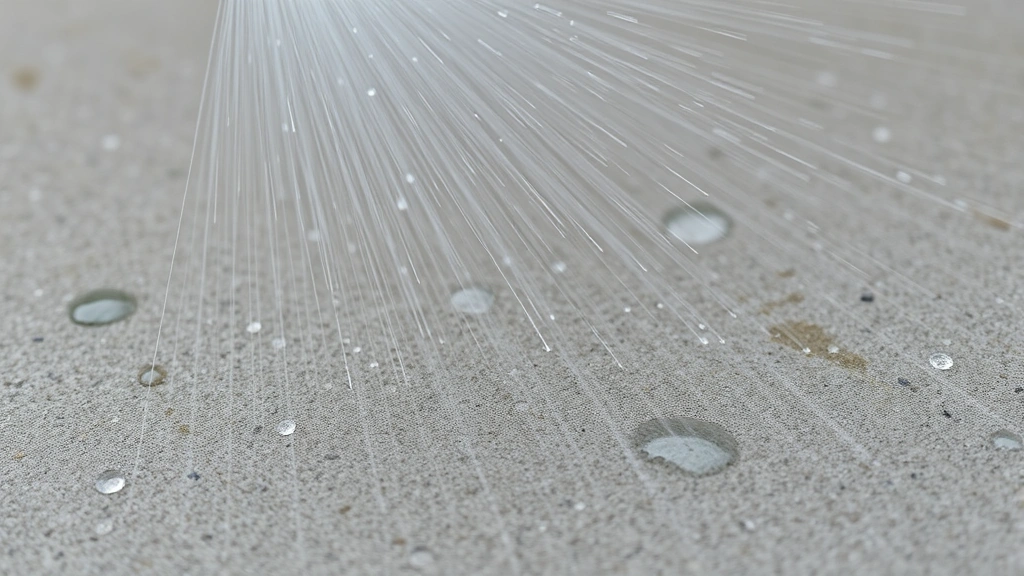
How to Hydrate Concrete? Expert Tips Inside
Concrete hydration is a fundamental chemical process that transforms raw concrete mix into a durable, structural material. Understanding this process is essential for anyone working with concrete, whether you’re pouring a foundation, creating a patio, or tackling a larger construction project. The hydration process determines the strength, durability, and longevity of your concrete, making it critical to manage conditions properly during the curing period.
Many DIY enthusiasts underestimate the importance of proper concrete hydration. This isn’t simply about keeping concrete wet—it’s about understanding the complex chemical reactions occurring within the material and maintaining optimal conditions for those reactions to proceed. From the moment water meets cement, a carefully orchestrated sequence of events begins that will ultimately determine whether your concrete becomes a strong, long-lasting structure or a weak, deteriorating liability.
Understanding Concrete Hydration Chemistry
Concrete hydration begins the moment Portland cement comes into contact with water. This isn’t a simple absorption process—it’s an exothermic chemical reaction where cement particles bond with water molecules, creating new compounds that give concrete its strength. The primary cement compound, calcium silicate, reacts with water to form calcium silicate hydrate (C-S-H), which is responsible for most of concrete’s strength and durability.
The hydration process produces several byproducts, including calcium hydroxide and heat energy. This heat generation, called the heat of hydration, is particularly important in large concrete pours. Understanding this chemistry helps explain why concrete doesn’t simply dry—it cures through chemical reactions that require moisture to continue. This is why keeping concrete moist during the curing period is so critical.
When you’re planning a DIY basement finishing project that involves concrete foundations or flooring, you’ll need to account for hydration timing in your overall schedule. The strength development of concrete directly affects when you can proceed with subsequent construction phases.
The hydration reaction is not instantaneous. In fact, concrete continues to gain strength for years after initial placement, though the most significant gains occur within the first 28 days. The rate of hydration depends on several factors, including cement type, water-to-cement ratio, temperature, and additives used in the mix.
Timeline: How Long Does It Take to Hydrate
The answer to “how long does it take to hydrate concrete” is more nuanced than a single number. Concrete reaches different strength milestones at different times, and understanding this timeline is crucial for planning your project correctly.
First 24 Hours: Initial set typically occurs within 8-12 hours, though this varies based on temperature and mix design. During this period, concrete develops enough strength to support its own weight but remains vulnerable to disturbance. The surface may appear solid while the interior continues hydrating rapidly.
7 Days: By one week, concrete typically reaches approximately 70% of its design strength. This is why many building codes allow foot traffic and light loads after 7 days. However, the hydration process is far from complete. The concrete is still relatively soft and susceptible to damage from heavy traffic or loads.
28 Days: This is the standard testing age for concrete strength in North America. According to the ASTM International standards, concrete is assumed to reach its design strength at 28 days. However, this doesn’t mean hydration is complete—it simply means the concrete has developed sufficient strength for structural calculations.
90 Days and Beyond: Concrete continues gaining strength well beyond 28 days, particularly in cooler climates or with certain cement types. Some concrete mixes continue to strengthen for months or even years. This extended hydration period is why concrete structures can improve in performance over time.

When planning construction timelines similar to building projects, you must account for these hydration phases. Starting work too early can compromise the structural integrity of your concrete, while understanding the timeline allows you to schedule subsequent work efficiently.
Optimal Conditions for Hydration
Creating optimal conditions for concrete hydration involves managing several environmental factors simultaneously. Temperature is perhaps the most significant variable affecting hydration speed. Concrete hydrates faster in warm conditions—roughly twice as fast at 77°F (25°C) compared to 50°F (10°C). However, excessively rapid hydration can create internal stresses and reduce ultimate strength.
Temperature Management: Ideal concrete curing temperatures range between 50°F and 85°F (10°C to 29°C). In hot climates, excessive heat can accelerate hydration too quickly, causing surface cracking as the outer layer cures faster than the interior. In cold climates, hydration slows dramatically, extending cure times significantly. Below 50°F, hydration becomes problematic, and below 40°F, it essentially stops.
Moisture Control: This is absolutely critical. Concrete requires continuous moisture for hydration to proceed. As the surface dries, the hydration reaction slows or stops in the outer layers. This is why proper curing methods maintain surface moisture throughout the curing period. Allowing concrete to dry prematurely is one of the most common mistakes that reduces final strength.
Humidity Levels: Higher relative humidity slows surface evaporation, allowing deeper hydration. In dry climates, maintaining adequate moisture becomes more challenging and more important. Wind and sun exposure accelerate surface drying, potentially trapping unhydrated cement in the interior.

For projects involving home improvements with concrete elements, monitoring these conditions ensures your concrete develops maximum strength and durability. The initial 7-day curing period is when these conditions matter most.
Curing Methods and Best Practices
Proper curing methods maintain the moisture and temperature conditions necessary for optimal hydration. Several approaches are available, each with advantages depending on your specific situation.
Water Curing: Keeping concrete continuously wet is the most effective curing method. This can involve spraying the surface regularly, covering it with wet burlap or cotton mats, or creating temporary ponding (for horizontal surfaces). Water curing maintains consistent moisture and helps regulate temperature through evaporative cooling.
Plastic Sheeting: Clear or white plastic sheeting reduces moisture loss by preventing evaporation. This method works well for horizontal surfaces and can be combined with regular misting for enhanced results. Plastic sheeting also helps maintain temperature by trapping heat during cold weather while reducing excessive heating in hot climates.
Curing Compounds: Chemical sealers create a moisture barrier on the concrete surface, reducing evaporation. These are particularly useful for large surfaces or situations where water application isn’t practical. According to the American Concrete Institute, curing compounds must meet specific performance standards to ensure adequate moisture retention.
Combination Methods: Using multiple curing methods often provides the best results. For example, applying a curing compound followed by plastic sheeting offers superior moisture retention and temperature control compared to either method alone.
When undertaking basement finishing projects, proper curing of foundation concrete is essential before proceeding with interior work. The moisture and temperature conditions you maintain during the initial curing period directly affect the long-term performance of your concrete.
Duration of Curing: Standard practice recommends maintaining curing conditions for at least 7 days. For concrete exposed to harsh conditions or requiring maximum durability, 14-28 days of active curing provides additional strength development. The initial 7 days are most critical, as this is when the majority of strength development occurs.
Common Hydration Mistakes to Avoid
Understanding common mistakes helps you avoid compromising your concrete’s performance. Many DIY projects fail not because of poor initial mixing or placement, but because of inadequate attention to the curing process.
Premature Drying: This is the most common and damaging mistake. Allowing concrete to dry too quickly prevents hydration from reaching deeper layers. The surface may appear solid while the interior remains weak and unhydrated. This dramatically reduces strength and increases susceptibility to cracking and deterioration.
Ignoring Temperature: Pouring concrete in extreme temperatures without mitigation measures creates problems. Cold weather slows hydration dramatically, while excessive heat accelerates it unevenly, causing surface cracking and reduced ultimate strength. Always check weather forecasts and adjust your curing methods accordingly.
Insufficient Curing Duration: Some DIYers remove curing coverings after just a few days, assuming the concrete is ready. This interrupts the hydration process during critical strength-development phases. Maintain curing conditions for the full recommended duration—typically at least 7 days.
Poor Water Quality: Using contaminated water or water high in salts can interfere with hydration chemistry. Always use clean water for both mixing and curing. If your water source is questionable, use bottled water or allow tap water to settle before use.
Inconsistent Moisture: Alternating between wet and dry conditions creates internal stresses as the concrete expands and contracts. Maintain consistent moisture levels throughout the curing period rather than sporadic applications. Regular misting or continuous coverage with plastic sheeting prevents this problem.
Disturbing Fresh Concrete: Walking on or applying loads to concrete before it has developed sufficient strength causes damage that doesn’t always show immediately. Follow recommended timeline guidelines before allowing foot traffic or placing loads on fresh concrete.
FAQ
How long does it take for concrete to cure completely?
While concrete reaches its design strength at 28 days, it continues to cure and gain strength for months or even years. Most practical purposes consider 28 days as the standard curing period, but the hydration reaction continues indefinitely, with strength gains tapering off significantly after 90 days. For structures in harsh environments or those requiring maximum durability, extended curing periods provide additional benefits.
Can you speed up concrete hydration?
Yes, several methods accelerate hydration. Higher temperatures naturally speed the process—concrete hydrates roughly twice as fast at 77°F compared to 50°F. Chemical accelerators can be added to the mix to speed hydration, though these must be carefully dosed to avoid creating internal stresses. However, faster isn’t always better; appropriately paced hydration often produces stronger, more durable concrete than excessively rapid curing.
What happens if concrete dries too quickly?
Rapid surface drying prevents complete hydration in deeper layers. The outer layer may appear solid while the interior remains partially unhydrated and weak. This creates a weak composite with poor durability and strength. Rapid drying also creates tensile stresses as the surface shrinks faster than the interior, leading to surface cracking. This is why proper curing methods that maintain moisture are so important.
Can concrete hydrate without water?
No. Water is absolutely essential for the hydration reaction. Without moisture, cement particles cannot chemically react, and concrete cannot develop strength. This is why concrete placed in extremely dry conditions must be actively cured with water application or sealed to prevent moisture loss. Dry concrete remains weak and will never achieve design strength.
Is 7 days enough curing time?
Seven days is the minimum recommended curing time for most applications. During this period, concrete reaches approximately 70% of design strength. However, the optimal curing period extends to 28 days, when concrete reaches full design strength. For critical structures or those exposed to harsh conditions, extending curing to 14-28 days provides additional strength development and enhanced durability. When in doubt, longer curing periods are safer than shorter ones.
How do I know when concrete is fully cured?
Concrete reaches design strength at 28 days under standard conditions. However, you can assess readiness for specific uses by monitoring appearance and hardness. After 24 hours, concrete is typically hard enough to support its own weight. After 7 days, it can generally handle light traffic. After 28 days, it’s suitable for most intended uses. Professional testing using compression testing machines provides precise strength measurements if needed for critical applications.


