Potty Training Time? Expert Tips for Fast Results
Potty training is one of the most significant developmental milestones parents navigate with their toddlers, and understanding how long it takes to potty train a toddler can help set realistic expectations and reduce frustration. Most children show readiness between 18 months and 3 years old, though every child develops at their own pace. The timeline varies dramatically—some children master the basics in a few weeks, while others need several months of consistent practice and patience.
This comprehensive guide draws on child development research, parenting expertise, and practical strategies to help you understand the potty training journey. Whether you’re just beginning or facing challenges along the way, these evidence-based tips will help you navigate this important transition with confidence and success.
Signs of Potty Training Readiness
Before diving into potty training, recognizing genuine readiness signs is crucial for success. Physical readiness includes staying dry for at least two hours, showing interest in bathroom activities, and having the motor control to sit on a toilet. Cognitive readiness means your child can understand simple instructions, recognize the sensation of needing to go, and communicate their needs—either verbally or through gestures.
Emotional and behavioral readiness is equally important. Your toddler should show interest in the potty, express a desire to wear big-kid underwear, or demonstrate awareness when they’ve had an accident. Some children become fascinated by watching family members use the bathroom or show pride in their accomplishments. These psychological indicators often matter more than age alone.
Look for a stable period in your child’s life. Avoid starting during major transitions like moving homes, welcoming a new sibling, or starting daycare. Stress and upheaval can derail progress and create negative associations with potty training. If your family is experiencing significant changes, it’s often better to wait a few weeks or months until life settles down.
Timeline Expectations by Age
The American Academy of Pediatrics notes that most children aren’t physiologically ready before 18 months, and pushing training too early typically extends the overall timeline rather than shortening it. Understanding age-specific expectations helps parents avoid unnecessary pressure and frustration.
18-24 months: Some early learners show readiness at this age, though it’s uncommon. If your child demonstrates clear signs, you can begin introducing the concept. Expect very slow progress, frequent accidents, and the need for constant reminders. Training at this age often takes 6-12 months or longer.
2-2.5 years: This is when many children begin showing genuine readiness. With consistent effort and a supportive approach, many toddlers can achieve daytime dryness within 3-6 months. However, setbacks are normal, and progress isn’t always linear.
2.5-3 years: Children in this age range typically progress faster, often achieving daytime training within 3-4 months if they’re ready and motivated. Their improved communication, understanding, and physical control accelerate the process considerably.
3+ years: Most children over three years old can be trained within weeks to a couple of months if they’re developmentally ready. By this age, social awareness and desire to fit in with peers can provide additional motivation.
Remember that girls often train faster than boys, typically by several months. Boys may take longer, particularly with nighttime dryness. These are general patterns, not rules—your individual child’s timeline depends on their unique development, temperament, and readiness.
Preparation and Setup
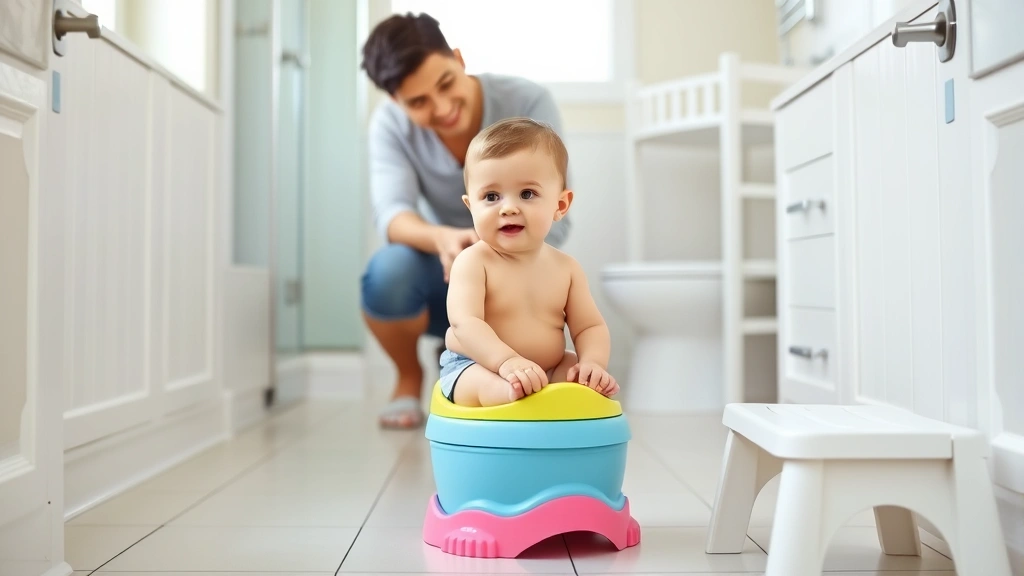
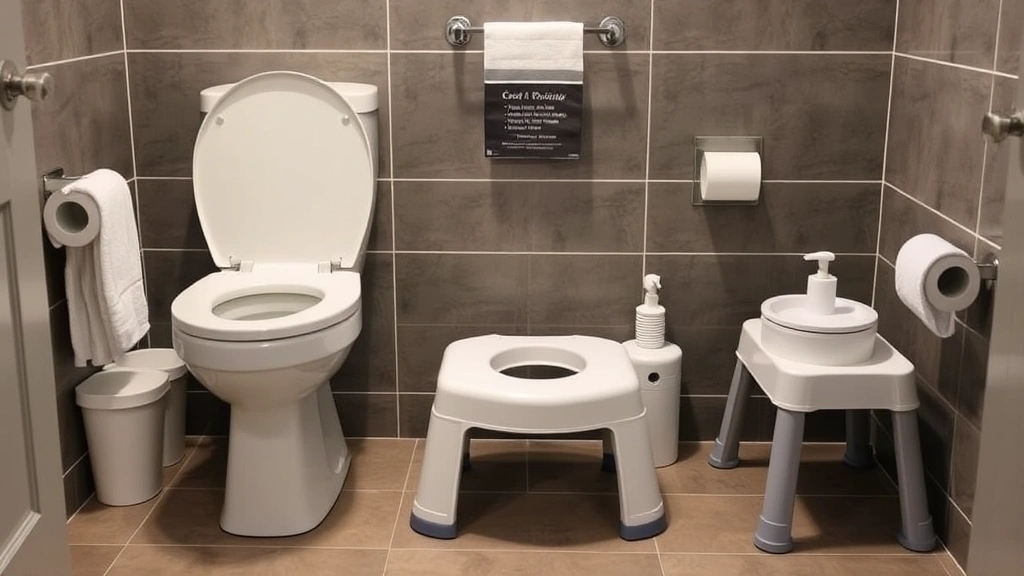
Successful potty training begins long before you start the actual process. Environmental preparation sets the stage for success. Invest in a child-sized potty seat or a seat reducer for your regular toilet—let your child choose which appeals to them. Having a sturdy step stool ensures they can climb up independently and feel secure. Some families use both options, keeping a potty chair in the bathroom and a seat reducer on the main toilet.
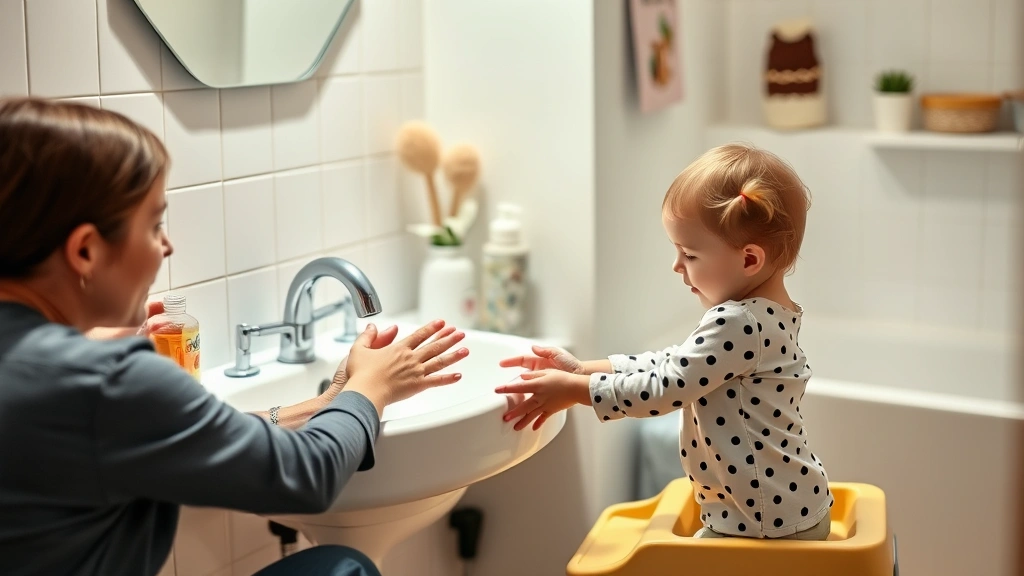
Make the bathroom accessible and inviting. Stock it with child-friendly supplies: flushable wipes, hand soap at their level, and a step stool for handwashing. Create a positive environment by reading potty training books together, such as “Everyone Poops” or “Potty” by Leslie Patricelli. These stories normalize the process and help children understand what to expect.
Establish a routine before formal training begins. Sit your child on the potty fully clothed initially, then gradually without a diaper. Let them observe family members using the bathroom (with appropriate privacy boundaries). This demystifies the process and builds familiarity without pressure.
Choose appropriate clothing that facilitates quick removal. Avoid complicated outfits with multiple snaps or buttons. Loose pants, dresses, or skirts that pull down easily reduce frustration when your child needs to go quickly. During the initial training phase, many parents opt for minimal clothing at home to encourage independence.
Training Methods and Approaches
Different training methods work for different families. Understanding your options helps you select an approach aligned with your parenting style and your child’s temperament.
Child-Led Training: This gentle approach follows your child’s cues and readiness signals. You introduce the concept without pressure, celebrate successes, and accept setbacks without frustration. While this respects your child’s development, it typically takes longer—often 6-12 months or more. This method works best for patient parents and children who respond well to low-pressure environments.
Parent-Led Training: Here, parents establish a structured schedule, encouraging bathroom visits at consistent times (after meals, before bed, every two hours). This provides more direction and typically produces faster results—often 3-4 months for daytime training. Success depends on your child’s cooperation and your consistency.
Three-Day Method: This intensive approach involves dedicating a long weekend to focused training with no distractions, frequent bathroom visits, and immediate feedback. While some families report success within days, many find this approach stressful and unsustainable. It works best for children already showing strong readiness signs and families with realistic expectations about occasional accidents continuing afterward.
Elimination Communication: Some families practice responding to their child’s natural cues from infancy, gradually building awareness. This requires significant parental attention and works best in cultures with flexible clothing and bathroom access. Results vary widely based on parental consistency and child responsiveness.
Most experts recommend a hybrid approach—combining elements of different methods. Establish a loose schedule for bathroom visits while respecting your child’s individual cues. Offer gentle encouragement without pressure, celebrate successes enthusiastically, and handle accidents matter-of-factly.
Common Challenges and Solutions
Virtually every family encounters obstacles during potty training. Understanding common challenges and evidence-based solutions helps you navigate difficulties without derailing progress.
Resistance and Refusal: Some children actively resist the potty, refusing to sit on it or expressing fear. This often indicates they’re not truly ready or something about the experience feels uncomfortable. Solutions include taking a break for 2-4 weeks, trying a different potty option, reading books about the process, or allowing your child more control by letting them decide when to try. Pressure typically intensifies resistance.
Regression: Children who were successfully trained sometimes return to accidents or resistance. This frequently happens during stress, illness, or major life changes. Respond with patience and reassurance—regression is temporary and normal. Return to basics, increase bathroom visits, and reduce pressure. Just as progress toward goals involves setbacks, potty training includes these temporary reversals.
Fear of the Toilet: Some children fear flushing, falling in, or the loud noise. Address this by letting them control flushing (or skip it initially), using a smaller seat reducer to feel more secure, and normalizing the sounds. Reading books about toilet fears helps children process their concerns.
Constipation and Withholding: Some children develop anxiety about bowel movements, leading to withholding and constipation. This creates a painful cycle and significantly extends training timelines. Consult your pediatrician if your child shows signs of constipation. Solutions may include dietary changes, stool softeners, and reducing pressure around bowel training specifically.
Daytime Accidents: Occasional accidents are completely normal during training and sometimes continue for months after initial success. Most children have occasional accidents until age 4-5. Respond calmly, avoid punishment, and simply clean up matter-of-factly. Punishment creates shame and anxiety, which worsen accidents.
Poop Training Delays: Many children master urination before bowel movements. This is developmentally normal—bowel training often takes 3-6 months longer than urination training. Avoid pushing this milestone; patience and positive reinforcement eventually lead to success.
Maintaining Consistency and Progress
Consistency is the cornerstone of successful potty training. Establish predictable routines that your child can anticipate and learn. Regular bathroom visits after meals, before bed, and at consistent times throughout the day help your child recognize their body’s signals and build the habit.
Communicate expectations clearly and positively. Use simple language: “It’s potty time” or “Let’s try the potty.” Avoid commanding language that invites resistance. Celebrate successes with genuine enthusiasm—specific praise (“You stayed dry all morning!” rather than generic “Good job!”) reinforces the behavior.
Handle accidents without shame or punishment. Accidents are learning opportunities, not failures. Respond neutrally: “You had an accident. That’s okay, you’re learning. Let’s clean up.” This teaches your child that accidents are normal parts of learning without creating anxiety about the process.
Maintain consistency across caregivers. Ensure that daycare providers, grandparents, and other caregivers follow the same approach and expectations. Inconsistent responses from different adults confuse children and slow progress significantly. Just as with home improvement projects requiring coordinated effort, potty training succeeds through unified approach.
Adjust your timeline expectations realistically. If your child isn’t progressing after 2-3 months of consistent effort, take a break. Pushing too hard creates negative associations. Resume training in 4-6 weeks with fresh perspectives and renewed motivation.
Nighttime Training Considerations
Nighttime dryness represents a different developmental milestone than daytime training and shouldn’t be rushed. Most children aren’t physiologically ready for nighttime dryness until age 4-7, with some not achieving it until later childhood. This involves deep sleep cycles and hormonal development that can’t be trained—they must develop naturally.
Begin nighttime training only after your child consistently stays dry during naps and has been dry at night for several weeks. Even then, expect setbacks. Limit fluids 1-2 hours before bed, use waterproof mattress protectors, and consider pull-ups or waterproof pants without shame. These tools prevent sleep disruption and accidents without impeding progress.
Bedwetting after age 5 occurs in about 15-20% of children and often has genetic components. If your child experiences persistent nighttime accidents after age 6-7, consult your pediatrician. Conditions like sleep apnea or urinary tract infections can contribute. Alarms designed to wake children when wetness is detected have research support for older children, though results vary.
Avoid shaming children about nighttime accidents. This creates anxiety that often worsens the problem. Handle nighttime accidents matter-of-factly, just like daytime accidents. Most children eventually develop nighttime dryness without intervention—patience and reassurance are your best tools.
FAQ
How long does it typically take to potty train a toddler?
Timelines vary significantly, but most children who show readiness achieve daytime dryness within 3-6 months with consistent effort. Some children train in weeks; others need several months. Nighttime training typically takes 6-12 months longer than daytime training and often extends into early childhood.
What age should I start potty training?
Most children show readiness between 2-3 years old, though the range extends from 18 months to 4 years. Age alone isn’t the determining factor—readiness signs matter more than chronological age. Starting too early typically extends the overall timeline.
Is it normal for potty training to take a long time?
Yes, extended timelines are completely normal. Every child develops differently. Some factors that extend training include strong-willed temperament, late physical development, fear or resistance, and inconsistent approaches. Taking a break and resuming later often produces faster results than pushing through resistance.
Should I use rewards or incentives during potty training?
Small rewards can provide initial motivation for some children—stickers, extra stories, or special activities work well. However, avoid expensive rewards or food-based incentives that create unhealthy associations. The goal is developing intrinsic motivation and natural positive feelings about using the potty, not external rewards dependency.
What should I do if my child refuses to use the potty?
Refusal usually indicates your child isn’t ready or something about the experience feels uncomfortable. Take a break for 2-4 weeks, then try again. Consider whether fear, constipation, or other issues contribute. Pushing a resistant child typically backfires, extending the timeline significantly.
Can potty training happen too fast?
While rare, training that happens extremely quickly sometimes indicates your child was ready much earlier than you realized. However, some intensive methods may create stress or anxiety. A moderate pace allowing your child to build confidence typically produces more stable, lasting results than very rapid training.
How do I handle potty training at daycare?
Communicate with your daycare provider about your approach, timeline, and expectations. Consistency between home and daycare significantly impacts progress. Ask whether they’ll support your method and if they have specific requirements or timelines. Most quality daycare providers work collaboratively with families on this milestone.
Is regression common during potty training?
Yes, regression is very common and temporary. Stress, illness, major life changes, and new siblings frequently trigger temporary setbacks. Respond with patience and reassurance, return to basics, and avoid punishment. Regression typically resolves within days to weeks.


