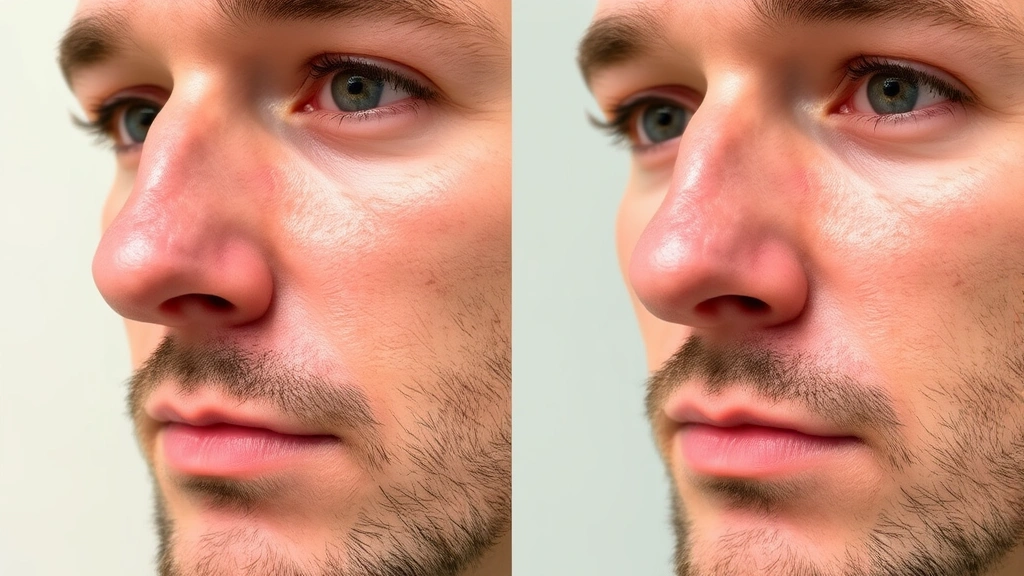
Rhinoplasty Healing: Doctor-Recommended Timeline
Rhinoplasty, commonly known as a nose job, is one of the most popular cosmetic surgical procedures performed today. Whether you’re considering this surgery for aesthetic reasons or functional improvement, understanding the recovery timeline is crucial for setting realistic expectations and planning your post-operative care. The healing process after rhinoplasty involves multiple phases, each with distinct milestones and care requirements that can span anywhere from two weeks to a full year for complete resolution.
Recovery from rhinoplasty isn’t a linear process. While some changes occur rapidly in the first few weeks, the nose continues to refine and settle for many months afterward. This comprehensive guide walks you through each stage of healing, from the immediate post-operative period through the final stages of tissue maturation, helping you understand what to expect and how to support optimal healing outcomes.

Immediate Post-Operative Recovery (Days 1-7)
The first week after rhinoplasty is the most critical period for your healing journey. During this time, your nose experiences significant swelling and bruising as your body initiates its natural inflammatory response to surgical trauma. Most surgeons recommend that patients take at least one week off from work and normal activities, though this varies depending on your job type and personal recovery rate.
In the immediate hours following surgery, you’ll have nasal packing or splints in place to support the newly shaped nasal structures and control bleeding. These are typically removed within 24 to 48 hours. Your surgeon will provide specific post-operative instructions, which usually include keeping your head elevated, using ice packs, and avoiding strenuous activities. Pain management typically involves prescription medications during this phase, though most patients report manageable discomfort rather than severe pain.
Swelling peaks around day two or three post-operatively, which is completely normal. You may notice significant puffiness around your eyes, cheeks, and nose area. This initial swelling can make your nose appear larger than the final result will be, so it’s important not to judge the cosmetic outcome during this phase. Many patients find it helpful to review their DIY Nests Hub Blog for recovery tips and patient testimonials to understand what others experienced.
Key first-week milestones:
- Splints and packing removal (typically day 1-2)
- Initial swelling peak (days 2-3)
- Gradual reduction in bleeding and drainage
- Beginning of bruising around eyes and nose
- Pain management transition from severe to mild-moderate
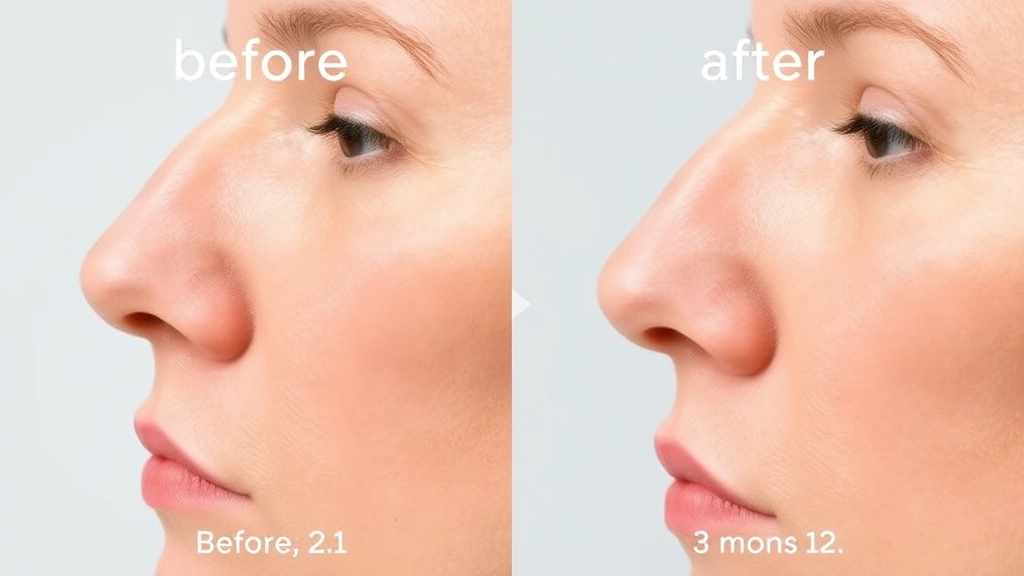
Early Healing Phase (Weeks 2-4)
By the second week, you’ll notice significant improvement in your overall condition. Most patients can return to light desk work and resume gentle daily activities. The external splint is usually removed around day five to seven, which provides psychological relief and allows you to see the emerging shape of your nose. However, internal healing continues beneath the surface as tissues begin reorganizing.
Bruising becomes more pronounced during weeks two and three before gradually fading. The discoloration typically shifts from dark purple to yellow-green, a sign that your body is reabsorbing the bruised tissue. Many patients can camouflage remaining bruising with makeup during this period. Swelling decreases noticeably but remains present, particularly in the nasal tip, which tends to retain fluid longer than other areas.
During this phase, you should continue following your surgeon’s activity restrictions. Most surgeons recommend avoiding exercise, heavy lifting, and contact sports for at least three to four weeks. Your nasal tissues are still quite delicate, and increased blood pressure from exertion can trigger additional swelling and potentially compromise your results. It’s important to understand recovery timelines for various activities, as patience during this phase yields better long-term outcomes.
Itching becomes common during weeks three and four as nerves begin regenerating and tissues heal. Resist the urge to pick or scratch your nose, as this can disrupt healing and potentially cause infection. Your surgeon may recommend specific moisturizers or saline rinses to address any crusting or itching sensations.
Intermediate Healing (Weeks 5-12)
The intermediate healing phase represents a major turning point in your recovery. By week five, most patients can resume normal exercise routines, including running and gym workouts, though contact sports should still be avoided. Swelling has reduced substantially, though some puffiness remains, particularly in the tip and bridge. Many patients feel comfortable returning to their regular social activities and no longer require special precautions.
Around the 6-8 week mark, approximately 80% of the swelling has typically resolved, allowing you to see a much clearer picture of your final result. However, this is still not the complete final result, as subtle refinements continue occurring. The nasal tip, in particular, continues to settle and may appear slightly different week to week during this phase. Patience is essential, as judging results too early can lead to unnecessary concern about outcomes that are still actively healing.
By week 12, most patients report feeling completely normal and experiencing no restrictions on daily activities. Sensation in your nose may still feel slightly altered, as nerve regeneration continues, but this typically resolves by three to four months. Some patients experience temporary numbness or unusual sensations; these are normal neurological responses to surgical manipulation and resolve with time.
This phase is an excellent opportunity to begin understanding long-term commitment to post-operative care. Protecting your nose from trauma becomes increasingly important as you resume normal activities. Sun protection is particularly crucial during this phase, as UV exposure can affect scar tissue appearance and potentially alter the aesthetic outcome.
Long-Term Recovery (Months 4-12)
The final stages of rhinoplasty recovery extend well beyond the three-month mark. While most visible healing completes by four to six months, the deep structural tissues continue undergoing remodeling for up to one year post-operatively. This extended timeline is why surgeons recommend waiting a full year before assessing your final results or considering revision surgery if needed.
During months four through twelve, you’ll notice increasingly subtle changes as swelling resolves completely and scar tissue matures. Internal scarring becomes less prominent, and the nasal tissues fully adapt to their new shape. Any residual swelling typically resolves by the six-month mark, though some patients experience minimal puffiness for longer, particularly in the tip area.
Sensation in your nose gradually normalizes throughout this period. If you experienced numbness or unusual sensations immediately post-operatively, these typically completely resolve by six to nine months. Nerve regeneration is a gradual process, and some patients may notice return of normal sensation happening in stages rather than all at once.
Important long-term considerations:
- Avoid nasal trauma and contact sports for at least three months
- Use sunscreen (SPF 30+) on your nose daily for the first year
- Avoid smoking and secondhand smoke exposure, which impairs healing
- Stay hydrated and maintain healthy nutrition to support tissue repair
- Avoid sleeping on your stomach for the first two weeks, then use caution
- Do not wear glasses or sunglasses resting on the bridge for six weeks
By the one-year mark, your nose has fully matured into its final shape. Any changes occurring after this point are minimal and typically related to natural aging rather than post-operative healing. This is the appropriate time to assess whether you’re satisfied with your results or whether revision rhinoplasty might be beneficial.
Managing Complications and Concerns
While rhinoplasty is generally safe, understanding potential complications helps you recognize when to contact your surgeon. Most complications are minor and resolve with appropriate care, but awareness allows for early intervention if needed.
Common post-operative concerns:
Bleeding and drainage are normal during the first week but should decrease progressively. If you experience heavy bleeding that doesn’t slow with gentle pressure and head elevation, contact your surgeon immediately. Slight crusting and yellowish drainage are normal but excessive drainage or foul-smelling discharge may indicate infection.
Infection is rare but serious. Signs include fever, increasing pain despite medication, spreading redness, or purulent discharge. Contact your surgeon immediately if you suspect infection, as prompt antibiotic treatment prevents serious complications. According to the American Academy of Facial Plastic and Reconstructive Surgery, infection rates in rhinoplasty are typically below 1% when proper post-operative protocols are followed.
Breathing difficulties after rhinoplasty warrant evaluation by your surgeon. Some temporary nasal obstruction is normal due to swelling and internal splints, but persistent obstruction after swelling resolves may indicate structural issues requiring corrective intervention. Your surgeon can perform nasal endoscopy to assess internal anatomy and determine if additional treatment is needed.
Asymmetry or unsatisfactory aesthetic results sometimes occur. Minor asymmetry is normal, as perfect symmetry doesn’t exist in nature. However, significant asymmetry or results that don’t meet your expectations should be discussed with your surgeon after the one-year healing period. Revision rhinoplasty can address persistent concerns, though waiting the full year ensures you’re evaluating completely healed tissue.
Sensory changes including numbness, tingling, or unusual sensations are normal neurological responses to surgery. These typically resolve within three to six months as nerves regenerate. Contact your surgeon if sensations worsen rather than improve or if you develop painful sensations.
Frequently Asked Questions
When can I return to work after rhinoplasty?
Most patients can return to desk jobs within one to two weeks, though this depends on your job type and personal healing rate. If your work involves physical labor, contact sports, or significant stress, you may need additional time. Your surgeon will provide specific recommendations based on your individual situation and job requirements.
How long before I see the final results?
You’ll see a dramatically improved appearance by three months, with approximately 80% of swelling resolved. However, final results typically don’t fully manifest until six to twelve months post-operatively. The nasal tip, in particular, continues settling for several months. Patience during this extended timeline yields the best long-term satisfaction.
Can I wear glasses after rhinoplasty?
Most surgeons recommend avoiding glasses or sunglasses resting on your nose bridge for at least six weeks post-operatively. You can tape them to your forehead, use contact lenses if possible, or wait until adequate healing occurs. After six weeks, you can gradually resume wearing glasses, though some surgeons recommend waiting until the three-month mark for complete safety.
What activities should I avoid during recovery?
Avoid strenuous exercise and heavy lifting for three to four weeks. Contact sports should be avoided for at least three months. Swimming should be avoided for two weeks due to infection risk from water exposure. Running and gym workouts can typically resume by week five. Your surgeon will provide specific activity guidelines based on your individual healing.
Is it normal to feel depressed during recovery?
Yes, post-operative depression is surprisingly common after cosmetic surgery. The combination of physical discomfort, restricted activities, and inability to see your final results can create emotional challenges. This typically resolves as you progress through recovery and see improvements. If depression persists or worsens, discuss it with your surgeon or mental health provider.
When can I resume normal breathing through my nose?
Internal splints are typically removed within 48 hours, but swelling continues obstructing nasal passages for several weeks. By six to eight weeks, most patients experience normal breathing. If obstruction persists beyond three months, consult your surgeon, as this may indicate structural issues requiring additional evaluation.
How long do I need to sleep elevated?
Most surgeons recommend sleeping with your head elevated on two to three pillows for the first two weeks to minimize swelling. After two weeks, you can gradually reduce elevation as swelling decreases. Sleeping flat can increase swelling and should be avoided for at least the first month.
Understanding the rhinoplasty recovery timeline empowers you to make informed decisions and maintain realistic expectations throughout your healing journey. Every patient heals slightly differently, so while these general timelines apply to most people, your surgeon’s specific recommendations should always take precedence. By following post-operative instructions carefully and maintaining patience through the extended healing period, you maximize the likelihood of achieving beautiful, natural-looking results that you’ll enjoy for years to come. For additional information about surgical recovery protocols, consult The American Society of Plastic Surgeons or speak with your board-certified plastic surgeon.


