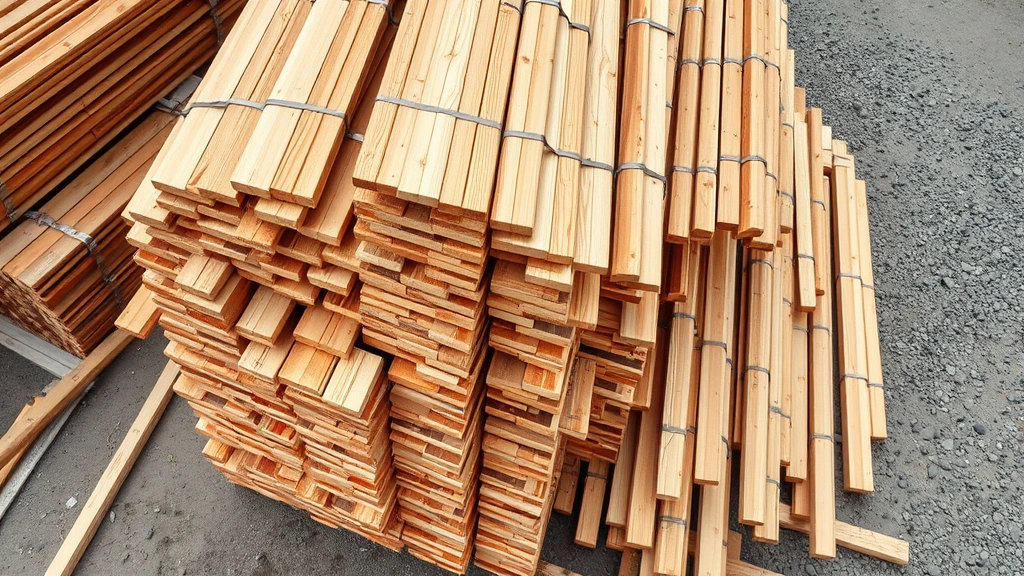
DIY Wood Deck: Expert Tips for Faster Build
Building a wood deck transforms your outdoor space into a functional entertainment area, but the timeline depends heavily on planning, preparation, and execution strategy. Most homeowners can complete a standard 12×16-foot deck in 3-5 weekends with proper preparation, though larger or more complex designs may require additional time. Understanding the critical path activities—those tasks that directly impact your project duration—allows you to streamline your workflow and avoid costly delays.
The key to accelerating your deck build lies in meticulous pre-construction planning, material procurement, and having the right tools on hand before you drive the first nail. Professional builders complete similar projects in 2-3 weeks working full-time, but DIY builders working weekends can achieve comparable results by eliminating inefficiencies and understanding which tasks can run parallel versus sequential. This guide reveals insider techniques used by experienced deck builders to maximize productivity while maintaining structural integrity and safety standards.
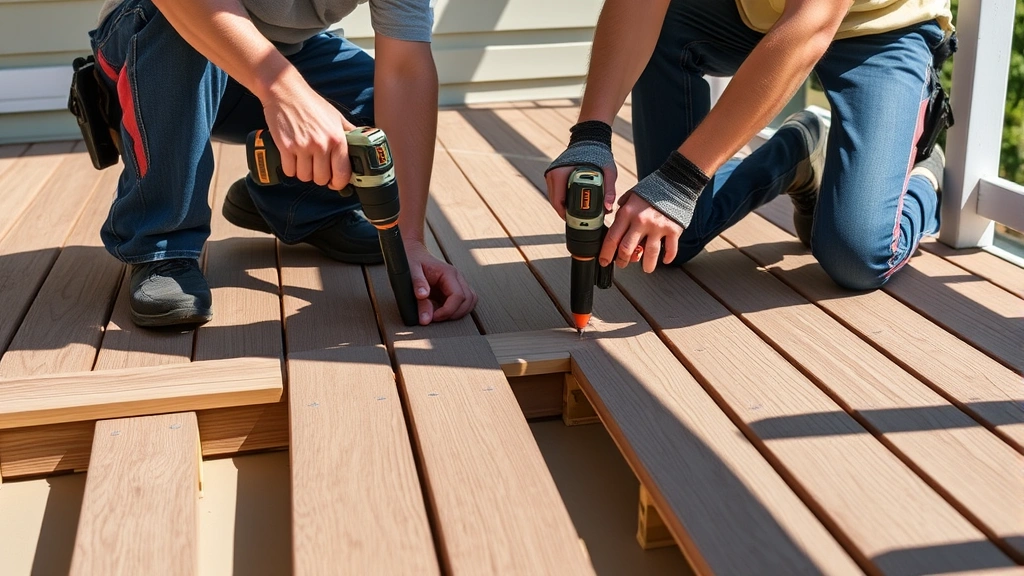
Pre-Build Planning and Timeline Essentials
Before purchasing a single board, invest 4-6 hours in comprehensive planning. Create detailed sketches or use deck design software to establish exact dimensions, material quantities, and layout. This upfront investment prevents the most common delay: discovering mid-project that you’ve miscalculated post locations or board lengths. Check your local ICC building codes for deck requirements, which vary significantly by region regarding post depth, railing height, and lateral load capacity.
Obtain all necessary permits before breaking ground. While this seems counterintuitive to “faster building,” permit delays discovered mid-project create far worse setbacks. Most jurisdictions require inspections at foundation, framing, and completion stages. Schedule these inspections in advance, coordinating with your build timeline. A 2-week permit process followed by immediate construction beats a 4-week project halted for surprise inspections.
Create a detailed material list organized by installation phase. Group all fasteners, hardware, and lumber specifications by when you’ll need them. This organization prevents the frustrating scenario of starting the decking phase only to discover you’re short on composite screws or that your beam lumber hasn’t arrived. Establish relationships with your supplier; many will prioritize DIY builders who’ve demonstrated serious intent through advance ordering.
Coordinate with 2-3 helpers for the critical path activities: post hole digging, beam installation, and the initial decking runs. Parallel work dramatically reduces timeline. While one person sets posts, another can prepare the ledger board or cut frame components. Basement finishing projects teach similar lessons about coordinating multiple work streams.
Material Selection for Efficiency
Choosing the right decking material profoundly affects build speed. Pressure-treated lumber requires minimal prep and installs fastest, though it demands annual maintenance. Composite decking (wood-plastic blend) installs similarly to treated lumber but eliminates staining and sealing, saving 8-12 hours of post-build finishing. Tropical hardwoods like Cumaru or Ipe are exceptionally durable but require specialized fasteners and tools, potentially adding 15-20% to installation time.
For fastest builds, select pressure-treated lumber for framing and composite boards for visible decking surfaces. This hybrid approach balances speed, cost, and longevity. Pre-cut lumber packages from specialized deck suppliers can save 2-4 hours on measuring and cutting, though they cost 15-20% more than rough lumber.
Fastener selection impacts speed substantially. Deck screws (2.5-3.5 inches for composite, 2.5 inches for treated) install faster than nails with power drivers. Invest in a quality cordless impact driver; cheap models slow you down through battery depletion and torque inconsistency. Budget $150-300 for a professional-grade driver—it pays for itself in time savings across multiple projects.
Consider hidden fastener systems for composite decking. While requiring more precision and setup time initially, they eliminate countersinking and filling, accelerating the finishing phase. Traditional screw-down installation remains fastest for treated lumber, particularly when using pneumatic drivers on framing components.
Foundation and Post Installation
Proper foundation work determines timeline predictability more than any other factor. Frost lines in cold climates require post holes 3-4 feet deep; in warm regions, 18-24 inches suffice. Consult your local building code resources to confirm exact requirements—this prevents costly rework after inspection.
Rent a power auger for 4-6 post holes rather than hand-digging. A 2-person crew can complete 6 holes in 90 minutes with mechanical equipment versus 4-5 hours manually. Post-hole digging represents one of the highest-impact time-saving opportunities on the entire project. The rental cost ($40-60 for 4 hours) easily justifies itself through labor savings.
Use concrete footings rather than buried posts. While concrete requires 24-48 hours to cure, the curing happens while you perform other tasks. Install all footings in a single work session, then move to ledger board prep while concrete sets. This parallel activity management compresses overall timeline significantly. Mix concrete in batches using a power mixer; hand-mixing 6+ footings wastes enormous time and energy.
Set posts level and plumb using a 4-foot level and temporary bracing. Spend extra time here—crooked posts create cascading alignment issues throughout framing. Thirty minutes of careful post setup prevents 2-3 hours of frustrating beam adjustments later. Use adjustable post bases that allow minor height corrections without resetting footings.
Space posts according to your decking material specifications. Composite decking typically requires 16-inch joist spacing versus 24 inches for solid lumber. Verify manufacturer specifications before finalizing post locations. This prevents the expensive scenario of installing framing, then discovering it violates decking warranty requirements.
Framing Techniques That Save Hours
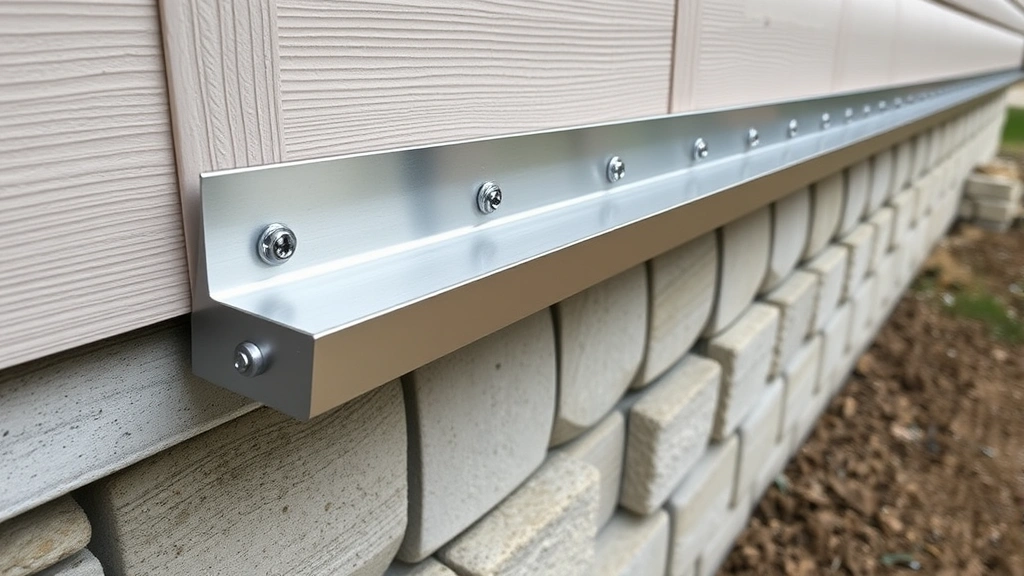
The ledger board connection represents the most critical structural element and the highest safety risk. Spend 2-3 hours ensuring perfect installation: remove siding, install flashing, apply sealant, and space fasteners correctly per structural engineering standards. This meticulous work prevents water intrusion and deck failure. A ledger failure doesn’t just create costly repairs—it creates safety hazards and project halts for inspection.
Use a laser level for ledger installation and beam layout. Manual leveling with water levels or traditional bubble levels takes twice as long and introduces more error. A $30-50 laser level investment saves 3-4 hours on a standard deck and provides accuracy impossible to achieve manually.
Pre-drill all ledger fastener holes rather than driving fasteners directly. This prevents wood splitting and fastener misalignment. A power drill with proper bit speed (1000-1500 RPM for ledger work) completes 16 holes in 8 minutes. Hand-drilling the same holes requires 15-20 minutes and causes more fatigue.
Assemble beam components on the ground using temporary bracing, then lift as complete units. A 12-foot doubled 2×10 beam weighs approximately 80 pounds—manageable for 2-3 people with proper technique. Assembling on-site with posts already set creates awkward angles, safety hazards, and wasted time. Ground assembly takes 45 minutes for a complete beam; site assembly requires 90+ minutes with frustration and errors.
Cut all joist hangers, rim board pieces, and blocking components in batches before installation. Set up a miter saw at ground level with a stop block system. Cutting 20 identical joist sections takes 30 minutes with a stop block; cutting individually requires 60+ minutes with more measurement errors. This batch-processing approach accelerates framing by 25-30%.
Install joists using pneumatic brad nailers for speed, but reserve structural fasteners (joist hangers, rim board nails) for hand-driving or impact drivers. Pneumatic nailers excel at speed but require air compressor setup and maintenance. For 200+ fasteners on a typical deck, compressed air tools save 1-2 hours versus hand-driving.
Decking Installation Methods
Decking installation represents 30-40% of total project time. The spacing system you choose dramatically affects speed. Traditional fixed-spacing (typically 1/8-inch gap for treated lumber, 1/4-inch for composites) requires spacers between every board. Composite decking with thermal expansion requirements demands more careful spacing but eliminates future warping issues.
Use composite decking spacers or temporary shims rather than measuring individual gaps. A set of 50 plastic spacers costs $15-25 and saves 2-3 hours of measurement and adjustment. Professional installers universally use spacing systems—this technique separates efficient builders from frustrated DIYers.
Stagger board joints across multiple joists rather than aligning joints. This distributes load more evenly and creates more attractive appearance. Plan joint locations during framing rather than discovering spacing issues mid-installation. A quick sketch showing board lengths and joint locations prevents expensive cutting errors and material waste.
Pre-drill all decking fastener holes to prevent splitting, particularly on composite materials and hardwoods. This adds 15-20 seconds per board but prevents material damage that requires replacement. The slight time investment saves money and maintains schedule by preventing rework.
Establish an assembly line: one person cuts boards, another positions and spaces them, and a third fastens. This rhythm accelerates installation dramatically. A single person installing decking alone completes 40-50 linear feet per day; a coordinated 3-person team achieves 120-150 linear feet daily. For a 400-square-foot deck, this difference represents 2-3 days versus 4-5 days.
Consider composite decking boards with hidden fastener systems for premium appearance. While requiring precise installation and specialized fasteners, they eliminate screw heads and associated finishing work. The 10-15% longer installation time pays dividends in final appearance and reduced maintenance.
Railings and Finishing Touches
Railings and stairs represent the final 15-20% of timeline but demand the highest precision. Building code compliance for railings is non-negotiable—42-inch height, 4-inch sphere rule (preventing child entrapment), and specific load requirements. Verify exact specifications with your ICC jurisdiction before purchasing materials.
Pre-fabricated railing systems accelerate installation dramatically. While costing more than custom-built railings, they typically install in 40-50% of the time required for site-built options. For a 40-linear-foot deck perimeter, pre-fab systems save 4-6 hours of layout, cutting, and assembly.
Install stair stringers and treads as a complete unit after the main deck structure passes inspection. Stairs represent the most dangerous component—improper rise/run ratios create tripping hazards. Invest 3-4 hours in precise stair layout and testing. A professional stair calculator ($25-50 software) prevents costly measurement errors.
Finish decking surfaces after installation completion rather than during. Applying stain or sealant to individual boards during installation creates drips, uneven coverage, and scheduling conflicts. Complete the structure, then schedule finishing during a weather window with 3+ consecutive dry days. This separation of concerns accelerates the structural build phase.
For treated lumber, allow 3-6 months of weathering before staining. Rushing to finish new pressure-treated wood results in poor stain adhesion and premature failure. Plan your build for spring completion, allowing summer weathering before fall staining. This scheduling reality doesn’t delay your project—it optimizes final results.
Common Mistakes That Slow Progress
Undersized material orders represent the most common delay. A single missing component halts work while you wait for supplier delivery. Order all materials with 10-15% overage for waste, mistakes, and future repairs. The modest extra cost ($50-100) prevents frustrating delays and provides spare parts for future maintenance.
Inadequate tool preparation creates countless delays. Before starting, verify that all power tools function properly, batteries charge fully, and fastener supplies are complete. A dead battery mid-installation wastes 30 minutes charging time. Professional builders maintain backup batteries and chargers specifically to prevent this scenario.
Poor weather planning creates unpredictable delays. Rain prevents fastening, particularly with composite materials and pneumatic tools. Monitor forecasts 2 weeks in advance and schedule intensive work during stable weather windows. Build flexibility into your timeline—assume 20-30% weather delays in rainy climates.
Inadequate helper coordination wastes parallel work opportunities. Establish clear task assignments and communication systems. Use simple checklists and walkie-talkies for larger projects. Miscommunication between helpers creates rework and frustration that adds 1-2 hours daily.
Skipping the ledger board flashing installation accelerates the build timeline by 2-3 hours but creates water damage risks requiring expensive repairs within 2-5 years. Never skip structural or weatherproofing steps to save time. These shortcuts create future project delays vastly exceeding initial time savings.
Ignoring inspection scheduling requirements halts progress unexpectedly. Contact your building department immediately after completing each phase. Waiting until the final inspection to discover code violations requires expensive rework. Proactive communication with inspectors prevents surprises and maintains momentum.
Using incorrect fastener types creates rework and safety issues. Deck-specific fasteners (stainless steel, hot-dipped galvanized, or composite-rated) cost slightly more but prevent corrosion, staining, and fastener failure. Cheap fasteners rust within 1-2 years, requiring replacement—a far more expensive proposition than using correct fasteners initially.
FAQ
How long does a 12×16 deck take to build?
A standard 12×16-foot deck with pressure-treated framing and composite decking typically requires 24-40 hours of labor spread across 3-5 weekends. This assumes proper planning, adequate helpers, and no weather delays. Simpler designs with treated lumber throughout may complete in 20-24 hours; complex multi-level designs with elaborate railings may require 50+ hours.
Can I speed up deck building by skipping permits?
No. Unpermitted decks create liability, insurance, and resale complications. More importantly, building without permits often means skipping inspections that catch safety issues. The 1-2 week permit delay prevents far costlier project halts from surprise code violations discovered mid-build. Permits are non-negotiable for proper, safe construction.
What’s the fastest decking material to install?
Pressure-treated lumber installs fastest because it requires no special fasteners or spacing considerations beyond standard practices. Composite decking requires more careful spacing and fastener selection but eliminates post-build finishing time. For pure installation speed, treated lumber wins; for total project time including finishing, composite often equals or beats treated lumber.
Should I hire professionals or DIY my deck?
Professional installation costs 2-3x more than DIY but completes in 40-50% of the time. For a $3,000-4,000 material deck, professional labor ($3,000-6,000) makes sense if your time is valuable. For learning-focused projects or tight budgets, DIY with proper planning achieves professional-quality results in extended timeline. Home improvement projects teach valuable skills applicable across future renovations.
How do weather conditions affect deck building timeline?
Rain prevents fastening and creates slippery safety hazards. Snow and freezing temperatures halt work entirely. High winds complicate beam installation and railing work. Plan deck projects for stable weather seasons—spring through early fall in most climates. Budget 20-30% additional timeline for weather delays in naturally wet regions. Conversely, dry climates allow more predictable scheduling.
What inspection points slow deck projects most?
Ledger board inspections delay projects when improper flashing or fastener spacing is discovered. Foundation inspections may reveal inadequate frost depth in cold climates. Railing inspections commonly find code violations requiring redesign. Schedule pre-inspections with your building department before starting to clarify exact requirements and avoid mid-project surprises.
Is composite decking worth the extra cost for faster overall completion?
Composite decking costs 30-40% more than treated lumber but eliminates 8-12 hours of annual maintenance (staining, sealing, power washing). Over a 20-year deck lifespan, composite saves 160-240 hours of maintenance labor. For the DIY builder valuing their time, composite decking pays for itself within 3-5 years through eliminated maintenance. The installation speed difference is modest, but total project time including future maintenance heavily favors composite.


