How Long for Grass Seed to Sprout? Complete Gardener’s Guide
One of the most common questions homeowners ask when starting a lawn is: how long does grass seed take to sprout? The answer isn’t as simple as a single timeframe, as sprouting depends on multiple factors including grass type, soil temperature, moisture levels, and environmental conditions. Understanding the germination timeline helps you set realistic expectations and maintain proper care during this critical establishment phase.
Whether you’re overseeding an existing lawn, establishing a brand-new yard, or filling in bare patches, knowing what to expect during the sprouting process ensures you won’t abandon your project prematurely or make costly mistakes. This comprehensive guide breaks down grass seed germination timelines, environmental factors, and expert tips to accelerate sprouting and achieve a lush, healthy lawn.
Grass Seed Germination Timeline
Most grass seeds germinate within 7 to 14 days under optimal conditions, though some varieties may take up to 21 days. This initial sprouting phase is when the seed absorbs water, activates metabolic processes, and the radicle (root) emerges from the seed coat. You won’t see visible above-ground growth immediately—the first week focuses on root development beneath the soil surface.
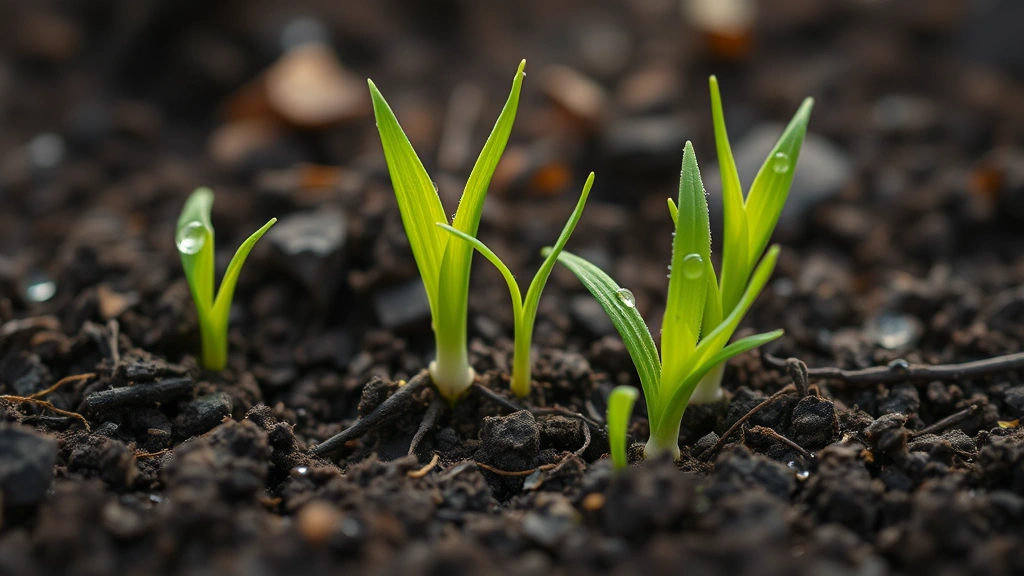
By day 7-10, you should observe small green shoots pushing through the soil surface. These delicate seedlings are incredibly vulnerable during this stage and require consistent moisture without waterlogging. The seedling stage continues for 3-4 weeks after sprouting, during which the grass develops its root system and leaf structure. Full establishment typically takes 6-8 weeks, at which point the lawn can handle light foot traffic.
Understanding this timeline prevents the common mistake of declaring failure too early. Many frustrated homeowners give up after 10 days, assuming their seed failed, when germination simply hasn’t reached visible stages yet. Patience combined with proper care yields significantly better results.
Factors Affecting Sprouting Speed
Multiple environmental and preparation factors influence how quickly grass seed sprouts. The primary variables include soil temperature, moisture consistency, seed quality, soil composition, and sunlight exposure. Each factor plays a critical role in determining whether your seed germinates on schedule or experiences delays.
Seed Quality and Age: Fresh, high-quality seed germinates faster than old or low-quality seed. Check your seed bag for a germination percentage (typically 85-95% for quality seed) and use seed within one year of purchase when possible. Expired or improperly stored seed has reduced viability and slower sprouting times.
Soil Preparation: Properly prepared soil dramatically accelerates sprouting. Compacted soil restricts water penetration and root development, delaying germination. Loosen soil to at least 2-3 inches deep, remove debris, and incorporate organic matter like compost. Good soil-to-seed contact is essential—use a roller after seeding to ensure seeds nestle into the soil properly.
Sunlight Exposure: Most grass species require adequate light for optimal germination, though some cool-season grasses tolerate partial shade. Ensure your seeding area receives appropriate sunlight for your grass type. Shaded areas may experience slower sprouting due to lower temperatures and reduced light intensity.
Sprouting Times by Grass Type
Different grass species have distinct germination timelines. Understanding which type you’re planting helps set accurate expectations for sprouting duration.
Cool-Season Grasses (7-14 days): Perennial ryegrass, fescue, and bluegrass are popular in northern climates and germinate relatively quickly. Perennial ryegrass typically sprouts in 5-10 days, making it ideal for impatient homeowners. Kentucky bluegrass takes 14-21 days but develops excellent root systems. Tall fescue germinates in 7-12 days and tolerates various soil conditions well. These grasses prefer spring and fall seeding when soil temperatures are cool.
Warm-Season Grasses (14-21 days): Bermuda grass, zoysia, and St. Augustine grass require warmer soil temperatures and take longer to sprout. Bermuda grass typically needs 14-21 days and prefers late spring or early summer seeding. Zoysia is slower, requiring 21 days or more, making it less suitable for impatient gardeners. Warm-season grasses won’t germinate properly until soil reaches 60-70°F consistently.
Selecting the right grass type for your climate zone and seeding season significantly impacts sprouting speed. Check Turfgrass Producers International recommendations for your region to choose varieties that germinate reliably in your conditions.
Soil Temperature Requirements
Soil temperature is perhaps the single most important factor controlling grass seed germination speed. Seeds won’t sprout reliably until soil reaches minimum temperatures specific to each grass type, and germination accelerates significantly as temperatures increase within the optimal range.
Cool-Season Grass Temperature Range: Cool-season grasses germinate best between 60-75°F soil temperature, with optimal germination occurring around 68-70°F. These grasses can tolerate cooler temperatures and will eventually sprout at 50°F, but germination slows considerably. Below 40°F, germination essentially stops. This is why spring and fall are ideal seeding seasons in northern regions—soil temperatures naturally fall within the optimal range.
Warm-Season Grass Temperature Range: Warm-season grasses require consistently warmer soil, with germination beginning around 65-70°F and optimal sprouting between 80-90°F. These grasses won’t germinate reliably until late spring when soil warms significantly. Attempting to seed warm-season grass too early in spring results in seed dormancy or rot rather than germination.
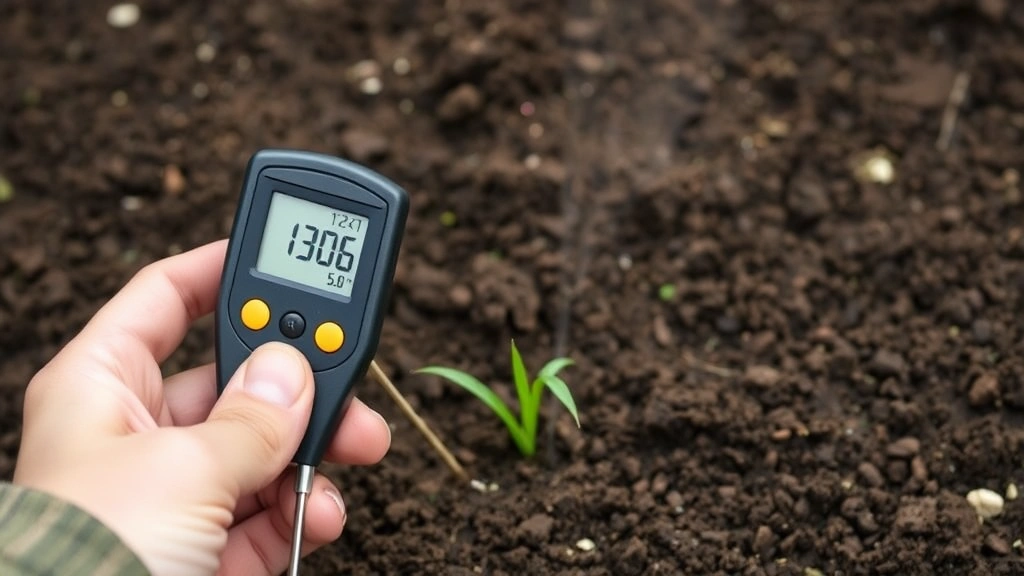
Measure soil temperature using a soil thermometer inserted 2-4 inches deep, taking readings early morning for accuracy. Wait until soil consistently maintains the minimum temperature for your grass type before seeding. Seeding too early in cool weather delays sprouting unnecessarily and increases disease risk.
Moisture Management During Germination
Consistent moisture is absolutely critical during germination, but excess water is equally problematic. Seeds need constant moisture to activate germination processes, yet waterlogged soil promotes fungal diseases and seed rot. Finding the right balance requires attention and understanding.
Optimal Moisture Levels: Soil should feel like a wrung-out sponge during germination—moist but not soggy. Water deeply enough that moisture penetrates 2-3 inches into the soil where seeds rest. Light, frequent watering keeps the soil surface moist but fails to reach seeds, while infrequent deep watering causes surface drying and uneven germination.
Watering Schedule: Water newly seeded areas twice daily in the morning and evening during the germination phase. Early morning watering prevents disease, while evening watering provides moisture overnight when evaporation is minimal. Once seedlings emerge and develop their first true leaves (around week 3-4), gradually reduce watering frequency while increasing application depth to encourage deeper root development.
Preventing Overwatering Damage: Excessive moisture promotes damping-off disease, a fungal infection that kills seedlings at the soil line. Improve drainage by avoiding seeding in low-lying areas prone to standing water. If you experience heavy rainfall during germination, ensure adequate surface drainage to prevent pooling.
Consider installing a simple drip irrigation system or soaker hoses for consistent, controlled watering. This approach delivers moisture directly to soil while minimizing disease risk compared to overhead sprinklers that wet foliage.

How to Accelerate Grass Seed Sprouting
While you cannot fundamentally speed up biological germination processes, several techniques optimize conditions to support faster sprouting within each grass variety’s natural timeline.
Pre-Germination Soaking: Soak seed in room-temperature water for 24 hours before planting to activate metabolic processes and reduce germination time by 1-2 days. Drain thoroughly before spreading to prevent clumping. This technique works best for small seeding projects and requires careful handling to avoid seed damage.
Seed Coating and Treatments: Some premium grass seed products include germination-enhancing coatings containing nutrients, biofungicides, and moisture-retentive materials. These coatings support faster sprouting and reduce disease risk. While more expensive than untreated seed, they deliver reliable results for larger projects.
Optimal Soil Preparation: Invest time in thorough soil preparation before seeding. Loosen compacted soil, remove rocks and debris, and incorporate 1-2 inches of quality compost. Well-prepared soil provides ideal conditions for rapid water penetration and root development, effectively reducing sprouting delays caused by poor soil structure.
Timing Your Seeding: Schedule seeding when soil temperature is at or above the optimal range for your grass type. Seeding when conditions are already favorable accelerates sprouting compared to seeding early and waiting for soil to warm. Check local weather service forecasts and soil temperature data before proceeding.
Using Starter Fertilizer: Apply a starter fertilizer formulated for new seedlings during seeding. These products contain higher phosphorus levels that stimulate root development and can accelerate germination by 2-3 days. Follow package directions carefully to avoid salt burn on delicate seedlings.
Common Mistakes That Delay Sprouting
Understanding what slows or prevents germination helps you avoid costly errors that extend your wait for green grass.
Seeding Too Early in Spring: Many homeowners seed cool-season grasses in early spring when soil is still cold. While these seeds eventually sprout, they germinate slowly and risk fungal diseases in cool, wet conditions. Wait until soil consistently reaches 50-60°F for cool-season varieties before seeding.
Inadequate Seed-to-Soil Contact: Seed scattered on top of unprepared soil fails to germinate because it dries out and lacks moisture contact. Always rake or roll seed into soil after spreading to ensure proper contact. A light mulch of straw (1/4 inch) helps retain moisture without smothering seedlings.
Inconsistent Watering: Letting seeded areas dry out between waterings kills germinating seeds and delays sprouting significantly. Establish a consistent watering schedule and maintain it religiously during the germination phase. Automatic irrigation systems eliminate guesswork and human error.
Using Old or Low-Quality Seed: Seed older than one year or with germination rates below 80% sprouts slowly or fails entirely. Always purchase fresh seed from reputable suppliers and check germination percentages on the bag. Buying cheap seed often costs more in the long run due to poor results and wasted effort.
Planting Wrong Grass Type for Season: Seeding warm-season grass in early spring or cool-season grass in summer results in failed germination or dormancy. Match your grass type to the appropriate seeding season. Cool-season grasses seed best in spring and fall, while warm-season grasses seed in late spring and early summer.
Overwatering and Waterlogging: While moisture is essential, soggy soil promotes damping-off disease and seed rot. Ensure adequate drainage and avoid daily overhead watering that keeps foliage wet. Water in early morning when possible to allow surfaces to dry during the day.
Visit the International Code Council for landscaping and outdoor construction standards that may apply to large-scale seeding projects, and consult your local USDA Natural Resources Conservation Service office for regional grass selection guidance.
FAQ
Can I speed up grass seed germination with heat?
While warmth accelerates germination, artificially heating soil isn’t practical for most homeowners. Instead, time your seeding to coincide with naturally warm soil temperatures. For cool-season grasses, spring and fall provide ideal conditions without artificial intervention. For warm-season grasses, wait until late spring when soil naturally warms to 70°F or higher.
What should I do if grass seed hasn’t sprouted after 21 days?
If no sprouting appears after 21 days, troubleshoot potential problems: Check soil temperature—if below optimal range, germination simply hasn’t occurred yet. Inspect soil moisture—it should feel consistently moist, not dry or waterlogged. Examine seed quality by performing a germination test: place 10 seeds on moist paper towels, roll them up, keep them warm and moist for 10 days, then count how many sprout. If less than 80% germinate, your seed may be old or defective. Consider reseeding with fresh, quality seed and improved soil preparation.
Is it normal for grass to sprout unevenly?
Uneven sprouting is common and usually results from inconsistent moisture, variable soil temperature, or poor seed-to-soil contact. Areas that germinate first typically had better moisture contact or slightly warmer soil. Continue consistent care—later-sprouting areas usually catch up within a week or two. If significant areas fail to sprout after 3 weeks, reseed those spots with fresh seed and improved soil preparation.
Can I walk on newly sprouted grass?
Avoid foot traffic on newly sprouted grass for at least 3-4 weeks. Seedlings are extremely fragile and easily damaged by pressure. Once grass reaches 3-4 inches tall and develops a more established root system, you can gradually introduce light foot traffic. Full establishment for moderate foot traffic typically requires 6-8 weeks of growth.
Should I fertilize while grass seed is germinating?
Apply starter fertilizer at seeding time to support germination and early growth. However, avoid applying regular lawn fertilizer until seedlings are well-established (4-6 weeks old). High nitrogen fertilizers can burn delicate seedlings and promote disease. Wait until grass reaches 3-4 inches tall and has been mowed once before applying regular maintenance fertilizer.
What’s the difference between dormancy and failed germination?
Dormancy occurs when seeds are viable but haven’t sprouted due to unfavorable conditions—usually cool soil temperature. Dormant seeds will eventually germinate when conditions improve. Failed germination means seeds are dead and won’t sprout regardless of conditions. Quality seed from reputable sources rarely fails; poor results typically indicate dormancy due to environmental conditions rather than seed death.


