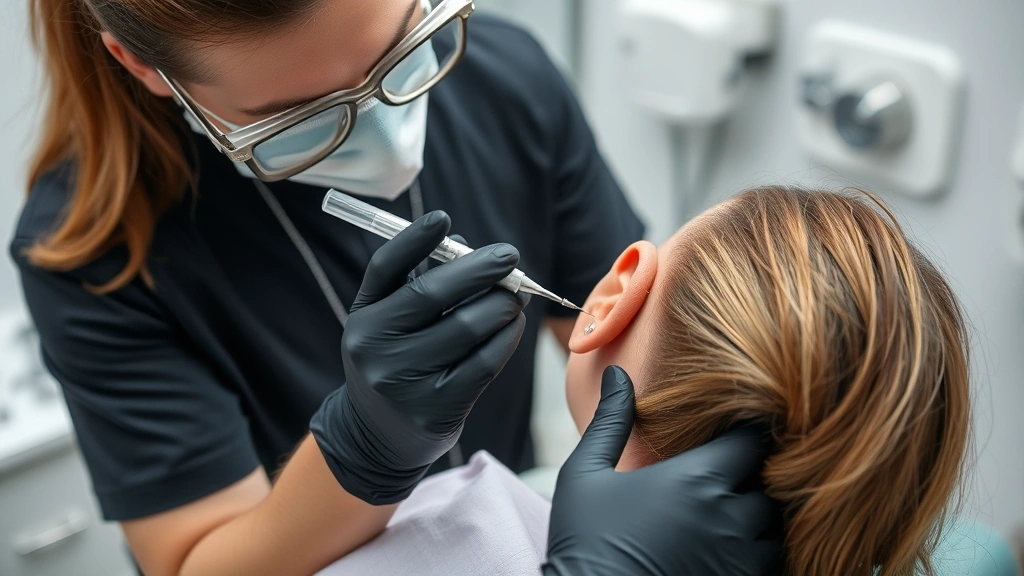
Ear Piercing Healing Time: Expert Advice for Safe and Successful Recovery
Ear piercing is one of the most popular forms of body modification, with millions of people getting their ears pierced each year. However, many people underestimate the importance of proper aftercare and healing time. Whether you’re considering your first ear piercing or adding to an existing collection, understanding the healing timeline is crucial for preventing infections and ensuring your piercing settles properly. The healing process involves complex biological responses, and rushing through it can lead to complications that may require professional intervention.
The duration of ear piercing healing varies depending on several factors, including the location of the piercing, your individual healing capacity, and how diligently you follow aftercare protocols. Most standard earlobe piercings take between 6 to 8 weeks to heal, while cartilage piercings require significantly longer—anywhere from 4 months to a year or more. Understanding these timelines helps you make informed decisions about jewelry changes and when it’s safe to resume normal activities without risking your new piercing.
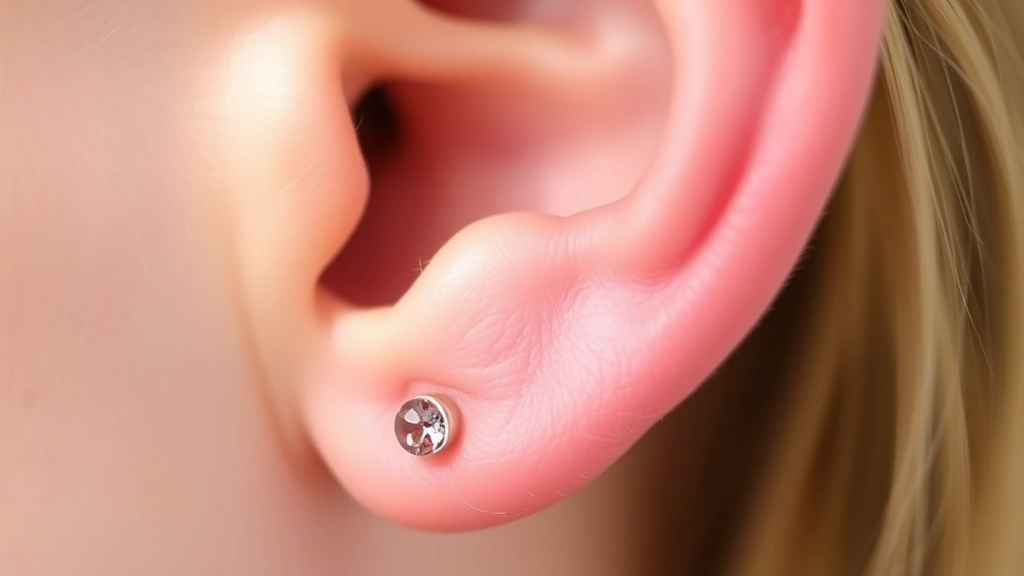
Understanding the Ear Piercing Healing Timeline
The healing process for ear piercings occurs in distinct phases, each with specific biological activity. When you get a piercing, you’re creating a wound that your body must close and reinforce. This isn’t simply about skin closing over—your body is actually forming a new tissue tunnel that will eventually line with epithelial cells, creating a permanent channel for jewelry.
During the first 24 to 48 hours after piercing, your ear will experience inflammation, redness, and mild swelling. This is a normal immune response as your body identifies the piercing as an injury and begins the healing process. You may notice slight discharge, which can range from clear to yellowish. Some people also experience minor bleeding, particularly if the piercer used a gun rather than a needle. This initial phase is critical because your piercing is most vulnerable to infection during this window.
The second phase, lasting roughly 2 to 6 weeks, involves the formation of the epithelial lining. During this time, your body is actively working to create a protective layer around the jewelry. The piercing may still appear slightly red or swollen, and you might notice occasional discharge. This is when many people make the mistake of changing their jewelry too early, which can interrupt the healing process and introduce bacteria into the fresh wound.
The final phase extends from week 6 onwards, where the piercing continues to strengthen and stabilize. Even though your piercing might look healed on the outside, the tissue tunnel is still maturing internally. This is why it’s important to leave jewelry in place and continue proper care even after the visible signs of healing have subsided.
Earlobe Piercing Healing Duration
Earlobe piercings are the most common type of ear piercing and generally have the fastest healing time. The earlobe contains primarily soft tissue with excellent blood circulation, which promotes faster healing. Most earlobe piercings are considered fully healed within 6 to 8 weeks, though some sources extend this to 12 weeks for complete tissue maturation.
The reason earlobe piercings heal relatively quickly compared to other body piercings is the rich vascular supply in this area. Blood carries oxygen and nutrients necessary for tissue repair, and the earlobe’s abundant blood vessels ensure these healing resources reach the piercing site efficiently. Additionally, the earlobe is less subject to constant movement and friction compared to other piercing locations, which reduces irritation during the healing phase.
However, “healed” doesn’t necessarily mean you can treat your piercing carelessly. Even after 8 weeks, the tissue tunnel is still relatively young and can close up quickly if you leave jewelry out for extended periods. Many piercers recommend keeping jewelry in your earlobe piercings for at least 6 months before attempting to go without them for more than a few hours. If you want to change your jewelry frequently, waiting the full 12 weeks ensures maximum stability.
The quality of your initial piercing significantly impacts healing time for earlobe piercings. Professional piercers using sterile needles typically see faster, complication-free healing compared to piercings done with guns, which can cause more tissue trauma. If you’re considering an earlobe piercing, investing in a professional piercer is worth the extra cost for better healing outcomes.
Cartilage Piercing Healing Duration
Cartilage piercings—including those on the upper ear, helix, conch, and tragus—require significantly longer healing times than earlobe piercings. The cartilage in your ear has a much more limited blood supply compared to the fleshy earlobe, which means healing nutrients reach the area more slowly. Most cartilage piercings require 4 to 12 months to heal completely, with some taking up to a year or longer.
The specific location of your cartilage piercing affects healing time considerably. A standard helix piercing (on the upper curved part of your ear) typically takes 6 to 9 months to heal. Industrial piercings, which connect two points of cartilage with a single bar, often take 9 to 12 months or longer because they involve two separate piercing sites. Conch piercings, located in the inner bowl of the ear, can take 8 to 12 months due to the thickness of cartilage in that area.
Cartilage piercings are also more prone to complications during healing. The reduced blood flow means your immune system takes longer to establish protective barriers around the jewelry. Keloids—raised scar tissue that forms around the piercing—are more common with cartilage piercings, particularly in people with darker skin tones. Hypertrophic scarring and embedded jewelry are also more frequent complications with cartilage piercings compared to earlobe piercings.
Because cartilage healing takes so long, it’s especially important to avoid changing jewelry during the healing period. The constant irritation from jewelry changes can restart the healing process or introduce infection. Most professional piercers recommend waiting at least 6 months before even considering a jewelry change for cartilage piercings, and many suggest waiting the full healing period of 9 to 12 months.
Factors That Affect Healing Speed
While the general timelines for ear piercing healing are well-established, numerous individual factors can accelerate or slow down your specific healing process. Understanding these variables helps you set realistic expectations and take appropriate action if your healing seems to be progressing abnormally.
Age and Overall Health: Younger people generally heal faster than older adults due to more efficient immune function and cellular regeneration. However, teenagers and young adults should also be mindful of their habits—excessive touching and playing with new piercings can interfere with healing even in younger bodies. People with compromised immune systems, whether from illness, medication, or chronic conditions, may experience slower healing. If you have diabetes, autoimmune disorders, or are taking immunosuppressant medications, discuss ear piercing with your healthcare provider before getting pierced.
Piercing Technique and Equipment: The method used to create your piercing dramatically impacts healing time. Needle piercings create cleaner wounds with less tissue trauma, resulting in faster and more predictable healing. Piercing guns, by contrast, use blunt force to separate tissue, causing micro-tears and irregular wound edges. This increased trauma can extend healing time by several weeks and increases infection risk. Always choose a professional piercer using sterile needles rather than attempting DIY piercing or visiting inexperienced practitioners.
Jewelry Material: The type of metal in your initial jewelry affects how your body responds during healing. Surgical stainless steel, titanium, and solid gold are excellent choices for initial piercings because they’re biocompatible and less likely to trigger allergic reactions. Nickel-containing alloys, cheap metals, and plated jewelry can cause allergic reactions and inflammatory responses that slow healing. Ensure your initial jewelry is made from high-quality materials—this is not an area to economize.
Aftercare Consistency: How diligently you follow aftercare instructions directly impacts healing speed. Consistent saline solution cleaning, avoiding unnecessary touching, and keeping the area dry accelerate healing. Conversely, neglecting aftercare, using harsh soaps, and constantly rotating jewelry can extend healing time by weeks or months. Your commitment to proper care is one of the few healing factors you can directly control.
Lifestyle Factors: Sleep quality, nutrition, stress levels, and smoking status all influence healing. People who sleep well, eat nutritious diets rich in protein and vitamins, and manage stress heal faster. Smoking constricts blood vessels and impairs immune function, significantly slowing healing. If you smoke, consider quitting before getting pierced, or at minimum reduce smoking during the healing period. Alcohol consumption can also slow healing and increase infection risk.
Essential Aftercare Steps for Optimal Healing
Proper aftercare is the most critical factor in ensuring your ear piercing heals correctly and completely. While the biological timeline for healing is largely fixed, your actions during the healing period determine whether you experience smooth, complication-free healing or encounter problems that extend recovery time.
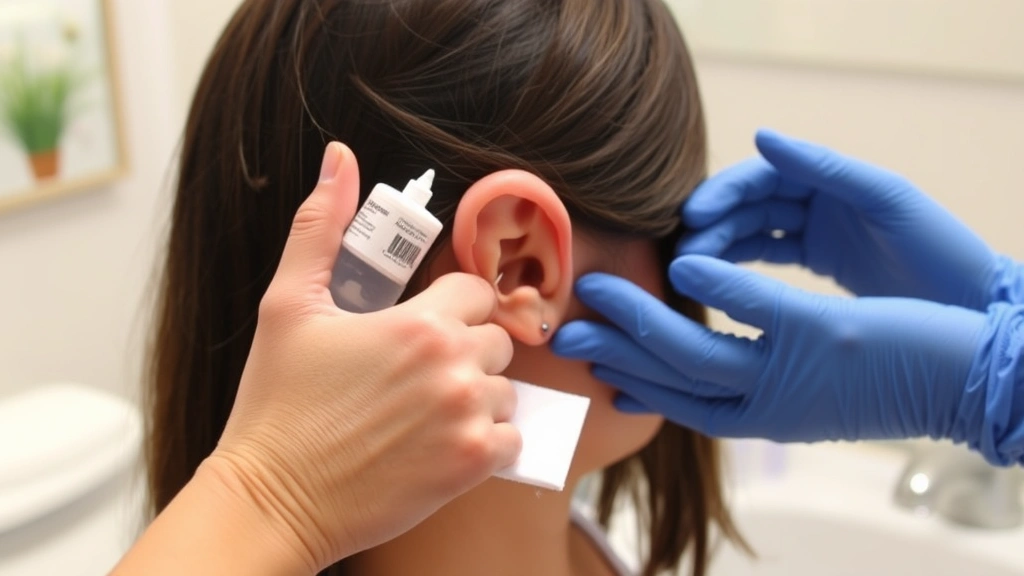
Saline Solution Cleaning: The foundation of ear piercing aftercare is regular saline solution cleaning. Use a sterile saline solution specifically formulated for wound care—you can purchase pre-made solutions at pharmacies or make your own by dissolving 1/4 teaspoon of non-iodized salt in 8 ounces of warm distilled water. Clean your piercing twice daily, morning and evening, by soaking a clean cotton pad in the solution and gently pressing it against the piercing for 5 to 10 minutes. This removes debris and discharge while maintaining the proper pH environment for healing.
Avoid using hydrogen peroxide, alcohol, or antibiotic ointments, despite their popularity. These products can dry out the piercing, kill beneficial bacteria, and actually slow healing. Harsh mouthwash and astringent products are similarly counterproductive. Stick with simple saline solution—it’s gentle, effective, and won’t interfere with your body’s natural healing processes.
Minimize Touching and Manipulation: Resist the urge to touch, twist, or rotate your jewelry. Every time you manipulate your piercing, you introduce bacteria and create micro-injuries that interrupt healing. This is particularly important during the first 2 to 4 weeks when the wound is most vulnerable. Keep your hands away from your piercing except during scheduled cleaning times. If you must touch your piercing, wash your hands thoroughly first.
Avoid Water Exposure: While saline cleaning is essential, uncontrolled water exposure from swimming, hot tubs, and showers can introduce bacteria. During the initial healing phase, try to keep your piercing dry between cleanings. If you shower, pat the area dry gently with a clean paper towel afterward. Avoid swimming in pools, oceans, and hot tubs for at least the first 4 to 6 weeks. These environments contain bacteria that can cause infections in fresh piercings.
Sleep Position Considerations: If you pierced your ear on one side, try to sleep on the opposite side during the first 2 to 4 weeks. This prevents pressure and friction on the fresh piercing. If you’re a restless sleeper, consider using a specialized piercing pillow with a hole in the center to relieve pressure on ear piercings.
Jewelry Stability: Ensure your jewelry fits properly and stays secure. Loose jewelry moves around in the piercing channel, causing irritation and slowing healing. Excessively tight jewelry can restrict blood flow and cause complications. Your initial jewelry should be snug but not painfully tight. If you’re unsure about fit, return to your piercer for adjustment.
Signs of Infection and When to Seek Help
While most ear piercings heal without complications, infections can occur if proper care isn’t maintained. Recognizing the signs of infection early allows you to seek treatment before the problem becomes serious. This is similar to identifying issues with drying times for materials—timing is critical.
Normal Healing Signs: Some discharge and mild swelling are normal during the first few weeks. Clear to slightly yellowish fluid is your body’s natural response. Mild redness around the piercing site, slight warmth, and minor tenderness are also expected. These symptoms should gradually improve over the first 2 to 3 weeks.
Infection Warning Signs: Contact your piercer or healthcare provider if you notice:
- Excessive redness that spreads beyond the immediate piercing area
- Increasing swelling after the first week
- Thick, green, or foul-smelling discharge
- Persistent pain that doesn’t improve with care
- Fever or chills
- Warm to hot sensation around the piercing
- Pus formation
- Red streaks extending from the piercing (sign of serious infection)
Infections can develop gradually or appear suddenly. If you notice any of these signs, don’t wait—seek professional help promptly. Minor infections can often be treated with enhanced aftercare and antibiotics. Serious infections may require professional drainage and systemic antibiotics prescribed by a doctor.
Keloid and Scarring Issues: Some people develop raised scar tissue around their piercings. This is more common with cartilage piercings and in people with darker skin tones. While not an infection, keloids and hypertrophic scars can be uncomfortable and cosmetically concerning. If you notice excessive scar tissue forming, consult a dermatologist about treatment options.
Common Mistakes That Delay Healing
Many people inadvertently extend their healing time by making preventable mistakes during the recovery period. Being aware of these common errors helps you avoid them and stay on track with proper healing timelines.
Changing Jewelry Too Early: This is the most common mistake people make. The urge to change jewelry or “test” if your piercing is healed often leads to interrupted healing. Even if your piercing looks healed externally after 4 to 6 weeks, the internal tissue tunnel is still forming. Removing jewelry restarts the healing process and risks closure or infection. Wait the full recommended time before changing jewelry—6 to 8 weeks minimum for earlobe piercings, 6 to 12 months for cartilage piercings.
Using Harsh Cleaning Products: Many people believe that more aggressive cleaning accelerates healing. This is incorrect. Hydrogen peroxide, rubbing alcohol, and harsh soaps kill the protective bacteria and dry out the piercing, actually slowing healing. Stick with gentle saline solution as recommended by professional piercers.
Sleeping on the Pierced Ear: Constant pressure and friction from sleeping on your fresh piercing irritates the wound and slows healing. This is particularly problematic during the first month when the piercing is most vulnerable. Make a conscious effort to sleep on the opposite side.
Excessive Touching and Rotation: Each time you touch, twist, or rotate your jewelry, you introduce bacteria and cause minor trauma. This resets the healing clock and increases infection risk. Hands off until your piercer gives you the all-clear.
Ignoring Minor Complications: Small issues like mild irritation or slight swelling can develop into serious problems if ignored. Address complications early rather than hoping they’ll resolve on their own. When in doubt, contact your piercer or healthcare provider.
Swimming and Water Exposure: Chlorinated pools, saltwater, and hot tubs contain bacteria that thrive in the warm, moist environment of a fresh piercing. Avoiding these environments during the initial healing phase prevents many infections. This precaution is as important as allowing proper drying time for finishing materials in construction projects.
Choosing Cheap Initial Jewelry: The jewelry you wear during healing directly contacts your wound. Low-quality metals cause allergic reactions and inflammation that extend healing time. Invest in high-quality titanium or solid gold for your initial piercing. You can switch to cheaper jewelry later once healing is complete.
FAQ
How long does it take for an ear piercing to stop hurting?
Most ear piercings stop being significantly painful within the first 24 to 48 hours. However, you may experience mild tenderness and sensitivity for 2 to 4 weeks. If pain increases after the first few days or persists intensely beyond 2 weeks, this may indicate an infection or complication requiring professional attention.
Can I change my earlobe piercing jewelry after 4 weeks?
While your piercing may look healed after 4 weeks, the internal tissue tunnel is still forming. Most professional piercers recommend waiting 6 to 8 weeks before changing jewelry on earlobe piercings. Waiting 12 weeks provides even greater assurance of complete healing and stability. Changing jewelry too early risks closure or infection.
Why is my ear piercing still swollen after 2 months?
Persistent swelling after 2 months may indicate an allergic reaction to jewelry material, an infection, or irritation from jewelry movement. Ensure your jewelry is high-quality titanium or solid gold. If swelling persists despite proper care and appropriate jewelry, consult your piercer or a healthcare provider.
Is it normal to have discharge from a new ear piercing?
Clear to slightly yellowish discharge is normal during the first 2 to 4 weeks as your body responds to the wound. However, thick, green, foul-smelling, or excessive discharge indicates infection. Maintain twice-daily saline cleaning to manage normal discharge and monitor for signs of infection.
How long should I wait before swimming after getting my ears pierced?
Avoid swimming in pools, oceans, and hot tubs for at least 4 to 6 weeks after getting your ears pierced. These environments contain bacteria that can cause infections in fresh piercings. Showers are generally safe if you pat your piercing dry immediately afterward, but full water immersion should be avoided during early healing.
What’s the difference between a healed and fully healed ear piercing?
A piercing is considered “healed” when the external wound has closed and the epithelial lining has formed, typically 6 to 8 weeks for earlobe piercings. However, “fully healed” refers to complete tissue maturation and stabilization, which can take 6 to 12 months. During the intermediate period, you should still treat your piercing carefully and avoid frequent jewelry changes.
Can cartilage piercings close up if I remove the jewelry?
Yes, cartilage piercings can close relatively quickly if jewelry is removed, especially before complete healing. Some cartilage piercings can start closing within hours of removing jewelry. Even after months of healing, you may not be able to reinsert jewelry after leaving it out for extended periods. Keep jewelry in your cartilage piercings continuously until you’re certain they’re fully stable, and even then, avoid leaving them empty for more than a few hours unless you’re prepared to potentially lose the piercing.
Does the type of piercing gun versus needle matter for healing time?
Yes, significantly. Needle piercings create cleaner wounds with less tissue trauma, resulting in faster, more predictable healing with fewer complications. Piercing guns use blunt force that causes micro-tears and irregular wound edges, extending healing time and increasing infection risk. Always choose a professional piercer using sterile needles for optimal healing outcomes.
Understanding ear piercing healing timelines and following proper aftercare is essential for successful results. Whether you’re getting your first earlobe piercing or adding a cartilage piercing to your collection, respecting the healing process prevents complications and ensures your piercing looks and feels its best. For more information about project timelines and patience, check out our DIY Nests Hub Blog for resources on other home projects requiring careful timing.


