Grow a Beard Fast? Expert Tips & Timeline
Growing a beard is a commitment that requires patience, proper care, and realistic expectations about how long the process actually takes. Whether you’re aiming for a full, thick beard or just exploring facial hair for the first time, understanding the timeline and growth factors will help you achieve your goals without frustration. The truth is that beard growth doesn’t happen overnight, but with the right approach and dedication, you can optimize your results and maintain healthy facial hair throughout the journey.
Many men wonder if there are shortcuts to growing a beard faster, and while genetics play the largest role in beard growth rate and thickness, there are proven strategies to support optimal growth conditions. From nutritional support to proper grooming techniques, this comprehensive guide covers everything you need to know about accelerating your beard growth and maintaining quality throughout the process. Understanding the science behind facial hair growth will empower you to make informed decisions about your grooming routine.
Understanding Beard Growth Timeline
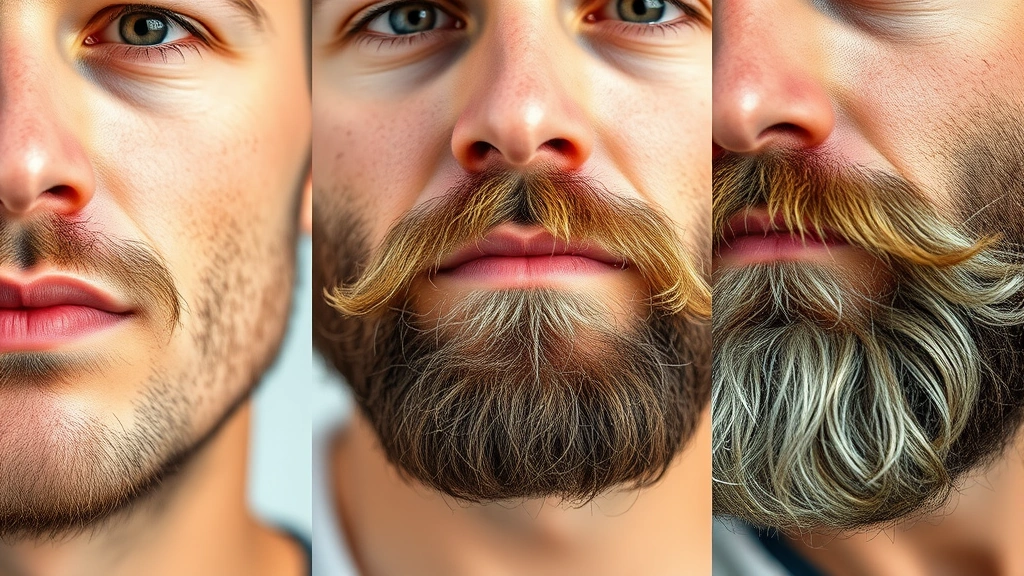
The average beard grows approximately half an inch per month, which means reaching a full, noticeable beard typically requires three to six months of consistent growth. This timeline can vary significantly based on individual factors, but having realistic expectations is crucial for maintaining motivation throughout the process. During the first month, you’ll notice stubble becoming more visible, and by month two, the beard starts taking shape with recognizable length and density.
Month three is often a critical point where many men decide whether to continue or shave. This is when the beard reaches approximately 1.5 inches in length and begins to show its true character. By month four to six, you’ll have a substantial beard that’s long enough to style and shape. If you’re interested in other long-term DIY projects, check out our guide on how long it takes to build a house, which shares similar principles about patience and planning.
The growth phase, called the anagen phase, lasts approximately three to five years for facial hair. This extended growth cycle means your beard can theoretically reach impressive lengths if you maintain it properly. However, not all beard hairs grow at the same rate, and some may stop growing earlier than others, which is why full beards don’t grow infinitely long.
Genetics and Hair Growth Factors
Your genetics determine approximately 80% of your beard growth potential, including thickness, color, and growth rate. If your father and grandfathers had full beards, you likely have the genetic predisposition for substantial facial hair growth. Conversely, if male relatives struggled with patchy or thin beards, you may face similar challenges regardless of external interventions.
Age plays a significant role in beard development. Testosterone levels peak in your late teens and twenties, which is why younger men often experience faster, thicker beard growth. Testosterone is converted to DHT (dihydrotestosterone) in hair follicles, which drives beard growth. By your thirties and beyond, testosterone levels gradually decline, potentially affecting growth rate and density. However, many men report that their beards become fuller and more impressive as they age, possibly due to increased diameter of individual hairs.
Ethnicity influences beard characteristics significantly. Men of Mediterranean, Middle Eastern, and Hispanic descent typically grow thicker, darker beards, while men of Asian descent often experience finer, lighter facial hair. These differences are entirely normal and don’t reflect the quality or masculinity of the beard—they’re simply genetic variations in hair structure and pigmentation.
Hormonal health directly impacts beard growth. Conditions affecting thyroid function, cortisol levels, or overall endocrine balance can slow growth or cause patchiness. If you notice sudden changes in beard growth patterns, consulting a healthcare provider can help identify underlying health issues. Similar to how home security requires attention to multiple systems, beard health depends on various interconnected biological factors.
Nutrition and Supplements for Beard Growth
A well-balanced diet rich in proteins, healthy fats, and essential micronutrients provides the building blocks for robust beard growth. Protein is particularly crucial since hair is composed primarily of keratin, a structural protein. Aim for 0.8 to 1.0 grams of protein per pound of body weight daily, sourced from quality options like lean meats, fish, eggs, and legumes.
Biotin (Vitamin B7) is frequently promoted for hair growth and has some scientific support. This water-soluble vitamin helps convert amino acids into keratin. While deficiency is rare in developed countries, supplementation with 2.5 milligrams daily may support hair strength and growth rate. The National Institutes of Health provides comprehensive biotin information for those considering supplementation.
Vitamin D deficiency has been linked to hair loss and slow growth. If you live in northern climates with limited sun exposure, consider supplementing with 1,000 to 2,000 IU daily during winter months. Iron deficiency can also impair beard growth, particularly in men with heavy bleeding or restrictive diets. Zinc supports testosterone production and hair protein synthesis, making it another valuable micronutrient for beard health.
Omega-3 fatty acids from fish oil or flaxseed support hair follicle health and may reduce inflammation that interferes with growth. Additionally, adequate hydration—typically eight to ten glasses of water daily—ensures your scalp and facial hair receive proper moisture from within. These nutritional foundations work synergistically to create optimal conditions for faster, healthier beard growth.
Consider that comprehensive DIY projects require proper planning and resources, much like optimizing your body’s systems for beard growth requires intentional nutritional choices.
Grooming Practices That Support Growth
Resistance to trimming during the growth phase is a common mistake. However, strategic trimming every four to six weeks actually promotes faster, healthier growth by removing split ends that can travel up the hair shaft and cause breakage. Use sharp scissors or clippers designed for facial hair, and trim only 1/4 inch to remove damaged ends without sacrificing length.
Washing your beard properly prevents buildup and irritation that can slow growth. Use lukewarm water and a beard-specific cleanser or gentle facial soap two to three times weekly. Avoid hot water, which opens hair cuticles and increases moisture loss. Pat dry gently with a soft towel—rubbing vigorously causes breakage and damage. Many men find that reducing wash frequency actually improves growth by maintaining natural oils that protect the hair shaft.
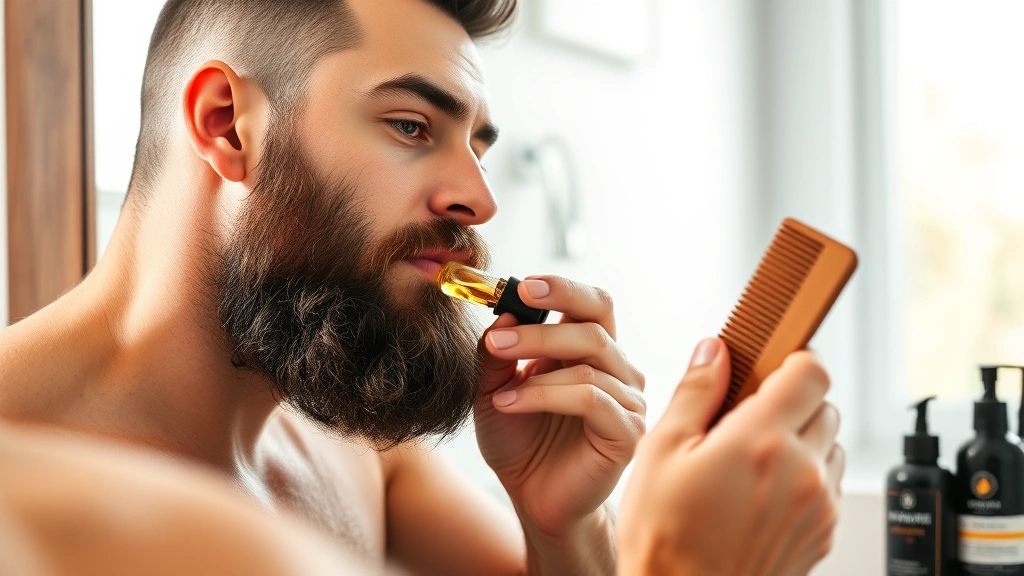
Beard oil and balm serve multiple functions: they moisturize the skin underneath, reduce itchiness during growth phases, and protect hair from environmental damage. Apply these products to damp beard and skin, working them through with your fingers or a beard brush. This practice prevents the “beard itch” that causes many men to shave prematurely during the critical early growth months.
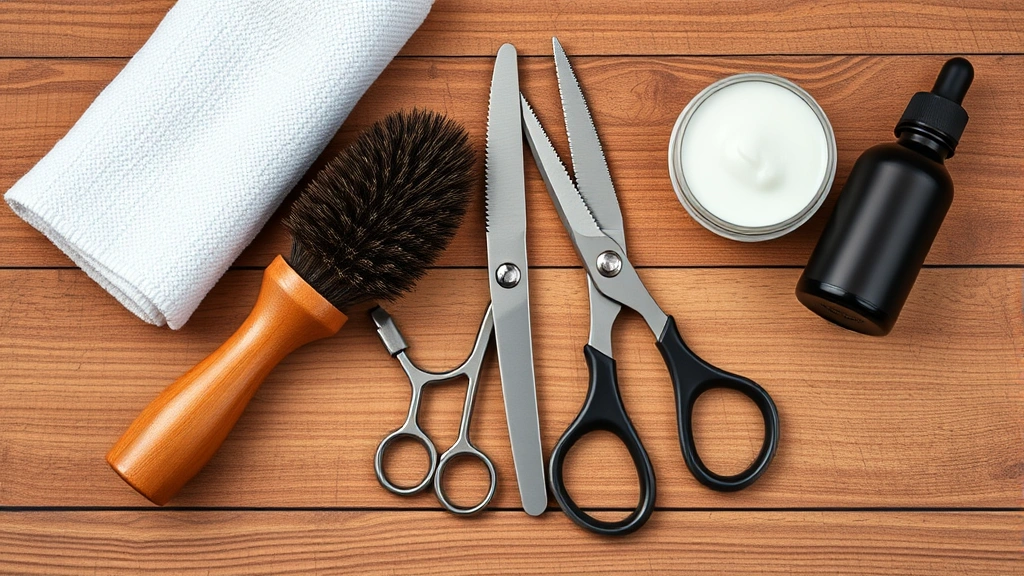
A quality beard brush or comb helps distribute natural oils and prevents tangling that leads to breakage. Boar bristle brushes are particularly effective because they mimic natural hair texture. Brush gently in the direction of growth, never against it, and avoid brushing excessively when the beard is dry. Just as proper painting technique requires the right tools and methods, effective beard grooming depends on appropriate equipment and technique.
Sleep quality affects beard growth through hormone regulation and stress reduction. Aim for seven to nine hours nightly, as poor sleep elevates cortisol (a stress hormone) that can suppress beard growth and cause shedding. Additionally, managing overall stress through exercise, meditation, or other relaxation techniques supports optimal hormone balance for facial hair growth.
Common Mistakes to Avoid
The most significant mistake is shaving during the awkward growth phase. Weeks two through four present a scruffy, potentially patchy appearance that discourages many men. Understanding that this phase is temporary and necessary helps you push through. The itchiness during this period results from short hairs curling back into the skin—this resolves naturally as the beard grows longer.
Excessive washing removes natural oils that protect beard health. Many men wash their beards daily with harsh soaps, stripping protective sebum that would otherwise keep hair strong and flexible. Reducing wash frequency to two to three times weekly with beard-specific products significantly improves growth and appearance.
Neglecting the skin underneath your beard causes irritation, itchiness, and reduced growth. The skin supporting your beard requires moisturizing, exfoliation, and proper hygiene just like any other facial area. Use beard oil to reach the skin, and consider a gentle exfoliating brush once weekly to remove dead skin that accumulates in dense facial hair.
Ignoring nutritional factors limits your genetic potential. If you’re deficient in protein, vitamins, or minerals, your body prioritizes vital organs over beard growth. Optimizing nutrition removes this limitation and allows your genetics to express themselves fully. This systematic approach mirrors the comprehensive planning required for projects like basement finishing, where multiple factors must align for success.
Using products with harsh chemicals can damage beard hair and irritate skin. Avoid products containing sulfates, parabens, or alcohol, which dry out both hair and skin. Always choose beard-specific products formulated for the unique texture and growth patterns of facial hair.
Maintaining Your Growing Beard
Once you’ve committed to growing your beard, establishing a consistent maintenance routine ensures optimal results. A daily routine should include gentle washing (when needed), application of beard oil to damp hair, and brushing to train growth patterns and distribute natural oils evenly. This 5-10 minute investment daily pays substantial dividends in beard health and appearance.
Styling your beard as it grows helps you understand its natural growth patterns and identify areas that need attention. Experiment with different products—beard balms for hold and styling, beard oils for softness and shine, and beard butters for conditioning. Each product type serves different purposes, and combining them often yields the best results.
Trimming shape and lines becomes important once your beard reaches two to three inches. Defining cheek lines, neckline, and mustache shape enhances the overall appearance and prevents the scraggly look that discourages some men. Many barbers specialize in beard shaping and can guide you on maintaining your specific style.
Pay attention to mustache management as it grows. The mustache requires separate attention because it directly contacts your mouth and food. Keep it clean, conditioned, and shaped to prevent it from looking unkempt. Some men prefer to separate mustache care from general beard care with specialized mustache wax.
Monitor your beard’s health throughout growth. Excessive shedding, persistent patchiness, or slow growth despite proper care may indicate nutritional deficiencies, hormonal imbalances, or skin conditions requiring professional evaluation. A dermatologist can identify underlying issues that limit your growth potential.
Document your progress with photos taken at consistent intervals (monthly, for example). This visual record provides motivation during slower growth periods and helps you appreciate the transformation that occurs over months. Many beard enthusiasts find that this documentation helps them commit to the long-term process.
FAQ
How long does it actually take to grow a full beard?
A full, noticeable beard typically requires three to six months of uninterrupted growth. However, “full” varies by individual genetics and desired length. A basic, recognizable beard appears around three months, while a truly substantial beard may take six to twelve months. The timeline depends on your starting point, growth rate, and how thick your beard naturally grows.
Can you really speed up beard growth?
You cannot fundamentally change your genetic growth rate, but you can optimize conditions to allow your beard to grow at its maximum natural potential. Proper nutrition, stress management, adequate sleep, and consistent grooming remove obstacles to growth. These factors might improve apparent growth rate by 10-20% but won’t transform a slow-growing beard into a fast-growing one.
Does shaving make beards grow back thicker?
No. This is a persistent myth without scientific support. Shaving cuts hair at the blunt end, which may feel slightly thicker when it grows back, but the actual hair shaft diameter doesn’t increase. Your beard’s thickness is determined entirely by genetics and hormone levels, not by shaving frequency.
What’s the best age to grow a beard?
Testosterone peaks in late teens through early thirties, making this the optimal period for beard growth in terms of hormonal support. However, many men report that their beards improve with age as individual hairs develop thicker diameter. If you struggled with beard growth in your twenties, you may have better success in your thirties or forties.
Is beard growth affected by stress?
Yes, significantly. Chronic stress elevates cortisol, which can suppress testosterone and trigger hair shedding. High stress may not prevent beard growth entirely, but it typically slows the process and can cause temporary patchiness. Managing stress through exercise, sleep, and relaxation techniques supports optimal beard growth.
Do beard growth supplements actually work?
Quality supplements addressing specific deficiencies can support growth, but they won’t create results where genetics don’t allow them. Biotin, vitamin D, and zinc may help if you’re deficient, but won’t dramatically accelerate growth in men with adequate nutrition. The FDA provides guidance on dietary supplements to help you evaluate products critically.
Why is my beard patchy?
Patchiness usually results from genetics—some follicles may not be activated or may produce finer hair. However, temporary patchiness during early growth resolves as longer hairs cover shorter areas. If persistent patchiness continues beyond six months despite proper care, consider consulting a dermatologist to rule out skin conditions or nutritional deficiencies.


