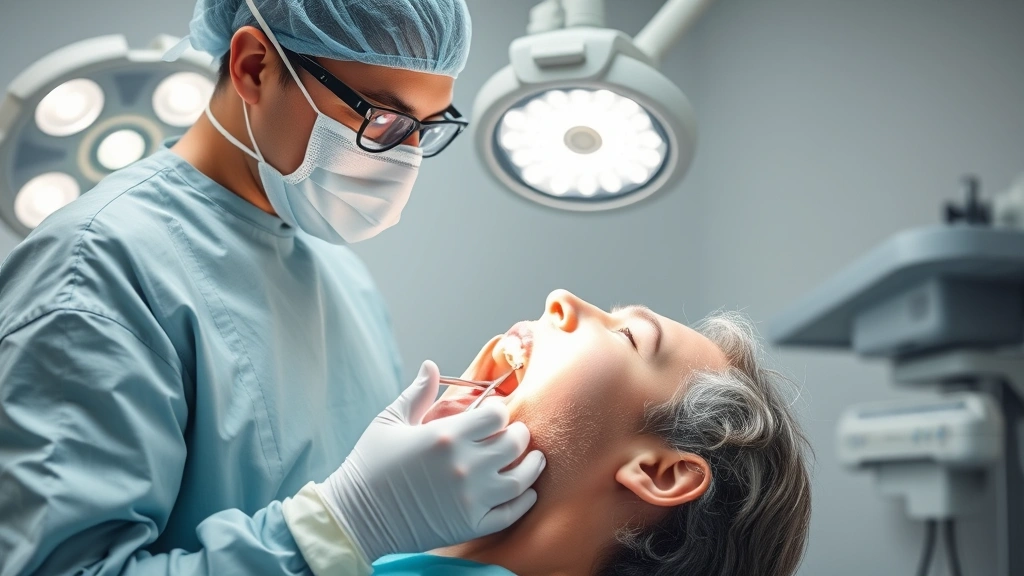
Wisdom Tooth Removal: Dentist-Approved Recovery Time
Wisdom tooth extraction is one of the most common oral surgical procedures, affecting millions of people each year. Whether you’re facing a single extraction or removal of all four wisdom teeth, understanding the recovery timeline is essential for proper healing and avoiding complications. The recovery process involves multiple stages, each with specific care requirements and expected outcomes.
The total recovery time from wisdom tooth removal typically ranges from 7 to 10 days for initial healing, though complete bone healing can take several months. Your individual recovery will depend on factors such as the complexity of the extraction, your overall health, age, and how well you follow post-operative instructions. This comprehensive guide walks you through each phase of recovery, helping you know exactly what to expect and how to manage discomfort effectively.
Immediate Recovery: First 24 Hours
The first day following wisdom tooth extraction is the most critical period for establishing proper healing. Immediately after the procedure, your dentist will place gauze over the extraction site to control bleeding. You should bite down firmly on this gauze for 30 to 45 minutes to allow blood clot formation, which is absolutely essential for preventing dry socket—a painful complication that delays healing.
During the first 24 hours, expect significant bleeding and oozing. Light pink-tinged saliva is normal, but if you experience bright red bleeding that doesn’t slow after 30 minutes of fresh gauze application, contact your dental surgeon immediately. Many patients are surprised by how much their mouth bleeds, but this is a natural response to the surgical trauma.
Swelling typically begins within the first few hours and peaks around 48 to 72 hours post-extraction. To minimize initial swelling, apply ice packs to your cheeks for 15 minutes on and 15 minutes off during the first 24 hours. This ice therapy constricts blood vessels and reduces inflammation significantly. Some patients find it helpful to sleep with an extra pillow to keep their head elevated, which also reduces swelling by improving circulation.
Avoid rinsing, spitting, or using straws during this critical first day. These actions can dislodge the blood clot and lead to dry socket. Also avoid smoking and alcohol consumption, as both interfere with clot formation and increase infection risk. Your mouth needs complete rest to establish proper healing foundations.

Days 2-3: Managing Swelling and Pain
By day two, swelling typically reaches its peak, which might seem counterintuitive since you’re following all the right care steps. This is completely normal and doesn’t indicate a problem. Most patients experience moderate to significant facial swelling, particularly if multiple teeth were extracted. Some people describe looking like they’ve been in a minor accident, with puffy cheeks and a swollen jaw.
Pain levels vary considerably among individuals. Some experience mild discomfort managed easily with over-the-counter pain relievers, while others need prescription-strength medication. Your dentist will likely prescribe ibuprofen or acetaminophen dosing schedules—taking these on a regular schedule rather than waiting until pain becomes severe provides much better control. Many dentists recommend alternating ibuprofen and acetaminophen every three hours for optimal pain management during this phase.
Continue ice therapy through day three, though you can transition to heat application after 48 hours if swelling begins improving. Heat increases blood flow and can help reduce residual swelling more effectively than continued cold therapy. Apply a warm compress for 20 minutes at a time, several times daily.
During days 2-3, maintain gentle oral hygiene around extraction sites. Starting 24 hours after extraction, you can gently rinse with warm salt water (1/2 teaspoon salt in 8 ounces water) after meals and before bed. This promotes healing and reduces infection risk without disturbing the blood clot. Be extremely gentle—let the solution passively rinse rather than aggressively swishing.
Swelling should begin improving noticeably by day 4. If swelling worsens significantly after day 3 or is accompanied by fever, severe pain, or pus, contact your dentist immediately as these signs indicate possible infection.
Days 4-7: Gradual Improvement
The second week of recovery brings noticeable improvement for most patients. Swelling continues decreasing, pain becomes more manageable, and you’ll feel increasingly like yourself. Many people return to work or normal activities during this period, though you should still avoid strenuous exercise and heavy lifting.
By day 5 or 6, most patients can transition to soft foods they actually enjoy rather than just survive on. Scrambled eggs, yogurt, soft pasta, mashed potatoes, and smoothies become more appealing options. You can usually resume gentle rinsing with salt water and might be able to brush your teeth more normally, avoiding the extraction sites.
Bruising often appears during days 4-7, which surprises many patients. This is simply blood under the skin from the surgical trauma and is completely harmless. Bruising typically fades within 1-2 weeks. Using vitamin K creams or arnica supplements might help, though scientific evidence is mixed.
Pain medication requirements usually decrease significantly by day 7. Many patients find they only need pain relievers occasionally rather than on a regular schedule. If you’re still experiencing severe pain after one week, this could indicate dry socket or infection and warrants immediate dental evaluation.

Week 2 and Beyond: Long-Term Healing
After the first week, you’ve passed the critical recovery phase. Most patients feel substantially better by day 10 to 14. You can usually resume normal eating habits, though you might want to avoid very hard, crunchy, or sticky foods for another week or two. The extraction sites will still be sensitive, but this sensitivity typically resolves completely within 2-3 weeks.
Complete bone healing takes considerably longer—typically 3-6 months—but this doesn’t affect your daily activities. The soft tissue healing that allows you to eat normally and feel comfortable happens in the first 2-3 weeks. Bone healing happens silently underneath, gradually filling in the extraction socket.
If you had all four wisdom teeth extracted, some swelling and discomfort might persist longer than single extractions. Your body needs time to recover from the more significant surgical trauma. This is why many dentists recommend extracting all four teeth at once rather than spacing them out—the total recovery time is often similar, and you only experience one recovery period rather than multiple.
By week 3-4, most people feel essentially normal. You can resume exercise, return to your regular diet, and forget about the extraction sites entirely. However, keep the areas clean and continue gentle salt water rinses if you notice any debris accumulating in the sockets.
Pain Management Strategies
Effective pain management is crucial for comfortable recovery. Your dentist will likely provide specific medication recommendations, and following these guidelines produces far better results than trying to tough out discomfort. When preparing any warm beverages for recovery, ensure they’re lukewarm rather than hot, as heat can increase bleeding and swelling.
Over-the-counter options include ibuprofen (Advil, Motrin) and acetaminophen (Tylenol). Ibuprofen is often more effective for extraction pain because it addresses inflammation in addition to pain. Many dentists recommend taking 600mg ibuprofen every 6 hours with food. Acetaminophen can be alternated with ibuprofen every 3 hours for stronger pain control during the first few days.
Prescription pain medications like hydrocodone or oxycodone are sometimes provided for more complex extractions or patients with low pain tolerance. These should be used exactly as directed and only when over-the-counter options prove insufficient. These medications can cause drowsiness, so avoid driving or operating machinery when taking them.
Non-medication strategies also help significantly. Applying ice reduces both pain and swelling. Elevation keeps swelling minimal, which indirectly reduces pain. Gentle salt water rinses soothe irritated tissue. Staying hydrated and eating soft, nutritious foods supports healing and reduces overall discomfort.
Many patients find that staying busy during recovery helps distract from discomfort. However, rest is equally important—your body heals faster when you’re not demanding energy for other activities. Balancing gentle activity with adequate rest optimizes recovery.
Diet During Recovery
Your diet dramatically impacts recovery comfort and speed. The first 24 hours call for liquid or near-liquid foods: ice cream, applesauce, yogurt, broth, and smoothies. Avoid using straws, as the suction can dislodge blood clots. Drink from cups or spoons instead.
Days 2-7 expand your options to soft foods: mashed potatoes, scrambled eggs, soft pasta, cooked vegetables, fish, chicken salad, pudding, and soup (ensure it’s lukewarm, not hot). Protein is especially important during this phase because it supports tissue healing. Consider protein-rich soft options like cottage cheese, tofu, and beans.
After the first week, you can usually resume normal eating, though you might want to avoid very hard, crunchy, or sticky foods for another 1-2 weeks. Popcorn, nuts, seeds, hard candy, and chewy foods can irritate healing sockets or dislodge healing tissue.
Avoid hot foods and beverages for the first week. Heat increases blood flow to extraction sites and can cause bleeding to resume. Additionally, you might accidentally burn yourself since your mouth might be numb or sensitive. Cold and room-temperature foods are safest initially.
Alcohol consumption should be avoided, particularly if you’re taking pain medication. Alcohol thins blood and increases bleeding risk. Additionally, mixing alcohol with prescription pain medications can cause dangerous side effects. Most dentists recommend waiting at least 48 hours before consuming alcohol, and longer if you’re still taking prescription pain relief.
Activity Restrictions and When to Resume Normal Life
Physical activity during recovery requires careful consideration. Strenuous exercise increases blood pressure and heart rate, which can cause extraction sites to bleed. Most dentists recommend avoiding vigorous exercise for 3-7 days after extraction, depending on complexity.
Light activities like walking are fine from day one. You can return to desk work or sedentary jobs immediately if you feel up to it. More physically demanding jobs might require 3-7 days off, depending on job intensity and extraction complexity.
Return to the gym gradually. Light cardio might be possible by day 4-5, but heavy lifting and intense workouts should wait until day 7-10 at minimum. Listen to your body—if you feel dizzy, notice increased bleeding, or experience increased pain after activity, rest longer.
Many people ask about returning to sports. Contact sports should be avoided for at least one week due to injury risk. Non-contact sports can usually resume by day 7-10 if you’re pain-free and swelling is minimal. Swimming should be avoided for at least one week due to chlorine exposure and the risk of water entering extraction sites.
You can usually return to work within a few days, though if your job is physically demanding or involves extensive talking, you might want to wait longer. Most people feel presentable by day 3-4 when swelling has decreased somewhat, though some residual puffiness typically remains for a week.
Driving should be avoided the day of surgery if you received sedation. Most people can drive normally by day 2-3 if they’re not taking prescription pain medication. If you’re on prescription narcotics, don’t drive until you’re completely off the medication and feel fully alert.
Signs of Complications
While most extractions heal without problems, knowing warning signs helps you seek timely care if complications develop. Contact your dentist immediately if you experience any of these symptoms.
Dry Socket: This painful condition occurs when the blood clot dislodges prematurely, exposing bone. Symptoms include severe pain beginning 3-4 days after extraction, foul taste or odor from the socket, and visible bone in the socket. Dry socket is more common after difficult extractions and in smokers. Your dentist can treat it by flushing the socket and applying medicated dressings.
Infection: Signs include fever (temperature above 101°F), increasing pain after day 3, swelling that worsens after day 4, pus or discharge from the socket, and swollen lymph nodes. Infections require antibiotic treatment and sometimes additional professional cleaning.
Excessive Bleeding: While some oozing is normal, bright red bleeding that doesn’t stop after 30 minutes of gauze pressure warrants immediate attention. This is especially important if you take blood thinners like warfarin or aspirin.
Severe Pain: While extraction pain is expected, severe pain that doesn’t improve with prescribed medication might indicate dry socket, infection, or other complications. Pain should progressively improve each day.
Nerve Damage: Rarely, extraction can cause temporary or permanent numbness in your lip, chin, or tongue. Contact your dentist if numbness persists beyond a few days or worsens rather than improves.
Jaw Stiffness: Mild jaw stiffness is normal, but severe trismus (inability to open your mouth) that develops or worsens after day 3 warrants dental evaluation.
Most complications are preventable through careful post-operative care. Following your dentist’s instructions precisely reduces complication risk dramatically. When planning recovery time like you would any home project, build in extra days as a safety margin.
FAQ
How long does wisdom tooth extraction pain last?
Acute pain typically lasts 3-7 days, with the worst pain usually occurring days 1-3. By day 5-7, most people experience only mild discomfort that’s easily managed with over-the-counter pain relievers. Some sensitivity might persist for 2-3 weeks, but this is usually manageable and doesn’t require medication.
Can I return to work after wisdom tooth extraction?
This depends on your job type and extraction complexity. If you have a desk job, you might return after 2-3 days. If your job is physically demanding or involves extensive talking, wait 5-7 days. Most people look presentable enough for client-facing roles by day 4-5 when swelling has decreased significantly.
When can I eat solid foods after extraction?
You can usually begin eating soft solid foods by day 4-5. Regular solid foods can typically resume by day 7-10, though you should avoid very hard or crunchy foods for another week or two. Chew carefully on the opposite side from extraction sites.
Is swelling normal after wisdom tooth removal?
Yes, swelling is completely normal and expected. It typically peaks around day 2-3 and gradually improves thereafter. Using ice for the first 48 hours and heat afterward helps minimize swelling. Most swelling resolves within 7-10 days.
When should I be concerned about my extraction sites?
Contact your dentist if you experience severe pain after day 4, fever, excessive bleeding that doesn’t stop with pressure, pus or foul odor from the sites, or swelling that worsens after day 3. These symptoms might indicate dry socket, infection, or other complications requiring professional treatment.
Can I smoke after wisdom tooth extraction?
Smoking should be completely avoided for at least 72 hours after extraction and ideally for one week. Smoking increases infection risk, delays healing, and significantly increases dry socket risk. If you smoke, extraction recovery is an excellent opportunity to quit.
How much time off work do I need?
For desk jobs, 2-3 days is usually sufficient. For physically demanding jobs, 5-7 days is more appropriate. If your job involves extensive talking or client interaction, consider taking at least 3-4 days to allow swelling to decrease. Some people prefer taking a full week to avoid feeling self-conscious about their appearance.
When can I exercise after wisdom tooth extraction?
Light walking is fine immediately. Wait 3-7 days before resuming moderate exercise like light cardio, and 7-10 days before heavy lifting or intense workouts. Contact sports should be avoided for at least one week. Always listen to your body and stop if you experience pain or bleeding.


