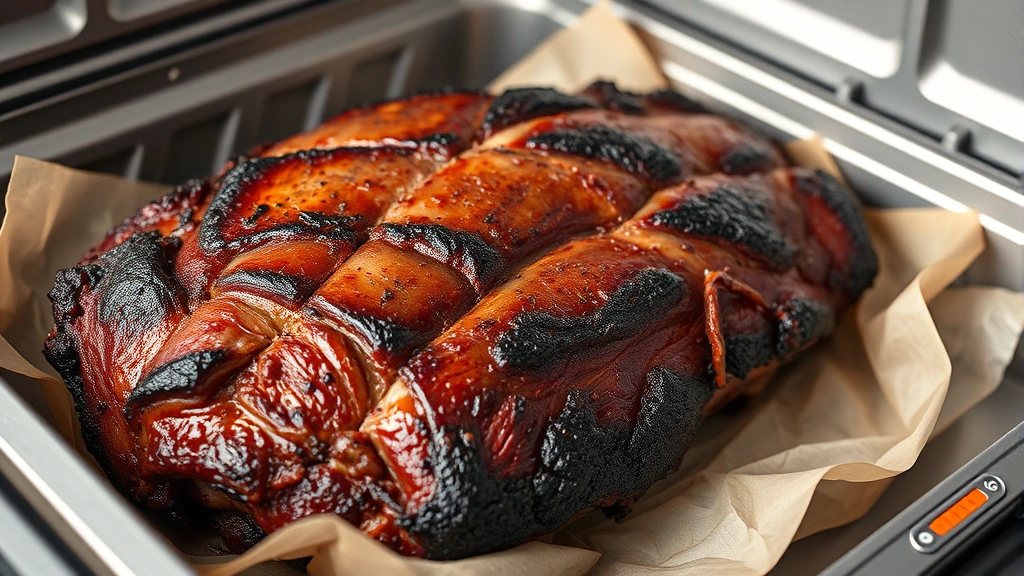
Resting a Brisket: Pitmaster Tips & Timing
Resting a brisket is one of the most critical yet frequently overlooked steps in barbecue preparation. Many home cooks spend hours perfecting their smoke and temperature control, only to slice into their meat immediately and watch all those hard-earned juices run onto the cutting board. The resting period isn’t just downtime—it’s an essential phase where the brisket’s muscle fibers relax, residual heat distributes evenly, and those precious juices redistribute throughout the meat rather than escaping during slicing.
Whether you’re a seasoned pitmaster or a backyard grilling enthusiast learning the fundamentals of low-and-slow cooking, understanding how long to rest a brisket and why this process matters will dramatically improve your results. This comprehensive guide covers everything from the science behind resting meat to practical timing strategies that work for briskets of any size.
Why Resting Brisket Matters: The Science
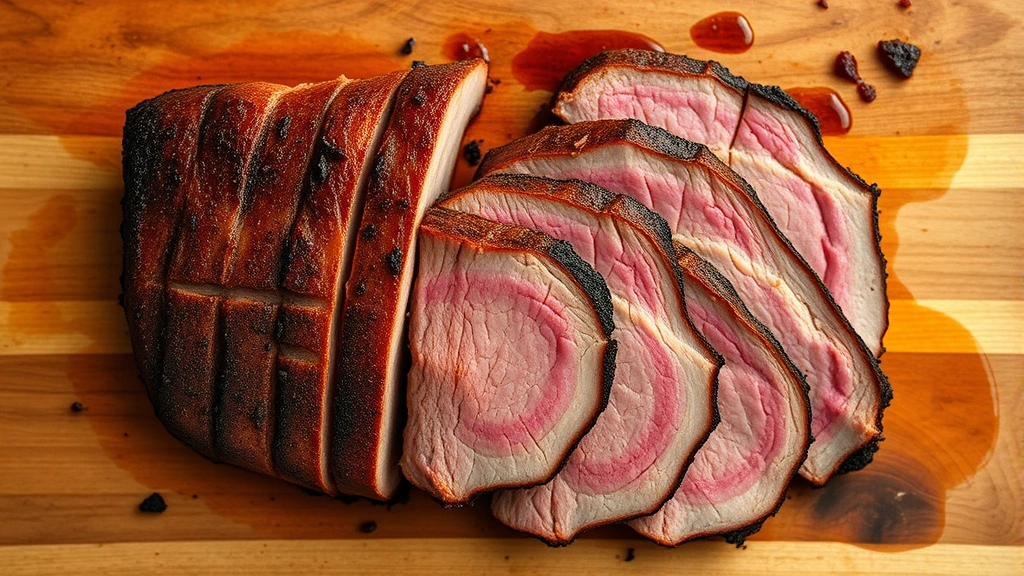
When you cook a brisket, heat causes the muscle fibers and proteins to contract and squeeze out moisture. During the cooking process, this moisture moves toward the surface and edges of the meat. If you slice immediately after removing the brisket from heat, all this liquid—the flavorful broth that makes brisket delicious—will pour out onto your cutting board instead of staying in the meat where it belongs.
The resting period allows several important things to happen simultaneously. First, the internal temperature continues to rise slightly through carryover cooking, which we’ll discuss in detail later. Second, the muscle fibers begin to relax and reabsorb the moisture that was pushed outward during cooking. The temperature gradient between the hot exterior and cooler center gradually equalizes, creating more even doneness throughout the brisket. This redistribution of juices is what separates a dry, stringy brisket from one that’s tender, moist, and absolutely delicious.
According to the American Meat Science Association, resting times that allow internal temperatures to stabilize and muscle fibers to relax produce measurably better moisture retention and tenderness scores compared to immediately sliced meat.
How Long to Rest a Brisket
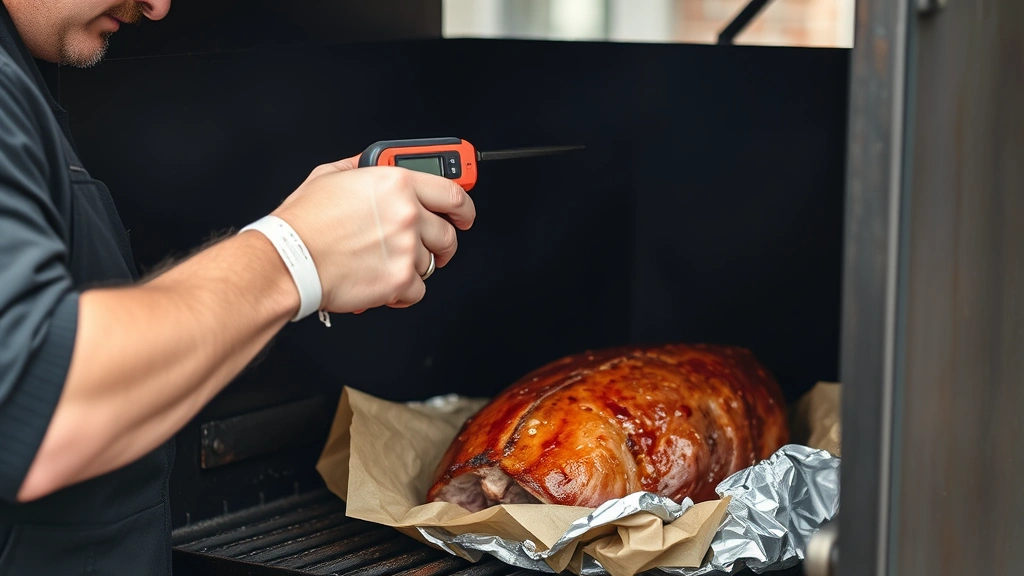
The most common recommendation for how long to rest a brisket is between 15 and 30 minutes for smaller briskets (8-12 pounds) and 30-45 minutes for larger ones (14-18+ pounds). However, the ideal resting time depends on several factors including the brisket’s size, your target serving time, and ambient temperature conditions.
For a standard 12-14 pound brisket, aim for a minimum of 20 minutes of resting time. This duration allows sufficient time for the surface to cool slightly, carryover cooking to complete, and juices to redistribute. A 30-minute rest is even better and is often considered the sweet spot for most home barbecue situations. If you’re working with a truly massive brisket weighing 18+ pounds, extending the rest to 45 minutes or even an hour won’t hurt—the meat will stay hot enough to serve, and the additional time allows more thorough juice redistribution.
Some pitmasters advocate for longer rests, particularly those using the Texas Crutch method or other advanced wrapping techniques. If your brisket is wrapped in foil and placed in an insulated cooler, it can rest safely for 2-4 hours while maintaining food safety and quality. This extended resting is particularly useful when you need to time your brisket to finish several hours before guests arrive.
The minimum safe resting period is generally considered 10-15 minutes, though this provides less juice redistribution than longer times. Anything less than 10 minutes provides minimal benefit and should be avoided if possible. USDA food safety guidelines support resting periods as an important part of safe meat handling, as they allow surface bacteria to be killed by residual heat while the interior remains at safe temperatures.
Resting Temperature and Environment
Where and how you rest your brisket significantly impacts the quality of your final product. The ideal resting environment maintains the meat’s temperature while protecting it from contamination and excessive moisture loss.
Insulated cooler method: This is the gold standard for resting brisket. Place your wrapped brisket in an insulated cooler (with no ice) to maintain temperature while slowing the cooling process. This method allows for extended resting periods without food safety concerns, as the brisket remains above 140°F for hours. The insulation also creates a humid environment that prevents surface drying.
Wrapped in towels: If you don’t have a cooler available, wrap the rested brisket tightly in several layers of clean kitchen towels or butcher paper. Place it on a warm surface away from drafts. This method works adequately for 20-30 minute rests but doesn’t maintain temperature as effectively as a cooler.
Holding in the oven: Some cooks place their rested brisket in a 170-180°F oven to maintain warmth during the resting period. While this prevents the meat from cooling, it also continues cooking the exterior slightly and can dry out the surface. Use this method cautiously and only for shorter rests of 15-20 minutes.
Room temperature resting: Allowing a brisket to rest at room temperature (around 70°F) is not recommended. The meat cools too quickly, losing the benefits of residual heat, and food safety risks increase if the meat drops below 140°F for extended periods.
Wrapping Methods During Rest
How you wrap your brisket during resting affects both the final texture and how long the rest can safely continue. Different wrapping materials offer distinct advantages.
Butcher paper: This is the preferred wrapping for resting. Butcher paper (also called peach paper) breathes slightly, allowing some steam to escape while retaining most of the heat and moisture. It’s food-safe, affordable, and creates the ideal environment for resting. Wrap the brisket loosely enough that steam can escape but tightly enough to retain heat.
Aluminum foil: Heavy-duty foil creates a seal that traps steam and heat very effectively, making it ideal for extended rests in a cooler. However, some pitmasters believe foil can slightly soften the bark (the flavorful crust). Use foil when planning rests longer than 30 minutes, particularly when using a cooler.
Kraft paper and towels: A combination approach—wrapping first in kraft paper, then in clean kitchen towels—provides excellent insulation for rests of 20-45 minutes. This dual-layer method prevents excessive moisture loss while allowing some steam circulation.
Bare resting: Some pitmasters rest their brisket unwrapped on a cutting board, especially for very short 10-15 minute rests. This allows the bark to stay crispy but provides minimal heat retention. Only use this method if you’re slicing immediately after the rest period.
The Carryover Cooking Effect
Understanding carryover cooking is essential for managing your brisket’s final internal temperature. When you remove meat from heat, the exterior stops receiving direct heat, but internal heat continues to conduct toward the cooler center. This causes the internal temperature to rise further—often by 5-10°F or more, depending on the brisket’s size and initial temperature.
For a brisket pulled at 203°F, expect the internal temperature to climb to approximately 208-210°F during a 30-minute rest. This rise happens during the first 15-20 minutes of resting, then stabilizes. This is why many pitmasters recommend pulling brisket at 202-205°F rather than waiting for it to reach the final target temperature of 210°F on the smoker. The carryover cooking does the final work while you rest.
Carryover cooking is more pronounced in larger briskets and those pulled at higher temperatures. A small, lean brisket might see only 3-5°F of rise, while a thick, heavily marbled 18-pound brisket could rise 8-12°F. Account for this effect when deciding your target pulling temperature to avoid overcooking.
Slicing Techniques After Resting
Once your brisket has rested adequately, proper slicing technique is crucial for showcasing your work. A rested brisket holds together much better during slicing than one that hasn’t rested, but technique still matters.
Use the right knife: A sharp, long slicing knife (10-12 inches) creates clean cuts without tearing the meat fibers. Dull knives crush meat fibers and squeeze out juices. Sharpen your knife before slicing or use a professional sharpening service.
Slice against the grain: The brisket has two distinct grain directions—the flat and the point. These muscles run in opposite directions. Identify the grain direction in each section and slice perpendicular to it. This creates shorter muscle fibers that feel tender rather than stringy.
Cut to appropriate thickness: Aim for slices about ¼-inch thick. Thinner slices feel more tender but dry out faster; thicker slices retain moisture better but can feel chewy if the muscle fibers aren’t completely tender. Consistency in thickness is more important than exact dimension.
Work efficiently: Don’t let the brisket cool excessively while slicing. Work methodically but quickly, and place finished slices on a warm serving platter. If the brisket cools significantly, you can briefly rewrap it and return it to the cooler to maintain temperature.
Common Resting Mistakes to Avoid
Even experienced cooks sometimes make resting errors that compromise their brisket. Being aware of these common pitfalls helps ensure your hard work isn’t wasted.
Skipping the rest entirely: This is the most common mistake. Slicing immediately means maximum juice loss and inferior texture. Even 15 minutes makes a dramatic difference.
Resting too briefly: A 5-minute rest provides almost no benefit. Commit to at least 15 minutes, preferably 20-30. If timing is tight, adjust your cooking schedule rather than compromising the rest.
Resting in wrong conditions: Resting on a cold counter or in a drafty location causes rapid cooling and defeats the purpose. Always use an insulated environment or protective wrapping.
Resting too long without insulation: Leaving a brisket resting at room temperature for more than 45 minutes risks food safety issues as the internal temperature drops below 140°F. Use a cooler or oven if planning extended rests.
Unwrapping too early: Unwrapping the brisket to check doneness during the rest releases heat and steam. Resist the urge to peek. Trust your thermometer reading and timing.
Slicing while still too hot: Cutting immediately when the brisket exits the rest (before it cools slightly) can still result in excessive juice loss. Wait 2-3 minutes after unwrapping before beginning to slice.
Timing Your Entire Cook
Successful brisket preparation requires planning your entire cooking and resting timeline. Unlike other reheating scenarios, brisket timing is less forgiving.
Calculate backward from serving time: Determine when you want to serve the brisket, then subtract resting time (typically 30 minutes), then subtract cooking time. Add 1-2 hours of buffer for variables like temperature fluctuations or unexpected cooking delays.
Use the 1-to-1.5 hour per pound rule: A 12-pound brisket typically takes 12-18 hours to cook at 225-250°F, though this varies significantly based on the specific meat, weather conditions, and your smoker’s characteristics. This is a starting estimate, not a guarantee.
Pull based on temperature, not time: Use an accurate meat thermometer to determine doneness rather than relying solely on elapsed time. Temperature is the only reliable indicator of when the brisket is ready to rest.
Plan for flexibility: If the brisket finishes early, rest it in an insulated cooler. It will maintain quality for 2-4 hours. If it’s running late, adjust your serving time or keep it warm in a 170°F oven (though extended oven holding can affect quality).
Practice your process: Every brisket is different, and every smoker behaves uniquely. Keep detailed notes on your cooks—including ambient temperature, brisket weight, cooking time, resting time, and results. This data becomes invaluable for planning future cooks and understanding your equipment.
FAQ
Can you rest a brisket for too long?
In an insulated cooler, a brisket can rest safely for 2-4 hours while maintaining food safety and quality. Beyond this, the meat begins to cool excessively and quality may decline. Without insulation, don’t rest longer than 45 minutes at room temperature due to food safety concerns.
Should you rest a brisket wrapped or unwrapped?
Wrapped resting is strongly preferred. Butcher paper or foil maintains heat, prevents surface drying, and creates the humid environment that allows juice redistribution. Unwrapped resting is only acceptable for very brief 10-minute periods immediately before slicing.
What’s the minimum resting time for brisket?
While 10-15 minutes provides some benefit, 20-30 minutes is the practical minimum for noticeable improvement in juiciness and tenderness. Anything less than 10 minutes provides minimal advantage.
Does resting brisket in a cooler continue cooking it?
Yes, carryover cooking continues during the first 15-20 minutes of resting, raising the internal temperature by 5-10°F depending on brisket size. After this, temperature stabilizes. Account for this when determining your target pull temperature.
Can you rest brisket while it’s still in foil?
Absolutely. Foil-wrapped resting is excellent, particularly for extended rests in a cooler. Foil traps heat and moisture very effectively. Some pitmasters transition from foil to butcher paper for the final portion of the rest to allow slight bark crisping.
How do you know when a rested brisket is ready to slice?
The brisket is ready to slice when the internal temperature has stabilized (after about 20-30 minutes of resting) and the meat has cooled slightly—you should be able to touch the surface without burning your hand. Use a meat thermometer to confirm it’s still above 145°F for food safety.
Should you rest brisket flat and point separately?
You can, but it’s not necessary. Resting the entire brisket together is simpler and provides adequate results. If you prefer to separate them before cooking, you can rest them individually for 15-20 minutes each, though this requires more attention to timing.


