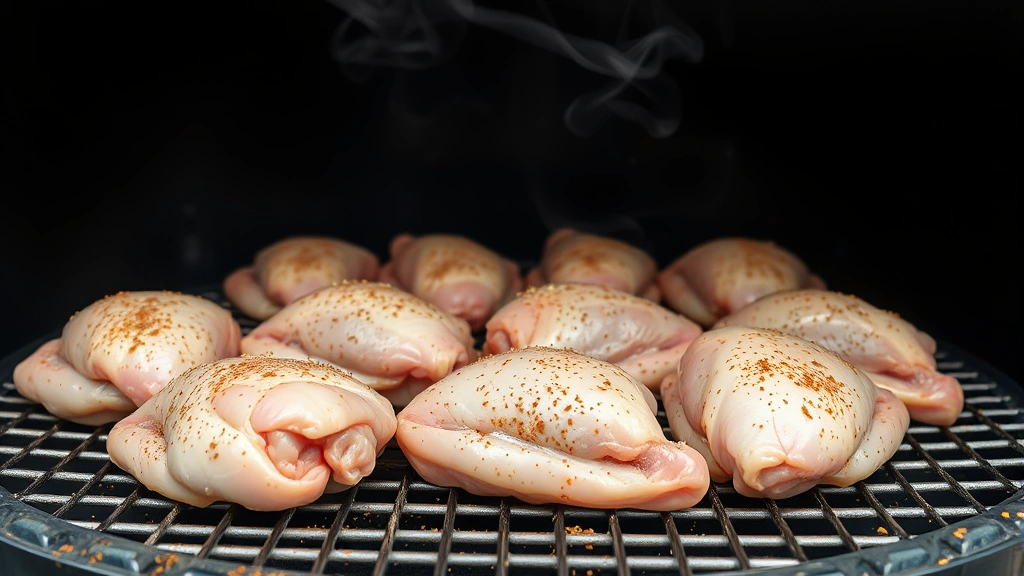
How Long to Smoke Chicken Thighs at 225°F: Pro Tips Inside
Smoking chicken thighs at 225°F is one of the most forgiving and rewarding methods for achieving tender, juicy poultry with a beautiful smoke ring and crispy skin. Unlike chicken breasts, which dry out easily, thighs contain more fat and connective tissue, making them incredibly resilient to the low-and-slow smoking process. Whether you’re a seasoned pitmaster or just getting started with DIY smoking projects, mastering the art of smoking chicken thighs at this temperature will elevate your backyard cooking game.
The beauty of smoking chicken thighs at 225°F lies in the perfect balance between cooking speed and flavor development. At this temperature, you’ll achieve optimal smoke penetration without overcooking the exterior, and the low heat allows the fat to render slowly, creating incredibly moist meat. This guide walks you through everything you need to know—from preparation and seasoning to internal temperatures and resting times—to produce restaurant-quality smoked chicken thighs every single time.
How Long to Smoke Chicken Thighs at 225°F
The short answer: Plan for 1.5 to 2 hours total smoking time for bone-in, skin-on chicken thighs at 225°F. However, the exact duration depends on several variables including thigh size, whether bones are present, initial meat temperature, your specific smoker’s performance, and ambient weather conditions. Most boneless, skinless thighs will finish in 45 minutes to 1 hour, while bone-in thighs with skin typically require the full 1.5 to 2 hours.
The most reliable method is to smoke your chicken thighs until they reach an internal temperature of 165°F in the thickest part of the meat, away from bone. Use an instant-read meat thermometer to monitor temperature accurately. Don’t rely solely on time, as variations in smoker design, fuel type, wind, and outside temperature can affect cooking speed significantly. Some competition pitmasters use the 225°F method to achieve consistently tender results because the lower heat reduces the risk of overcooking.
When smoking a batch of 6-8 bone-in thighs, expect the process to take approximately 1 hour 45 minutes on average. Bone-in thighs are superior for smoking because the bone conducts heat more evenly and helps retain moisture. The skin renders beautifully at 225°F, creating a golden-brown exterior without burning. If you’re smoking chicken quarters or larger portions, add 30-45 minutes to your total time.
Preparing Your Chicken Thighs for Smoking
Proper preparation is the foundation of excellent smoked chicken. Start by selecting fresh, high-quality chicken thighs from a reputable source. Pat them completely dry with paper towels—moisture on the surface prevents proper smoke adhesion and browning. Some pitmasters leave thighs uncovered in the refrigerator for 12-24 hours to allow air-drying, which results in crispier skin and better smoke penetration.
Trim excess fat from the underside of the thighs, but leave the skin intact and the fat layer beneath it. This fat is crucial for moisture retention during the low-and-slow cooking process. If you’re using a dry brine, apply it 8-12 hours before smoking. A basic dry brine consists of salt, sugar, and spices mixed together and rubbed directly onto the meat. The salt dissolves and penetrates the muscle tissue, improving moisture retention and seasoning throughout.
Consider removing the skin entirely if you prefer a different texture, though this removes some flavor and protection. Most smoking enthusiasts keep the skin on for the superior results it provides. If your thighs are particularly large (over 8 ounces each), consider butterflying them or removing the thighbone to ensure even cooking. Room temperature meat cooks more evenly than cold meat, so remove your prepared thighs from the refrigerator 30-45 minutes before smoking.
Temperature Management and Smoker Setup
Maintaining a consistent 225°F is critical for successful results. Invest in a reliable dual-probe meat thermometer system that monitors both smoker temperature and internal meat temperature simultaneously. Most quality smokers have built-in thermometers, but these are often inaccurate, so place an independent probe in the center of your cooking chamber, away from direct heat and smoke sources.
Whether you’re using a barrel smoker, offset firebox, vertical water smoker, or pellet smoker, the fundamental principle remains the same: steady, consistent heat produces superior results. For charcoal smokers, use a combination of quality hardwood charcoal and smoking wood. Create two zones—a hot zone for initial temperature boost and a cooler zone for steady-state smoking. Use a water pan to stabilize temperature and add moisture to the cooking environment.
Pellet smokers offer the easiest temperature control at 225°F since they maintain set temperatures automatically. Offset firebox smokers require more attention, with frequent adjustments to vents and dampers. Vertical water smokers excel at holding temperature once stabilized. Allow your smoker to reach target temperature and stabilize for 15-20 minutes before placing chicken inside. Wind, rain, and cold ambient temperatures significantly impact your ability to hold 225°F, so plan accordingly during winter smoking sessions.
The Smoking Process Step-by-Step
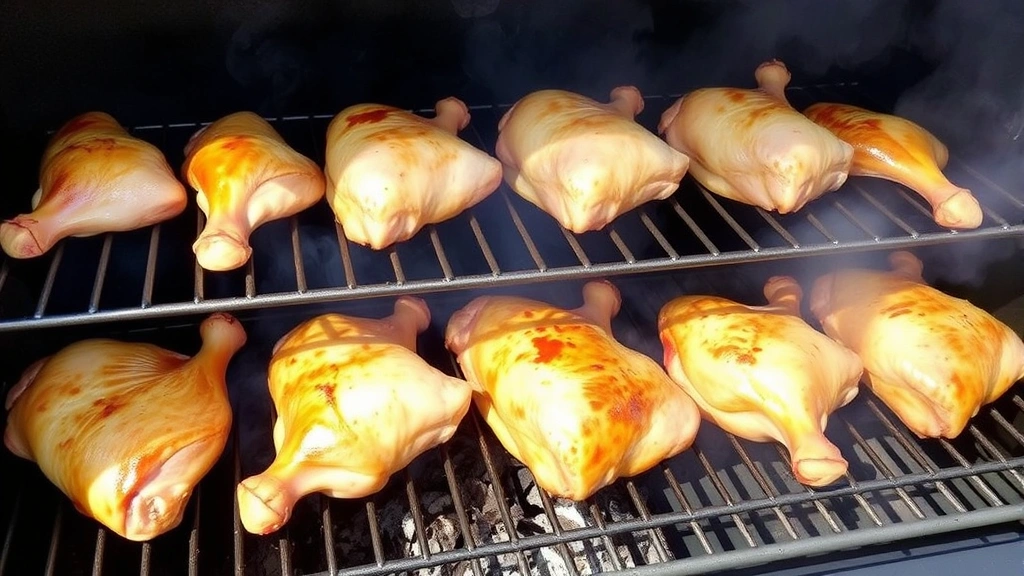
Step 1: Arrange Your Chicken Place thighs skin-side up on your grates, leaving at least one inch between pieces for smoke circulation. Avoid stacking or overlapping. If your smoker has hot and cool spots, position thighs in the cooler areas. For even cooking, arrange larger thighs toward the heat source and smaller ones toward cooler spots.
Step 2: Initial Smoking Phase (0-45 minutes) This is when smoke penetration is most effective. Use quality smoking wood appropriate to your region and taste preferences. Oak, hickory, and fruitwoods like apple or cherry are excellent for poultry. Add a fresh piece of wood every 15-20 minutes during this phase. The smoke should be thin and blue, never thick or white (which indicates smoldering and creates bitter flavors).
Step 3: Mid-Smoking Checks (45-90 minutes) Around the 45-minute mark, check your chicken’s progress without removing it for extended periods. If skin appears overly dark, create a makeshift shield using aluminum foil. Monitor smoker temperature continuously. By 90 minutes, most bone-in thighs should be approaching doneness. Continue adding smoke if desired, though many pitmasters reduce wood after the first hour since the meat absorbs most smoke early in the process.
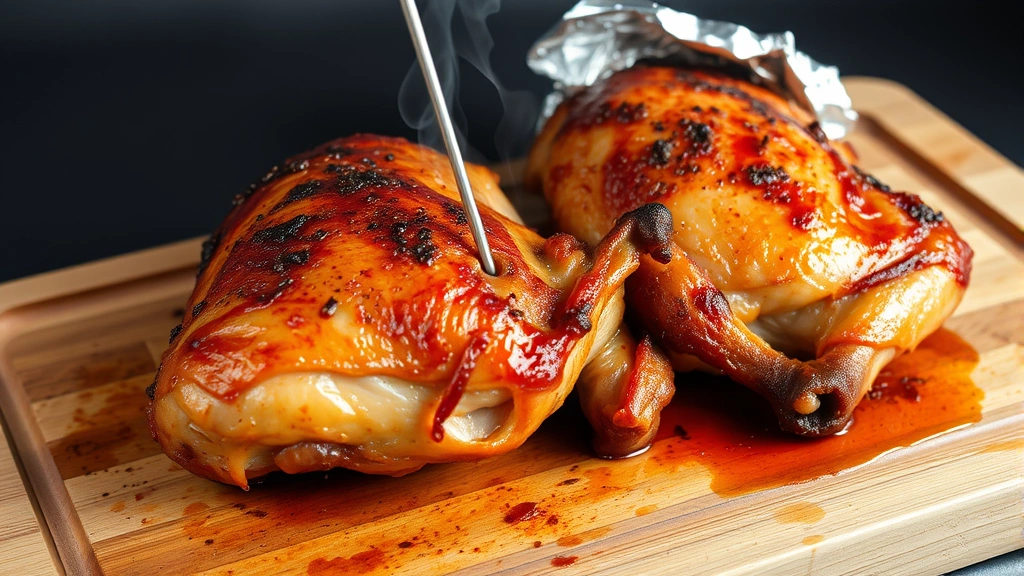
Step 4: Final Phase Until Doneness (90-120 minutes) Insert your thermometer into the thickest part of the largest thigh, avoiding bone contact. Once internal temperature reaches 160°F, you can remove the chicken. Some prefer waiting until 165°F for additional food safety margin. The residual heat will continue cooking the meat during resting.
Seasoning and Flavor Profiles
The right seasoning strategy enhances the natural chicken flavor without overpowering it. A simple approach uses salt, black pepper, garlic powder, and paprika as your base. More complex rubs might include brown sugar, cayenne, cumin, thyme, and onion powder. Apply your rub generously, ensuring even coverage on all surfaces, including under the skin if you can gently separate it.
Consider your smoking wood choice as part of your overall flavor strategy. Oak provides a strong, traditional barbecue flavor. Hickory offers a nutty, assertive taste. Fruitwoods like apple, cherry, or pecan deliver milder, slightly sweet profiles that pair beautifully with poultry. Many pitmasters blend woods—combining hickory with cherry, for example, to balance strength and subtlety. When smoking larger proteins like pork shoulders, similar wood selection principles apply.
Injection marinades can enhance moisture and flavor throughout the meat. Mix chicken broth, butter, worcestershire sauce, and seasonings, then inject the marinade 4-6 hours before smoking. This technique is particularly useful for thighs destined for pulled chicken or shredding. Some competition barbecue teams apply a light coating of apple juice or cider vinegar spray every 30 minutes, which helps develop bark and adds subtle flavor complexity.
Testing Doneness and Safety
Food safety is paramount when smoking poultry. According to the USDA Food Safety and Inspection Service, chicken must reach 165°F throughout to eliminate harmful bacteria like salmonella and campylobacter. Use an instant-read thermometer with a thin probe for accuracy. Insert the probe into the thickest part of the thigh, positioning it parallel to the bone without touching bone directly, as bone conducts heat differently than meat.
Check temperature in multiple thighs, not just one, since variations occur. The thickest, largest thigh will be the last to reach target temperature. Some experienced smokers remove chicken at 160°F and allow carryover cooking during the resting period to reach 165°F. This prevents overcooking while ensuring food safety. Never rely on visual cues alone—color and juices don’t guarantee safe internal temperature.
Undercooked chicken poses serious health risks. Overcooked chicken becomes dry and unpalatable. The narrow window between perfect and overdone is exactly why using a reliable thermometer is non-negotiable. Digital thermometers with wireless probes allow you to monitor temperature without opening the smoker door, which maintains stable cooking conditions and provides real-time data on your meat’s progress.
Resting and Serving Your Smoked Chicken
Resting is absolutely critical and often overlooked. Remove chicken from the smoker when internal temperature reaches 160-165°F and place it on a clean cutting board or serving platter. Loosely tent with aluminum foil (not wrapping tightly, which traps steam and softens the skin). Allow thighs to rest for 10-15 minutes. During this period, carryover cooking continues, and more importantly, muscle fibers relax and reabsorb juices, resulting in moister, more tender meat.
Cutting into chicken immediately after smoking causes juices to run out onto the board instead of staying in the meat. This resting period is when the magic happens—the difference between juicy, tender chicken and dry, tough chicken often comes down to proper resting technique. Serve your smoked chicken thighs with your favorite barbecue sauce on the side, allowing guests to add sauce according to preference.
Leftover smoked chicken thighs store beautifully in the refrigerator for 3-4 days in an airtight container. Use leftovers for chicken salad, pulled chicken sandwiches, or shredded chicken tacos. You can also freeze smoked chicken thighs for up to three months. Reheat gently in a 275°F oven with a little chicken broth to restore moisture.
Common Mistakes to Avoid
Mistake 1: Using Wet Wood Wet or green wood produces acrid smoke that tastes bitter. Always use properly seasoned hardwood with moisture content between 20-30%. Store wood indoors to keep it dry. If you must use fresh wood, mix it with dry wood rather than using it exclusively.
Mistake 2: Temperature Fluctuations Allowing smoker temperature to swing wildly between 200°F and 250°F extends cooking time and creates uneven results. Invest time in stabilizing your smoker before adding meat. Small adjustments to vents and dampers prevent large temperature swings. Many pitmasters use a water pan to buffer temperature and maintain humidity.
Mistake 3: Lifting the Lid Excessively Every time you open your smoker, heat and smoke escape, extending total cooking time by 15-20 minutes per opening. Use remote thermometers to monitor progress without opening the door. Limit lid lifts to essential checks only.
Mistake 4: Overcrowding the Grate Thighs need space for smoke and heat to circulate evenly. Overcrowding creates cold spots and uneven cooking. Arrange thighs in a single layer with at least one inch between pieces. If you need to smoke a large quantity, use multiple racks or extend cooking time and smoke in batches.
Mistake 5: Skipping the Dry Brine While optional, a dry brine dramatically improves results by seasoning the meat throughout and improving moisture retention. Even a simple salt-and-pepper application 8 hours before smoking makes a noticeable difference compared to seasoning immediately before smoking.
Mistake 6: Not Using a Thermometer Relying on time estimates alone leads to inconsistent results. Invest in a quality dual-probe thermometer system. The small cost is negligible compared to the value of perfectly cooked chicken every time.
FAQ
What’s the difference between smoking at 225°F versus 250°F for chicken thighs?
At 225°F, chicken thighs cook more slowly, allowing better smoke penetration and more controlled rendering of fat. At 250°F, thighs cook 15-20 minutes faster but may not absorb as much smoke flavor. Both temperatures produce excellent results; 225°F offers more margin for error and superior smoke flavor, while 250°F is more efficient for larger batches or time-constrained cooks.
Can I smoke chicken thighs at 275°F instead?
Yes, smoking at 275°F reduces total time to approximately 1-1.25 hours for bone-in thighs. You sacrifice some smoke flavor penetration but gain speed and efficiency. Many weekend smokers prefer 275°F because it completes a smoke in time for lunch service. The trade-off is acceptable for many applications, particularly when making pulled chicken.
Should I flip chicken thighs during smoking?
Flipping is optional but not necessary. Skin-side-up positioning throughout produces superior skin texture and browning. Some pitmasters flip once at the midway point (around 45 minutes) for even cooking and bark development. Flipping adds time and complexity without dramatically improving results, so most recommend leaving thighs skin-side-up throughout.
What wood is best for smoking chicken thighs?
Fruitwoods like apple, cherry, and pecan are ideal for poultry because they provide mild, slightly sweet smoke. Hickory works well if used sparingly. Oak is strong and better suited for beef or pork. Many pitmasters blend woods—combining pecan with hickory creates balanced flavor. Avoid strong woods like mesquite for chicken, as they overpower delicate poultry flavor.
How do I get crispy skin on smoked chicken thighs?
Crispy skin develops from proper drying before smoking, consistent heat at 225°F, and avoiding excessive moisture in the smoking chamber. Some pitmasters finish thighs under a hot broiler for 2-3 minutes immediately after smoking, though this is optional. The combination of dry brine preparation and proper smoker management produces naturally crispy skin without additional steps.
Can I use boneless, skinless thighs for smoking?
Absolutely, though results aren’t quite as spectacular as bone-in, skin-on thighs. Boneless, skinless thighs cook faster (45 minutes to 1 hour) and are excellent for pulled chicken applications. They’re more forgiving for beginners because they cook quickly and are harder to overcook. Apply extra care to avoid drying them out, and consider injecting marinade for additional moisture.
What temperature should smoked chicken thighs reach internally?
The USDA-recommended safe internal temperature for chicken is 165°F. Many pitmasters remove thighs at 160-162°F to allow carryover cooking during resting, which brings them to 165°F while preventing overcooking. Always verify doneness with an instant-read thermometer inserted into the thickest part of the largest thigh, avoiding bone contact.
How long can I store smoked chicken thighs?
Refrigerate smoked chicken thighs in airtight containers for 3-4 days. Freeze for up to three months. Reheat gently in a 275°F oven with a splash of chicken broth to restore moisture. Never leave smoked chicken at room temperature for more than two hours, or one hour if ambient temperature exceeds 90°F, to prevent bacterial growth.
Is it normal for smoked chicken to have a pink smoke ring?
Yes, the pink smoke ring is a sign of successful smoking. This rosy-colored layer beneath the surface forms when smoke compounds interact with myoglobin in the meat. It’s purely cosmetic and indicates excellent smoke penetration. The pink color doesn’t indicate undercooked meat—always verify with a thermometer.
What’s the best way to serve smoked chicken thighs?
Serve immediately after resting with your choice of barbecue sauce on the side. Smoked chicken thighs pair beautifully with traditional sides like coleslaw, baked beans, cornbread, and potato salad. Bone-in thighs are perfect for casual serving, while boneless thighs work well shredded for sandwiches or tacos. Consider creating a tasting platter featuring different rubs and sauces for variety.


