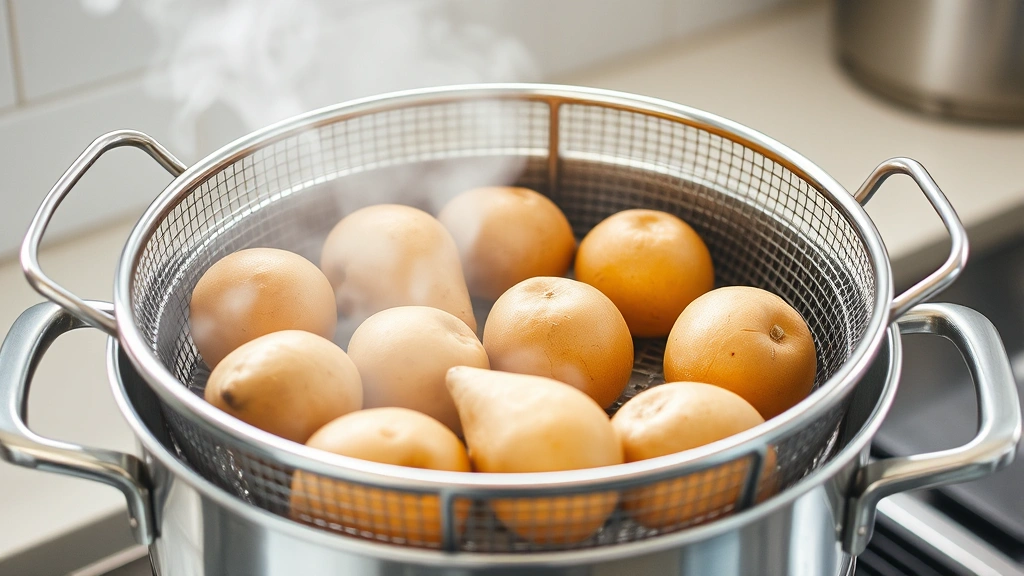
Steam Sweet Potatoes? Chef-Approved Time Guide
Steaming sweet potatoes is one of the most efficient and nutritionally superior cooking methods available to home cooks. Unlike boiling, which leaches water-soluble vitamins into the cooking liquid, steaming preserves essential nutrients while delivering perfectly tender results. Whether you’re preparing a weeknight side dish or meal-prepping for the week ahead, understanding the precise timing and techniques will elevate your kitchen skills and ensure consistent, delicious outcomes every single time.
This comprehensive guide breaks down everything you need to know about steaming sweet potatoes—from selecting the right vegetables to mastering advanced cooking techniques. We’ll explore the science behind steam cooking, provide chef-tested timing recommendations for various potato sizes, and share professional tips that transform this simple cooking method into culinary excellence. Whether you’re a beginner learning basic kitchen fundamentals or an experienced cook seeking to refine your technique, you’ll discover actionable insights that deliver restaurant-quality results in your own home.
Why Steam Sweet Potatoes?
Steaming represents the optimal cooking method for sweet potatoes when nutritional retention and texture control matter most. The USDA recognizes steaming as a superior alternative to boiling because the vegetables never contact the cooking water directly. This separation prevents the loss of water-soluble B vitamins, vitamin C, and mineral content that typically occurs during boiling. Research published by food science institutions demonstrates that steamed sweet potatoes retain approximately 90% of their nutritional value, compared to just 75% retention in boiled potatoes.
Beyond nutrition, steaming delivers superior texture and flavor concentration. The gentle, moist heat cooks vegetables evenly without creating mushy exteriors or dense, undercooked centers. The natural sugars caramelize slightly during the steaming process, intensifying the naturally sweet flavor profile that makes these vegetables so appealing. Professional chefs prefer steaming for meal preparation because it produces consistent results across batch cooking, making it ideal for restaurants, catering operations, and serious home cooks who value reliability.
Steaming also offers practical advantages for busy households. The method requires minimal active attention—simply set a timer and attend to other kitchen tasks. Unlike oven roasting, which demands precise temperature management, or stovetop cooking, which requires monitoring liquid levels, steaming operates on a straightforward principle: steam cooks food through gentle, consistent heat transfer. This makes it accessible to cooks of all skill levels while delivering professional-quality outcomes.
Selecting and Preparing Your Sweet Potatoes
Choosing the right sweet potatoes directly impacts cooking time and final results. Select firm potatoes without soft spots, bruises, or sprouting eyes. The skin should feel smooth and intact, indicating freshness and proper storage conditions. Medium-sized potatoes (approximately 6-8 ounces each) represent the ideal choice for steaming because they cook evenly without requiring cutting or extended timing adjustments. Avoid potatoes with significant size variation in the same batch, as this creates timing inconsistencies where smaller potatoes finish cooking before larger ones reach doneness.
Preparation steps are straightforward but essential for food safety and optimal results. Rinse sweet potatoes under cool running water, using a vegetable brush to remove soil and surface debris. Pay special attention to crevices and areas where dirt accumulates. Pat dry with clean paper towels—excess surface moisture increases steaming time slightly and can create condensation issues in your steaming vessel. If you prefer, leave the skin on during steaming, which adds nutritional value and simplifies handling. The skin peels away effortlessly after cooking when the flesh is still warm.
For uniform cooking across a batch, cut larger potatoes into consistent pieces. If steaming potatoes that weigh more than 10 ounces, cut them into halves or quarters that match the size of your medium potatoes. This cutting strategy ensures all pieces finish cooking simultaneously, eliminating the frustration of removing done pieces while others remain undercooked. When boiling sweet potato alternatives are under consideration, note that steaming surpasses that method in nutrient preservation and texture quality.
Essential Equipment for Steaming
Effective steaming requires appropriate equipment that maintains consistent steam circulation while preventing water contact with the vegetables. Several options deliver excellent results depending on your kitchen setup and preferences.
Bamboo steamer baskets represent traditional, affordable options that nest over simmering water in wide pots. These woven baskets distribute steam evenly while allowing excess moisture to escape, preventing soggy potatoes. Stack multiple baskets to cook larger quantities simultaneously. The natural bamboo construction conducts heat efficiently without requiring electrical components or complex assembly.
Metal steamer inserts fit into standard pots with adjustable legs that hold them above the water level. These collapsible designs work with various pot sizes and feature perforated surfaces that allow steam to rise while keeping potatoes elevated. Stainless steel construction ensures durability and easy cleaning, making these versatile tools suitable for multiple cooking applications beyond sweet potatoes.
Electric steamer units offer convenience and precision temperature control, particularly valuable for cooking large quantities or following strict timing requirements. These countertop appliances feature water reservoirs, multiple stacking trays, and automatic shutoff functions. They’re ideal for meal-prep operations or households that steam vegetables frequently. Follow manufacturer instructions regarding water levels and timing, as these vary by model.
Instant Pot and pressure cooker methods accelerate steaming dramatically, reducing cooking time to 8-12 minutes depending on potato size. These sealed environments build steam pressure, transferring heat more efficiently than traditional methods. Consult your pressure cooker’s manual for specific instructions and water measurements, as these devices operate under different principles than conventional steaming.
Regardless of equipment choice, ensure adequate water supply in your steaming vessel. Water should never contact the steamer basket or the vegetables themselves. Maintain a rolling simmer throughout cooking—vigorous boiling creates excessive steam that can overcook potatoes, while insufficient heat fails to generate adequate steam for proper cooking.
Steaming Time by Size: Complete Reference Chart
Steaming duration depends primarily on potato size, though altitude, water temperature, and steam intensity create minor variations. This comprehensive reference chart provides professional-tested timing recommendations for standard potato sizes:
Small sweet potatoes (3-4 ounces, approximately 2-3 inches long): 15-18 minutes steaming time. These individual-serving portions cook quickly and work well for single meals or precise portion control. Check doneness at 15 minutes by piercing with a fork—the tines should slide through without resistance.
Medium sweet potatoes (6-8 ounces, approximately 4-5 inches long): 20-25 minutes steaming time. This is the standard size recommended by professional chefs for consistent results and practical handling. Set your timer for 22 minutes and test at that point. The skin should wrinkle slightly when fully cooked, and the flesh should yield to gentle pressure.
Large sweet potatoes (10-12 ounces, approximately 6-7 inches long): 30-35 minutes steaming time. These substantial potatoes require extended cooking to ensure the dense interior reaches complete tenderness. Consider cutting large potatoes in half lengthwise to reduce cooking time to 22-25 minutes while maintaining even heat distribution.
Extra-large sweet potatoes (14+ ounces): 40-45 minutes steaming time, or cut into quarters for 25-30 minutes. At this size, cutting becomes practical for faster, more reliable cooking. Quartered pieces provide better surface area for steam contact and more consistent doneness across the batch.
Cubed or diced sweet potatoes (1-inch pieces): 8-12 minutes steaming time. Smaller pieces accelerate cooking significantly. This preparation method works well for stir-fries, grain bowls, or soups where you need pre-cooked potatoes. Arrange pieces in a single layer on your steamer basket for optimal steam circulation.
Sweet potato rounds or slices (½-inch thickness): 6-10 minutes steaming time. Thin slices cook very quickly and are perfect for layered dishes or side servings. Arrange slices slightly overlapping on the steamer basket to maintain moisture and prevent pieces from falling through the perforations.
Step-by-Step Steaming Instructions
Step 1: Prepare Your Equipment — Fill your steaming pot with water to the recommended level (typically 1-2 inches below the steamer basket). Place the pot on your stovetop and bring water to a rolling boil before adding potatoes. This ensures consistent steam generation from the moment vegetables enter the steamer.
Step 2: Arrange Potatoes Strategically — Place prepared sweet potatoes on the steamer basket in a single layer, ensuring they don’t overlap. Overlapping prevents steam from circulating effectively around all surfaces. If steaming multiple potatoes, arrange them so steam can access all sides equally. Leave space between potatoes for steam movement.
Step 3: Cover and Set Timer — Place the lid on your steaming vessel and set a timer based on potato size and quantity. Ensure the lid fits securely to prevent steam from escaping prematurely. A tight seal maintains consistent temperature and cooking speed throughout the steaming process. Lower heat to medium once steam begins escaping from the pot—vigorous boiling wastes energy without improving results.
Step 4: Monitor Water Level — Periodically check that water hasn’t evaporated below the steamer basket. If water level drops significantly, carefully add boiling water from a kettle to maintain steam production. Never add cold water, which interrupts the steaming process and extends cooking time unpredictably.
Step 5: Test for Doneness — When the timer indicates potatoes should be approaching doneness, carefully remove the lid (steam is extremely hot) and test the largest potato by piercing with a fork or sharp knife. The utensil should slide through the flesh with minimal resistance. If potatoes remain firm, return the lid and steam for additional 3-5 minute intervals until fully cooked.
Step 6: Remove and Cool Briefly — Using tongs or a slotted spoon, carefully transfer steamed potatoes to a cutting board or serving plate. Allow them to cool for 2-3 minutes before handling. This brief cooling period makes them easier to peel (if desired) while they remain warm enough for skin to separate easily from the flesh.
Testing for Doneness
Accurate doneness assessment prevents serving undercooked potatoes while avoiding overcooking that creates mushy texture. Multiple testing methods work independently or in combination to confirm readiness.
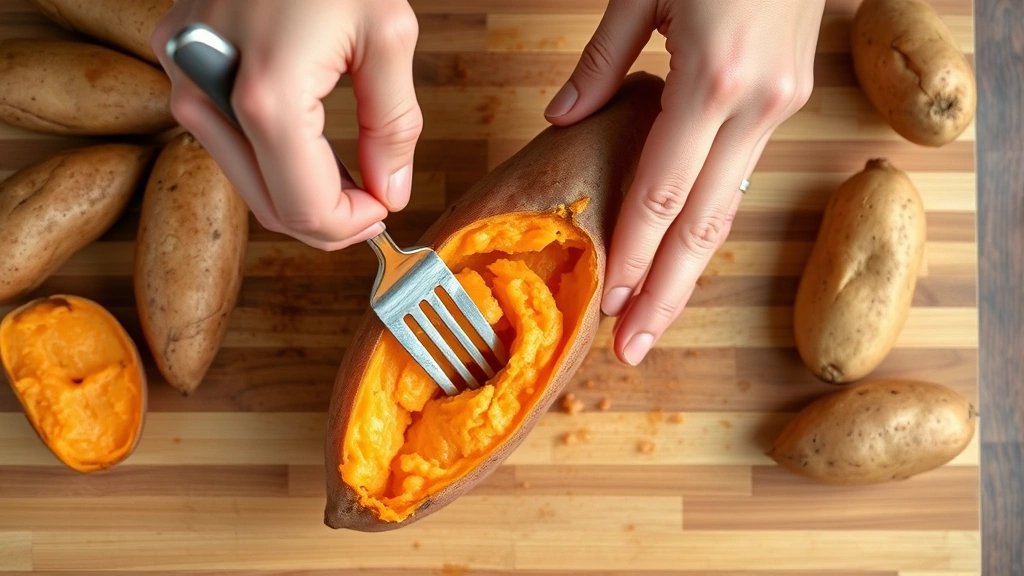
Fork test: Pierce the thickest part of the potato with a fork. Fully cooked potatoes offer zero resistance—the fork slides through like softened butter. If you encounter firmness or need to push hard, return potatoes to the steamer for 3-5 additional minutes.
Knife test: Use a sharp paring knife to cut slightly into the flesh. A clean cut with no resistance indicates doneness. If the knife meets firmness in the center, more time is needed. This method provides visual confirmation of internal texture.
Skin appearance: The skin of properly steamed sweet potatoes develops subtle wrinkling or slight shrinkage from the flesh. This visual cue indicates moisture has been partially reabsorbed into the flesh, concentrating flavors and creating the ideal texture.
Gentle pressure test: Carefully squeeze the potato (use an oven mitt for safety) between thumb and fingers. Fully cooked potatoes yield to gentle pressure throughout, with no firm spots remaining. This tactile test works well once you develop the feel through practice.
Professional chefs recommend using the fork test as the primary doneness indicator, as it provides the most reliable and consistent results. The other tests serve as secondary confirmation methods.
Advanced Steaming Techniques
Once you’ve mastered basic steaming, these advanced techniques expand your culinary options and improve results for specific applications.
Flavor-infused steaming: Add aromatics to the steaming water to subtly flavor potatoes. Try adding cinnamon sticks, star anise, or whole cloves to the water. The steam carries these flavor compounds to the potato surface, creating sophisticated taste profiles without adding calories or sodium. Ginger slices and cardamom pods work beautifully for Asian-inspired dishes. This technique adds professional depth to simple preparations.
Batch steaming for meal preparation: When steaming multiple potatoes for the week, arrange them strategically on multiple steamer basket levels. Rotate baskets halfway through cooking to ensure even heat distribution. This efficient approach lets you prepare 8-12 potatoes simultaneously, providing ready-to-eat vegetables for quick meals throughout the week. Store cooled potatoes in airtight containers in your refrigerator for up to 5 days.
Hybrid cooking methods: Combine steaming with other techniques for unique results. Steam potatoes until nearly tender (about 80% done), then transfer to a hot skillet with a small amount of oil for a final 2-3 minute sear. This creates caramelized edges while maintaining the tender interior that steaming provides. This hybrid approach mirrors restaurant techniques for texture and flavor complexity.
Pressure cooker acceleration: Using a pressure cooker reduces steaming time dramatically. Add 1 cup water to the pressure cooker pot, place the trivet inside, and arrange potatoes on the trivet. Cook at high pressure for 8 minutes (medium potatoes) or 12 minutes (large potatoes). Quick-release pressure according to manufacturer instructions. This method suits busy schedules while maintaining nutritional benefits of steaming.
Cold-shock finishing: Immediately transfer steamed potatoes to an ice bath for 30 seconds after cooking completes. This stops the cooking process, preventing overcooking while the residual heat finishes cooking the very center. This technique ensures absolutely perfect texture throughout, with no mushy exterior or firm center. Professional kitchens use this method routinely for precise doneness control.
Storage and Make-Ahead Strategies
Properly stored steamed sweet potatoes maintain quality for several days, making them excellent candidates for meal planning and home cooking preparation strategies.
Refrigerator storage: Cool steamed potatoes to room temperature, then transfer to airtight containers. Refrigerate for up to 5 days. Store whole potatoes or cut them into desired portions before storage. Whole potatoes maintain better texture and flavor than pre-cut pieces, which develop slight browning where exposed flesh contacts air.
Freezer storage: Steamed sweet potatoes freeze beautifully for up to 3 months. Cool completely, then package in freezer-safe bags, removing excess air to prevent freezer burn. Label bags with the date and portion size for easy identification. Frozen potatoes work best in recipes where texture isn’t critical—soups, smoothies, baked goods, or mashed preparations. Thaw in the refrigerator overnight before using, or reheat directly from frozen in a microwave or steamer.
Reheating techniques: Restore steamed potatoes to fresh-cooked quality through proper reheating. Steaming again for 3-5 minutes preserves texture better than microwave heating, which can create mushy results. Alternatively, wrap whole potatoes in foil and reheat in a 350°F oven for 10-15 minutes. For cut potatoes, pan-searing in a small amount of oil creates appealing texture while warming throughout.
Make-ahead meal components: Prepare steamed potatoes at the beginning of the week to simplify daily meal assembly. Pair them with roasted vegetables, grains, and proteins for balanced bowls. Mash cooled potatoes with cinnamon and nutmeg for quick breakfast side dishes. Dice them for addition to soups, stews, or grain salads. This strategic preparation reduces daily cooking time while ensuring you eat nutritious whole foods throughout the week.
FAQ
How long does it take to steam a medium sweet potato?
Medium sweet potatoes (6-8 ounces) require 20-25 minutes of steaming time. Set your timer for 22 minutes and test doneness by piercing with a fork. The flesh should slide through without resistance when fully cooked. Steaming time may vary slightly based on your altitude, the exact size of your potatoes, and the intensity of your steam generation.
Can I steam sweet potatoes without a steamer basket?
Yes, several alternatives work effectively. Create a makeshift steamer by placing a heat-safe bowl upside-down in your pot (it elevates the potatoes above water), then arrange potatoes on a rack or foil ball on top of the bowl. Alternatively, use aluminum foil to create a small platform that holds potatoes above water. These improvised methods work well for small batches, though dedicated steaming equipment provides more reliable, consistent results.
Is steaming or boiling sweet potatoes better?
Steaming is superior to boiling for both nutrition and texture. Steamed potatoes retain approximately 15% more vitamins and minerals because they don’t contact cooking water. The texture is also superior—steaming produces evenly tender potatoes without the waterlogged quality that sometimes results from boiling. If you’re comparing cooking methods, steaming consistently outperforms boiling for home cooks prioritizing nutrition and quality.
How do I know when steamed sweet potatoes are done?
Use the fork test: pierce the thickest part with a fork, and it should slide through with no resistance. The skin may develop subtle wrinkling, and the potato should yield to gentle finger pressure. If you encounter firmness, return to the steamer for 3-5 additional minutes and test again. Visual inspection and tactile testing together confirm doneness more reliably than time alone.
Can I steam sweet potatoes ahead of time?
Absolutely. Steamed sweet potatoes refrigerate well for up to 5 days in airtight containers. You can also freeze them for up to 3 months. Cool completely before storing, and for best results with whole potatoes, peel them after cooking but before refrigerating. This strategic preparation supports meal planning and reduces daily cooking time significantly.
What’s the difference between steaming and roasting sweet potatoes?
Steaming uses moist heat to cook potatoes gently, preserving more nutrients and creating creamy texture. Roasting uses dry heat at higher temperatures, creating caramelized exteriors and concentrating sugars for sweeter flavor. Steaming is faster and more nutritious, while roasting develops deeper flavors and crispy edges. Many cooks use both methods depending on the final dish requirements and available time.
How many sweet potatoes can I steam at once?
You can steam as many potatoes as fit on your steamer basket in a single layer without overlapping. Overlapping prevents steam from circulating effectively around all surfaces. For large quantities, use multiple steamer basket levels (if available) or steam in batches. Rotating baskets halfway through cooking ensures even heat distribution across all potatoes.
Do I need to peel sweet potatoes before steaming?
No, steaming with the skin on is actually preferable. The skin protects nutrients and the flesh underneath, peels away easily after cooking while the potato is still warm, and adds fiber to your meal. Simply rinse potatoes thoroughly before steaming to remove soil. If you prefer peeled potatoes, you can peel them after steaming, which is easier than peeling raw potatoes.
Can I steam frozen sweet potatoes?
Yes, but add 5-10 minutes to the standard steaming time. Thaw frozen potatoes in the refrigerator overnight for best results, then steam according to standard timing. Alternatively, steam directly from frozen, checking doneness frequently as cooking time becomes less predictable. Thawed potatoes produce more consistent results and superior texture.
What temperature should the water be when I start steaming?
Water should be at a rolling boil before you add potatoes to the steamer basket. Boiling water generates consistent steam from the moment cooking begins, ensuring reliable timing. If you add potatoes to barely simmering water, the initial steam generation takes time, extending overall cooking duration and making timing predictions less accurate. Always start with vigorously boiling water for best results.


