Thawing Ham: Chef-Approved Timelines & Tips
Thawing a ham properly is one of the most critical steps in preparing a delicious holiday or special occasion meal. Many home cooks rush this process or use unsafe methods, which can lead to uneven thawing, bacterial growth, and compromised food safety. Understanding how long to thaw a ham and applying the correct techniques will ensure your centerpiece is tender, flavorful, and safe to eat. Whether you’re preparing a spiral-cut ham, bone-in ham, or boneless variety, the principles remain consistent: patience and proper temperature control are your best allies.
The USDA and food safety experts have established clear guidelines for thawing frozen meats, and ham is no exception. A frozen ham can take anywhere from 24 hours to several days to thaw completely, depending on its size and the method you choose. In this comprehensive guide, we’ll walk you through the safest and most efficient thawing methods, help you calculate exact timelines for your specific ham, and share expert tips to keep your meat in perfect condition throughout the process.
Understanding Ham Thawing Basics
Before diving into specific timelines, it’s important to understand why proper thawing matters. When ham freezes, ice crystals form within the muscle tissue. If thawed too quickly or at inconsistent temperatures, the outer portions warm to dangerous temperatures while the interior remains frozen. This temperature variation creates an ideal environment for bacterial growth, particularly Clostridium perfringens and other pathogens that thrive in the “danger zone” between 40°F and 140°F.
The USDA Food Safety and Inspection Service (FSIS) recognizes only three safe methods for thawing frozen ham: refrigerator thawing, cold water thawing, and cooking from frozen. Any other method—including counter thawing, oven thawing, or room temperature thawing—poses significant food safety risks. Your goal is to keep the exterior of the ham below 40°F while the interior gradually reaches that same safe temperature.
Ham size dramatically affects thawing time. A small 5-pound ham may thaw in 2-3 days using refrigerator methods, while a 15-pound spiral-cut ham could require 5-7 days. Bone-in hams typically thaw faster than boneless varieties of equivalent weight because the bone conducts heat more efficiently. Understanding these variables helps you plan ahead and avoid the temptation to rush the process.
Refrigerator Thawing Method
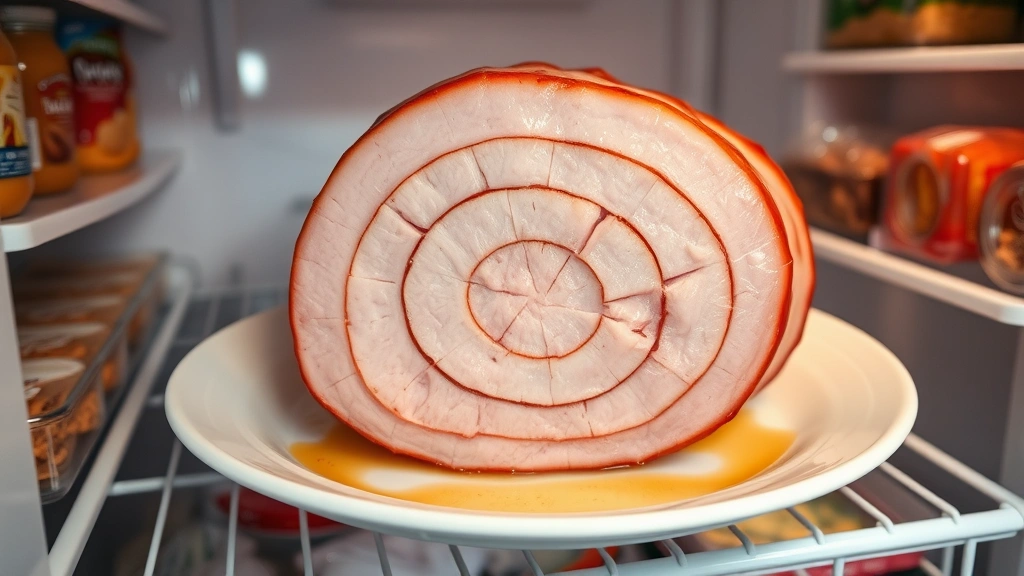
The refrigerator method is the safest and most recommended approach for thawing ham. This slow, consistent method maintains food safety throughout the process and requires minimal monitoring. The USDA estimates approximately 24 hours of thawing time for every 4-5 pounds of ham.
Step-by-step refrigerator thawing:
- Place your frozen ham on a plate or in a shallow pan to catch any drippings that may leak during thawing
- Position the ham on a lower shelf in your refrigerator to prevent any accidental drips onto other foods
- Set your refrigerator temperature to 40°F or below (verify with a thermometer for accuracy)
- Allow approximately 24 hours per 4-5 pounds of ham
- Monitor progress daily but do not turn or manipulate the ham unnecessarily
- Once fully thawed, the ham remains safe in the refrigerator for 3-5 additional days before cooking
This extended window between thawing and cooking is one of the refrigerator method’s greatest advantages. If your dinner plans change or you need additional prep time, your ham stays safe. Many experienced cooks prefer this method because it also allows the ham to equilibrate to a more uniform temperature, promoting even cooking and better heat distribution in the oven.
For a 10-pound ham, expect approximately 2.5 days of thawing time. A 15-pound ham requires roughly 4 days. Planning ahead is essential—if you’re cooking on Thursday evening, begin thawing your ham on Sunday or Monday morning. This buffer prevents last-minute stress and ensures food safety.
Cold Water Thawing Method
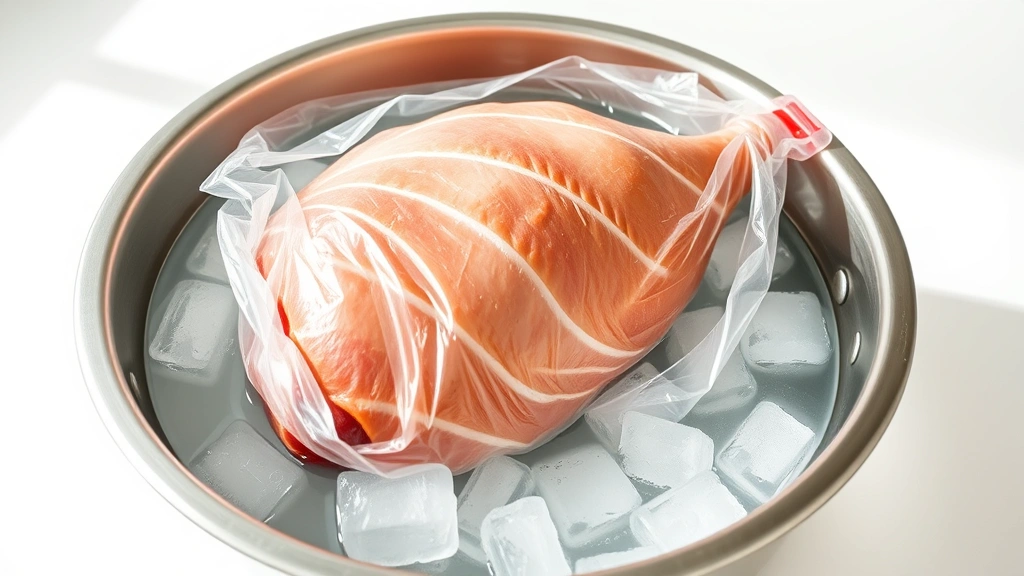
The cold water method offers a faster alternative when time is limited, though it requires more active attention than refrigerator thawing. This technique can reduce thawing time to approximately 30 minutes per pound, making it suitable for hams you need to cook within 24 hours.
Proper cold water thawing procedure:
- Place your frozen ham in a leak-proof bag (a heavy-duty freezer bag works well)
- Submerge the bagged ham completely in cold tap water
- Change the water every 30 minutes to maintain a temperature below 40°F
- Estimate 30 minutes per pound of ham (a 10-pound ham requires approximately 5 hours)
- Once thawed, cook the ham immediately or transfer to the refrigerator for up to 24 hours
The critical element here is the water temperature and frequent changes. Lukewarm water allows bacteria to proliferate rapidly, so cold water is non-negotiable. Some home cooks use ice cubes or add ice to the water to ensure consistent cold temperatures, particularly in warm kitchens or during summer months. A meat thermometer can confirm thawing progress—the thickest part should reach 40°F.
Cold water thawing works exceptionally well for smaller hams (5-8 pounds) where the time commitment remains manageable. For larger hams, the 30-minute water changes become tedious, and refrigerator thawing becomes more practical. However, if you’re in a genuine time crunch, cold water thawing beats any unsafe counter-thawing method.
Emergency Quick-Thaw Techniques
Occasionally, despite best intentions, you find yourself with a frozen ham and insufficient thawing time. Before resorting to unsafe methods, consider these USDA-approved emergency options.
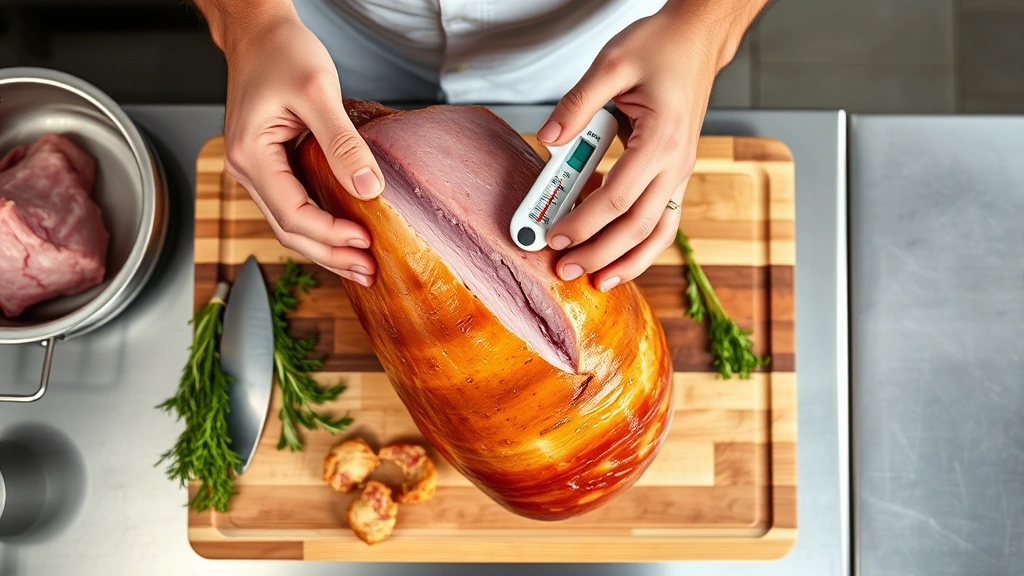
Cooking from frozen: The USDA permits cooking ham directly from frozen, though this requires extending your cooking time by approximately 50% beyond normal guidelines. A frozen 10-pound ham might require 3.5-4 hours instead of 2-2.5 hours. Use a meat thermometer to ensure the thickest part reaches 145°F (or 160°F for pre-cooked hams). This method works but may result in uneven cooking, with the exterior potentially overcooking before the interior reaches safe temperatures.
For more detailed cooking timelines, check our guide on how long to smoke a brisket at 225 for understanding low-temperature meat cooking principles, which apply to ham as well. Similarly, our article on how long to smoke whole chicken covers similar protein thawing and cooking methodology.
Partial thawing strategy: If you have 12-24 hours available, use the cold water method to partially thaw your ham until it’s soft enough to separate into smaller sections. Smaller pieces thaw more quickly, allowing you to complete thawing via refrigerator or use the remaining cold water sessions more efficiently.
Return to the Understanding Ham Thawing Basics section if you want to confirm whether your situation genuinely requires emergency measures or if proper planning can still work within your timeline.
Safety Precautions and Food Handling
Food safety must remain your paramount concern throughout the thawing and cooking process. The USDA FSIS guidelines provide comprehensive food safety standards that professional kitchens and home cooks must follow.
Critical safety practices:
- Never thaw ham on the counter: Room temperature allows rapid bacterial multiplication. Counter thawing can cause the exterior to reach 60°F+ while the interior remains frozen—a perfect storm for foodborne illness
- Prevent cross-contamination: Raw ham drippings contain bacteria. Use dedicated plates, cutting boards, and utensils. Wash hands thoroughly after handling raw ham
- Monitor refrigerator temperature: Verify your refrigerator maintains 40°F or below with an appliance thermometer. Fluctuating temperatures compromise food safety
- Check for off-odors or discoloration: If your thawed ham smells sour, shows gray discoloration, or feels slimy, discard it immediately. These indicate bacterial spoilage
- Use clean water for cold water thawing: Tap water is acceptable, but ensure it’s not contaminated. In areas with water quality concerns, use bottled water
- Keep drippings contained: Whether using refrigerator or cold water methods, contain all drippings to prevent contamination of other foods and surfaces
According to FoodSafety.gov, proper thawing is one of the most overlooked food safety practices in home kitchens. Taking these precautions seriously prevents serious illnesses like salmonella, listeria, and clostridium infections.
Calculating Your Specific Thawing Time
Now that you understand the methods and safety principles, let’s calculate exact timelines for common ham sizes. These calculations assume standard refrigerator thawing at 40°F.
Refrigerator thawing timeline (24 hours per 4-5 pounds):
- 5-pound ham: 24-30 hours (1-1.5 days)
- 8-pound ham: 38-48 hours (1.5-2 days)
- 10-pound ham: 48-60 hours (2-2.5 days)
- 12-pound ham: 58-72 hours (2.5-3 days)
- 15-pound ham: 72-90 hours (3-3.75 days)
- 18-pound ham: 86-108 hours (3.5-4.5 days)
These are conservative estimates that prioritize safety. Smaller hams may thaw slightly faster due to better heat penetration, while larger hams with irregular shapes may require additional time. When in doubt, add extra time rather than risk food safety issues.
Cold water thawing timeline (30 minutes per pound):
- 5-pound ham: 2.5 hours
- 8-pound ham: 4 hours
- 10-pound ham: 5 hours
- 12-pound ham: 6 hours
- 15-pound ham: 7.5 hours
Remember to change water every 30 minutes when using the cold water method. This isn’t a “set it and forget it” approach—it demands active participation throughout the thawing window.
For additional insight into planning large meals with multiple proteins, visit our DIY Nests Hub Blog for comprehensive cooking guides and meal preparation strategies.
FAQ
How long does it take to thaw a 10-pound ham in the refrigerator?
A 10-pound ham requires approximately 48-60 hours (2-2.5 days) to thaw completely in a refrigerator set at 40°F or below. Plan ahead by beginning the thawing process at least 3 days before your intended cooking time to build in a safety buffer.
Can I thaw ham in cold water faster than the refrigerator?
Yes, significantly faster. The cold water method requires approximately 30 minutes per pound, so a 10-pound ham thaws in about 5 hours. However, this method demands you change the water every 30 minutes. The refrigerator method is slower but requires minimal attention once initiated.
Is it safe to thaw ham on the kitchen counter?
No, counter thawing is never safe according to USDA guidelines. The exterior of the ham reaches dangerous temperatures (above 40°F) while the interior remains frozen, creating ideal conditions for rapid bacterial growth. Always use refrigerator or cold water methods exclusively.
How long can a thawed ham stay in the refrigerator before cooking?
Once fully thawed via refrigerator methods, ham remains safe in the refrigerator for 3-5 additional days before cooking. If thawed using cold water methods, cook the ham immediately or refrigerate for no more than 24 hours. If thawed from frozen cooking, cook immediately.
What should I do if I forgot to thaw my ham in time?
You have two options: cook the ham directly from frozen (adding approximately 50% to normal cooking time), or use the cold water method for partial thawing, then complete thawing in the refrigerator. The cold water method is faster but requires the 30-minute water changes. Plan ahead next time to avoid this stressful situation.
Can I refreeze a thawed ham?
Yes, you can refreeze a thawed ham if it was thawed in the refrigerator and has been held below 40°F throughout the thawing process. However, refreezing may affect texture and quality. If thawed using cold water methods, refreeze only if you cook the ham first. Never refreeze ham that has been at room temperature.
How do I know if my thawed ham has gone bad?
Check for off-odors (sour or unpleasant smells), discoloration (gray or brown spots), and slimy texture. Fresh thawed ham should smell like fresh meat and feel firm. When in doubt, throw it out—the cost of replacement ham is minimal compared to the risk of foodborne illness.
Do bone-in hams thaw faster than boneless hams?
Yes, bone-in hams typically thaw slightly faster than boneless varieties of equivalent weight because bone conducts heat more efficiently than meat tissue alone. However, the difference is usually only 10-15%, so use the standard guidelines as your baseline estimate.


