Eating After Composite Filling: Dentist’s Advice
Composite fillings are one of the most popular restorative dental treatments today, offering a tooth-colored solution that blends seamlessly with your natural smile. Unlike traditional amalgam fillings, composite materials require specific post-treatment care to ensure optimal longevity and success. Understanding the proper waiting period before eating after your composite filling procedure is essential for protecting your investment and maintaining your oral health.
Many patients wonder about the timeline for resuming normal eating habits after receiving a composite filling. The answer isn’t one-size-fits-all, as several factors influence how long you should wait before eating. Your dentist’s specific instructions, the filling’s location, the type of composite material used, and the curing process all play crucial roles in determining when it’s safe to enjoy your next meal.
Understanding Composite Fillings and Curing Process
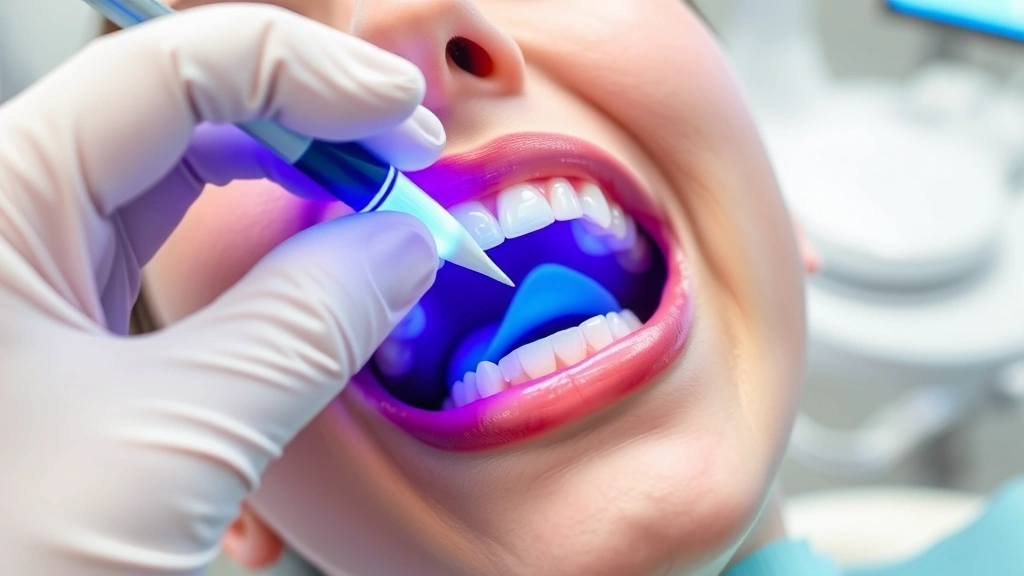
Composite fillings are made from a mixture of plastic resin and finely ground glass particles, creating a durable and aesthetically pleasing restoration. The material is applied in layers and hardened using a specialized blue light, a process called photopolymerization. This curing mechanism is fundamentally different from older amalgam fillings, which harden through a chemical reaction over several hours.
Modern composite materials typically achieve initial hardness within seconds to minutes of light exposure. However, this doesn’t mean the filling is completely set. The curing process continues for several hours after your appointment, during which the material reaches its full hardness and strength. Understanding this distinction is crucial for proper post-filling care and explains why your dentist provides specific eating guidelines.
The type of composite resin your dentist uses affects curing times. Nanofilled composites, hybrid composites, and microfilled composites each have slightly different properties and setting characteristics. Additionally, the depth of the filling influences how thoroughly the light penetrates and cures the material. Deeper fillings may require longer initial curing times because light cannot reach the bottom layers as effectively.
Your dentist’s expertise in applying composite materials ensures proper layering and light exposure. When composite is applied in thin increments and each layer receives adequate light curing, the final restoration achieves maximum strength. This professional technique is why you should always follow your dentist’s specific post-treatment instructions rather than relying solely on general guidelines.
How Long to Wait Before Eating
The most common recommendation from dental professionals is to wait at least 30 minutes to one hour before eating after receiving a composite filling. However, many dentists suggest waiting up to two hours for optimal results, particularly if the filling is large or located in a high-stress area of your mouth. This waiting period allows the composite to reach sufficient hardness to withstand normal chewing forces.
During the first hour after filling placement, the composite continues undergoing polymerization, even though it feels hard to the touch. Premature eating can potentially disrupt this process or cause the filling to chip, crack, or become displaced. The risk is highest during the first 24 hours when the material hasn’t achieved complete hardness.
If you received a filling on a back tooth, your dentist might recommend a longer waiting period since these teeth endure significantly greater chewing forces than front teeth. The molars can exert up to 1,200 pounds per square inch of pressure during chewing, making them vulnerable to filling failure if the restoration hasn’t fully cured.
Some dental offices use light-activated composite materials that cure faster than traditional formulations. If your dentist used a fast-setting composite, you might receive permission to eat sooner. Always confirm the specific waiting time with your dental team before leaving the office, as they understand the exact materials and techniques used in your procedure.
Foods to Avoid After Your Filling
Even after the initial waiting period, you should be strategic about what you eat during the first 24 hours following composite filling placement. Certain foods pose particular risks to new fillings and can compromise their integrity before they’ve achieved complete hardness.
Hard and crunchy foods should be avoided for at least 24 hours after filling placement. This category includes nuts, hard candy, popcorn, ice, and raw vegetables. These foods require significant biting force and can potentially crack or chip a newly placed filling. The same principle applies to sticky foods like caramel, taffy, chewing gum, and dried fruit, which can pull or dislodge a filling that hasn’t fully set.
Extremely hot or cold foods and beverages should also be avoided during the first 24 hours. Temperature extremes can cause the composite material and your tooth to expand and contract at different rates, potentially creating gaps or stress points that compromise the filling’s seal. This thermal stress is particularly concerning immediately after placement.
Colored or staining foods and beverages warrant caution during the first week after filling placement. While composite materials are more stain-resistant than natural tooth enamel, new restorations may be slightly more porous initially. Avoiding coffee, red wine, tea, berries, and tomato-based sauces during the first 24 hours helps prevent premature discoloration.
Acidic foods and drinks can soften the composite surface and compromise the filling’s margins. Citrus fruits, soda, sports drinks, and vinegar-based foods should be minimized during the first 24 hours. If you do consume acidic items, wait at least 30 minutes before brushing your teeth, as brushing immediately after acid exposure can damage both the filling and your natural tooth enamel.

Proper Care During the First 24 Hours
Beyond dietary restrictions, several other care measures help ensure your composite filling sets properly and remains healthy. The first 24 hours after filling placement are critical for long-term success, making proper care during this period essential.
Chewing carefully is paramount during the first 24 hours. Try to chew on the opposite side of your mouth from the filled tooth whenever possible. This prevents unnecessary stress on the new restoration and allows it to cure undisturbed. If you have fillings on both sides, eat soft foods that require minimal chewing force.
Avoid vigorous rinsing for the first few hours after your appointment. Excessive rinsing can disturb the filling and potentially wash away uncured composite material. You can gently rinse with lukewarm water if needed, but avoid swishing forcefully or using mouthwash for at least 24 hours.
Don’t smoke or use tobacco products for at least 24 hours after composite filling placement. Tobacco smoke contains chemicals that can stain new restorations and potentially interfere with the final curing process. Additionally, smoking reduces saliva flow, which helps protect and mineralize new dental work.
Maintain excellent oral hygiene but be gentle around the filled tooth. You can brush your other teeth normally, but use a soft toothbrush and avoid aggressive brushing near the new filling for the first week. Gentle flossing between other teeth is acceptable, but avoid flossing between the filled tooth and its neighbor for 24 hours.
Take over-the-counter pain relief if you experience sensitivity or discomfort. Some patients notice mild sensitivity to temperature or pressure after filling placement, which typically resolves within a few days. Ibuprofen or acetaminophen can help manage this temporary discomfort.
Avoid touching the filling with your tongue or fingers. While this feels natural and tempting, constant contact can disturb the restoration and potentially introduce bacteria. Try to be mindful of your tongue’s position during the first 24 hours.
When Can You Return to Normal Eating
After the initial 24-hour period, you can gradually return to your normal diet. However, the transition should be gradual and thoughtful, particularly during the first week following filling placement. Most composite fillings achieve sufficient hardness for normal eating within 24 hours, though complete hardness may take up to one week.
During days two through seven, you can begin reintroducing harder and more challenging foods, but remain cautious. Start with moderately soft foods like scrambled eggs, pasta, fish, and well-cooked vegetables. Gradually progress to firmer foods as you feel confident that the filling is solid and comfortable.
By one week post-filling, most patients can return to their completely normal diet without restrictions. The composite has achieved near-maximum hardness, and the tooth-filling bond has strengthened significantly. However, always follow your specific dentist’s recommendations, as individual cases may vary based on filling size, location, and material type.
Long-term filling care extends well beyond the first week. While your filling is now durable, continued attention to oral hygiene and avoiding damaging habits ensures longevity. Composite fillings typically last 5-10 years with proper care, though some may last longer depending on factors like filling size, location, and individual chewing habits.
If you’re interested in maintaining your overall health through proper self-care practices, you might also find value in learning about DIY Nests Hub Blog, which covers various personal maintenance topics. While dental care is specialized, understanding general self-care principles can support your overall wellness journey.
Signs Something Went Wrong
While composite fillings are generally reliable, problems can occasionally occur. Knowing the warning signs helps you seek prompt treatment if issues develop. Understanding when to contact your dentist is crucial for protecting your tooth and preventing more serious complications.
Persistent pain or sensitivity lasting more than a week may indicate an issue. Some sensitivity is normal immediately after filling placement, but prolonged or worsening pain suggests potential problems. This could indicate that the filling is too high, causing improper bite pressure, or that decay extends deeper than initially apparent.
Visible cracks or chips in the filling surface warrant immediate attention. Small surface cracks may seem minor, but they allow bacteria to penetrate and cause new decay. Chips that expose the underlying tooth structure also require professional repair to prevent further damage.
Filling edges that feel rough or sharp should be smoothed by your dentist. Rough edges can cut your cheek or tongue and may indicate that the filling margin isn’t properly sealed. Poor margins allow bacteria to enter and cause decay along the filling’s edges.
Persistent bad breath or taste around the filled tooth could indicate bacterial contamination or decay beneath the filling. This requires professional evaluation to determine if the filling needs replacement or if decay has developed underneath.
The filling feels loose or moves when you touch it with your tongue. A properly placed filling should feel solid and immobile. Movement suggests the filling may be separating from the tooth structure, which compromises its ability to seal and protect the tooth.
Discoloration or staining developing rapidly around the filling margin may indicate that the seal is failing. Proper filling margins should prevent staining from extending onto the natural tooth structure.
If you notice any of these warning signs, contact your dentist promptly. Early intervention can often prevent more serious problems and extend the life of your restoration. Many dental issues that seem minor initially can become major problems if left untreated.
FAQ
Can I eat immediately after a composite filling?
No, you should wait at least 30 minutes to one hour before eating after composite filling placement. Many dentists recommend waiting up to two hours, especially for large fillings or those on back teeth. This allows the composite material to reach sufficient hardness to withstand normal chewing forces. Your specific dentist can provide exact timing based on the materials and techniques used during your procedure.
What should I eat after a composite filling?
During the first 24 hours, stick to soft foods that require minimal chewing effort. Good options include yogurt, applesauce, mashed potatoes, soup, smoothies, scrambled eggs, oatmeal, and soft fruit. Avoid hard, sticky, extremely hot or cold, acidic, and staining foods during this initial period. After 24 hours, gradually reintroduce normal foods as you feel comfortable.
Why does my composite filling hurt when I bite?
Pain when biting may indicate that the filling is slightly too high, causing it to contact your opposing tooth before other teeth do. This creates excessive pressure on the filled tooth. Contact your dentist, who can adjust the filling height to create a more balanced bite. Temporary sensitivity is normal, but persistent pain requires professional evaluation.
How long do composite fillings last?
Composite fillings typically last 5-10 years, with some lasting longer depending on filling size, location, oral hygiene, and individual factors. Back teeth fillings may not last as long as front tooth fillings because they endure greater chewing forces. Proper care, including gentle brushing, regular flossing, and avoiding hard foods, helps maximize filling longevity. Your dentist can assess filling condition during regular checkups and recommend replacement when necessary.
Can I drink coffee after a composite filling?
It’s best to avoid coffee for at least 24 hours after composite filling placement. Coffee is acidic and can stain new restorations. If you must drink coffee, wait at least 24 hours and use a straw to minimize contact with the filling. After 24 hours, you can resume normal coffee consumption, though maintaining good oral hygiene helps prevent staining.
Should I floss around a new composite filling?
Avoid flossing between the filled tooth and its neighbor for at least 24 hours after filling placement. After 24 hours, you can resume normal flossing, but be gentle around the new restoration. Proper flossing helps maintain the seal around the filling and prevents decay from developing along the filling margins.
Is sensitivity after composite filling normal?
Some mild sensitivity to temperature or pressure is normal immediately after composite filling placement and typically resolves within a few days to a week. If sensitivity persists beyond one week or becomes severe, contact your dentist. Persistent sensitivity may indicate issues with the filling or underlying tooth structure that require professional evaluation and potential treatment.


