Walk 5 Miles? Fitness Expert’s Time Guide
Walking is one of the most accessible forms of exercise, requiring no special equipment or gym membership. Whether you’re training for a long-distance event, building your fitness routine, or simply curious about your walking pace, understanding how long it takes to walk 5 miles is essential for setting realistic goals and tracking progress. The answer isn’t one-size-fits-all—it depends on several individual factors including age, fitness level, terrain, weather conditions, and personal walking speed.
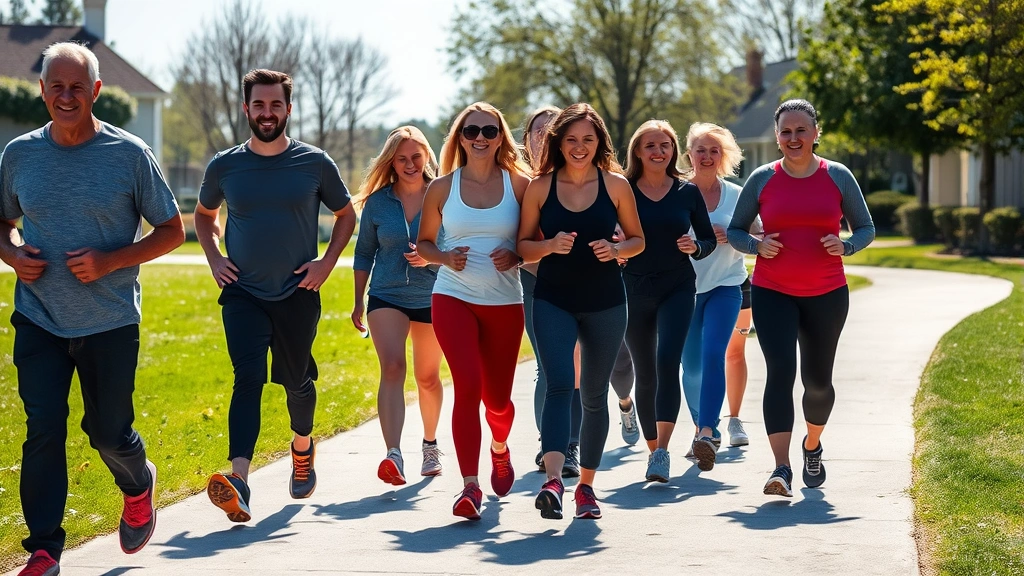
Most people can walk 5 miles in approximately 80 to 100 minutes at a moderate pace of 3 to 3.5 miles per hour. However, competitive walkers might complete the same distance in 60 to 70 minutes, while those walking at a leisurely pace could take 120 to 150 minutes. This comprehensive guide will break down the variables affecting your walking time and help you establish realistic expectations for your fitness journey.
Understanding Walking Speed and Pace
Walking speed is typically measured in miles per hour (mph) or minutes per mile. The average adult walks at a speed of 3 to 4 mph on flat terrain. To calculate your personal walking pace, divide 60 by your speed in mph. For example, if you walk at 3 mph, your pace is 20 minutes per mile (60 ÷ 3 = 20). This calculation becomes your baseline for estimating longer distances like 5 miles.
The American Heart Association recommends that adults engage in at least 150 minutes of moderate-intensity aerobic activity per week. A 5-mile walk at a moderate pace fits perfectly into this recommendation, typically requiring about 85 to 100 minutes depending on your individual speed. Understanding your personal walking speed helps you structure training programs effectively and maintain consistency with fitness goals. As you work toward losing weight through regular exercise, tracking your walking time becomes an important metric for measuring progress.
Different walking speeds correspond to different intensity levels. Casual walking at 2.5 mph is considered light activity, while brisk walking at 4 to 5 mph provides moderate to vigorous cardiovascular benefits. Race walking and power walking can exceed 5 mph. Knowing where you fall on this spectrum helps you understand whether your current routine is meeting your fitness objectives.
Factors That Influence Your 5-Mile Walking Time
Several interconnected variables affect how long it takes to complete a 5-mile walk. Age is a significant factor—younger adults typically maintain faster speeds than older adults, though many seniors remain highly capable walkers. Fitness level dramatically impacts your pace; regular walkers naturally develop cardiovascular efficiency and muscular endurance that allow them to maintain faster speeds with less effort.
Body weight influences walking speed because heavier bodies require more energy to propel forward. However, this doesn’t mean overweight individuals can’t be excellent walkers; many develop impressive speeds through consistent training. Your current physical condition matters considerably—someone recovering from illness or injury may walk more slowly than their baseline speed, while athletes in peak condition walk significantly faster.
Gender plays a minor role in walking speed, with slight variations in average speeds between men and women, though individual variation far exceeds gender-based differences. Motivation and purpose also affect pace; someone walking for transportation typically moves faster than someone on a leisurely nature walk. Environmental factors like heat, humidity, and air quality can reduce your speed by 5 to 15 percent compared to ideal conditions.
Footwear significantly impacts comfort and speed. Proper walking shoes with adequate cushioning and support enable faster, more comfortable walks. Poor footwear can slow you down and increase injury risk. Your mental state matters too—stress, fatigue, and low motivation reduce walking speed, while enthusiasm and good health increase it. Understanding these personal factors helps you set achievable goals and troubleshoot when progress plateaus.
Walking Speed Categories and Time Estimates
Leisurely Walking (2.5 mph) takes approximately 120 minutes to complete 5 miles. This pace is perfect for casual exploration, social walks, or recovery days. It requires minimal cardiovascular effort and allows for conversation and sightseeing. This speed is appropriate for very young children, elderly individuals, or anyone recovering from injury.
Moderate Walking (3 to 3.5 mph) completes 5 miles in 85 to 100 minutes. This is the most common pace for fitness walkers and meets health recommendations for aerobic activity. It elevates heart rate into the cardiovascular training zone without requiring intense effort. Most people can sustain this pace comfortably while maintaining conversation.
Brisk Walking (4 to 4.5 mph) completes 5 miles in 67 to 75 minutes. This pace significantly elevates heart rate and breathing, making conversation difficult. Brisk walking provides substantial cardiovascular benefits and burns approximately 300 to 400 calories depending on body weight. Sustained brisk walking requires good fitness and proper technique.
Power Walking (4.5 to 5.5 mph) finishes 5 miles in 55 to 67 minutes. This intense form of walking incorporates arm movements and purposeful strides. It approaches jogging intensity while remaining low-impact. Power walking requires significant cardiovascular fitness and proper form to prevent injury.
Race Walking (5.5+ mph) completes 5 miles in under 55 minutes. This competitive discipline requires specific technique including one foot always contacting the ground and hip rotation. Race walkers are highly trained athletes. Most recreational walkers won’t maintain this speed, but understanding these categories helps contextualize your personal pace.
Terrain and Environmental Impact
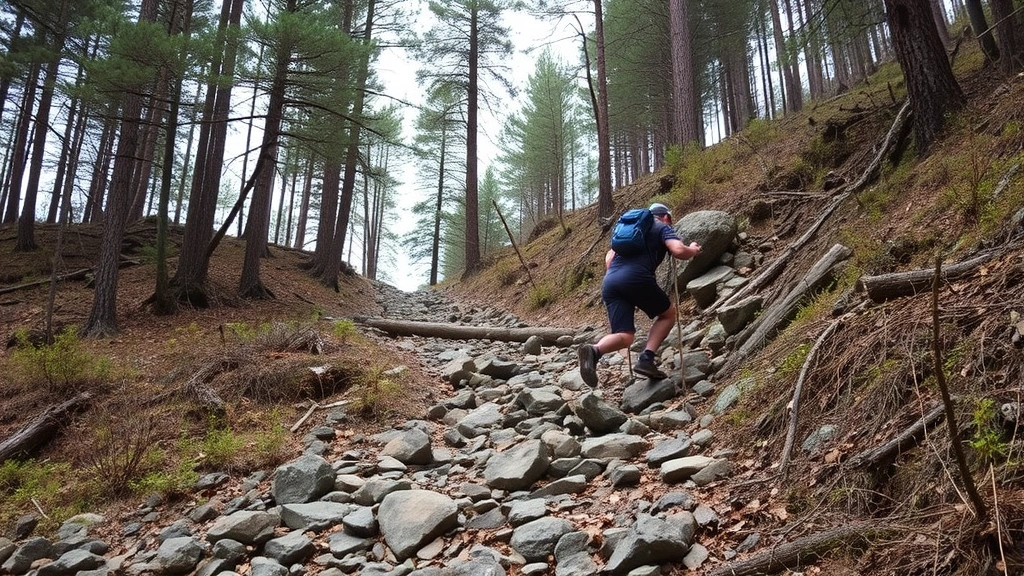
Flat, paved surfaces like sidewalks and roads allow maximum speed. Walking on these surfaces requires less muscular effort and enables consistent pacing. However, varied terrain—including hills, trails, and uneven ground—significantly reduces speed. A 5-mile walk that includes elevation gain might take 20 to 40 percent longer than the same distance on flat ground.
Uphill walking slows pace considerably but provides excellent training benefits and increased calorie burn. Downhill walking is faster but demands more muscular control and impacts joints more heavily. Trail walking over uneven terrain requires constant micro-adjustments, reducing speed and increasing calorie expenditure. Sand and gravel surfaces slow walking compared to packed dirt or pavement.
Weather conditions substantially affect walking speed and comfort. Hot temperatures increase perceived effort and may slow pace by 5 to 15 percent. High humidity compounds heat stress. Cold weather can reduce speed, though many walkers prefer cooler conditions. Wind resistance, particularly strong headwinds, noticeably slows walking speed. Rain doesn’t necessarily slow walkers significantly, though it increases slip risk on some surfaces.
Altitude affects walking speed, particularly for those unaccustomed to higher elevations. The reduced oxygen availability increases cardiovascular demand, slowing pace. Air quality matters too—pollution and poor air quality increase breathing difficulty and reduce walking speed. Timing factors like time of day and seasonal daylight affect walking comfort and speed indirectly through safety considerations and temperature variations.
Surface composition influences both speed and injury risk. Hard surfaces like concrete are fastest but create impact stress. Softer surfaces like grass, dirt, and tracks reduce impact but may slow pace slightly. Proper footwear becomes increasingly important on challenging terrain. When planning a 5-mile walk, considering terrain characteristics helps you set realistic time expectations and prepare appropriately.
Training to Improve Your Walking Time
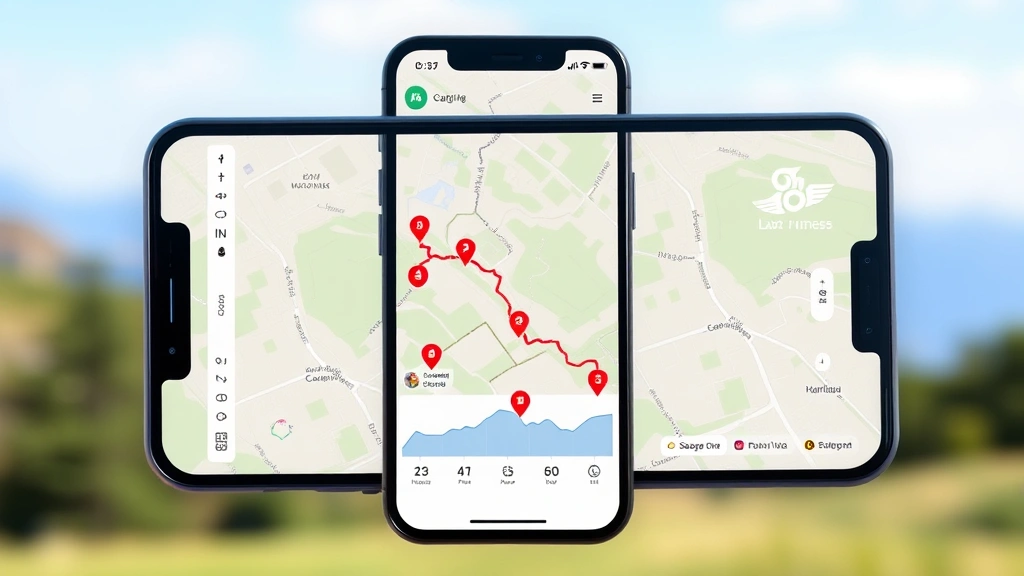
If you want to decrease your 5-mile walking time, consistent training produces measurable improvements. Start by establishing your current baseline—walk 5 miles at your natural pace and note the time. Repeat this monthly to track progress. Most people improve their walking speed by 0.25 to 0.5 mph over 12 weeks of consistent training.
Interval training dramatically improves walking speed. Alternate between 2-minute segments of brisk walking and 1-minute segments of moderate walking. This challenges your cardiovascular system and trains your body to sustain faster speeds. Perform interval walks once or twice weekly, with easier walks on other days. Gradually extend the brisk intervals and reduce recovery time as fitness improves.
Hill training builds leg strength and cardiovascular power. Find a hill requiring 2 to 5 minutes to climb and walk up at a strong pace, then walk down slowly for recovery. Repeat 4 to 8 times. Hill training once weekly dramatically improves speed on flat terrain. Long, slow walks on easy terrain build aerobic base fitness. Aim for one long walk weekly, gradually increasing distance to build endurance.
Strength training complements walking training by building muscular power in legs and core. Bodyweight exercises like squats, lunges, and calf raises improve walking efficiency. Walking technique improvements increase speed without increasing effort. Focus on maintaining upright posture, engaging your core, and using arm swing to propel yourself forward. Proper arm positioning with elbows bent at 90 degrees creates momentum.
Footwear upgrades can improve speed and comfort. Visit a specialty running store for gait analysis to identify any biomechanical issues. Proper shoes reduce energy waste and prevent injuries that interrupt training. Adequate recovery between walks prevents overuse injuries. Rest days allow muscle adaptation and prevent burnout. Nutrition and hydration support training adaptations. Staying hydrated and fueling properly before long walks maintains energy and pace.
Health Benefits of Regular 5-Mile Walks
Walking 5 miles regularly provides substantial health benefits beyond simple time investment. Cardiovascular health improves significantly through consistent walking. Regular aerobic activity reduces blood pressure, improves cholesterol profiles, and decreases heart disease risk. Walking strengthens your heart and improves circulation throughout your body. The cardiovascular benefits accumulate with consistency; people who walk regularly have lower resting heart rates and better overall cardiac function.
Weight management improves through regular walking. A 5-mile walk burns 200 to 500 calories depending on body weight, pace, and terrain. Combining walking with proper nutrition creates the calorie deficit necessary for weight loss. Many people find walking more sustainable than intense exercise for long-term weight management. If you’re pursuing significant weight loss, understanding how walking fits into your plan matters. Resources about losing 40 pounds can help you develop comprehensive strategies.
Mental health benefits from walking are well-documented. Walking reduces anxiety, depression, and stress through multiple mechanisms including endorphin release, outdoor time exposure, and meditative movement. Many people find walking clears mental fog and improves creativity. Regular walking improves sleep quality and consistency. Walking also strengthens bones, improves balance and coordination, and maintains joint flexibility—particularly important as we age.
Metabolic improvements occur through regular walking. Your body becomes more efficient at burning fat for fuel. Insulin sensitivity improves, reducing diabetes risk. Walking supports healthy inflammation levels throughout your body. Cognitive function improves with regular aerobic activity, supporting memory and reducing dementia risk. Social benefits emerge when walking with others, creating community connection and accountability that supports consistency.
Safety Considerations for Long-Distance Walking
Walking 5 miles requires attention to safety to prevent injury and ensure enjoyable experiences. Proper footwear is paramount—worn-out shoes increase injury risk significantly. Replace walking shoes every 300 to 500 miles. Shoes should fit properly with adequate arch support and cushioning appropriate to your gait. Ill-fitting shoes cause blisters, calluses, and potentially serious injuries.
Gradual progression prevents overuse injuries. If you’re new to walking, build distance slowly—increase weekly distance by no more than 10 percent. This allows your body to adapt to training stress. Common overuse injuries include plantar fasciitis, shin splints, and knee pain. Rest, ice, compression, and elevation treat acute injuries. Persistent pain requires medical evaluation.
Hydration is critical for 5-mile walks, particularly in warm weather. Drink water before, during, and after walking. Carry water or plan routes with water access. Dehydration reduces performance and increases injury risk. Fuel appropriately—eat a light snack before long walks to maintain energy. Post-walk nutrition with protein and carbohydrates supports recovery.
Environmental awareness prevents accidents. Stay aware of traffic, other pedestrians, and terrain hazards. Use sidewalks when available and face traffic on roads without sidewalks. Wear visible clothing, particularly during low-light conditions. Reflective gear, bright colors, and lights make you visible to vehicles. Avoid distractions like phones that reduce awareness. Walking with a partner increases safety, particularly on unfamiliar routes.
Weather preparedness prevents discomfort and illness. Dress appropriately for conditions with moisture-wicking layers. Extreme heat requires extra hydration and possibly reduced pace. Cold weather demands adequate insulation. Sun protection including sunscreen and hats prevents skin damage. Check weather forecasts before walks and adjust plans accordingly. Medical clearance is important for individuals with existing health conditions, particularly heart disease or joint problems.
FAQ
What is the average time to walk 5 miles?
Most people complete 5 miles in 80 to 100 minutes at a moderate pace of 3 to 3.5 mph. This varies significantly based on individual fitness, age, terrain, and other factors. Tracking your personal time provides better planning data than relying on averages.
Can you walk 5 miles every day?
Yes, many people walk 5 miles daily. However, beginners should build up gradually to prevent overuse injuries. Experienced walkers can sustain daily 5-mile walks, though incorporating occasional rest days supports recovery and prevents burnout. Listen to your body and adjust frequency based on energy levels and any pain signals.
How many calories does a 5-mile walk burn?
A 5-mile walk burns approximately 200 to 500 calories depending on body weight, pace, and terrain. Heavier individuals and those walking at faster speeds burn more calories. Uphill walking increases calorie burn significantly. Using online calculators with your specific data provides personalized estimates.
Is walking 5 miles good exercise?
Walking 5 miles provides excellent exercise for most people. It meets health recommendations for aerobic activity, improves cardiovascular health, supports weight management, and provides mental health benefits. The low-impact nature makes it sustainable for people of various ages and fitness levels. However, some highly trained athletes may need higher intensity for peak fitness.
How do I walk 5 miles faster?
Consistent training improves walking speed. Incorporate interval training with alternating fast and moderate paces. Add hill training once weekly. Focus on proper technique with upright posture and arm swing. Increase overall walking volume gradually. Strength training builds power. Allow adequate recovery between hard efforts. Expect gradual improvements of 0.25 to 0.5 mph over 12 weeks.
What pace should beginners walk?
Beginners should start at a leisurely pace of 2.5 to 3 mph, approximately 20 to 24 minutes per mile. This allows your body to adapt to walking demands without excessive stress. As fitness improves over weeks and months, gradually increase pace by 0.1 to 0.2 mph. Build distance before emphasizing speed.


