Walk Across the US: Expert Time Estimates
Walking across the United States is one of the most ambitious physical challenges a person can undertake. Whether you’re contemplating this journey for personal fulfillment, fundraising, or simply to experience the country on foot, understanding the realistic timeline is essential for proper planning. The answer to “how long would it take to walk across the US” depends on numerous variables including your starting and ending points, daily mileage capacity, terrain difficulty, weather conditions, and rest days.
The continental United States spans approximately 2,800 to 3,000 miles from coast to coast, depending on your exact route. Most transcontinental walkers complete this journey in 5 to 7 months of continuous walking, though some dedicated individuals have accomplished it in as little as 4 months. Understanding the breakdown of these estimates helps you set realistic expectations and prepare adequately for this extraordinary undertaking.
Distance Overview and Route Selection
The total distance for walking across the United States varies significantly based on your chosen route. The most direct path between New York City and Los Angeles is approximately 2,800 miles. However, many walkers choose scenic or historically significant routes that extend this distance to 3,000 miles or beyond. The American Hiking Society maintains comprehensive databases of established long-distance trails that can guide route selection.
Popular transcontinental routes include the Southern route through the Sun Belt, the Central route through the heartland, and the Northern route along the upper states. Each route presents distinct advantages and challenges. The Southern route typically offers milder winter conditions but longer daylight hours during summer months. The Central route balances terrain variety with moderate weather patterns. The Northern route provides cooler temperatures during summer but more severe winter conditions if attempted during cold months.
When planning your route, consider using established walking trails and roads documented by previous transcontinental walkers. Resources like the Adventure Cycling Association provide detailed mapping and community feedback, even though their primary focus is cycling. Their route planning expertise translates well to pedestrian travel.
Daily Pace and Mileage Calculations
Understanding your personal walking pace is fundamental to calculating transcontinental walk duration. Average walking speed for most adults ranges from 3 to 4 miles per hour on flat terrain. This baseline speed decreases significantly when navigating hills, mountains, or challenging terrain. Let me reference our guide on how long would it take to walk 5 miles for perspective on shorter distances, as the principles scale upward for longer journeys.
Most successful transcontinental walkers maintain a daily target of 15 to 25 miles per day. This range accounts for terrain variation, rest breaks, meal stops, and the need to maintain a sustainable pace over months. Walkers attempting the journey in 4-5 months typically average 18-20 miles daily. Those taking 6-7 months often maintain a more leisurely 12-18 miles daily pace, allowing for more exploration and reduced physical strain.
Your personal fitness level determines achievable daily mileage. Beginners should start with 10-15 miles daily and gradually increase to higher distances as their bodies adapt. Experienced long-distance hikers may comfortably maintain 20-25 miles daily from the start. It’s crucial to increase mileage gradually—jumping from 10 to 25 miles overnight significantly increases injury risk.
For additional context on walking distances, our article about how long would it take to walk 2 miles provides baseline calculations that demonstrate how time accumulates across longer distances.
Comprehensive Time Estimates
Breaking down the timeline by average daily mileage provides concrete estimates:
- At 15 miles per day: 2,800 miles ÷ 15 = 186 days, or approximately 6 months of walking without rest days. With one rest day weekly, add 26 days, bringing the total to roughly 7 months.
- At 18 miles per day: 2,800 miles ÷ 18 = 155 days, approximately 5 months of pure walking. With weekly rest days, expect 6-6.5 months total.
- At 20 miles per day: 2,800 miles ÷ 20 = 140 days, or 4.5 months of walking. Adding weekly rest days extends this to approximately 5.5 months.
- At 25 miles per day: 2,800 miles ÷ 25 = 112 days, or 3.5 months of continuous walking. This aggressive pace rarely occurs in practice due to rest days and unexpected delays.
These calculations assume consistent daily walking without significant interruptions. Most transcontinental walkers experience unexpected delays from injuries, illness, severe weather, or necessary town stops for supplies and rest. A realistic estimate adds 10-15% buffer time to theoretical calculations.
Terrain and Geographic Challenges
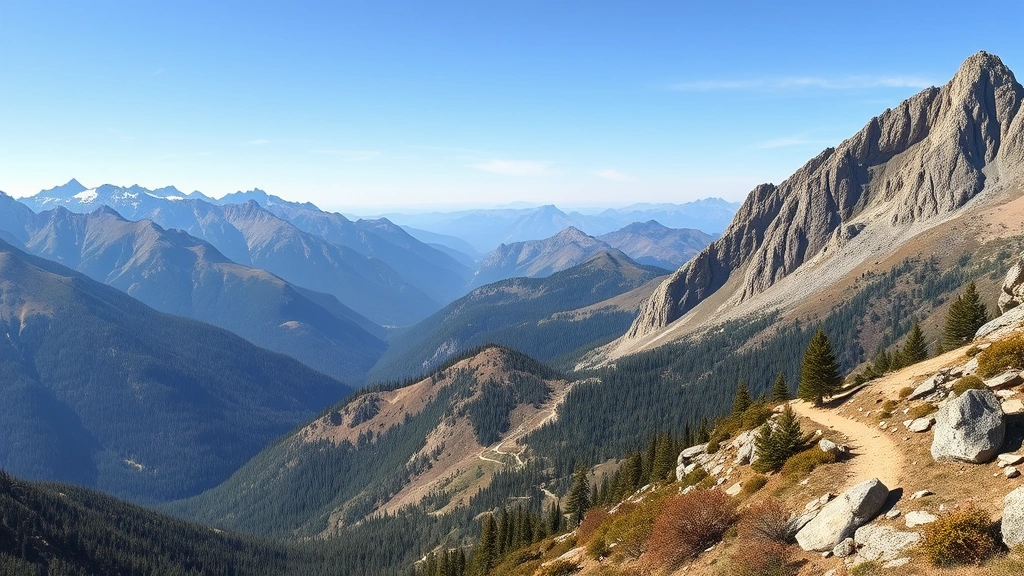
Terrain dramatically impacts walking speed and daily mileage capacity. Flat terrain in the Midwest and Great Plains allows walkers to maintain steady paces and achieve higher daily mileage. The Rocky Mountains, Appalachian Mountains, and Sierra Nevada ranges significantly reduce daily distance capabilities. Elevation gain of 1,000-2,000 feet daily can reduce mileage by 30-50% compared to flat terrain.
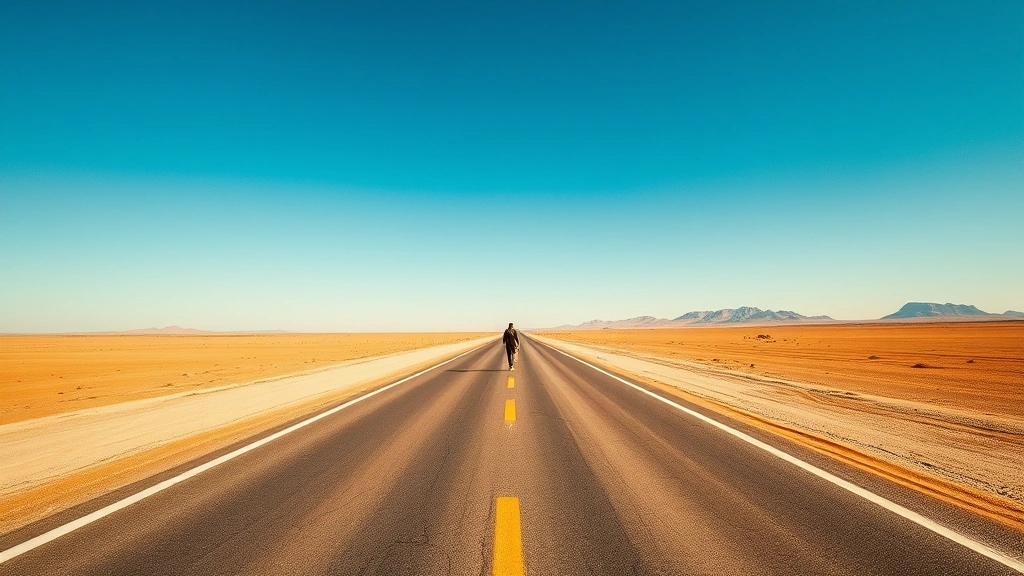
Desert regions present unique challenges. The Mojave and Sonoran deserts require careful water management and early morning or late evening walking to avoid extreme heat. Sand and loose soil increase walking effort compared to established roads. Conversely, these regions often feature long stretches of uninterrupted travel with minimal obstacles.
Urban areas, while not physically challenging, slow progress considerably. Navigating city streets, dealing with traffic, and finding safe walking routes through metropolitan regions reduces daily mileage. However, cities provide essential services including medical care, food resupply, and safe accommodations—making them valuable rest points.
State and regional variations affect pace significantly. Walking through densely populated areas of the Northeast requires more route planning and presents more obstacles than rural sections of the Great Plains. Desert heat in summer months, winter snow in northern regions, and humidity in southeastern states all impact walking sustainability.
Weather and Seasonal Considerations
Starting your transcontinental walk at the optimal time significantly affects completion time and safety. Spring starts (March-April) allow walkers to reach mountain regions before severe weather while avoiding extreme desert heat. Fall starts (September-October) provide comfortable temperatures but risk encountering winter conditions in northern regions before crossing the country.
Summer heat in desert and southern regions can reduce daily mileage by 20-40% due to heat exhaustion risk and the need for frequent breaks in shade. Temperatures exceeding 95°F make sustained walking dangerous without careful hydration and sun protection. Early morning starts and afternoon rest periods become necessary, reducing productive walking hours.
Winter conditions in northern regions make transcontinental walking extremely challenging. Snow, ice, and extreme cold increase injury risk and reduce safe walking hours. Many walkers avoid winter attempts for this reason. Those starting in spring or summer can complete the journey before encountering winter conditions in their destination region.
Spring and fall typically offer ideal conditions with moderate temperatures and manageable precipitation. These seasons allow walkers to maintain steady paces without extreme weather interruptions. However, spring weather can be unpredictable, and fall approaches winter conditions as the season progresses.

Physical Preparation and Training
Proper physical preparation directly impacts your ability to maintain daily mileage targets. Walkers who begin their transcontinental journey without adequate conditioning face higher injury rates and slower completion times. A minimum 8-12 week training period before starting is recommended for most people.
Training should include graduated long-distance walks, strength training for leg and core muscles, and flexibility work. Start with weekend walks of 5-10 miles, gradually increasing to 15-20 mile walks. Your body needs time to adapt to the repetitive stress of long-distance walking. Feet, knees, hips, and ankles all require conditioning to handle months of daily impact.
Proper footwear is non-negotiable. Invest in quality walking shoes or hiking boots designed for long-distance travel. Many successful transcontinental walkers carry multiple pairs and rotate them to extend lifespan and allow shoes to dry completely. Blister prevention through proper socks, foot care, and shoe selection prevents many journey-ending injuries.
Cross-training activities like swimming, cycling, and strength training reduce injury risk by developing multiple muscle groups. This balanced approach prevents overuse injuries that occur when only walking provides all physical conditioning.
Rest Days and Recovery Time
Incorporating rest days into your schedule is essential for long-term sustainability. Most successful walkers take at least one full rest day weekly, though some take two. Rest days allow muscle recovery, blister healing, laundry washing, and mental refreshment. Skipping rest days increases injury risk and leads to burnout before reaching your destination.
Town stops serve dual purposes: they provide rest opportunities while allowing supply resupply and hot meals. Many walkers plan routes to reach towns every 3-4 days, breaking the journey into manageable segments. This approach maintains forward progress while ensuring access to essential services.
Sleep quality significantly impacts recovery and performance. Adequate sleep—typically 7-9 hours nightly—is essential for maintaining daily mileage targets and preventing injury. Poor sleep compounds physical fatigue and increases the risk of making unsafe decisions while walking.
Nutrition and hydration directly affect your ability to maintain consistent pace. Consuming sufficient calories to fuel 15-25 mile daily walks requires significant food intake. Most walkers consume 4,000-6,000 calories daily during their transcontinental journey. Planning meals and snacks around your walking schedule prevents energy crashes that reduce pace.
Frequently Asked Questions
What’s the fastest time someone has walked across the US?
The fastest documented transcontinental walk was completed in approximately 106-110 days by experienced ultra-distance walkers. However, these record-setting attempts involve aggressive daily mileage (25+ miles daily), minimal rest days, and optimal route selection. Most people should not attempt this pace, as it significantly increases injury risk.
Can I walk across the US in 3 months?
Completing a 2,800-mile transcontinental walk in 3 months requires averaging 31+ miles daily without rest days—an unsustainable and dangerous pace for most people. While possible for elite ultramarathon walkers with specific training, it’s not realistic for typical walkers. A 4-5 month timeline at 18-20 miles daily is more achievable and safer.
What’s the best time of year to start a transcontinental walk?
Spring (March-May) and early fall (September-October) offer the most favorable conditions. Spring allows you to reach mountain regions before summer heat and winter snow. Early fall provides comfortable temperatures throughout most of the journey. Avoid starting in late fall or winter, as you risk encountering severe winter conditions before crossing the country.
How much does a transcontinental walk cost?
Budget varies widely based on your style and route. Budget walkers spending 5-6 months typically spend $3,000-$6,000 total, averaging $15-$30 daily for food, lodging, and incidentals. This assumes camping, hostels, or free accommodations rather than hotels. Food costs increase if you eat primarily restaurant meals rather than self-catering.
Do I need hiking experience to walk across the US?
While hiking experience helps, it’s not strictly necessary. What matters is physical fitness, mental determination, and proper preparation. Many successful transcontinental walkers had no prior long-distance hiking experience but trained diligently before starting. A 12-week training program can prepare most healthy adults for this challenge.
What are the biggest obstacles to completing a transcontinental walk?
Injury, illness, and mental fatigue pose the greatest challenges. Blisters, knee pain, and ankle issues sideline many walkers. Illness or injury-related rest extends timelines significantly. Mental challenges—boredom, loneliness, and motivation loss—cause more walkers to quit than physical limitations. Proper training, nutrition, and mental preparation address these obstacles.
Can I walk across the US while working?
Traditional employment is incompatible with full-time transcontinental walking. However, some walkers maintain remote work during their journey, reducing daily mileage to 10-12 miles and extending timelines to 8-10 months. This requires reliable internet access and employer flexibility—often difficult to maintain while traveling.


