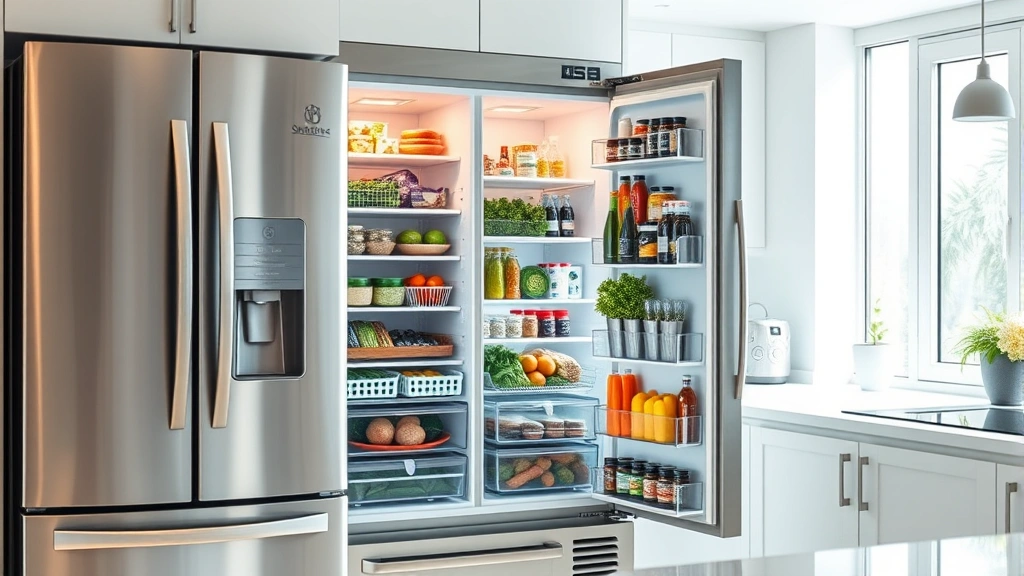
Refrigerator Wattage Guide: Expert Insights
Understanding how many watts to run a refrigerator is essential for homeowners, renters, and anyone planning to power appliances during outages, camping trips, or off-grid living situations. Modern refrigerators consume varying amounts of electrical power depending on their size, age, efficiency rating, and operational cycles. Most standard household refrigerators require between 600 and 800 watts while actively running, though the actual energy consumption patterns are more nuanced than a simple wattage number suggests.
Whether you’re installing a backup power system, calculating electricity costs, or sizing a generator for your home, knowing the precise wattage requirements of your refrigerator prevents costly mistakes and ensures safe operation. This comprehensive guide explores the technical specifications, power consumption variables, and practical applications that will help you make informed decisions about your refrigerator’s electrical needs.
Understanding Refrigerator Wattage Basics
Refrigerators operate using electric compressors that cycle on and off to maintain internal temperatures. The wattage your refrigerator consumes depends on whether the compressor is actively running or in standby mode. When the compressor cycles on, it draws significantly more power than when it’s idle. Understanding this distinction is crucial for accurate power planning.
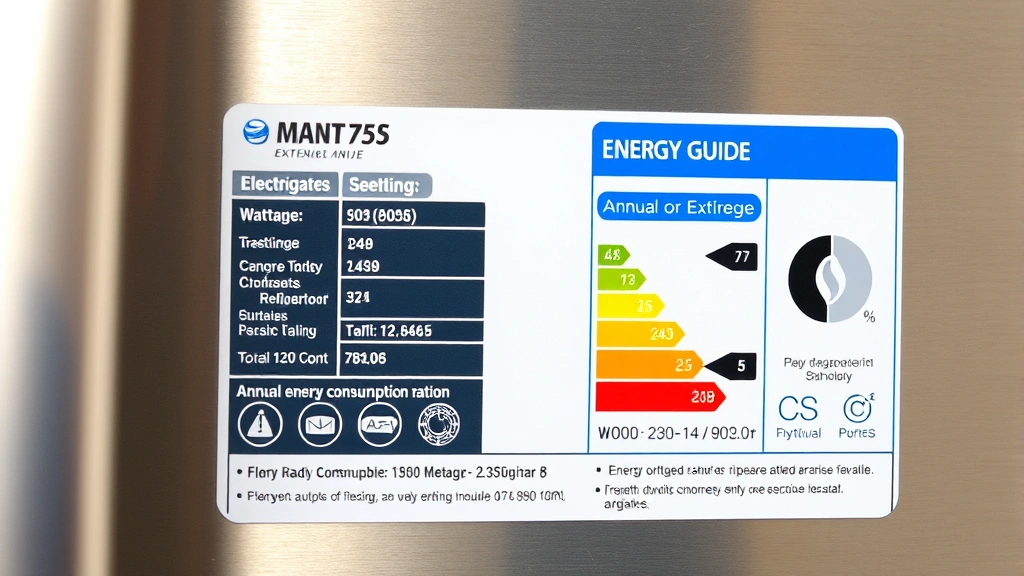
The nameplate or energy guide label on your refrigerator provides valuable information about power consumption. Most modern refrigerators are rated between 150 and 800 watts depending on their capacity and design. However, these ratings typically reflect average running consumption rather than peak demand. The compressor uses the most electricity during its operational phase, which typically lasts 8 to 10 minutes per cycle, with the refrigerator running roughly 30 to 40 percent of the day.
Older refrigerator models, particularly those manufactured before 2000, often consume significantly more electricity than contemporary units. A vintage 1980s refrigerator might draw 2,000 watts or more during compressor operation, making them substantially less efficient than today’s standards. If you own an older unit, consider that it likely uses three to four times more energy than a modern Energy Star-certified model.
Running Watts vs. Starting Watts Explained
One of the most misunderstood concepts in refrigerator power consumption involves the difference between running watts and starting (inrush) watts. Running watts represent the continuous electrical power required to keep the compressor operating once it’s already activated. This is the steady-state consumption you’ll see during normal operation, typically ranging from 600 to 800 watts for standard refrigerators.
Starting watts, also called inrush watts or surge watts, are the significantly higher power requirements needed at the moment the compressor motor engages. Electric motors require a temporary power surge to overcome initial resistance and begin rotation. For refrigerators, this starting surge can reach 1,200 to 2,200 watts for just a few seconds. This distinction becomes critical when selecting backup power systems or generators, as undersized equipment cannot handle these initial surges and may fail or shut down.
Understanding this difference prevents a common mistake where people calculate generator size based only on running watts and then experience equipment failure when the refrigerator compressor starts. Your power system must accommodate both the sustained running demand and the brief but intense starting surge. This is why generator manufacturers specify both continuous and peak wattage ratings on their equipment.
Factors Affecting Power Consumption
Multiple variables influence how many watts your refrigerator actually consumes during operation. Understanding these factors helps you predict energy usage patterns and identify opportunities for efficiency improvements.
Refrigerator Size and Type: Larger refrigerators with greater storage capacity inherently require more power to maintain consistent temperatures throughout the compartment. A compact single-door refrigerator might use only 300 to 400 watts, while a full-size French-door model with ice makers and water dispensers could demand 1,000 watts or more during peak operation. Side-by-side refrigerators typically consume more energy than top-freezer models due to their greater surface area and additional features.
Age and Condition: Refrigerator efficiency deteriorates over time. Aging compressors work harder to maintain temperatures, door seals degrade allowing warm air infiltration, and coils accumulate dust and debris. A 15-year-old refrigerator might consume 30 percent more electricity than when new. Regular maintenance, including coil cleaning and seal inspection, can recover some lost efficiency.
Temperature Settings: Aggressive temperature settings force the compressor to run more frequently. Setting your freezer to 0°F instead of 5°F or your refrigerator to 35°F instead of 38°F increases cycling frequency and power consumption. Each degree of temperature reduction increases energy usage by approximately 2 to 3 percent.
Ambient Temperature: Refrigerators work harder in warm environments. A unit in a 75°F kitchen requires more compressor cycles than one in a 65°F space. This is particularly important for garage or basement refrigerators, where summer heat significantly increases energy demand. Basements typically provide the most stable, cool temperatures for efficient operation.
Door Opening Frequency: Every time you open the refrigerator door, warm air enters and the compressor must work harder to restore the target temperature. Frequent door openings, particularly during hot weather, noticeably increase power consumption. Keeping door openings brief and infrequent reduces cycling demands.
Contents and Air Circulation: A fully stocked refrigerator actually operates more efficiently than an empty one, as stored items help maintain temperature stability. However, overstuffing prevents proper air circulation and forces longer compressor cycles. Optimal loading balances these factors while allowing air to circulate freely around items.
Calculating Your Refrigerator’s Energy Usage
Determining your refrigerator’s actual energy consumption requires understanding kilowatt-hours (kWh), the standard measurement for household electricity billing. The relationship between watts and kilowatt-hours is straightforward: 1,000 watts operating for one hour equals one kilowatt-hour.
To calculate daily energy consumption, multiply your refrigerator’s running wattage by the percentage of time the compressor operates, then divide by 1,000 to convert to kilowatt-hours. For example, a 700-watt refrigerator operating 35 percent of the day uses: (700 × 24 hours × 0.35) ÷ 1,000 = 5.88 kWh per day.
Most refrigerators include an energy guide label that displays estimated annual kilowatt-hour consumption. This label, required by the Federal Trade Commission, provides a realistic assessment based on standard testing conditions. You can use this annual figure to calculate average daily consumption by dividing by 365 days.
To measure your actual refrigerator consumption, use an inexpensive plug-in power meter (kill-a-watt meter) available at hardware stores for $15 to $30. Plug your refrigerator into the meter and record readings over several days to account for varying cycling patterns. This real-world measurement accounts for your specific usage patterns, ambient temperature, and the appliance’s actual condition.
Multiply your daily kilowatt-hour consumption by your local electricity rate (typically $0.12 to $0.18 per kWh in the United States) to determine monthly and annual costs. A refrigerator consuming 5.88 kWh daily costs approximately $21 to $32 monthly, or $252 to $384 annually, depending on your location’s electricity rates.
Generator Sizing for Refrigerators
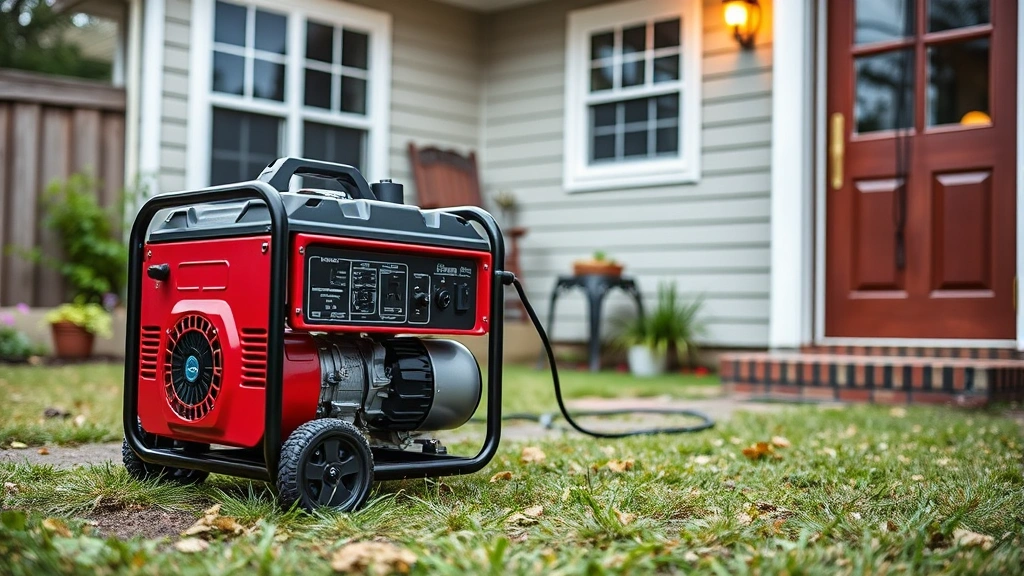
Selecting an appropriately sized generator for powering your refrigerator during outages requires accounting for both running and starting wattage. A common mistake involves choosing a generator with just enough capacity for running watts, resulting in shutdown when the compressor starts and demands the higher inrush surge.
For safe operation, your generator should have a continuous rating at least 25 percent higher than your refrigerator’s running watts and a peak capacity exceeding the starting wattage. If your refrigerator requires 700 running watts and 1,800 starting watts, select a generator rated for at least 875 continuous watts and 2,500 peak watts.
Portable generators rated 3,000 to 5,000 watts handle most household refrigerators reliably, leaving capacity for other essential appliances. Inverter generators, which produce clean stable power, are superior to conventional generators for sensitive electronics and are worth the additional investment. EPA-rated efficient generators provide better fuel economy and reduced noise levels.
When using a generator, operate your refrigerator on a dedicated circuit separate from other high-demand appliances. Never run the generator indoors or in enclosed spaces due to carbon monoxide hazard. Position the unit at least 20 feet away from windows, doors, and vents to prevent toxic gas accumulation. Connect the refrigerator using a properly grounded extension cord rated for outdoor use if necessary.
Battery backup systems and uninterruptible power supplies (UPS) offer alternative solutions for brief outages. A 48-volt lithium battery system can power a refrigerator for 4 to 8 hours depending on capacity. These systems require professional installation and significant upfront investment but provide silent, emission-free operation.
Energy Efficiency and Cost Implications
Modern refrigerators certified by Energy Star use approximately 25 to 40 percent less electricity than non-certified models. Upgrading from an older inefficient refrigerator to a current Energy Star model can reduce your annual electricity costs by $100 to $200 while improving food preservation and reliability.
Several design features contribute to improved efficiency in contemporary refrigerators. Advanced insulation materials reduce heat transfer through walls. High-efficiency compressors operate more smoothly with less waste heat. Better door seals minimize air leakage. Variable-speed compressors adjust operation based on actual cooling demands rather than cycling on and off. Inverter-driven compressors modulate output continuously, matching the precise cooling requirement at any moment.
The initial cost of an efficient refrigerator is recovered through lower utility bills within 5 to 7 years for most households. Over a 15-year appliance lifespan, an efficient refrigerator saves $1,500 to $3,000 in electricity costs compared to an older inefficient model. This makes energy efficiency a financially sound investment beyond the environmental benefits.
Maintaining your existing refrigerator properly extends its lifespan and preserves efficiency. Clean condenser coils quarterly by vacuuming dust accumulation. Inspect and replace door seals if they no longer create a tight seal when the door closes. Ensure proper ventilation around the unit by maintaining at least 2 inches of clearance on sides and back. Defrost manual-defrost freezer compartments regularly to prevent ice buildup that reduces efficiency.
Backup Power Solutions
Beyond portable generators, several backup power options exist for maintaining refrigerator operation during outages. Understanding the advantages and limitations of each helps you select the most appropriate solution for your situation.
Standby Generators: Permanently installed whole-house generators automatically activate within seconds of power loss. These natural gas or propane units provide unlimited runtime as long as fuel is available, making them ideal for extended outages. Installation costs range from $3,000 to $6,000 plus monthly maintenance, but they require no manual intervention and can power your entire home. Professional installation by a licensed electrician is essential to ensure proper electrical code compliance.
Portable Solar Generators: Battery systems charged by solar panels offer renewable, silent backup power. A 3,000 to 5,000-watt-hour lithium battery system costs $2,000 to $4,000 and can power a refrigerator for 12 to 24 hours depending on usage patterns. Expandability and low maintenance make solar systems attractive for long-term reliability, though initial investment is significant.
Transfer Switches: Installing a transfer switch allows you to safely connect a portable generator to your home’s electrical panel, powering selected circuits without running extension cords throughout your house. This requires professional installation but provides safer, more organized power distribution. A basic transfer switch installation costs $500 to $1,000.
Battery Backup Systems: Compact battery UPS units designed for refrigerators bridge short power gaps, providing 2 to 4 hours of operation on battery power. These systems maintain temperature stability during brief outages, allowing you to preserve food until utility power restores or you can connect a generator. Costs range from $1,000 to $2,000 for residential units.
For most homeowners, a combination approach offers optimal protection: a portable generator for extended outages, a transfer switch for safe connection, and regular maintenance to ensure your refrigerator operates efficiently. This layered approach addresses various outage scenarios while managing overall costs.
FAQ
How many watts does a typical refrigerator use?
Most standard household refrigerators use between 600 and 800 running watts during compressor operation. However, starting watts can reach 1,200 to 2,200 watts for a few seconds when the compressor engages. Actual consumption varies based on refrigerator size, age, efficiency rating, and usage patterns.
Can a 2000-watt generator run a refrigerator?
A 2,000-watt generator can power a refrigerator’s running requirements but may struggle with starting surges if the refrigerator demands more than 1,500 starting watts. For reliable operation without risk of shutdown, use a generator rated at least 3,000 to 4,000 watts continuous capacity with peak ratings exceeding your refrigerator’s starting wattage specification.
Why does my refrigerator’s power consumption seem high?
Several factors increase power consumption: old age, poor door seals allowing warm air infiltration, dirty condenser coils restricting heat dissipation, excessive door openings, warm ambient temperature, or aggressive temperature settings. Perform maintenance checks including coil cleaning and seal inspection. If your refrigerator is over 15 years old, replacement with an efficient model may be more economical than continued high electricity costs.
How can I reduce my refrigerator’s energy consumption?
Maintain proper temperature settings (37-38°F for the refrigerator, 0°F for the freezer), keep condenser coils clean, ensure door seals are intact, avoid frequent door openings, load the refrigerator appropriately for air circulation, maintain 2+ inches clearance around the unit, and defrost manual-defrost compartments regularly. These maintenance practices preserve efficiency and reduce energy costs by 10 to 20 percent.
What’s the difference between running watts and starting watts?
Running watts represent continuous power required during normal compressor operation, typically 600-800 watts. Starting watts are the temporary surge needed when the compressor motor engages, reaching 1,200-2,200 watts for a few seconds. Backup power systems must accommodate both values to prevent equipment failure during compressor startup.
How much does it cost to run a refrigerator annually?
Average annual costs range from $150 to $400 depending on the refrigerator’s efficiency, your local electricity rates, and usage patterns. A 5.88 kWh daily consumption at $0.15 per kWh costs approximately $322 annually. Energy Star certified models cost 25-40 percent less to operate than older non-certified units.
Is it safe to run a refrigerator on a portable generator?
Yes, with proper precautions. Use a generator rated for your refrigerator’s running and starting watts. Operate the generator outdoors at least 20 feet from windows and doors to prevent carbon monoxide infiltration. Use a properly grounded extension cord rated for outdoor use. Never run generators indoors or in enclosed spaces. Consider installing a transfer switch for safer, more organized power distribution.


