DIY Home Bar: Measure Vodka Shots Like a Pro
Building your own home bar is one of the most rewarding DIY projects you can undertake. Whether you’re transforming a basement corner or creating a sophisticated entertaining space, mastering the fundamentals of drink preparation—starting with proper shot measurement—is essential. Understanding how to accurately measure vodka shots not only ensures consistency in your cocktails but also helps you serve responsibly and understand the effects of alcohol consumption.
When you’re setting up a DIY home bar, precision matters. Unlike casual pouring at a nightclub, a properly equipped home bar relies on standardized measurements to create repeatable, balanced drinks. This guide will walk you through everything you need to know about measuring vodka shots accurately, the science behind alcohol absorption, and how to set up your bar space professionally. We’ll also address the common question: how many shots of vodka actually get you tipsy, considering the many variables involved.
Understanding Standard Shot Measurements
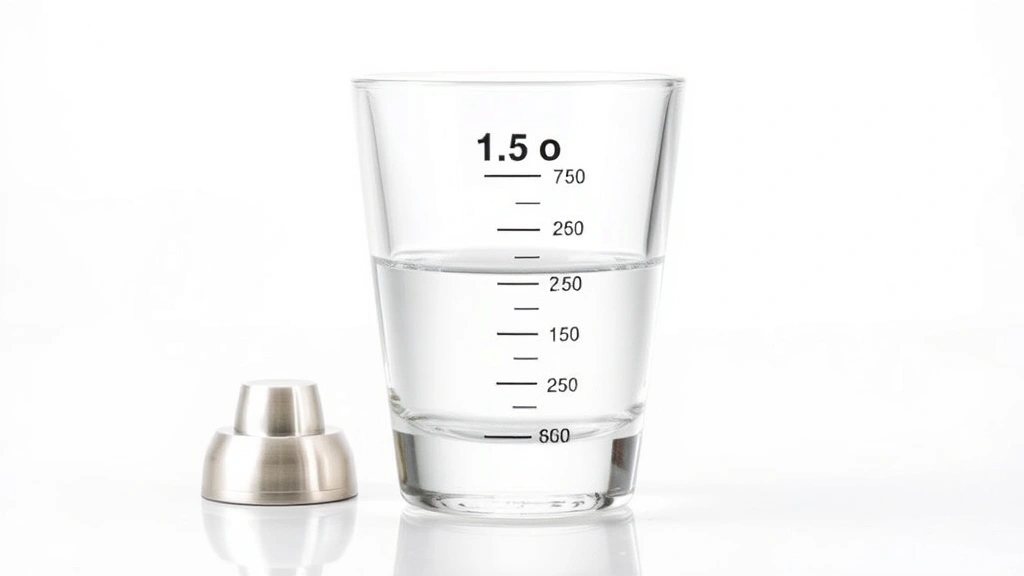
The standard shot glass in North America holds 1.5 ounces (44 milliliters) of liquid. This measurement has become the industry standard for bars worldwide, though variations exist. Some establishments use 1-ounce shots, while premium bars might serve 2-ounce pours. Understanding these variations is crucial when you’re finishing your basement bar area or setting up a home entertaining space.
The 1.5-ounce standard exists for practical and safety reasons. It provides enough volume for flavor complexity while maintaining responsible consumption guidelines. When measuring vodka shots at home, consistency is paramount. If you’re making cocktails for guests, using the same measurement every time ensures that your drinks taste the same and that guests understand what they’re consuming.
Beyond the standard shot, bartenders use other measurements: a pony (1 ounce), a jigger (1.5 ounces), and a double (2 ounces or more). Professional bartenders often use jiggers with multiple measurements marked on the sides, allowing them to pour precisely without guessing. For your home bar setup, investing in quality measuring tools prevents over-pouring and maintains consistency across all your drinks.
Essential Tools for Measuring Vodka Shots
Accurate measurement starts with the right equipment. The most important tool for any home bartender is a jigger—a double-sided measuring cup with different capacities on each end. A standard jigger features 1.5 ounces on one side and 0.75 ounces on the other, though many modern versions include multiple measurements.
Beyond jiggers, you’ll want to consider these essential tools for your home bar setup:
- Digital kitchen scale—Precise to 0.1 grams, useful for measuring exact volumes when portability matters
- Measuring spoons—For smaller quantities in cocktail recipes
- Graduated measuring cups—Helpful when preparing larger batches or infusions
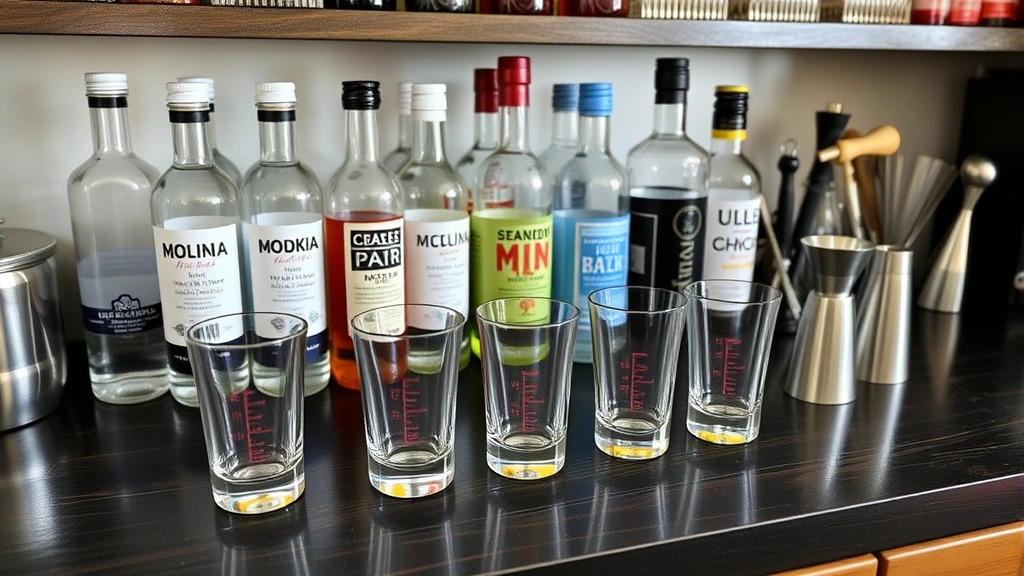
- Shot glasses with measurement markings—Display-worthy and functional for serving
- Bar spoon—Essential for stirring and measuring small quantities
- Cocktail shaker—Ensures proper mixing and can help distribute liquid evenly
Quality matters significantly. Cheap jiggers often have inconsistent measurements or wear quickly, leading to inaccurate pours. Invest in stainless steel jiggers from reputable bar supply manufacturers. They’ll last decades and maintain accuracy throughout their lifespan. When setting up your home bar, these tools become the foundation of professional-quality drinks.
The Science of Alcohol Absorption and Tipsiness
Understanding how your body processes alcohol is fundamental to answering the question: how many shots of vodka get you tipsy? The answer isn’t simple because numerous biological and environmental factors come into play.
Blood Alcohol Content (BAC) is the measure of alcohol in your bloodstream, expressed as a percentage. For example, a BAC of 0.08% means 0.08 grams of alcohol per 100 milliliters of blood. This measurement is crucial because it directly correlates with impairment levels. Most people begin feeling noticeable effects at a BAC of 0.03-0.05%, though individual responses vary significantly.
A standard 1.5-ounce shot of 80-proof vodka contains approximately 0.6 ounces of pure alcohol. When consumed, this alcohol enters your bloodstream through the stomach and small intestine. The rate of absorption depends on stomach contents, metabolism, and other factors we’ll discuss shortly. Generally, your liver can process about one standard drink per hour, meaning additional shots accumulate in your system.
The term “tipsy” typically refers to a BAC of 0.03-0.12%, where you might experience mild euphoria, slight impairment of judgment, and reduced inhibitions. This range varies dramatically between individuals. What makes one person tipsy might have minimal effect on another person of different size, gender, or tolerance level.
Factors That Influence How Quickly You Get Tipsy
Several interconnected factors determine how many vodka shots it takes for someone to become tipsy. Understanding these variables helps you serve responsibly and understand your own limits.
Body Weight and Composition: Heavier individuals have more blood volume and body water, which dilutes alcohol more effectively. A 250-pound person and a 130-pound person will experience very different effects from the same number of shots. Additionally, body composition matters—muscle tissue contains more water than fat tissue, so two people of the same weight might process alcohol differently based on their fitness level.
Gender: Women typically become intoxicated faster than men consuming equal amounts of alcohol. This occurs because women generally have less body water and lower levels of alcohol dehydrogenase, an enzyme that breaks down alcohol. Additionally, hormonal fluctuations can affect alcohol metabolism rates.
Food Consumption: Eating before or while drinking significantly slows alcohol absorption. Food in your stomach acts as a barrier, preventing rapid alcohol entry into the bloodstream. Consuming vodka shots on an empty stomach can result in noticeable effects from just one or two shots, while the same amount consumed after a meal might barely register.
Tolerance Level: Regular drinkers develop tolerance, meaning they need more alcohol to achieve the same effects. This occurs because their bodies adapt to regular alcohol exposure, increasing enzyme production and reducing sensitivity to alcohol’s effects. Conversely, occasional drinkers might feel tipsy from fewer shots.
Hydration Status: Dehydration concentrates alcohol in your bloodstream, intensifying its effects. Drinking water alongside alcoholic beverages slows intoxication and reduces hangover severity. This is why bartenders emphasize alternating alcoholic drinks with water.
Speed of Consumption: Drinking multiple shots rapidly overwhelms your liver’s processing capacity, causing rapid BAC elevation. Spacing drinks over time allows your liver to metabolize alcohol gradually, resulting in slower intoxication. The classic “pace yourself” advice has scientific backing.
Medication and Health Conditions: Certain medications interact dangerously with alcohol, while conditions like diabetes or liver disease can dramatically affect alcohol metabolism. Always consult healthcare providers about alcohol safety if you take medications or have health concerns.
Carbonation: Mixing vodka with carbonated beverages increases absorption rate. The bubbles irritate your stomach lining, promoting faster alcohol entry into the bloodstream. This is why vodka-soda drinks hit faster than straight vodka or vodka mixed with non-carbonated beverages.
Setting Up Your DIY Home Bar Properly
Creating a functional home bar requires more than just bottles and glasses. Proper setup ensures you can measure and serve drinks accurately while maintaining an organized, professional appearance. If you’re painting your bar area, consider colors that complement your décor and create the right ambiance.
Start by selecting an appropriate location. Many people choose a corner of their finished basement or a dedicated kitchen space. Ensure adequate counter space for mixing drinks, storage for bottles and glasses, and proper lighting to see what you’re measuring accurately.
Organization is crucial. Arrange bottles by type—vodka, rum, gin, whiskey—making them easy to locate during drink preparation. Use shelf risers to maximize vertical space while keeping bottles visible. Store glasses in easily accessible locations, ideally near your mixing station. Keep your measuring tools in a dedicated drawer or container so they’re always at hand.
Invest in proper glassware beyond just shot glasses. You’ll want highball glasses, rocks glasses, martini glasses, and mixing glasses. Quality glassware enhances the drinking experience and shows respect to your guests. Store glasses in a way that protects them from dust while keeping them accessible.
Temperature control matters significantly. Keep vodka in the freezer—cold spirits are smoother and more enjoyable. Maintain your bar area at a comfortable room temperature, though slightly cool is preferable. Some home bartenders install wine coolers or beverage refrigerators to maintain optimal serving temperatures.
Cleanliness is non-negotiable. Wash all glasses immediately after use, keep your counter clean, and regularly wipe down bottles. A clean bar reflects professionalism and ensures that flavors aren’t contaminated by residue from previous drinks.
Measuring Techniques for Consistent Pours
Even with the right tools, technique matters enormously. Professional bartenders use specific methods to ensure consistency every single time.
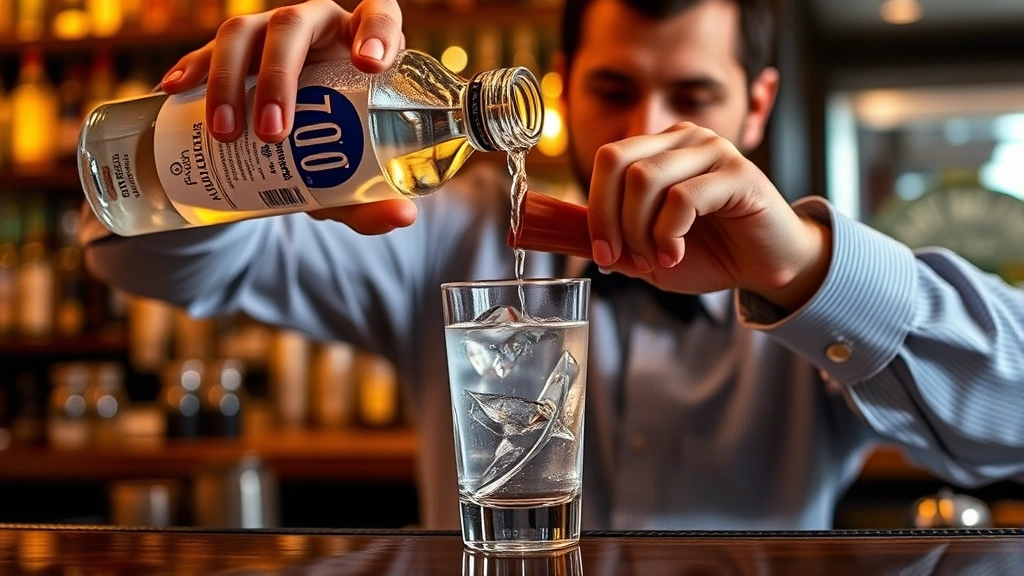
The Jigger Method: This is the gold standard. Fill your jigger completely to the brim with vodka, ensuring the surface forms a slight dome at the top. Tap the jigger gently against the bottle to release any air bubbles, then pour into your glass or mixing vessel. Use the opposite end of the jigger for smaller measurements. This method provides the most accuracy.
The Free-Pour Method: Experienced bartenders sometimes pour directly from the bottle without measuring tools, counting seconds or using muscle memory. This requires extensive practice and isn’t recommended for home bartenders. Stick with jiggers until you’re extremely experienced.
The Scale Method: For absolute precision, use a digital kitchen scale. Vodka weighs approximately 0.79 grams per milliliter. To measure 1.5 ounces (44 milliliters), you’d need approximately 35 grams of vodka. This method works excellently for batch preparation or when you need exact measurements.
Always pour at eye level to ensure accurate measurements. Pouring from above or below your line of sight introduces parallax error, making measurements inaccurate. Take your time—rushing leads to mistakes. If you overfill a jigger, empty it completely and start again rather than trying to estimate the correct level.
For cocktails requiring multiple ingredients, measure each component separately using your jigger. This prevents errors that compound when combining unmeasured pours. Many professional bartenders measure vodka, then measure mixers separately, combining them in the shaker.
Responsible Serving Guidelines
Understanding how many shots get someone tipsy carries an implicit responsibility to serve alcohol safely. Responsible serving protects your guests and keeps you legally protected.
Know Your Guests: Understand the size, tolerance, and food consumption of people you’re serving. Never pressure anyone to drink more than they’re comfortable with. Pay attention to how alcohol affects each person and adjust accordingly.
Establish Limits: Most health organizations recommend no more than one drink per day for women and two per day for men as safe consumption levels. A “standard drink” equals one 1.5-ounce shot of 80-proof spirits. Encourage guests to pace themselves and alternate alcoholic drinks with water or non-alcoholic beverages.
Provide Food and Water: Always have snacks and water available. Food slows alcohol absorption significantly, while water helps maintain hydration and reduces intoxication effects. Offer these proactively rather than waiting for guests to request them.
Monitor Behavior: Watch for signs of excessive intoxication including slurred speech, impaired coordination, poor judgment, or aggression. If someone appears too intoxicated, stop serving them alcohol immediately and offer water and food instead.
Arrange Safe Transportation: Never allow guests to drive if they’ve consumed alcohol. Offer to call a taxi, use a rideshare service, or provide a place to stay. This single step can save lives.
Know the Law: Understand your local laws regarding serving alcohol in your home. While most jurisdictions allow serving alcohol to guests, some have restrictions. Familiarize yourself with these before hosting.
Consider Your Guests’ Health: Some people shouldn’t drink at all due to medications, health conditions, or personal reasons. Never assume someone wants alcohol—always ask. Have quality non-alcoholic options available.
FAQ
How many shots of vodka does it typically take to get tipsy?
For an average adult (around 150-180 pounds) who has eaten, consuming 2-3 shots of vodka over 1-2 hours typically produces noticeable tipsiness. However, this varies dramatically based on body weight, gender, tolerance, food consumption, and other factors. Some people might feel tipsy after one shot, while others might need more. Never assume a specific number applies to you or anyone else.
Is vodka stronger than other spirits?
No, standard vodka is typically 80 proof (40% alcohol by volume), the same as most whiskey, gin, and rum. The perceived difference comes from vodka’s neutral flavor profile, which makes alcohol taste less noticeable. This can lead to faster consumption and higher intoxication than with more flavorful spirits that people sip more slowly.
Does vodka type or quality affect how quickly you get tipsy?
The alcohol content is what matters for intoxication, not the price or quality. A $15 bottle and a $50 bottle of vodka both contain approximately 40% alcohol. Quality differences affect taste, smoothness, and hangover severity—premium vodka typically causes milder hangovers—but intoxication speed depends on alcohol content and the factors we discussed earlier.
What’s the difference between tipsy and drunk?
“Tipsy” generally refers to a BAC of 0.03-0.12%, where judgment is slightly impaired but you can still function relatively normally. “Drunk” typically means a BAC of 0.13-0.25%, where coordination, speech, and judgment are significantly impaired. “Very drunk” or “intoxicated” refers to BAC above 0.25%, where serious impairment and health risks emerge.
How long does it take to feel tipsy after consuming vodka?
You might feel initial effects within 15-30 minutes if drinking on an empty stomach. With food present, it typically takes 30-60 minutes to feel noticeable effects. Peak blood alcohol levels usually occur 30-90 minutes after consumption, depending on the factors we discussed.
Can you measure vodka shots by volume instead of using a jigger?
Yes, if you have a graduated measuring cup or kitchen scale. Vodka is 0.79 grams per milliliter, so 1.5 ounces (44 milliliters) equals approximately 35 grams. However, a jigger is faster and more convenient for regular use. For home bartenders, a quality jigger is the best investment.
Should I keep vodka in the freezer?
Yes, most bartenders recommend storing vodka in the freezer. Cold vodka is smoother, more pleasant to drink, and feels better on the palate. The high alcohol content prevents freezing at typical home freezer temperatures. Just ensure your freezer reaches below 0°F (-18°C) for optimal results.
What’s the best way to serve vodka shots responsibly?
Measure accurately using a jigger, serve alongside food and water, pace consumption over time, know your guests, monitor their condition, and never allow anyone to drive after drinking. Responsible serving is about respect for your guests and their wellbeing.


