DIY Shed: What’s the Cost? Expert Breakdown
Building a shed is one of the most rewarding DIY projects you can undertake, offering practical storage solutions while adding value to your property. However, understanding the true cost of a DIY shed requires examining multiple factors beyond just lumber prices. Whether you’re planning a small 8×10 garden shed or a larger 12×16 workshop, material costs, tools, permits, and labor all play crucial roles in your final budget.
This comprehensive guide breaks down every expense category to help you make informed decisions before breaking ground. From foundation preparation to roofing materials, we’ll explore real-world pricing and cost-saving strategies that experienced builders use. By the end, you’ll have a clear picture of what to expect financially and how to optimize your shed project for maximum value.

Understanding Base Shed Costs by Size
The size of your shed is the primary driver of overall project cost. A small 6×8 shed typically ranges from $1,200 to $2,500 for DIY construction, while a medium 10×12 shed falls between $2,500 and $5,000. Larger structures like a 12×16 shed can range from $4,000 to $8,000 or more, depending on materials and finishes selected.
These figures assume you’re providing labor yourself and purchasing standard materials. The cost per square foot for DIY sheds generally ranges from $25 to $50, significantly lower than hiring contractors who charge $50 to $150 per square foot. When comparing your DIY project to professionally built options, remember that your labor savings represent the largest financial advantage.
Before settling on a size, consider your actual storage needs. An undersized shed often leads to regret and future expansion costs, while oversized structures waste money on unnecessary materials and increase heating/cooling if you plan climate control. Most DIY builders find a 10×12 shed provides excellent balance between functionality and manageable construction complexity.
Material Breakdown and Pricing
Materials typically consume 60-70% of your total DIY shed budget. Let’s examine each category in detail to understand where your money goes.
Framing lumber forms the structural skeleton of your shed. For a 10×12 shed, expect to spend $400-$800 on pressure-treated 2x4s and 2x6s for walls, roof trusses, and floor joists. Pressure-treated lumber costs approximately $8-$15 per linear foot depending on your region and current market conditions. Check NFPA building standards for proper spacing and load requirements in your area.
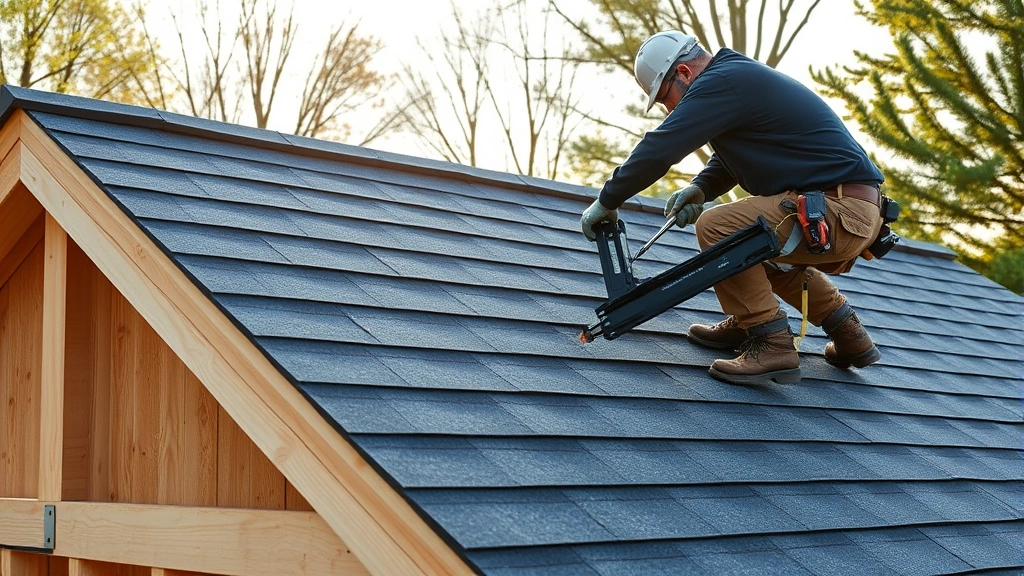
Roofing materials represent your second-largest material expense. Asphalt shingles cost $150-$300 for a 10×12 shed, while metal roofing runs $300-$600 but offers superior longevity. Plywood sheathing, underlayment, and flashing add another $200-$400. Many DIY builders choose asphalt shingles for their balance of cost and ease of installation.
Siding options vary dramatically in price and appearance. Corrugated metal siding costs $200-$400 for a 10×12 shed and requires minimal maintenance. T1-11 plywood siding ranges from $300-$500 and provides a finished wood appearance. Horizontal wood siding or vinyl runs $400-$800 but demands more frequent maintenance or offers better aesthetics respectively.
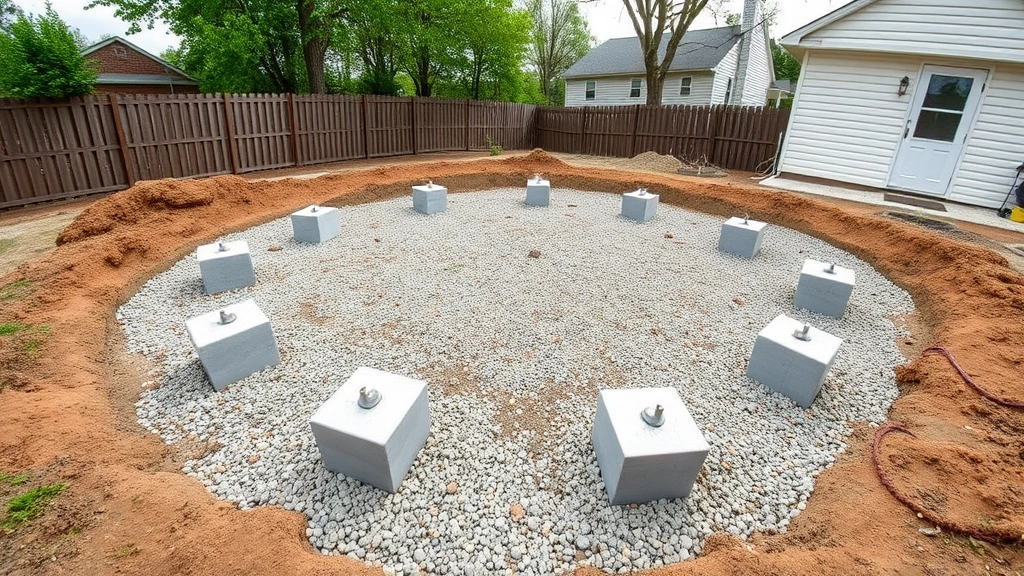
Foundation materials depend on your chosen method. Concrete pier blocks cost $100-$200, while a complete gravel and landscape fabric base runs $150-$300. Concrete slabs typically cost $400-$800 for a 10×12 area. Many builders opt for pier blocks as they balance cost-effectiveness with proper moisture protection.
Windows and doors add $300-$800 to your budget. A single standard window costs $50-$150, while a pre-hung exterior door runs $100-$300. Many DIY sheds skip windows entirely to reduce costs, though they improve functionality and natural light.
Hardware and fasteners including hinges, latches, bolts, nails, and screws typically cost $100-$200. Don’t skimp here—quality hardware ensures your shed functions properly for decades. Stainless steel hardware resists rust better than galvanized options.
Foundation and Site Preparation Expenses
A solid foundation prevents costly structural problems years later. Site preparation costs $200-$600 depending on existing ground conditions and your foundation choice.
Ground leveling requires checking existing slope and removing high spots. If your site has significant slope, you may need excavation equipment rental ($100-$300 per day). Most DIY projects avoid this by selecting relatively level sites or adjusting pier block heights to accommodate modest slopes.
Gravel base preparation involves excavating 4-6 inches, adding landscape fabric, and spreading gravel. This costs $150-$300 in materials and several hours of labor. This method works well for most climates and allows water drainage.
Concrete pier blocks elevate your shed floor off the ground, preventing moisture damage and rot. A 10×12 shed requires 12-16 pier blocks at $8-$12 each. This is the most popular DIY choice because it’s affordable, effective, and relatively simple to install. Proper spacing prevents uneven settling.
Concrete slabs cost more upfront ($400-$800) but provide excellent durability and a clean finished floor. Slabs require proper drainage, gravel base, and reinforcement. Many builders reserve concrete for larger workshops where the finished surface justifies the expense. Review ICC building codes for your region’s concrete thickness and reinforcement requirements.
Proper foundation work prevents expensive future repairs. Settling, moisture damage, and rot from inadequate foundations can cost thousands to remediate. Investing properly upfront saves money long-term.
Tools and Equipment Investments
Many DIY builders already own basic tools, which reduces startup costs. However, specialized equipment may require purchases or rentals.
Essential tools you likely already have include hammer, screwdrivers, tape measure, level, and square. If starting from scratch, these basics cost $100-$200.
Power tools like a circular saw ($80-$150), drill-driver ($60-$120), and reciprocating saw ($80-$150) make construction significantly faster and easier. A miter saw ($150-$300) improves cut accuracy for roofing. If you don’t own these, consider borrowing from friends or renting from tool rental shops at $30-$50 per day.
Specialized equipment includes a roofing nailer ($200-$400 for pneumatic, $100-$200 for cordless). Renting these tools costs $20-$40 daily, making rental sensible for single-use tools. A ladder or scaffolding rental ($50-$100 per day) proves essential for safe roof work.
Safety equipment is non-negotiable. Invest in work gloves ($15-$30), safety glasses ($20-$50), dust masks ($15-$40), and a tool belt ($30-$60). Quality safety gear prevents injuries that could derail your project or result in expensive medical bills.
Many builders spread tool purchases across multiple projects, making per-project tool costs lower over time. Sharing tool costs with neighbors or joining tool-sharing cooperatives reduces individual expenses.
Permits and Legal Requirements
Permit costs vary dramatically by location, typically ranging from $50 to $500. Some jurisdictions require no permit for sheds under a certain size, while others mandate permits for any outbuilding.
Building permits ensure your shed meets local codes for setbacks, height, and structural safety. A typical permit costs $75-$200 and takes 1-4 weeks to obtain. Your local building department website lists specific requirements and fees. Skipping permits to save money creates liability issues if you sell your home or face code enforcement complaints.
Setback requirements typically mandate your shed sit several feet from property lines and neighboring structures. Violating setbacks can result in forced removal—an expensive mistake. Check your local ordinances before choosing your site.
Zoning restrictions may limit shed size, placement, or use. Some residential areas restrict sheds to 120 square feet or prohibit them in front yards. Verify these rules before investing in materials.
Electrical permits are required if you plan running power to your shed. These cost $100-$300 and require licensed electrician involvement for safety compliance. Standard sheds without electricity avoid this expense.
Checking permit requirements costs nothing but saves thousands in potential remediation. Contact your local building department or check their website before purchasing materials.
Labor Costs and Timeline
DIY labor is free, but time has value. A typical 10×12 shed requires 40-60 hours of work spread across 4-8 weekends. Complex designs with multiple windows or premium finishes may take 80+ hours.
Foundation work takes 4-8 hours depending on site preparation complexity. Leveling ground, laying landscape fabric, and placing pier blocks requires careful attention but minimal specialized skill.
Framing consumes 12-20 hours for walls, roof trusses, and floor framing. This phase requires basic carpentry skills and proper measurements. Pre-cut lumber packages reduce complexity but cost more upfront.
Roofing typically requires 8-12 hours including sheathing, underlayment, and shingle installation. Working at heights demands safety precautions and careful attention. Many builders hire roofing professionals for this phase, costing $800-$2,000.
Siding and finishing take 8-16 hours depending on material choice and detail level. Simpler corrugated metal siding installs faster than wood siding with trim work.
Doors and windows installation requires 2-4 hours total. Pre-hung doors and standard windows simplify this process considerably.
Project timeline matters because weather delays are common. Starting in spring allows completion before winter weather arrives. Fall projects face time pressure before cold weather makes outdoor work miserable. Many builders plan 6-12 weeks from start to finish, allowing for weather delays and learning curves.
Money-Saving Strategies
Reducing costs without sacrificing quality requires strategic decisions throughout your project.
Buy materials strategically by shopping sales cycles. Roofing materials go on sale in fall, framing lumber prices fluctuate seasonally, and home improvement stores run regular promotions. Buying off-season when possible saves 10-20%. Compare prices across multiple suppliers—lumber yards, big-box retailers, and specialty suppliers often have different pricing.
Choose standard sizes that work with typical material dimensions. An 8×12 or 10×12 shed uses materials efficiently without excessive waste. Odd sizes like 7×11 waste materials and increase costs.
Simplify the design by avoiding complex roof lines, multiple windows, or custom features. A simple gable roof costs less than a gambrel or hip roof. Rectangular shapes with standard doors and windows keep costs down.
Reclaim materials from demolition projects or salvage yards. Used windows, doors, and wood siding significantly reduce costs if you’re flexible on aesthetics. Many construction sites give away usable materials to avoid disposal fees.
Use recycled or reclaimed materials for non-structural elements. Reclaimed barn siding creates character while reducing costs compared to new wood. Salvaged windows add charm and sustainability.
DIY everything possible to maximize labor savings. Only hire professionals for dangerous work like roofing if you’re uncomfortable at heights, or electrical work if it requires licensed electricians.
Visit Construction Dive for current material pricing trends and cost management strategies used by professional builders.
Hidden Costs to Anticipate
Experienced builders know unexpected expenses always arise. Budget 10-15% contingency for surprises.
Poor site conditions like unexpected rocks, roots, or soft soil require additional excavation or foundation adjustments. Budget an extra $200-$500 for site surprises.
Material waste typically runs 5-10% depending on your skill level and material choice. Beginners often have higher waste rates. Buying slightly more than calculated accounts for this.
Weather delays force project pauses and may require protective tarping. Wet conditions make foundation work difficult and lumber delivery problematic. Plan timeline flexibility.
Code compliance changes sometimes emerge during permit review, requiring design modifications. Updated building codes may require stronger fasteners, different spacing, or additional bracing. Budgeting flexibility prevents frustration.
Tool breakage or loss happens on job sites. A broken drill or lost measuring tape forces replacement purchases mid-project.
Finishing upgrades tempt many builders once the structure stands. Adding shelving, electrical outlets, or premium siding costs more than initial plans. Decide these details before starting to control costs.
Delivery fees for materials can add $100-$300 depending on quantities and distance. Some suppliers include free delivery over certain purchase amounts.
Experienced DIY builders always build contingency into budgets. Projects rarely come in exactly on budget, but planning for 10-15% overruns prevents financial stress.
FAQ
How much does a basic DIY shed cost?
A basic 8×10 DIY shed costs $1,200-$2,500 in materials, assuming you provide all labor. A 10×12 shed runs $2,500-$5,000. Costs vary based on materials chosen, site conditions, and local pricing. These estimates include framing, roofing, siding, doors, and basic finishing. DIY Nests Hub Blog features detailed cost breakdowns for various project sizes.
Can I build a shed for under $1,000?
Building a small shed (6×8) for under $1,000 requires extreme cost-cutting. Use corrugated metal siding and roofing, pressure-treated lumber, pier block foundation, and skip windows. You can achieve $800-$1,000 total, but this sacrifices aesthetics and weather protection. Most builders find spending slightly more creates better long-term value.
Do I need a permit for my shed?
Permit requirements vary by jurisdiction. Many areas require permits for sheds over 120 square feet, while others require them regardless of size. Some jurisdictions exempt small sheds in certain zones. Contact your local building department to determine requirements before starting. Skipping required permits creates liability and potential forced removal costs.
What’s the cheapest roofing option?
Corrugated metal roofing typically costs $300-$600 for a 10×12 shed and offers excellent durability and low maintenance. Asphalt shingles cost $150-$300 but require replacement every 15-20 years. Metal roofing’s longer lifespan (40+ years) makes it cheaper over time despite higher upfront cost.
Should I hire a contractor for any portion?
Many DIY builders hire professionals for roofing work due to safety concerns and complexity. Roofing costs $800-$2,000 but ensures proper installation and includes warranties. Electrical work requires licensed electricians in most areas if you want power in your shed. Foundation work is usually manageable for DIYers but may require equipment rental.
How does DIY shed cost compare to prefab options?
Prefab sheds cost $3,000-$8,000+ for comparable size. DIY construction saves 40-60% on labor costs. However, prefab offers convenience, warranty coverage, and faster completion. For budget-conscious builders with available time, DIY provides excellent value.
What’s the most important cost to not cut?
Foundation work should never be skimped. Poor foundations cause rot, settling, and structural failure costing thousands to repair. Spend adequately on proper site preparation, gravel base, and pier blocks. Similarly, roofing quality matters because leaks cause interior damage that’s expensive to remediate. Quality fasteners and hardware ensure long-term functionality.
Can I expand my shed later?
Yes, many builders start with a smaller shed and expand later. Design your foundation to accommodate future expansion. Adding a 4-foot extension costs $800-$1,500 depending on complexity. Planning for expansion during initial construction makes future modifications easier and cheaper.
How long does a DIY shed typically last?
A well-built DIY shed lasts 20-40+ years depending on materials and maintenance. Pressure-treated lumber resists rot, metal roofing lasts 40+ years, and quality hardware prevents rust. Regular maintenance—roof inspections, gutter cleaning, and siding maintenance—extends lifespan significantly. DIY Basement Finishing – A Complete Guide discusses similar longevity principles for other home structures.
What’s the best time to build a shed?
Spring and early summer provide ideal conditions with stable weather and long daylight hours. Fall works if you complete the project before winter arrives. Avoid winter construction when cold temperatures make work miserable and wet conditions complicate foundation work. Plan 6-12 weeks before your target completion date.
Do I need to insulate my shed?
Insulation costs $300-$600 for a 10×12 shed but is only necessary if you plan using the space in winter or storing temperature-sensitive items. For basic storage, insulation isn’t required. Ventilation prevents moisture buildup, which is more important than insulation in most climates.
Cost Comparison Summary: A typical 10×12 DIY shed costs $2,500-$5,000 in materials, while professional contractors charge $5,000-$15,000 total. Your labor savings represent the primary financial advantage of DIY construction. Proper planning, strategic material choices, and realistic timeline expectations ensure your shed project delivers excellent value.
For related home improvement cost guides, explore How Much Does It Cost to Add a Bathroom and DIY Flooring Installation – A Step by Step Guide. Understanding construction costs across various projects helps you prioritize home improvement investments wisely.
Additional resources include National Association of Home Builders for construction standards and National Frame Builders Association for framing best practices. These organizations provide technical guidance ensuring your DIY shed meets all safety and building standards.


