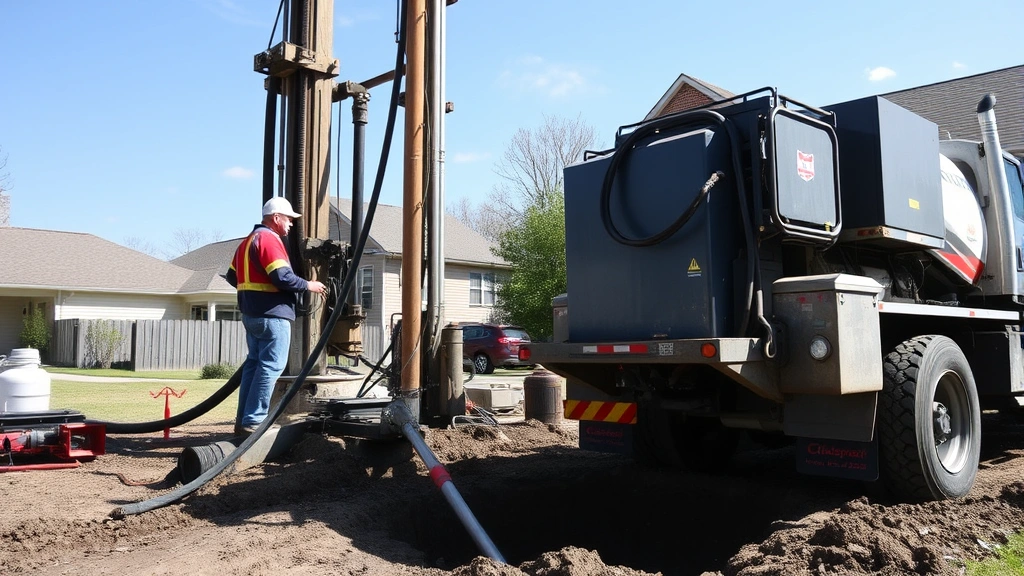
Dig a Well: Cost Breakdown by Experts
Installing a private well is one of the most significant investments a homeowner can make for water independence and long-term savings. Whether you’re building in a rural area without municipal water access or seeking to reduce your reliance on city systems, understanding the true cost of well drilling is essential for budgeting and planning. The price varies dramatically based on depth, location, soil composition, and local regulations—factors that can swing your final bill by thousands of dollars.
This comprehensive guide breaks down every expense involved in well installation, from initial site assessment through final testing and permitting. We’ll explore what professionals charge, why costs differ between regions, and how to make informed decisions that protect both your investment and your family’s water quality. Whether you’re comparing contractor quotes or considering this alongside other DIY home improvement projects, this expert breakdown gives you the knowledge you need.
Average Well Drilling Costs
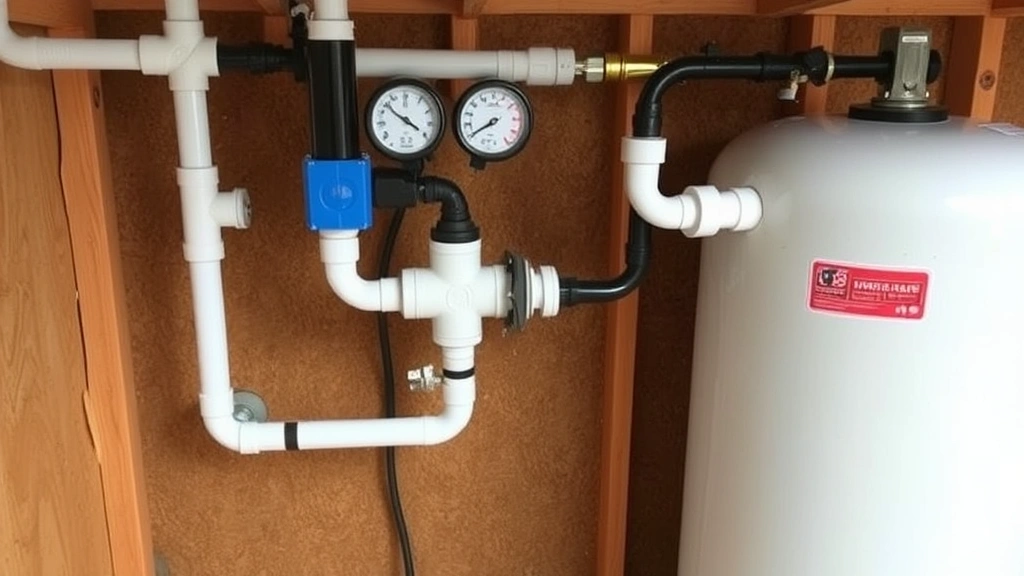
The national average cost to drill a residential well ranges from $3,500 to $15,000, with most homeowners spending between $4,000 and $9,000 for a standard installation. However, this figure represents only the drilling portion—the complete well system including pump, pressure tank, and piping typically costs $8,000 to $25,000 or more. The wide range reflects significant variables in geology, accessibility, and local market conditions that experienced contractors carefully assess before providing quotes.
Professional well drillers base their estimates on several critical factors: the anticipated depth to reach water-bearing formations, soil and rock composition that determines drilling difficulty, distance from the property entrance, and whether existing utilities complicate excavation. A shallow well in sandy soil might cost $2,500, while a deep well in fractured granite could exceed $20,000. This is why obtaining multiple quotes from licensed contractors in your area provides the most accurate pricing picture for your specific situation.
When budgeting for your well project, remember that the lowest quote isn’t always the best value. Reputable drillers with proper insurance and licensing charge appropriately for quality work that meets local codes and ensures your water safety. Significantly underpriced bids often indicate cutting corners on casing materials, testing protocols, or proper well sealing—issues that create expensive problems years later.
How Depth Affects Pricing
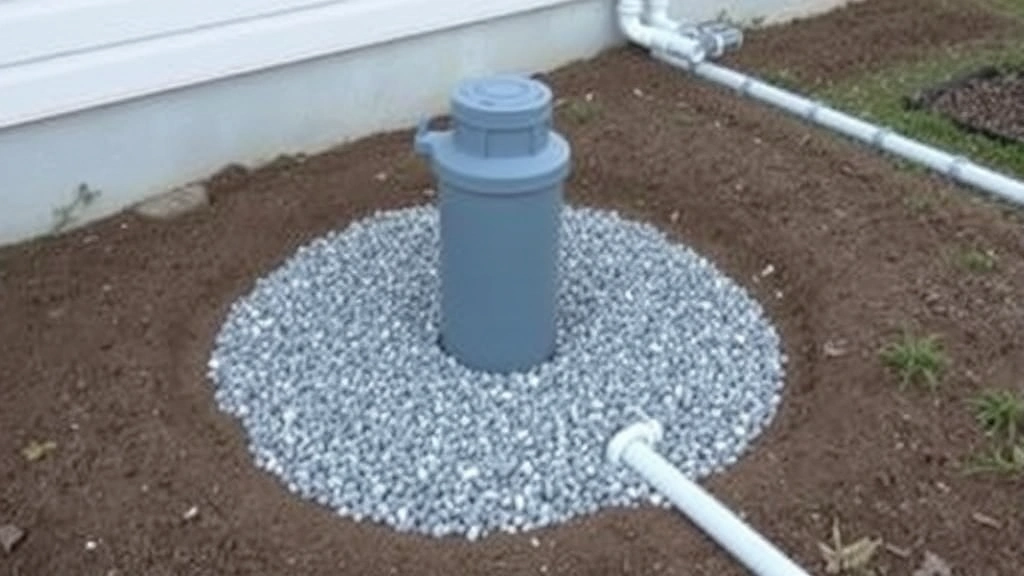
Well depth is the single largest cost driver in drilling projects, with pricing typically calculated on a per-foot basis. Most contractors charge $15 to $30 per foot for drilling in favorable conditions, but this escalates dramatically with depth and difficult geology. A 25-foot shallow well might cost $375-$750 in labor alone, while a 300-foot deep well could reach $4,500-$9,000 before casing and equipment costs.
Shallow wells (under 50 feet) access groundwater closer to the surface, common in areas with high water tables near rivers, lakes, or wetlands. These offer the most economical drilling costs but carry higher contamination risks and may require more frequent maintenance. Deep wells (100-400 feet) reach more reliable, protected water sources but demand specialized equipment, more drilling time, and significantly higher expenses. Ultra-deep wells (400+ feet) become increasingly rare for residential use and proportionally more expensive, sometimes reaching $50,000+ for the complete system.
The uncertainty of exact depth before drilling begins creates another cost consideration. Hydrogeological surveys can estimate water depth ($300-$500) but don’t guarantee accuracy—you might hit water at 80 feet instead of the predicted 120 feet, or need to drill deeper than anticipated. This is why experienced drillers include depth contingencies in estimates and explain their assumptions clearly. Understanding foundation and underground infrastructure planning helps you appreciate why drilling professionals need flexibility in their quotes.
Installation Cost Breakdown
A complete well system comprises multiple components, each contributing to the total investment:
- Drilling labor: $1,500-$8,000 depending on depth and difficulty
- Well casing (steel or PVC pipe): $500-$2,000 for materials and installation
- Submersible pump: $400-$1,500 for quality residential equipment
- Pressure tank: $300-$800 for a reliable galvanized or stainless steel tank
- Pressure switch and gauges: $150-$400
- Check valve and well seal: $100-$300
- Piping and fittings: $300-$1,000 for underground and above-ground runs
- Electrical work: $500-$2,000 for pump wiring and circuit installation
The pump selection significantly impacts system cost and performance. Basic submersible pumps suitable for shallow to moderate depths cost $400-$700, while high-capacity pumps for deep wells or high-demand households reach $1,500+. Centrifugal pumps, jet pumps, and variable-speed models each offer different advantages—variable-speed pumps cost more upfront ($1,200-$2,000) but reduce energy consumption by 25-50% over decades of operation, making them increasingly popular for long-term savings.
Professional installation of these components requires skilled labor, typically adding 8-20 hours to your project timeline. Contractors charge $50-$150 per hour for this work, meaning labor for assembly, pressure tank installation, pump setup, and electrical connections adds $400-$3,000 to your bill. DIY installation of some components (like above-ground piping) can reduce costs, but pump installation, electrical work, and pressure system setup should remain professional responsibilities to ensure safety and warranty protection.
Permits, Testing & Certification
Before and after drilling, regulatory requirements create necessary additional expenses that protect your water quality and property value. Well permits typically cost $100-$500 depending on your jurisdiction, with some areas charging annual registration fees of $25-$100. These permits ensure compliance with setback requirements from septic systems, property lines, and contamination sources—regulations that vary significantly between counties and states.
Water quality testing is non-negotiable for new wells. Initial bacteriological testing costs $50-$150, while comprehensive testing for nitrates, minerals, pH levels, and contaminants ranges from $150-$500. Many states require specific testing before the well receives approval for household use. If testing reveals contamination issues, treatment system installation (filtration, UV sterilization, or reverse osmosis) adds $1,000-$5,000 to your project. This is why experts recommend budgeting for potential treatment needs rather than hoping your water tests perfectly.
Well sealing and grouting, often required by building codes, ensures groundwater contamination doesn’t travel down the well shaft. Professional grouting costs $200-$800 and involves injecting bentonite clay or cement around the casing to seal the annular space. This work prevents surface contaminants from reaching your water supply—a critical safety measure that should never be skipped regardless of cost. Many contractors include basic grouting in their drilling quote, but clarify this during initial estimates to avoid surprises.
Regional Cost Variations
Well drilling costs vary dramatically by geography due to local geology, labor rates, competition, and regulatory complexity. Northeastern states with abundant shallow groundwater and competitive drilling markets report costs of $3,000-$7,000 for typical installations. Midwestern agricultural regions benefit from established drilling infrastructure and average $4,000-$8,000. Southwestern areas with deeper water tables and harder rock formations see costs climbing to $8,000-$15,000+, reflecting the specialized equipment and expertise required.
Soil and rock type creates the most significant geological influence on pricing. Clay and sandy soil drills quickly and affordably, while bedrock requires slower rotary drilling or percussion methods that increase costs 20-50%. Fractured granite, limestone, or shale demands experienced drillers familiar with these formations and can add $5-$15 per foot to drilling charges. Understanding your property’s subsurface geology—available through county geological surveys or hydrogeological reports—helps explain why your neighbor’s well cost differs from yours.
Urban and suburban areas often report higher drilling costs due to congested utilities, limited equipment access, and stricter permitting processes. Rural properties with clear drilling access and less regulatory oversight frequently achieve lower per-foot rates. This is why consulting with local contractors experienced in your area’s specific conditions provides the most accurate pricing information.
Money-Saving Strategies
Strategic planning can reduce well installation costs without compromising quality or safety. Get multiple quotes from at least three licensed drillers—this reveals local market rates and allows comparison of equipment quality, warranties, and service commitments. Request detailed written estimates itemizing each component and labor category so you understand where money is spent and can identify potential cost reduction areas.
Pre-drilling site assessment minimizes uncertainty that drives up costs. Hiring a hydrogeological consultant ($300-$800) to evaluate your property’s water table depth, soil conditions, and contamination risks provides accurate drilling depth estimates. This eliminates the risk of drilling significantly deeper than necessary or hitting unexpected rock formations mid-project. The assessment cost typically pays for itself through more accurate contractor bids and reduced drilling surprises.
Consider shared drilling costs if neighboring properties need wells simultaneously. Some drillers reduce per-foot rates for back-to-back jobs requiring less equipment movement. Seasonal timing also affects pricing—winter months often see reduced demand, allowing for potential discounts. However, never compromise on equipment quality, casing materials, or testing requirements to save money. Choosing a reliable pump and pressure system rather than the cheapest option protects your investment through decades of trouble-free operation.
DIY above-ground work represents another savings opportunity. After professionals drill and install the pump, you might handle above-ground piping, pressure tank mounting, and system connections if you have plumbing experience. This can reduce costs $500-$1,500, though complex electrical work must remain professional. Budget-conscious homeowners can also tackle site grading, backfilling, and well head landscaping after drilling completion.
Long-Term Maintenance Expenses
Well ownership extends beyond installation costs into ongoing maintenance and potential repairs that should factor into your long-term budget. Annual maintenance typically involves professional inspection and testing, costing $150-$300 yearly. This includes checking pump operation, verifying pressure tank function, and confirming water quality remains safe. Many homeowners skip this essential care, only to face expensive repairs when systems fail unexpectedly.
Pump replacement—the most common major expense—occurs every 15-25 years depending on water quality, usage patterns, and equipment quality. Replacing a submersible pump costs $1,000-$3,000 including labor, while surface pump replacement runs $800-$2,000. Pressure tank replacement ($500-$1,500) typically becomes necessary every 10-15 years as internal bladders deteriorate. Building these future expenses into your long-term homeownership planning prevents financial shock when systems age.
Water treatment system maintenance adds recurring costs if your well requires filtration or chemical treatment. Reverse osmosis system maintenance costs $100-$300 annually, while UV sterilization systems need bulb replacement ($75-$150 yearly). Hard water softening systems require salt and periodic service ($200-$400 yearly). These ongoing expenses, while manageable, should be understood before drilling—some homeowners discover expensive treatment needs only after drilling and testing reveal water quality issues.
Drought conditions, seasonal water table fluctuations, and geological changes sometimes require deeper drilling or pump adjustment. Budget $500-$2,000 for potential modifications over your property’s lifetime. Additionally, homeowners insurance typically doesn’t cover well system failures, making maintenance and timely repairs essential for protecting your investment and ensuring reliable water access during emergencies.
FAQ
How long does well drilling take?
Simple shallow wells typically require 1-2 days of drilling, while moderate wells (100-200 feet) take 2-5 days. Deep wells may require a week or longer, particularly if unexpected rock formations are encountered. Equipment setup and site preparation add an additional day. Complete system installation including pump, pressure tank, and testing usually extends the project 2-3 weeks from drilling start to water availability.
Can I drill a well on my property myself?
DIY well drilling is technically possible but extremely inadvisable for most homeowners. Professional equipment costs $5,000-$15,000+ to purchase, specialized training ensures proper casing installation and pressure system setup, and mistakes create contamination risks or system failures. Most jurisdictions require licensed contractors for well installation to ensure code compliance and water safety. The liability and technical expertise required make professional drilling the only practical option for residential properties.
What’s the difference between a shallow well and a deep well?
Shallow wells (under 50 feet) access groundwater quickly and affordably but are more vulnerable to surface contamination and seasonal water table fluctuations. Deep wells (100-400+ feet) reach protected aquifers with more stable water supplies and better quality, but cost significantly more to drill and maintain. Your property’s geology, water availability, and contamination risk determine which type suits your situation. Professional hydrogeological assessment clarifies the best approach for your specific location.
Will my well water need treatment?
Post-drilling water testing reveals whether treatment is necessary. Many wells provide excellent water requiring no treatment beyond basic filtration. Others contain iron, hardness, or pH issues requiring softening or pH adjustment systems ($1,000-$3,000). Bacterial contamination necessitates UV sterilization or chlorination ($1,500-$4,000). Radon or volatile organic compounds require specialized treatment ($2,000-$8,000+). Initial testing costs $150-$500 but prevents purchasing unnecessary treatment systems and identifies actual water quality challenges.
How deep do most residential wells go?
Typical residential wells range from 25 feet to 300 feet depending on local water table depth. The national median is approximately 100-150 feet, though this varies dramatically by region. Areas with shallow groundwater (near coasts, rivers, or high-rainfall regions) average 30-80 feet, while arid regions or areas with deep aquifers may exceed 400 feet. Your county’s geological survey provides data on typical well depths in your area, helping contractors estimate your specific property’s requirements.
What permits do I need for well installation?
Most jurisdictions require well drilling permits ($100-$500) and water quality certification before the system becomes operational. Some areas mandate annual registration ($25-$100) and periodic testing reports. Setback requirements typically mandate wells be 50-100+ feet from septic systems, property lines, and contamination sources—regulations varying by county. Your local health department or county extension office provides specific requirements for your area. Professional contractors handle permit applications as part of their service, but verify this during initial quotes.
How often should wells be tested?
Initial testing before the well becomes operational is mandatory. Annual testing thereafter is recommended, particularly for bacteria and nitrates. If treatment systems are installed, more frequent testing may be required. After 5-10 years of stable results, many homeowners reduce testing to every 2-3 years, though annual testing provides better long-term safety assurance. Testing costs $50-$500 depending on comprehensiveness, making regular monitoring an affordable investment in your family’s health.


