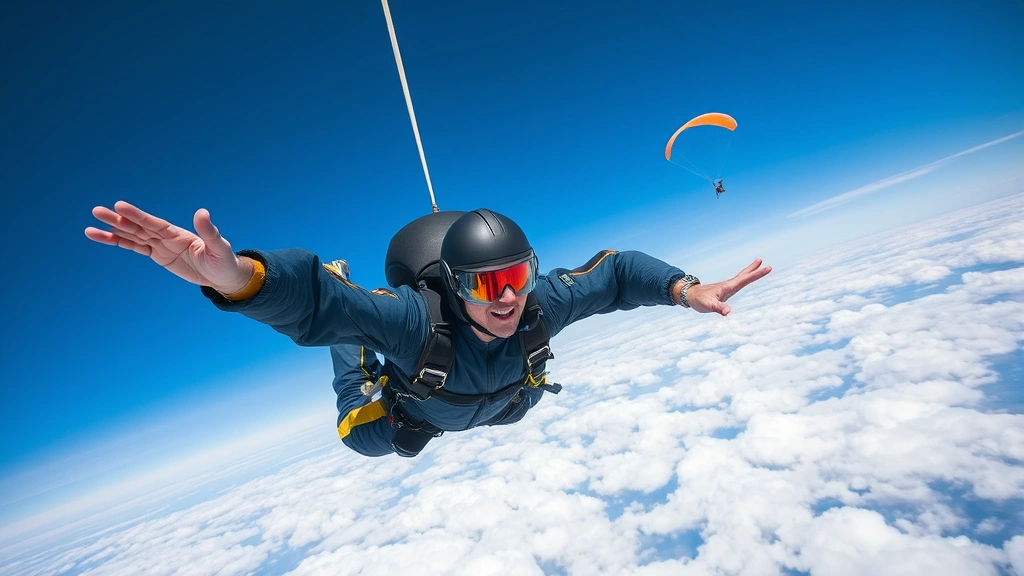
How Much Does It Cost to Do a Parachute Jump? Expert Insights & Tips
Skydiving represents one of the most exhilarating experiences available to adventure seekers, but understanding the financial investment required is essential before taking the leap. The cost of a parachute jump varies significantly based on location, experience level, equipment quality, and the type of jump you choose. Whether you’re considering a tandem jump as a first-time thrill-seeker or planning to pursue advanced skydiving certifications, knowing what to expect financially helps you budget appropriately and make informed decisions about this life-changing activity.
The skydiving industry has evolved considerably over the past two decades, with safety standards becoming increasingly rigorous and equipment technology advancing rapidly. This comprehensive guide explores every aspect of parachute jump pricing, from introductory tandem jumps to professional certification courses, helping you understand where your money goes and how to find the best value for your investment. Much like planning a basement renovation project, skydiving requires careful budget planning and understanding the components that contribute to the final cost.
Tandem Skydiving Costs
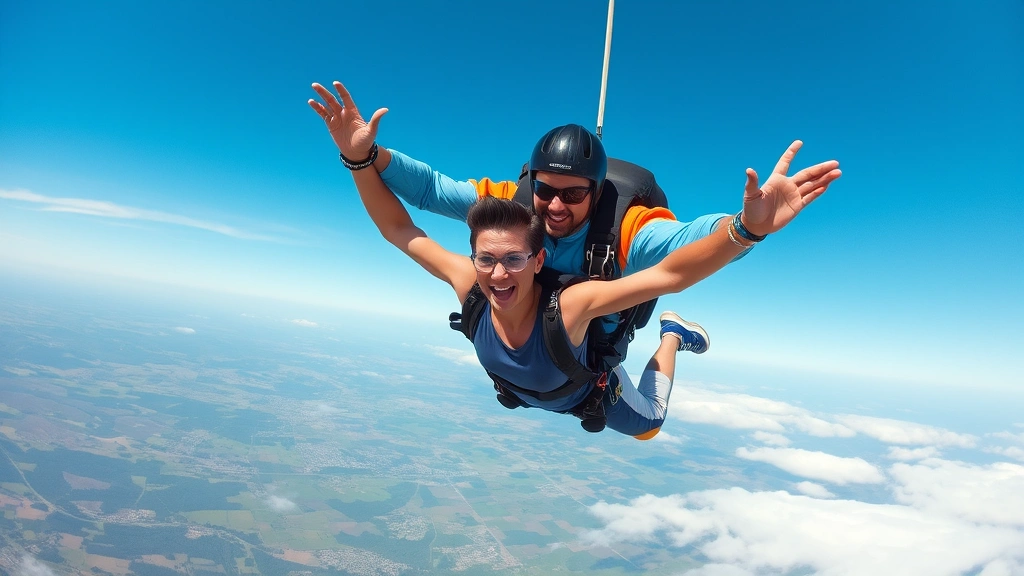
Tandem skydiving represents the most accessible entry point for first-time jumpers, where you’re securely attached to an experienced instructor throughout the entire jump. The cost of a tandem jump typically ranges from $200 to $500 in the United States, though prices can vary based on several factors. Most dropzones charge between $250 and $350 for a standard tandem experience, making it an affordable option for those wanting to experience freefall without extensive training commitments.
The base tandem jump price usually includes pre-jump instruction lasting 20 to 30 minutes, the actual jump experience at approximately 10,000 to 15,000 feet altitude, and basic video services in some cases. Higher-end dropzones may charge premium rates for scenic locations, such as coastal areas or mountainous regions where the views enhance the experience significantly. International tandem jumps can cost considerably more, ranging from $300 to $600 or higher depending on the destination country and local market conditions.
Video documentation has become increasingly popular among tandem jumpers, with most facilities offering digital recordings of your jump. These video packages typically cost an additional $50 to $150, depending on the quality and format. Some dropzones include basic video coverage in their base price, while others offer premium options featuring multiple camera angles, slow-motion sequences, and professional editing. When budgeting for your tandem jump experience, factor in these optional add-ons that can enhance your memories of this remarkable achievement.
Seasonal pricing variations affect tandem jump costs throughout the year. Summer months typically command higher prices due to increased demand, weather reliability, and longer daylight hours. Winter jumps often come with discounts ranging from 10 to 20 percent, though you’ll need appropriate cold-weather gear. Many dropzones offer package deals for groups, providing discounts when multiple people jump together, making it an excellent option for corporate team-building events or celebrations.
AFF and Certification Programs
Accelerated Freefall (AFF) programs represent the pathway to becoming a licensed skydiver capable of jumping independently. Unlike tandem jumps where you remain attached to an instructor, AFF training involves progressive levels of instruction where you gradually gain autonomy during freefall. The complete AFF certification process typically costs between $3,000 and $5,500, though comprehensive programs can exceed $6,000 depending on the dropzone and location.
The AFF program consists of eight progressive levels, with each level involving classroom instruction, equipment briefing, and the actual jump experience. Your first AFF jump costs approximately $300 to $400, similar to a tandem jump but with more intensive preparation. Subsequent jumps increase in complexity and cost, with later levels ranging from $200 to $350 per jump as you require less instructor attention. Most students require 25 to 50 jumps to complete their AFF certification, meaning total training costs can accumulate significantly.
Dropzone membership and facilities fees constitute another component of AFF program expenses. Many facilities charge monthly membership fees ranging from $50 to $150, which may include access to equipment rental, packing facilities, and community amenities. Some dropzones bundle membership into their AFF program packages, while others charge these fees separately. Understanding the fee structure before committing to AFF training helps you accurately project total certification costs.
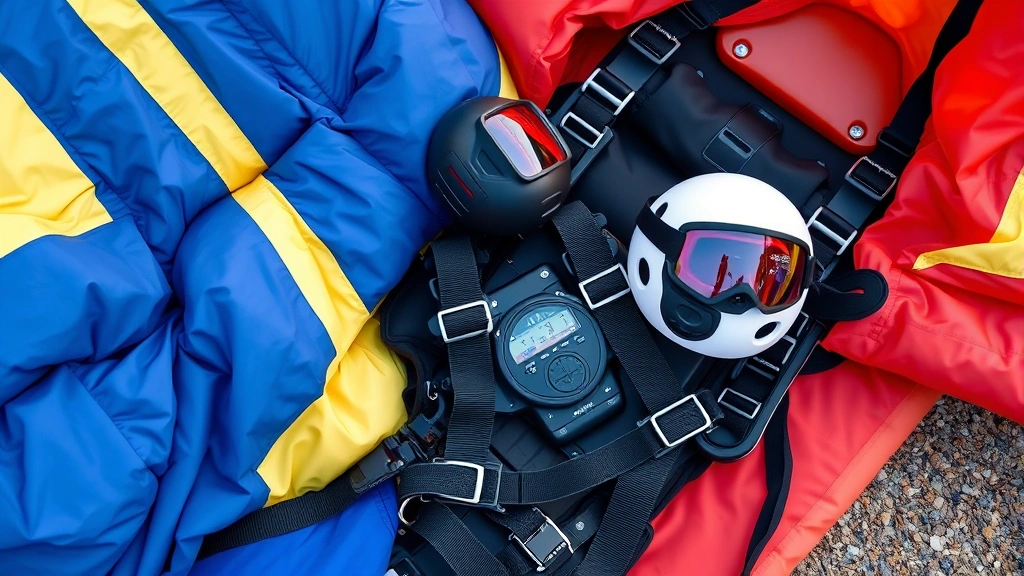
Equipment rental for AFF students typically costs $15 to $30 per jump, covering the use of a parachute system, altimeter, helmet, and jumpsuit. As you progress through certification levels, many dropzones encourage you to invest in your own equipment, which represents a significant additional expense. The security and safety equipment investments in skydiving parallel the importance of protective gear in construction and building projects, where quality directly impacts outcomes.
Equipment and Gear Expenses
Personal skydiving equipment represents one of the largest expenses for serious jumpers. A complete skydiving rig, consisting of a main parachute, reserve parachute, and container system, costs between $4,000 and $8,000 new. Used equipment can be obtained for $2,500 to $5,000, though purchasing used requires careful inspection and verification of maintenance history. High-performance equipment from premium manufacturers may exceed $10,000, particularly systems designed for advanced maneuvers or competition jumping.
The main parachute, which you deploy during every jump, typically costs $1,500 to $3,000 new depending on size, design, and manufacturer. Reserve parachutes, required by law and only deployed in emergencies, range from $1,200 to $2,500. The container system that houses both parachutes costs $1,500 to $3,500, with prices varying based on materials, customization options, and brand reputation. Investing in quality equipment ensures reliability and safety, making it worth the financial commitment.
Helmets, altimeters, goggles, and jumpsuits represent additional equipment investments. A quality skydiving helmet costs $100 to $400, with premium options offering better ventilation and communication capabilities. Digital altimeters range from $150 to $400, providing precise altitude information critical for safe jump planning. Specialized skydiving goggles cost $30 to $150, while custom-fitted jumpsuits range from $200 to $600. These ancillary items add up quickly but prove essential for comfort, safety, and performance.
Equipment maintenance and repacking constitute ongoing costs throughout your skydiving career. Reserve parachutes must be repacked by certified riggers every 180 days, costing approximately $20 to $50 per repack. Main parachute repacking after every jump costs $1 to $3 per pack at most dropzones, or you can learn to pack your own parachute and eliminate this recurring expense. Many serious jumpers invest in packing certification to reduce long-term costs and gain greater equipment control.
Insurance and medical requirements add to the overall expense of skydiving. While not always mandatory, skydiving accident insurance typically costs $50 to $200 annually and provides crucial protection. Some dropzones require medical certifications or clearances, particularly for older participants or those with pre-existing conditions. These medical evaluations can range from $100 to $500 depending on your health status and the thoroughness of the examination required by your local dropzone.
Location and Regional Pricing
Geographic location significantly influences skydiving costs, with pricing varying dramatically between regions and countries. Federal Aviation Administration regulations establish baseline safety standards nationwide, but local market conditions, real estate costs, and operational expenses drive regional price variations. Coastal dropzones in California, Florida, and Hawaii typically charge 20 to 40 percent more than inland facilities, reflecting higher property values and increased demand from tourists.
Urban dropzones near major metropolitan areas generally charge premium prices compared to rural facilities. A tandem jump near Las Vegas or New York City might cost $400 to $500, while the same experience in a rural Midwestern location costs $200 to $300. However, rural dropzones often require longer travel times for jumpers, which may offset savings in jump fees through increased transportation costs. Evaluating total trip expenses, including travel and accommodation, helps determine true cost-effectiveness of your chosen location.
International skydiving destinations offer varying price points influenced by exchange rates and local economic conditions. Popular destinations like Australia, New Zealand, and Switzerland command premium prices due to scenic value and tourism demand. Conversely, some developing nations offer significantly discounted rates, though you should carefully verify safety certifications and equipment standards before choosing budget-friendly international options. Research United States Parachute Association (USPA) approved facilities to ensure proper safety standards regardless of location.
Seasonal demand creates pricing fluctuations throughout the year. Peak summer season typically brings 30 to 50 percent price increases at popular dropzones, while winter offers discounts and lower demand. Spring and fall shoulder seasons often provide reasonable pricing with good weather conditions, making these optimal times for budget-conscious jumpers. Planning your jump during off-peak periods can reduce costs by $50 to $150 per jump, representing meaningful savings especially for multiple jumps.
Hidden Fees and Additional Costs
Beyond advertised jump prices, numerous hidden fees can substantially increase your total skydiving expenses. Facility fees, parking charges, and equipment fees often appear as separate line items on your final bill. Many dropzones charge $5 to $20 for parking, with some facilities imposing additional fees for facility access or amenities usage. These seemingly minor charges accumulate, particularly for regular jumpers making frequent visits to their home dropzone.
Manifest fees, charged for the administrative process of registering and organizing your jump, typically cost $5 to $15 per jump. Some dropzones include this in their base jump price, while others charge it separately. Photography and video services, mentioned earlier, often exceed quoted prices when you add multiple camera angles, editing services, or digital delivery formats. Premium video packages with professional editing and music can cost $100 to $200, significantly more than basic video documentation.
Gear rental fees apply if you don’t own your own equipment. Beyond parachute system rental, you may pay additional fees for helmets, goggles, jumpsuits, or altimeters if your rental package doesn’t include all necessary items. These à la carte charges can add $20 to $50 per jump, making equipment ownership financially attractive for frequent jumpers. Calculating your break-even point between rental costs and equipment purchase helps determine when investing in your own gear makes financial sense.
Travel and accommodation expenses often exceed jump costs themselves, particularly for destination jumps or remote dropzones. Flights to scenic skydiving locations can cost $200 to $600, while hotel accommodations add another $100 to $300 per night. Food, ground transportation, and miscellaneous expenses further increase trip costs. Planning multi-day jump trips where you complete several jumps amortizes travel costs across multiple experiences, improving overall cost-effectiveness.
Certification and rating fees apply as you progress through training levels. Some dropzones charge $25 to $75 for official USPA rating certifications, documentation processing, and record maintenance. These administrative fees ensure proper documentation of your qualifications and progression through the sport. While relatively modest individually, they accumulate throughout your skydiving journey and warrant inclusion in long-term budget planning.
Money-Saving Strategies
Strategic planning and smart shopping can significantly reduce your skydiving expenses. Group discounts represent one of the most effective savings mechanisms, with many dropzones offering 10 to 20 percent discounts for groups of five or more jumpers. Organizing friends or family members to jump together not only reduces costs but enhances the social experience, making it a win-win proposition. Corporate team-building packages often provide even steeper discounts combined with specialized programs tailored to group dynamics.
Purchasing jump packages or punch cards before jumping reduces per-jump costs substantially. Many dropzones offer 10-jump or 25-jump packages at discounts ranging from 10 to 25 percent compared to single-jump pricing. These packages effectively lock in lower prices and encourage more frequent participation. However, ensure you’re confident about your skydiving commitment before investing in large packages, as refund policies vary significantly between facilities.
Learning to pack your own parachute eliminates recurring packing fees and provides valuable skills. Packing certification courses cost $100 to $300 but pay for themselves within 50 to 100 jumps through eliminated packing fees. This knowledge also deepens your understanding of equipment mechanics, enhancing safety awareness and overall skydiving competence. Many experienced jumpers consider packing skills essential, making this investment worthwhile beyond pure cost savings.
Equipment investment strategies vary depending on your commitment level. Rather than purchasing a complete new rig immediately, consider acquiring used equipment from reputable sources after you’ve completed your AFF certification. Used equipment costs 40 to 50 percent less than new systems while providing the same functionality. Ensure any used equipment has complete maintenance records, recent inspections, and comes from trustworthy sellers within the skydiving community.
Choosing off-season jumps and weekday visits reduces costs through lower demand pricing. Many dropzones charge less for jumps scheduled Monday through Thursday compared to weekend pricing. Similarly, jumping during winter months, particularly in regions with less reliable weather, often comes with discounts of 15 to 30 percent. Planning your skydiving schedule around these pricing variations, similar to how you’d schedule house painting projects during off-peak seasons, maximizes your budget efficiency.
Loyalty programs and membership benefits provide long-term savings for regular jumpers. Many dropzones offer membership programs combining discounted jump fees, free facility access, equipment rental reductions, and exclusive event access. Monthly memberships costing $50 to $150 can save $5 to $10 per jump, paying for themselves within 5 to 10 jumps for active participants. Evaluating your anticipated jump frequency helps determine whether membership investments make financial sense.
Combining skydiving with other activities can improve overall trip economics. Many scenic dropzones near tourist destinations allow you to incorporate other activities—hiking, sightseeing, or adventure sports—into your trip. This approach spreads travel and accommodation costs across multiple activities, reducing the per-activity expense. Planning comprehensive adventure trips rather than single-purpose jumps maximizes the value of travel investments.
FAQ
What is the cheapest way to skydive?
The most economical skydiving approach involves tandem jumps at rural dropzones during off-peak seasons, costing $200 to $250. Group discounts can further reduce costs by 10 to 20 percent. However, if pursuing regular skydiving, becoming certified and purchasing used equipment proves more cost-effective long-term than repeated expensive tandem jumps.
Is skydiving more expensive than other extreme sports?
Skydiving costs vary considerably based on frequency and equipment investment. Single tandem jumps ($250 to $500) cost less than one-time extreme sports experiences, but regular skydiving becomes expensive through equipment and jump fees. Activities like mountaineering, helicopter skiing, or competitive motorsports often exceed skydiving expenses when considered comprehensively.
Do I need my own equipment to skydive regularly?
While rental equipment accommodates occasional jumpers, regular participation (more than 20 jumps annually) justifies equipment investment. Own equipment provides cost savings, better familiarity, and superior comfort compared to rental systems. Most serious jumpers invest in their own rig within their first 50 to 100 jumps.
Are there financing options for skydiving certification?
Some dropzones offer payment plans for AFF certification programs, allowing you to spread costs across multiple months. Additionally, many facilities accept credit cards, enabling you to use rewards programs or promotional financing offers. However, financing skydiving requires careful budgeting given the significant total investment involved.
What insurance do I need for skydiving?
Skydiving accident insurance provides medical and disability coverage, typically costing $50 to $200 annually. Most dropzones don’t require insurance but strongly recommend it. Standard health insurance rarely covers skydiving injuries, making dedicated skydiving insurance crucial for financial protection against potential medical emergencies.
How do video costs factor into total skydiving expenses?
Video documentation adds $50 to $150 per jump, representing 20 to 40 percent increases to base jump costs. While optional, most jumpers purchase video for at least their first and milestone jumps. Premium editing and multiple camera angles increase costs further, making video a discretionary expense worth budgeting for separately.
For more information about safety standards and regulations, visit the United States Parachute Association, consult FAA Advisory Circulars on parachute operations, or review International Code Council safety standards. When planning your skydiving adventure, consider exploring DIY Nests Hub for other adventure planning resources, or check out beginner project guides if you’re interested in building custom equipment storage solutions for your gear at home.


