Fill in a Pool: Cost Breakdown by Experts
Deciding to fill in a pool is a significant home improvement decision that requires understanding the full financial picture. Whether you’re facing costly maintenance bills, safety concerns, or simply want to reclaim yard space, the expense of pool removal varies dramatically based on pool type, size, location, and local regulations. This comprehensive guide breaks down every cost factor so you can make an informed decision about your property investment.
Pool filling is more complex than simply covering it up—it involves proper drainage, structural considerations, and compliance with local building codes. The process typically ranges from $3,000 to $15,000 for residential pools, but understanding the variables that influence pricing helps you budget accurately and avoid unexpected expenses during your project.
Understanding Pool Removal vs. Pool Filling
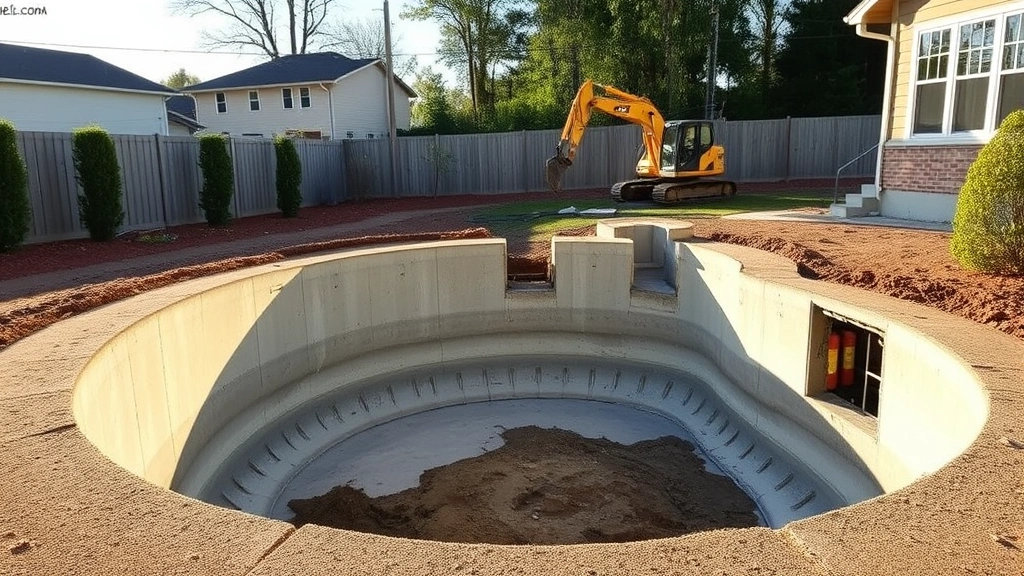
Pool filling and pool removal are distinct processes that often get confused. Pool filling involves draining the water and backfilling the excavated area with soil or other material, leaving the pool structure in place underground. Pool removal (or demolition) requires extracting the entire pool structure—shell, concrete, and supporting materials—which is significantly more expensive, typically costing $10,000 to $25,000 or more.
Most homeowners choose filling because it’s substantially cheaper and faster than complete removal. However, filling creates a different set of considerations, including proper compaction, drainage management, and future land use. Understanding this distinction helps you evaluate whether filling truly meets your needs or if removal would be more appropriate for your property’s long-term value.
When you fill a pool, you’re essentially creating a subsurface void that must be properly managed. This is why International Code Council (ICC) standards and local building departments require specific procedures to prevent future settling, flooding, or structural problems.
Cost Factors That Impact Your Budget
Several variables significantly influence the total cost of filling your pool:
- Pool Size: Standard residential pools range from 10,000 to 20,000 gallons. Larger pools require more fill material and labor, directly increasing costs.
- Pool Type: In-ground gunite pools, fiberglass shells, and vinyl-lined pools each present different filling challenges and material requirements.
- Geographic Location: Urban areas typically charge 15-30% more than rural regions due to higher labor rates and stricter regulations.
- Soil Conditions: Clay, sandy, or rocky soil affects compaction requirements and may necessitate specialized equipment or additional preparation.
- Accessibility: Pools in tight backyards or with limited equipment access require smaller machinery, increasing per-unit labor costs.
- Depth and Structure: Deeper pools require more fill material. Pools with structural complications (deteriorated shells, underground utilities) cost more to address.
- Drainage Infrastructure: Proper water management systems and drainage solutions add $500-$2,000 to your project.
- Environmental Regulations: Some jurisdictions require environmental assessments or specialized disposal of pool materials, significantly raising costs.
Understanding these factors helps you request accurate quotes from contractors and identify where you might find cost-saving opportunities without compromising safety or code compliance.
Detailed Breakdown by Pool Type
In-Ground Gunite/Concrete Pools
Gunite pools—those with sprayed concrete shells—are the most common residential pools and typically the most expensive to fill. The concrete structure must either be broken up and removed or properly breached to allow water drainage. Filling costs typically range from $5,000 to $12,000. The concrete shell creates complications because it can trap water underneath, potentially causing hydrostatic pressure issues if not properly addressed. Most contractors recommend breaking holes in the pool floor to allow drainage before backfilling.
Removal of concrete debris may incur additional disposal fees of $500-$1,500 depending on local waste management regulations and the amount of material.
Fiberglass Pools
Fiberglass pools are easier to fill than gunite pools because the shell is typically left intact. The fiberglass must be punctured or breached to allow water drainage, then the cavity is backfilled. Fiberglass pool filling generally costs $3,000 to $8,000. The smoother surface and simpler structure make these pools faster and less labor-intensive to fill, translating to lower overall costs.
However, if the fiberglass shell has deteriorated significantly, additional preparation work may increase expenses.
Vinyl-Lined Pools
Vinyl pools are the least expensive to fill, typically ranging from $2,500 to $6,000. The vinyl liner can be removed and disposed of relatively easily, and the supporting structure (usually metal walls or concrete) is simpler than gunite construction. The main considerations are ensuring proper drainage and managing the supporting framework, which may need to be partially dismantled.
Vinyl pool filling is often the most straightforward process, making it ideal for homeowners seeking budget-friendly solutions.
Labor Costs and Professional Services
Labor typically comprises 40-60% of your total pool filling cost. Professional pool contractors charge $50-$150 per hour depending on experience, location, and project complexity. A standard residential pool filling project requires 20-40 labor hours, translating to $1,000-$6,000 in labor expenses alone.
When hiring professionals, consider getting quotes from at least three contractors. Detailed estimates should itemize labor, equipment rental, materials, and disposal fees separately so you understand exactly where your money goes.
Specialized services that increase labor costs include:
- Structural engineers assessing pool condition and proper filling procedures ($300-$800)
- Environmental consultants handling hazardous material concerns ($400-$1,200)
- Excavation operators managing heavy equipment ($75-$200 per hour)
- Soil compaction specialists ensuring proper settling prevention ($500-$1,500)
Investing in qualified professionals protects your property from future problems. Improper filling can result in expensive repairs down the line, making experienced contractors a worthwhile investment despite higher upfront costs.
Permitting and Regulatory Requirements
Most jurisdictions require permits before filling a pool, though requirements vary significantly by location. Permit costs typically range from $100 to $500, but the application process itself is crucial for legal compliance and future property transactions.
Home inspection associations and local building departments require documentation that filling was completed according to code. This documentation becomes important if you sell your property, as buyers and their inspectors will want proof of proper procedures.
Common permit requirements include:
- Engineering plans showing how the pool will be filled and drained
- Environmental assessments if the pool contained chemicals or hazardous materials
- Proof of proper backfill material composition and compaction
- Drainage system specifications preventing future water accumulation
- Final inspection certification upon project completion
Check with your local American Public Works Association or county building department for specific requirements in your area. Skipping permits to save money creates serious legal and financial risks, including fines, inability to sell your property, or liability if future problems occur.
DIY vs. Professional Filling
While filling a pool might seem like a DIY project, significant challenges make professional services the safer choice for most homeowners. However, understanding the trade-offs helps you make an informed decision.
DIY Filling Advantages:
- Potential savings of $2,000-$5,000 in labor costs
- Complete control over project timeline and procedures
- Opportunity to learn about your property’s drainage and structure
DIY Filling Disadvantages:
- Risk of improper drainage causing future flooding or foundation damage
- Inadequate soil compaction leading to settling and costly repairs
- Potential permit violations resulting in fines or forced remediation
- Personal liability if damage occurs to neighboring properties
- Lack of professional equipment for efficient completion
- Difficulty obtaining necessary permits without professional credentials
If you’re considering DIY basement finishing or other major home projects, you understand the importance of proper execution. Pool filling involves similar structural considerations and should be approached with equivalent care and professional guidance.
A hybrid approach—hiring professionals for critical tasks like structural assessment, drainage design, and compaction, while handling simpler tasks yourself—can reduce costs while maintaining quality standards.
Hidden Costs to Anticipate
Beyond the primary filling expense, several hidden costs frequently surprise homeowners:
Water Disposal Fees: Draining 10,000-20,000 gallons of chlorinated water requires proper handling. Municipal water systems may charge $0.50-$2.00 per 1,000 gallons for disposal, adding $5-$40 to your project. Some jurisdictions require dechlorination before disposal, increasing costs further.
Equipment Rental: Excavators, compactors, and pumps rent for $200-$500 daily. Most projects require 3-5 days of equipment rental, totaling $600-$2,500. Professional contractors factor this into their estimates, but DIYers often underestimate equipment costs.
Fill Material: Quality topsoil, clay, or compacted fill material costs $15-$50 per cubic yard. A standard pool requires 30-80 cubic yards depending on size, translating to $450-$4,000 in material expenses.
Utility Location: Before excavation, utility companies must mark underground lines (gas, electric, water, sewer). This service is usually free but required by law. Hitting utilities can result in $5,000-$50,000+ in damage liability.
Site Restoration: After filling, landscaping, grading, and grass restoration cost $500-$2,000. Your yard won’t automatically look restored after the pool is filled.
Soil Testing: If contamination is suspected, soil testing ($300-$800) may be required before filling can proceed.
Timeline and Project Duration
Understanding the project timeline helps you plan accordingly. A typical pool filling project progresses through these phases:
Pre-Project Phase (1-2 weeks): Obtain permits, schedule inspections, arrange equipment rental, and plan drainage solutions. This phase often takes longer than expected due to permit processing delays.
Preparation Phase (1-2 days): Mark utilities, drain the pool, and prepare the site for filling. Water drainage alone may take 24-48 hours depending on pool size and drainage rate.
Active Filling Phase (3-5 days): Break up pool structure (if necessary), breach walls for drainage, and begin backfilling with compacted material. This is the most labor-intensive phase.
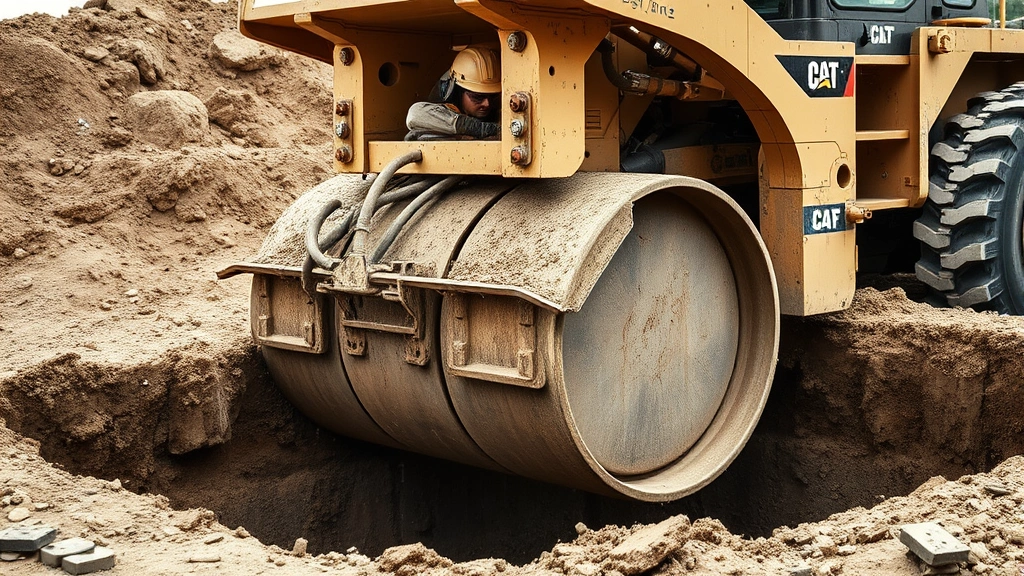
Compaction and Settling Phase (2-3 days): Proper soil compaction in layers prevents future settling. Rushing this phase creates future problems, so reputable contractors allocate adequate time.
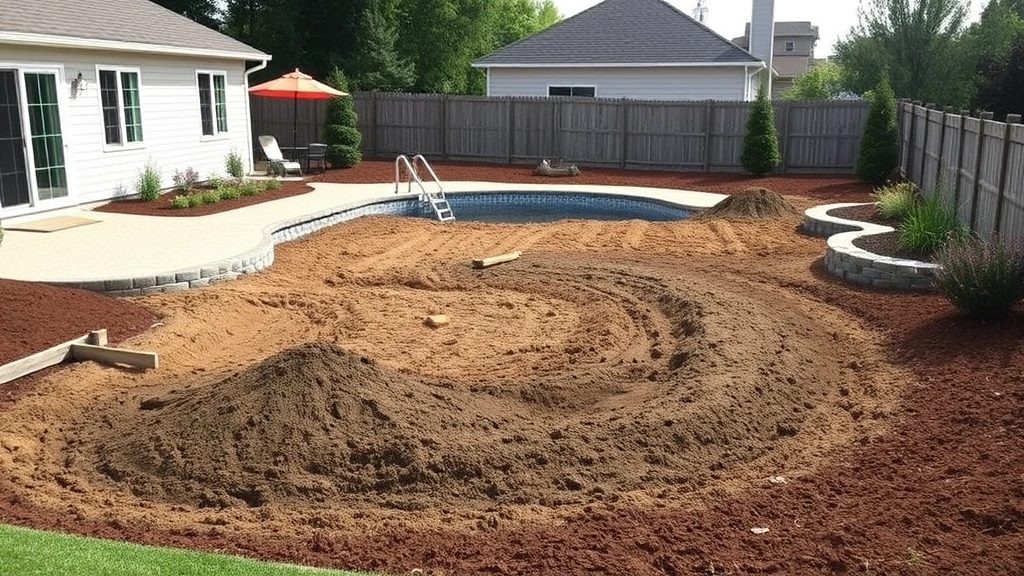
Site Restoration (2-5 days): Grade the filled area, add topsoil, seed or sod, and restore landscaping. This phase varies greatly depending on desired final appearance.
Final Inspection (1 day): Building department inspection and approval of completed work. This typically occurs within 1-2 weeks of project completion.
Total project duration typically ranges from 2-4 weeks from permit application to final inspection approval. Weather conditions, soil type, and contractor availability can extend this timeline significantly.
FAQ
What’s the average cost to fill in a residential pool?
Average costs range from $3,000 to $15,000 for residential pools. Vinyl pools cost less ($2,500-$6,000), fiberglass pools cost moderately ($3,000-$8,000), and gunite pools cost most ($5,000-$12,000). Your specific cost depends on size, location, soil conditions, and contractor expertise.
Can I fill a pool with just dirt?
No. Using only dirt creates settling, drainage problems, and potential flooding. Proper filling requires engineered backfill material in compacted layers, drainage systems, and sometimes geotextile fabrics. Cutting corners creates expensive problems within 1-3 years.
Will filling a pool affect my property value?
Properly filled pools can increase property value by eliminating maintenance costs and liability concerns, especially in areas where pools are less desirable. Improperly filled pools create value-reducing problems. Professional, permitted filling protects your investment.
How long does a filled pool area last?
Properly filled and compacted pools should remain stable for 20+ years. Improper filling causes settling within 1-5 years. The difference between quality work and shortcuts is measured in decades of property performance.
Can I build on a filled pool area?
Yes, if properly filled and compacted. Many homeowners convert filled pool areas into patios, gardens, or even pool house additions. Discuss future plans with your contractor so they can engineer the fill appropriately for your intended use.
Do I need a permit to fill my pool?
Yes, virtually all jurisdictions require permits for pool filling. Permits ensure proper procedures, protect your property, and prevent legal issues during future property sales. Unpermitted work can create serious complications.
What if my pool has a deep end?
Deeper sections require more fill material and careful compaction. The transition from deep to shallow areas must be properly graded to prevent settling differences. This adds complexity but increases costs by only $300-$800 typically.
Can I fill a pool in winter?
Weather affects project feasibility. Frozen ground complicates excavation and compaction. Wet conditions reduce equipment access and compaction effectiveness. Spring through fall offers optimal conditions. Winter filling may extend timelines or require specialized equipment, increasing costs 20-40%.


