DIY Shed Construction: Expert Cost Breakdown for Your Backyard Build
Building a shed is one of the most rewarding DIY projects you can tackle, combining practical utility with genuine accomplishment. Whether you need extra storage, a workshop, or a garden retreat, understanding the true cost of shed construction helps you plan accurately and avoid budget surprises. Unlike hiring contractors, a DIY approach gives you complete control over materials, design, and timeline—but it requires careful financial planning from the ground up.
This comprehensive guide breaks down every expense category, from foundation work to roofing materials, so you know exactly what to expect before you buy a single board. We’ll explore realistic pricing for different shed sizes, help you identify where you can save money without compromising quality, and show you which investments in materials and tools actually pay off in durability and longevity.
Foundation and Site Preparation Costs
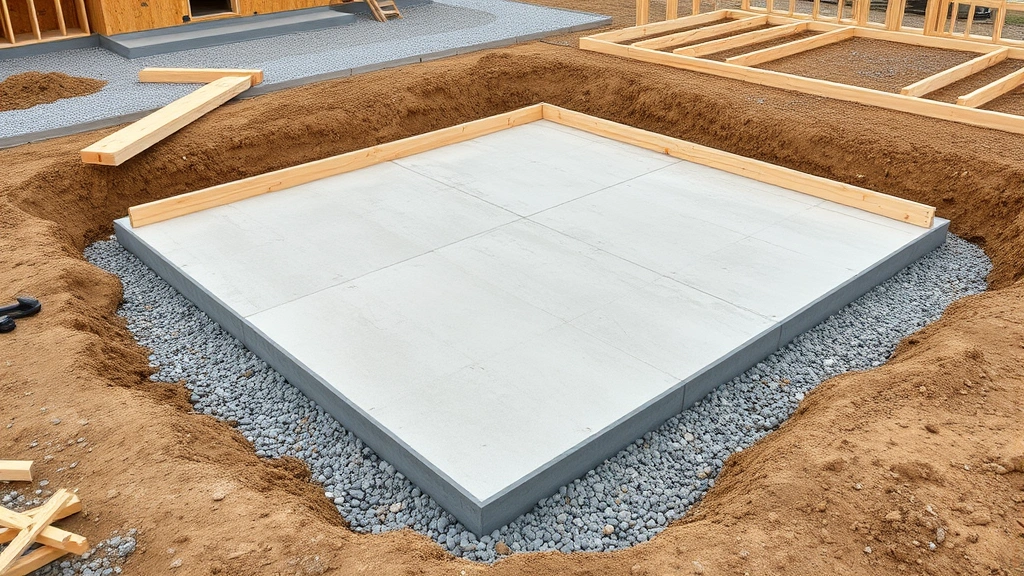
Your foundation is literally where everything else rests, making it one of the most critical investments in your shed project. The foundation type you choose dramatically affects both immediate costs and long-term durability. Most DIY builders choose between concrete pads, gravel beds, or concrete slabs, each with distinct price points and performance characteristics.
A simple gravel foundation costs $150–$300 for an 8×10 shed, making it the budget-friendly starter option. You’ll need landscape fabric, crushed stone, and proper leveling, but no specialized equipment. However, gravel requires annual maintenance and doesn’t prevent moisture from rising into your shed floor. For a 10×12 structure, expect to spend $200–$400 on materials alone.
Concrete pads offer superior protection at moderate cost. A 4×4 footer system (four concrete pads supporting corner posts) runs $300–$600 in materials, including concrete mix, gravel base, and post anchors. This approach works well for small to medium sheds and prevents frost heave in cold climates. You’ll need to rent a power mixer or hand-mix concrete, adding $30–$50 to your budget.
A full concrete slab provides maximum protection and a smooth work surface, costing $800–$2,000 for an 8×10 shed depending on local concrete prices and soil conditions. This option requires proper grading, rebar reinforcement, and finishing work. If your soil has poor drainage, you may need additional preparation costing $200–$500 more. Check concrete industry standards for proper specifications in your region.
Site preparation itself adds $100–$300 for clearing, leveling, and compacting the ground. Rent a plate compactor ($40–$60/day) to ensure a stable base that prevents settling and water pooling. Poor site prep leads to foundation failure, so this investment prevents expensive repairs later.
Framing Materials and Structure
Framing costs represent your largest single expense category, typically consuming 30–40% of your total budget. The quantity and quality of lumber directly impact both construction timeline and final durability. Standard 2×4 and 2×6 lumber forms the backbone of most shed frames, with prices fluctuating based on market conditions and wood species.
For an 8×10 shed with standard 16-inch on-center stud spacing, expect to purchase approximately 2,000–2,500 board feet of lumber. At current prices ($0.50–$1.50 per board foot depending on species and grade), framing lumber costs $1,000–$3,500. Pressure-treated lumber costs 20–30% more than standard pine but resists rot and insect damage dramatically better, justifying the premium for shed construction.
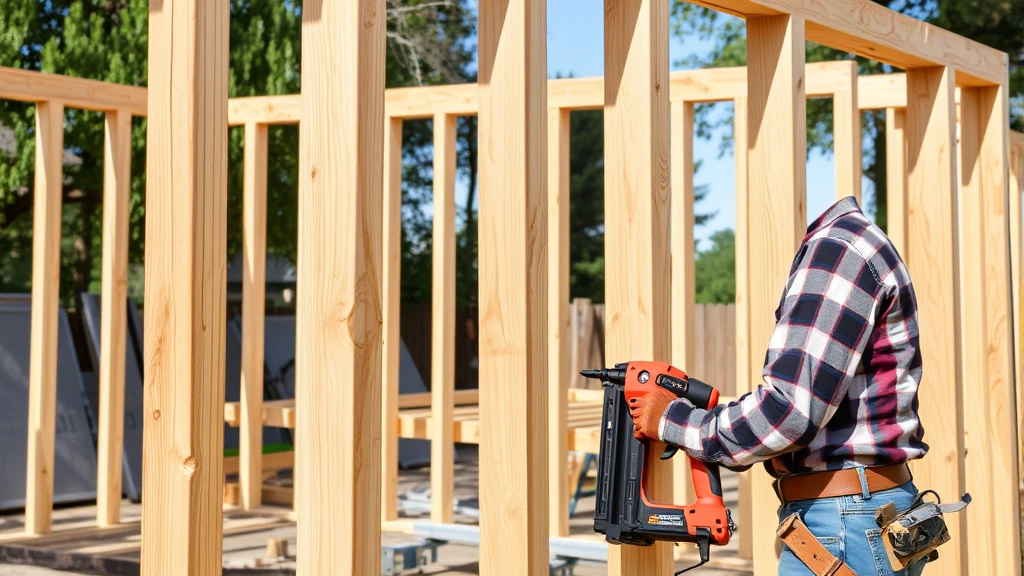
Wall framing requires top and bottom plates plus vertical studs spaced appropriately. A 10×12 shed needs roughly 40–50 studs, 200+ linear feet of plate stock, and substantial blocking material. Roof framing demands additional 2×6 or 2×8 rafters depending on your roof pitch and snow load requirements. Steeper roofs use more material but shed water and snow more effectively.
Consider your construction planning carefully before purchasing lumber. Take time to create detailed plans or purchase proven shed plans ($30–$100) that specify exact material quantities. This prevents costly overages and material waste. Premium plans include cutting lists and material calculators that save both money and frustration.
Door and window framing adds $100–$300 in additional lumber and hardware. Pre-hung doors cost $150–$400, while quality windows run $100–$300 each. These investments improve functionality and allow natural light, making your shed more usable year-round.
Roofing System Expenses
Your roof protects everything inside, making quality roofing materials essential rather than optional. Roofing costs typically range from $500–$2,000 depending on material choice, roof complexity, and shed dimensions. The most common options—asphalt shingles, metal roofing, and architectural shingles—each offer different benefits and price points.
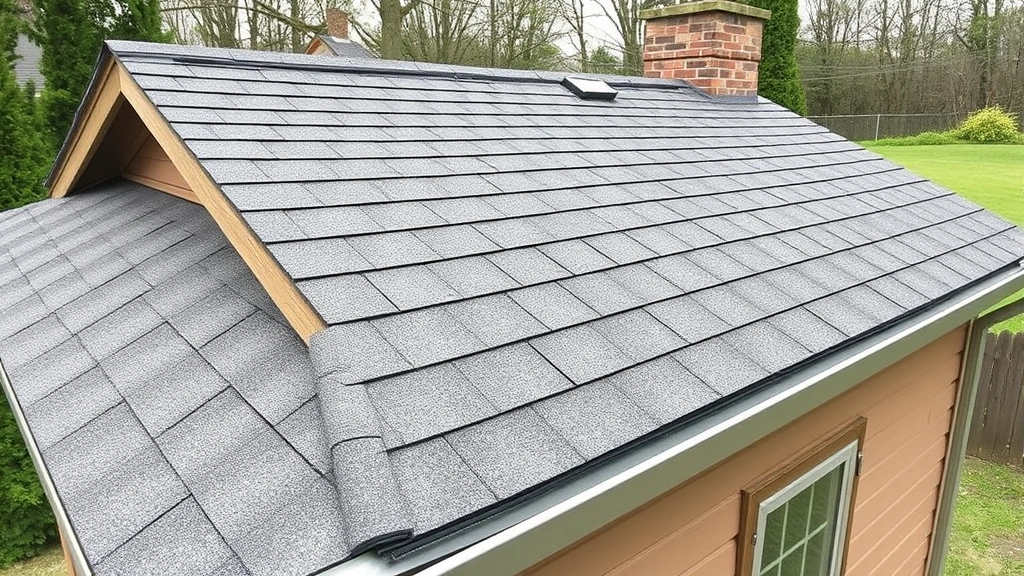
Asphalt shingles remain the most popular choice for budget-conscious builders. A basic 8×10 shed roof (approximately 1,000–1,200 square feet of roofing material including overhang) requires about 3–4 bundles of shingles costing $300–$500 total. Add underlayment ($0.10–$0.20 per square foot), drip edge, and nails for another $150–$250. Asphalt shingles last 15–20 years with minimal maintenance, making them reliable for most applications.
Metal roofing costs $1,000–$1,800 for the same shed size but offers superior longevity (40–50 years) and excellent water shedding. Metal panels resist wind damage and require less frequent replacement, offsetting higher initial costs over time. Standing seam metal roofing provides the most professional appearance at premium pricing ($1,500–$2,500 for 8×10).
Architectural shingles ($600–$900 for 8×10) offer enhanced aesthetics with improved durability compared to basic asphalt. They resist fading and provide better wind resistance, though they cost 20–40% more. For visible locations near your home, the improved appearance justifies the premium.
Roof ventilation and flashing protect against moisture damage and extend roof life. Budget $200–$400 for quality ridge vents, soffit vents, and metal flashing around penetrations. Proper ventilation prevents moisture accumulation that leads to premature shingle failure and structural rot.
Finishing Materials and Siding
Siding transforms your shed from a utilitarian structure into an attractive backyard addition. Siding choices range from budget-friendly to premium, with costs varying from $500–$2,500 for typical shed sizes. Your choice affects both aesthetics and maintenance requirements significantly.
Plywood siding offers the most economical option at $400–$800 for an 8×10 shed. Exterior-grade plywood resists weather damage and accepts paint or stain readily. This approach requires regular maintenance (repainting every 5–7 years) but provides a clean, modern appearance at reasonable cost. Seal all cut edges and fasteners to prevent water penetration that causes delamination.
Wooden board-and-batten siding creates rustic charm at $800–$1,500 for equivalent coverage. Cedar or pine boards cost more than plywood but age beautifully and develop character over time. This style complements traditional or cottage-style homes particularly well. However, wood siding demands consistent maintenance to prevent rot and insect damage.
Vinyl siding eliminates maintenance concerns while costing $1,000–$1,800 for complete coverage. Vinyl resists fading, weathering, and pest damage effectively. Quality vinyl siding lasts 20–30 years without painting or staining. While more expensive upfront, the maintenance savings and longevity often justify the investment for busy homeowners.
Fiber cement board siding ($1,500–$2,200) combines durability with authentic appearance. This material resists fire, rot, and insect damage while accepting paint colors beautifully. Fiber cement requires professional installation for optimal results, adding labor costs beyond material expenses.
Trim, fascia, and soffit materials add another $300–$600 to finishing costs. Quality trim prevents water intrusion at critical junctions and significantly improves curb appeal. Paint or stain application adds $200–$400 in materials and time depending on shed size and finish complexity.
Tools and Equipment Investment
Many DIY builders underestimate tool and equipment costs, discovering mid-project that essential tools are missing. While you may already own basic hand tools, shed construction requires specialized equipment that justifies rental rather than purchase for single projects. Budget $400–$800 for tool rental and specialized equipment over your project timeline.
A power miter saw ($50–$80/day rental) makes crosscutting lumber fast and accurate. A circular saw ($30–$50 to purchase) handles ripping and general cutting. A drill-driver combo kit ($80–$150 to purchase) proves invaluable for fastening and hole drilling. If you don’t own these basics, purchasing often costs less than renting for extended projects.
Specialized equipment rental includes a concrete mixer ($40–$60/day), plate compactor ($40–$60/day), and possibly a drywall lift if adding interior finishing. A power nailer ($30–$50/day) dramatically speeds roofing and siding installation. Scaffolding or work platforms ($50–$100/week) improve safety and efficiency for roof work.
Safety equipment represents non-negotiable costs: quality work gloves ($20–$40), safety glasses ($15–$30), dust masks ($10–$25), and a harness system for roof work ($100–$200). Proper safety gear prevents injuries that far exceed equipment costs.
Tool ownership decisions depend on your future DIY plans. If you anticipate additional projects, purchasing frequently makes financial sense. For one-time shed construction, rental provides flexibility and eliminates storage concerns. Compare total costs for your specific situation before deciding.
Permits and Building Codes Compliance
Permit requirements vary dramatically by jurisdiction, with some areas requiring permits for any structure exceeding 100 square feet, while others have more lenient regulations. Permit costs typically range from $50–$300 depending on your location and shed size. While tempting to skip permits, this creates serious problems: insurance claims may be denied, future home sales become complicated, and you face potential fines or demolition orders.
Obtain specific requirements from your local building department before purchasing materials. Many jurisdictions require compliance with International Building Code standards adapted for your region. Setback requirements (distance from property lines) affect placement and sometimes force design modifications.
Building inspections occur at foundation, framing, and completion stages typically. Inspectors verify proper construction methods, adequate structural support, and code compliance. While inspections seem like bureaucratic obstacles, they catch problems before they become expensive failures. An inspector might identify inadequate ventilation, improper fastening, or structural weaknesses that would cause long-term problems.
Snow load requirements vary geographically—areas receiving heavy snow need stronger roof framing and different slope angles. Wind resistance standards differ in coastal regions. Seismic requirements affect construction in earthquake zones. These aren’t arbitrary restrictions but proven safety measures based on regional conditions. Budget for any required structural upgrades before finalizing your design.
Cost Comparison by Shed Size
Understanding typical costs for different shed sizes helps you plan realistically and compare options. These estimates include basic materials for a functional storage shed with standard roofing, siding, and door—not premium finishes or specialized features.
8×8 Shed (64 square feet): $2,500–$4,500 total. This compact size works well for garden tool storage or small equipment. Foundation costs remain reasonable, and roofing materials minimize waste. Limited interior space restricts functionality compared to larger options.
8×10 Shed (80 square feet): $3,500–$6,000 total. This popular size offers practical storage with reasonable material costs. Foundation expenses remain moderate, and roof complexity stays straightforward. Most standard shed plans target this size range.
10×12 Shed (120 square feet): $5,000–$8,500 total. This size accommodates workshop activities, equipment storage, or hobby spaces. Foundation costs increase noticeably, and framing material quantities jump significantly. Roof complexity may increase if adding ventilation or windows.
12×16 Shed (192 square feet): $7,500–$12,000 total. Larger sheds require more substantial framing and foundations. Material costs scale linearly, but per-square-foot costs often decrease due to reduced waste. Permit requirements may change at this size in some jurisdictions.
These estimates assume standard construction methods, basic finishes, and moderate-quality materials. Premium finishes, electrical systems, or specialized features increase costs significantly. A workshop shed with electrical service might add $1,000–$2,500. Adding insulation and heating capability pushes costs into the $10,000–$15,000 range.
Money-Saving Strategies Without Sacrificing Quality
Smart shopping and planning reduce costs substantially without compromising durability or safety. These strategies help you maintain quality while respecting your budget constraints.
Purchase materials strategically: Buy lumber during off-season sales (late fall/winter) when prices drop 15–25%. Compare prices across multiple suppliers—big-box stores, lumberyards, and specialty suppliers often have different pricing. Some lumberyards offer volume discounts for large purchases or contractor accounts. Join contractor programs if available; membership sometimes pays for itself through discounts.
Simplify your design: Complex roof lines, multiple angles, and decorative elements increase costs and construction time significantly. A simple rectangular design with a standard roof pitch minimizes material waste and fastens construction. You can always add character through paint color or trim details rather than structural complexity.
Utilize salvaged materials: Reclaimed doors, windows, and siding from deconstruction sites or salvage yards reduce material costs 30–50%. Ensure salvaged materials are structurally sound and compatible with your design before committing. Avoid salvaged roofing materials or structural components where durability is critical.
Phase your project: Complete basic structure first, then add finishing touches over time. This spreads costs across multiple budget periods and lets you prioritize critical expenses. A functional shed without paint is better than an incomplete painted project.
DIY what you can: Tasks like site preparation, painting, and basic demolition save hundreds in labor costs when you handle them yourself. Hire professionals only for specialized work like electrical installation or complex roof framing if needed. This balanced approach maximizes your effort where it matters most.
Negotiate material delivery: Many suppliers offer free or reduced-cost delivery for large purchases. Consolidating orders and timing delivery strategically saves money on multiple trips. Some suppliers provide bulk discounts that offset delivery costs entirely.
FAQ
What’s the average total cost for a basic 8×10 DIY shed?
A basic 8×10 shed typically costs $3,500–$6,000 in materials using standard construction methods. This includes foundation, framing lumber, roofing, siding, and basic hardware. Costs vary based on material quality, local lumber prices, and whether you already own necessary tools. Premium materials or specialized features increase costs substantially.
Can I build a shed for under $2,000?
Building a functional shed under $2,000 requires significant compromises. You could construct a very small (6×8) structure using budget materials, salvaged components, and minimal finishing. This approach works for temporary storage but may not withstand weather effectively long-term. A more realistic budget-friendly approach targets $2,500–$3,500 for a durable 8×8 structure.
Should I invest in pressure-treated lumber?
Yes, pressure-treated lumber justifies its 20–30% premium for shed construction. Regular lumber rots within 5–10 years when exposed to ground moisture, while pressure-treated lumber lasts 20–40 years. This longevity makes pressure-treated lumber cost-effective despite higher upfront expense. Use pressure-treated material for all contact with soil or concrete.
Do I need a building permit for my shed?
Permit requirements vary by jurisdiction but generally apply to structures over 100–120 square feet. Check your local building department’s regulations before starting. Permits ensure code compliance and protect your investment. Skipping permits creates insurance, resale, and legal problems that far exceed permit costs.
What’s the most cost-effective roofing material?
Asphalt shingles offer the best balance of cost and durability for most sheds. They cost $300–$500 for an 8×10 shed and last 15–20 years. While metal roofing costs more upfront ($1,000–$1,800), its 40–50 year lifespan makes it cost-effective over decades. Choose based on your timeline and maintenance preferences.
How much should I budget for tools if I don’t own any?
Budget $400–$800 for essential tool rental and basic tool purchases. A miter saw, circular saw, and drill-driver combo cost $150–$300 to purchase, while renting specialized equipment (concrete mixer, compactor, power nailer) adds $200–$400. If you plan future projects, purchasing often proves more economical than renting.
Can I reduce costs by using alternative materials?
Yes, strategic material choices reduce costs without sacrificing durability. Use plywood siding instead of board-and-batten ($400–$800 savings), choose asphalt shingles over premium metal roofing ($800–$1,200 savings), and simplify your design to reduce framing lumber needs. These changes can reduce total project costs 20–30% while maintaining functionality.
What ongoing maintenance costs should I expect?
Maintenance costs depend on material choices. Plywood or wooden siding requires repainting every 5–7 years ($200–$400). Vinyl or fiber cement siding needs minimal maintenance ($50–$100 annually for cleaning). Roofing inspections and minor repairs cost $100–$300 yearly. Budget 1–2% of your initial construction cost annually for maintenance.


