Tattoo Removal Cost: Expert Insights Inside
Tattoo removal has become increasingly accessible over the past decade, with advanced laser technology and professional dermatological services making it a realistic option for those seeking to erase unwanted ink. However, understanding the true cost of tattoo removal requires examining multiple factors that influence pricing, from the size and complexity of your tattoo to the technology used and your geographic location. Whether you’re considering removal for personal reasons or preparing for a fresh start, knowing what to expect financially can help you make an informed decision.
The average cost of professional tattoo removal ranges from $200 to $10,000 or more, depending on various circumstances. Unlike a one-time procedure, most tattoos require multiple sessions spaced weeks or months apart to achieve complete removal. This article breaks down the real costs involved, explores different removal methods, and provides expert guidance to help you understand your options and budget accordingly.
Factors Affecting Tattoo Removal Costs
The price you’ll pay for tattoo removal depends on numerous interconnected factors. Understanding each element helps you anticipate expenses and compare quotes from different providers. The primary cost drivers include tattoo size, ink colors, skin tone, tattoo age, and the technology selected for treatment.
Tattoo size is perhaps the most significant cost factor. Removal specialists typically charge per square inch or use a tiered pricing system based on dimensions. A small tattoo measuring 1-2 square inches might cost $100-$300 per session, while a medium tattoo (2-6 square inches) ranges from $250-$800 per session. Large tattoos covering significant body areas can exceed $1,000-$3,000 per treatment session. Professional tattoo removal clinics often provide free consultations where they assess your specific tattoo and provide detailed pricing estimates.
Ink color complexity significantly impacts removal difficulty and cost. Black and dark blue inks respond most readily to laser treatment because they absorb laser energy efficiently. Red, orange, and yellow inks require specialized wavelengths and typically cost more to remove. Professional-grade inks used by skilled tattoo artists often prove more challenging to remove than amateur work, paradoxically increasing removal expenses. Multi-colored tattoos require multiple laser wavelengths, necessitating more sessions and higher overall costs.
Your skin tone affects pricing because darker skin requires different laser settings and carries higher risks of complications. Specialists experienced in treating diverse skin tones may charge premium rates due to their specialized expertise. Additionally, the location of your tattoo on your body influences cost. Tattoos on areas with better blood circulation (like the arm) typically remove faster and cheaper than those on areas with slower circulation (like the ankle or foot).
Tattoo age surprisingly affects removal cost. Older tattoos with faded ink actually remove more easily and quickly, reducing the number of sessions needed. Newer tattoos with vibrant, saturated ink require more treatments, increasing total expenses. This counterintuitive factor means patience can literally save you money—waiting a few years before pursuing removal might reduce your ultimate treatment costs.
When planning your removal budget, also consider that home preparation and aftercare requires proper wound care supplies, though these represent minor expenses compared to the removal procedures themselves.
Laser Removal: The Gold Standard Method
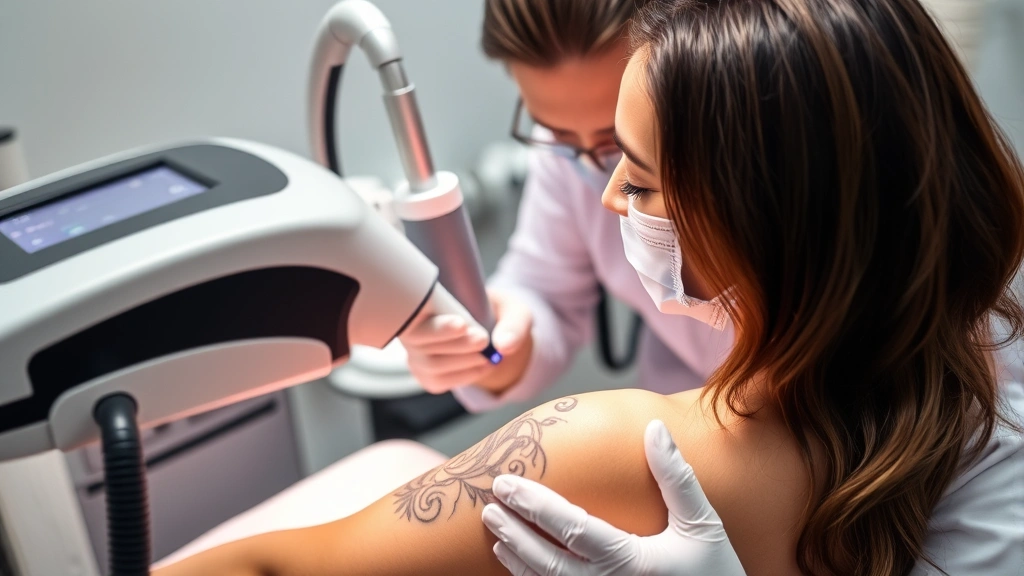
Q-switched laser technology dominates the professional tattoo removal market and represents the most effective, safest option available. These specialized lasers emit extremely short, high-intensity light pulses that break ink particles into fragments small enough for your body’s immune system to eliminate naturally. Different laser wavelengths target different ink colors, with most clinics maintaining multiple laser systems to address the full spectrum of tattoo inks.
The most common laser types include Nd:YAG lasers (1064 nanometers), which penetrate deeply and work best on black, dark blue, and dark green inks; Ruby lasers (694 nanometers), effective on green and purple inks; and Alexandrite lasers (755 nanometers), which handle red, orange, and yellow inks. Picosecond lasers represent the latest technology advancement, delivering energy in trillionths of a second rather than billionths, allowing faster removal with fewer sessions. Picosecond laser treatments typically cost 20-40% more per session but may reduce total treatment duration by 30-50%.
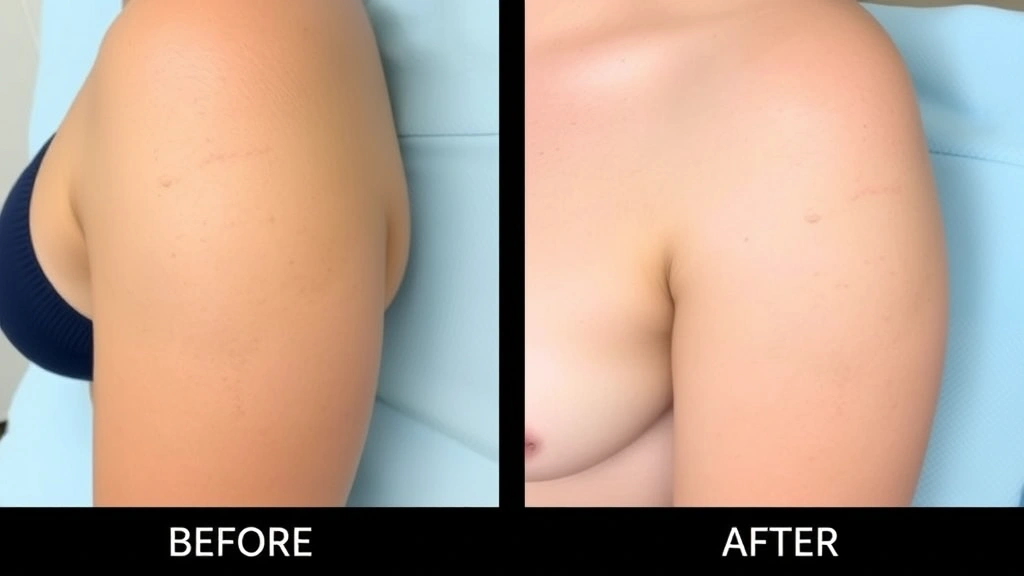
A typical laser removal treatment costs $250-$1,200 per session, depending on tattoo size and complexity. Most tattoos require 6-12 sessions, though some large or heavily saturated pieces need 15-20 treatments. Sessions must be spaced 6-8 weeks apart to allow your body time to process the fragmented ink particles. This means complete removal often takes 12-24 months from start to finish, representing a significant time commitment alongside financial investment.
Professional clinics should use FDA-approved equipment and employ licensed dermatologists or specialized technicians. According to the American Academy of Dermatology, seeking treatment from board-certified dermatologists significantly reduces complications and improves removal outcomes. Cheaper clinics using outdated equipment or untrained staff risk poor results, scarring, and infection.
Laser removal causes minimal scarring when performed correctly, though some risk exists, particularly for those prone to keloid scarring. The procedure feels like tiny rubber bands snapping against skin, causing discomfort but not typically requiring anesthesia. Topical numbing cream usually suffices, though larger tattoos sometimes benefit from local anesthetic injection. After treatment, skin appears red and may blister slightly—normal healing responses that resolve within 1-2 weeks.

Alternative Removal Techniques
While laser removal dominates the market, several alternative methods exist, each with distinct advantages, limitations, and cost profiles. Understanding these options helps you make informed decisions and potentially identify more affordable solutions for your specific situation.
Surgical excision involves cutting out the tattooed skin and stitching the surrounding skin together. This method works best for small tattoos and offers permanent, immediate results without multiple sessions. Costs range from $150-$500 depending on size and complexity. However, surgical removal always leaves a scar, sometimes more noticeable than the original tattoo. This method suits small, easily concealable tattoos but proves impractical for large pieces. Your primary care physician or dermatologist can typically perform this procedure in an office setting.
Chemical peels and dermabrasion mechanically remove or chemically burn away tattooed skin layers. These methods prove less effective than laser treatment, often producing incomplete removal and significant scarring. Costs range from $100-$400 per session, but typically require many more sessions than laser removal. Most dermatologists no longer recommend these techniques given superior alternatives available.
Tattoo removal creams advertise as budget-friendly solutions, typically costing $20-$100 per tube. However, scientific evidence demonstrates these creams rarely achieve complete removal. They may fade tattoos slightly but cannot penetrate deeply enough to fragment ink particles effectively. The FDA has not approved any tattoo removal cream, and some contain potentially harmful ingredients. While tempting due to low upfront cost, these products generally waste money and time.
Saline injection removal involves injecting sterile saline solution into tattooed skin, causing it to scab and peel away. This method costs $100-$300 per session but requires numerous treatments and produces unpredictable results. Risk of scarring and infection is higher than with laser treatment. This technique works better for permanent makeup removal than traditional tattoos.
Picoway and similar advanced laser systems represent the newest technology frontier. These systems use picosecond pulses instead of nanosecond pulses, fragmenting ink more effectively and requiring fewer sessions. Costs run $300-$1,500 per session, higher than traditional lasers, but total treatment duration and session count decrease significantly. For those seeking faster results, the premium investment may prove worthwhile.
Geographic and Clinic Variations
Tattoo removal pricing varies dramatically based on geographic location and clinic prestige. Urban centers with high cost of living typically charge 30-50% more than rural areas. New York City, Los Angeles, and Miami clinics may charge $800-$1,500 per session, while smaller cities might offer comparable services for $300-$600 per session.
Clinic reputation and specialist experience significantly impact pricing. Board-certified dermatologists with years of removal experience typically charge premium rates but deliver superior results and safer treatments. Newer clinics or those staffed by less experienced technicians offer lower rates but carry higher complication risks. When budgeting for removal, investing in experienced professionals often proves more cost-effective than pursuing cheaper options that may require additional corrective treatments.
Geographic variation also reflects state regulatory differences. Some states require dermatologist oversight, limiting which clinics can operate and affecting competitive pricing. Insurance coverage varies by state and provider, influencing out-of-pocket costs for some patients. Researching local regulations and insurance policies specific to your location helps you understand true total costs.
Insurance and Payment Options
Most health insurance plans classify tattoo removal as cosmetic and deny coverage. However, exceptions exist if removal is medically necessary—for example, if a tattoo causes allergic reactions, contains toxic inks, or was applied non-consensually. Documenting medical necessity requires dermatological evaluation and documentation. Some patients successfully appeal denials by providing medical evidence, though this remains uncommon.
Many clinics offer payment plans and financing options to make removal more affordable. Care Credit and similar medical financing services allow spreading costs over 12-36 months, sometimes with zero interest if paid within promotional periods. Monthly payments might range from $50-$300 depending on total cost and financing term selected. This approach makes removal financially manageable for those unable to pay large lump sums upfront.
Package discounts often apply when prepaying for multiple sessions. Clinics might offer 10-20% discounts for purchasing 6-12 session packages upfront. While this requires larger initial investment, it reduces per-session costs and ensures treatment continuation. Some clinics offer seasonal promotions or discounts for multiple referrals.
Before committing financially, obtain written quotes from multiple clinics detailing the estimated number of sessions, cost per session, total projected expense, and any package discounts available. Compare quotes carefully, but remember that the cheapest option isn’t always the best—experienced professionals and quality equipment justify higher costs through superior results and safety.
Like planning other home improvement projects from DIY house painting to home security installation, proper budgeting for tattoo removal prevents financial surprises and enables successful completion of your removal journey.
FAQ
How many sessions does tattoo removal typically require?
Most tattoos require 6-12 sessions for substantial fading or complete removal. However, size, ink color, and individual skin response affect this significantly. Small black tattoos might clear in 4-6 sessions, while large multi-colored pieces may need 15-20 treatments. Your dermatologist can provide personalized estimates after evaluating your specific tattoo.
Is tattoo removal painful?
Laser removal causes discomfort similar to rubber band snaps against skin but rarely requires anesthesia. Topical numbing cream usually suffices for smaller tattoos. Larger pieces may benefit from local anesthetic injection. Pain is generally tolerable and brief—lasting only seconds per treatment. Aftercare discomfort is minimal, with most people returning to normal activities immediately.
Can all tattoo colors be removed?
Black and dark blue inks remove most easily and completely. Red, orange, and yellow inks require specialized laser wavelengths and often need more sessions. White and flesh-tone inks prove most difficult, sometimes resisting complete removal. Professional assessment determines realistic removal expectations for your specific ink colors.
What’s the difference between laser removal and cream removal?
Laser removal uses focused light energy to fragment ink particles, allowing your immune system to eliminate them. This proven method achieves 75-95% removal depending on factors. Tattoo removal creams lack scientific evidence and FDA approval, typically producing minimal fading without complete removal. Laser treatment represents the gold standard; creams generally waste money.
Will my skin scar after removal?
Professional laser removal rarely causes scarring when performed by experienced dermatologists on appropriate skin types. Some risk exists, particularly for those prone to keloid scarring or those with darker skin tones. Surgical excision always creates a scar. Proper aftercare significantly reduces scarring risk. Discuss your specific risk factors during consultation.
How long until I see results?
Fading typically becomes visible 4-6 weeks after treatment as your body processes fragmented ink. Dramatic improvement appears after 2-3 sessions for most people. Complete removal takes months to years depending on tattoo characteristics and session frequency. Patience is essential—rushing sessions by scheduling too closely can increase complications without improving results.


