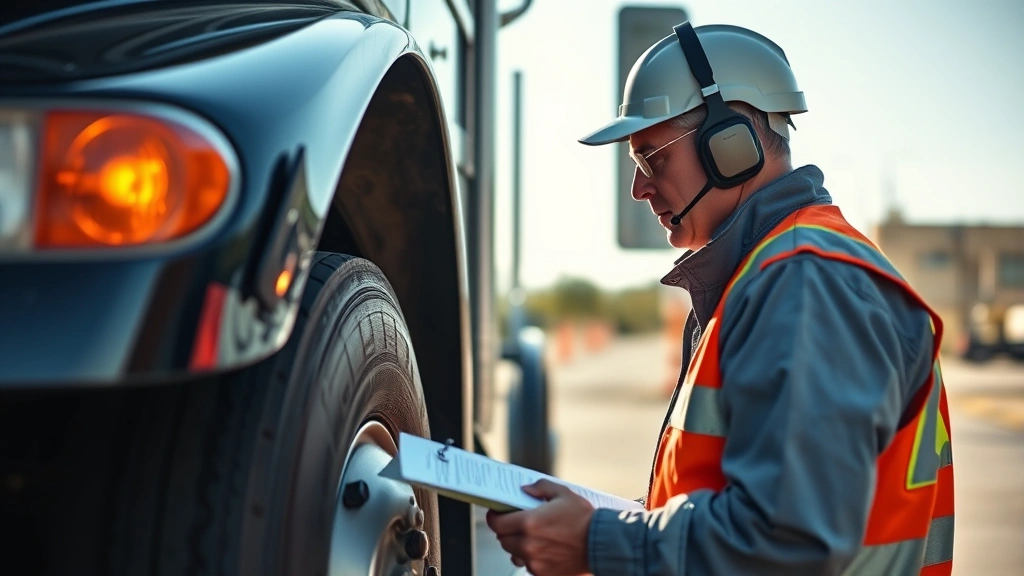
DIY Vehicle Conversion? License Cost Breakdown
Converting a vehicle for commercial use—whether it’s a box truck, van, or pickup—requires more than just tools and ambition. One critical factor many DIY enthusiasts overlook is the Commercial Driver’s License (CDL), which can significantly impact both the legality and cost of your project. Understanding how much it costs to get your CDL license is essential before you invest thousands in vehicle modifications.
If you’re planning to haul cargo, transport passengers, or operate a vehicle above certain weight thresholds, federal and state regulations mandate proper licensing. This comprehensive guide breaks down every expense associated with obtaining a CDL, explores whether your DIY conversion actually requires one, and helps you budget realistically for this often-unexpected cost.
Many DIYers discover too late that their beautiful custom build doesn’t meet legal operating standards. By planning ahead and understanding CDL requirements, you’ll avoid costly mistakes and ensure your vehicle conversion is both roadworthy and compliant with transportation regulations.
Do You Actually Need a CDL for Your Vehicle Conversion?
Before spending money on a CDL, determine whether your specific vehicle conversion actually requires one. The Federal Motor Carrier Safety Administration (FMCSA) sets federal standards, but state regulations vary. Generally, you need a CDL if your vehicle’s Gross Vehicle Weight Rating (GVWR) exceeds 26,001 pounds, or if you’re transporting hazardous materials or more than 15 passengers.
However, some DIY conversions fall into gray areas. A converted camper van might not require a CDL if it’s for personal use, but the same vehicle used for commercial purposes could require one. Similarly, if you’re converting a vehicle to haul your own equipment for a contracting business, licensing requirements depend on the vehicle’s weight and cargo type.
Review your state’s Department of Motor Vehicles (AAMVA member organization) guidelines and consult with your local DMV before proceeding. This free consultation can save you thousands in unnecessary training and licensing fees.
CDL License Exam Costs and Fees
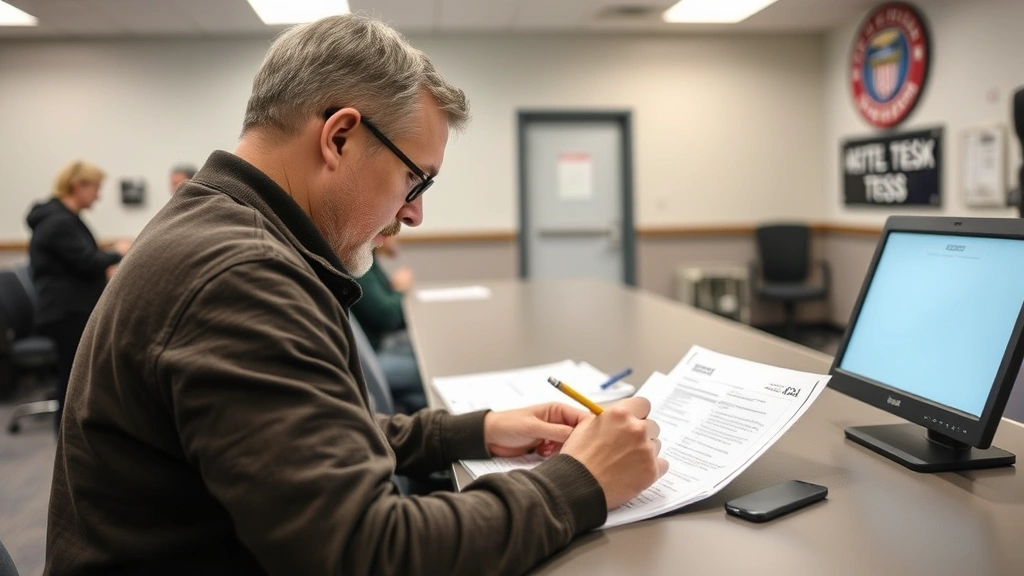
The most straightforward CDL expense is the written and practical exam fee charged by your state’s DMV. These costs vary significantly:
- Written Knowledge Test: $10–$50 per attempt
- Practical Skills Test (behind-the-wheel): $50–$150 per attempt
- CDL License Issuance Fee: $25–$150 for the initial license
- Renewal Fees: $25–$100 every 4–8 years depending on your state
Most states allow three attempts at the written exam before requiring retesting, so budget for potential retakes. The practical exam typically requires you to bring a vehicle that matches your conversion’s specifications, adding logistical complexity to your DIY project timeline.
If you’re working on a comprehensive vehicle renovation project, coordinate your testing schedule to align with when your conversion is mechanically sound and inspection-ready. Some DIY builders delay their practical exam until the vehicle is fully operational.
Training Program Expenses
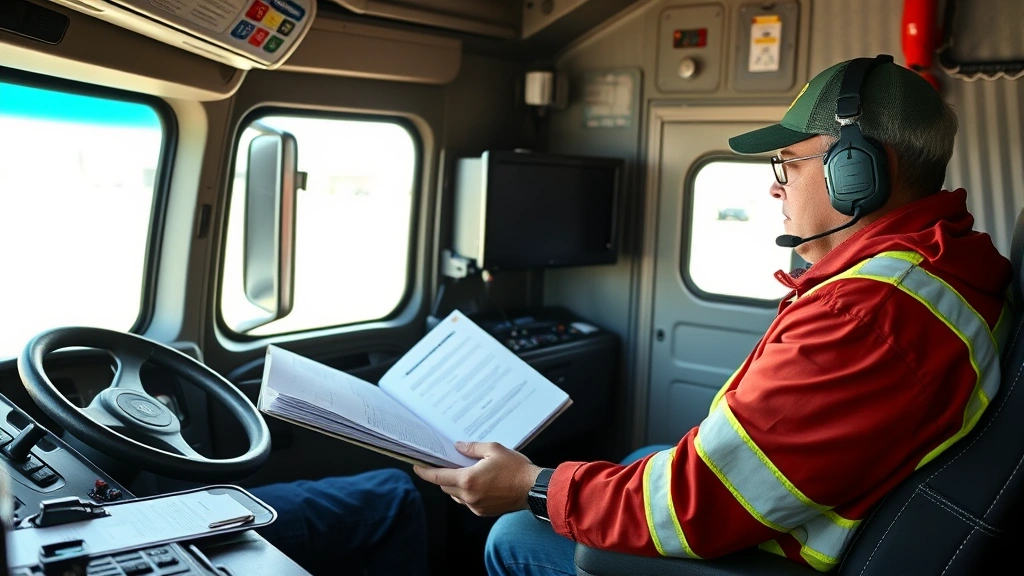
While not legally required in all states, most CDL applicants benefit from formal training programs. These courses range from budget-friendly to premium options:
- Community College Programs: $3,000–$7,000 for comprehensive 4–8 week courses including classroom instruction and behind-the-wheel training
- Private CDL Schools: $3,500–$8,000 for accelerated 3–5 day intensive courses
- Online Theory Components: $500–$1,500 for self-paced digital learning platforms
- Local Truck Driving Schools: $2,000–$5,000 for part-time evening/weekend programs
Training programs significantly improve your first-attempt pass rate on both written and practical exams. Statistically, self-study applicants have roughly 40–50% failure rates, while trained applicants achieve 70–85% pass rates. When you factor in retesting fees and the time investment, formal training often pays for itself.
Many programs offer payment plans or financing options. Some employers and workforce development agencies provide grants or subsidies if you’re transitioning into commercial driving. If your career path involves professional vehicle operation, investing in quality training is worthwhile.
“/>
Medical Certification and Background Checks
Before operating a commercial vehicle, you must pass a Department of Transportation (DOT) physical exam. This is non-negotiable and carries specific costs:
- DOT Physical Exam: $100–$250 at certified medical examiners
- Vision and Hearing Tests: Often included in the physical but may cost $25–$75 separately
- Background Check Processing: $25–$100 depending on state
- Hazmat Endorsement Background Check (if applicable): $75–$150 additional
Your medical certification is valid for two years, after which you’ll need renewal exams. Certain medical conditions—sleep apnea, diabetes, cardiovascular disease—require more extensive evaluation and may increase costs. If you have pre-existing conditions, consult with a DOT-certified medical examiner early to understand potential expenses.
The background check examines your driving record, criminal history, and previous employment. Any violations or accidents will be flagged and could delay your CDL approval or require additional documentation. This process typically takes 1–3 weeks, so factor it into your project timeline.
Endorsements and Specialty Licenses
Your basic CDL might not cover all vehicle conversion scenarios. Additional endorsements increase licensing costs but enable broader operational capabilities:
- Hazmat Endorsement (H): $75–$150 additional fee, required if transporting hazardous materials
- Passenger Endorsement (P): $50–$100 for transporting 16+ passengers
- Tanker Endorsement (T): $50–$100 for liquid cargo transport
- Doubles/Triples Endorsement (D): $50–$100 for towing multiple trailers
- School Bus Endorsement (S): $50–$100 with additional background checks
If your DIY conversion involves transporting hazardous materials—even for your own business—the hazmat endorsement is mandatory. This requires additional training, fingerprinting, and TSA background clearance, adding $200–$400 to your total CDL costs.
“/>
State-Specific Variations in CDL Costs
CDL expenses vary dramatically by state. Here’s a breakdown of typical total costs by region:
- Low-Cost States (CA, TX, FL): $150–$400 for exams and licensing alone
- Mid-Range States (NY, IL, OH): $200–$600 for exams and licensing
- High-Cost States (MA, NJ, VT): $300–$800 for exams and licensing
When combined with training programs, your total investment ranges from $2,000–$8,500 depending on your state and whether you pursue formal education. Some states offer reciprocity agreements, allowing you to transfer your CDL if you relocate, while others require complete retesting.
If you’re planning a vehicle conversion for business purposes, check whether your state offers any small business grants or workforce development funding for licensing. Some states provide reimbursement for CDL training as part of economic development initiatives.
The American Association of Motor Vehicle Administrators (AAMVA) maintains detailed state-by-state requirements and fee schedules. Visiting your specific state’s DMV website ensures you have current, accurate pricing before budgeting for your conversion project.
Hidden Costs and Timeline Considerations
Beyond obvious exam and training fees, several hidden expenses often surprise DIY vehicle converters:
- Vehicle Pre-Trip Inspection Preparation: $200–$500 if your conversion requires mechanical work to pass inspection standards
- Insurance Premium Increases: Commercial vehicle insurance costs 2–3x more than personal vehicle insurance, adding $1,500–$4,000 annually
- Vehicle Registration Changes: Converting to commercial registration may increase annual registration fees by $100–$500
- Retesting Fees: Each failed exam attempt costs $50–$150, and many first-time applicants require retakes
- Document Processing: Obtaining certified copies of records, birth certificates, and prior employment history can cost $50–$200
Timeline is another hidden cost factor. If your CDL application is delayed, you might miss seasonal business opportunities or miss windows for using your converted vehicle. Plan for 2–4 months from initial application to approved license in most states.
Unlike a typical home security upgrade project, CDL licensing cannot be rushed. Expect delays during high-volume periods (spring and summer when many people pursue CDLs) and budget extra time accordingly.
Your converted vehicle must also meet all mechanical and safety standards for commercial operation. This might require additional modifications beyond your original DIY plans, adding $500–$2,000 to your total project cost. Have a certified inspector evaluate your conversion before investing in licensing to avoid discovering disqualifying issues after paying exam fees.
Frequently Asked Questions
How much does it cost to get your CDL license in 2024?
Total CDL costs range from $2,000–$8,500 including exam fees ($150–$400), training programs ($2,000–$8,000), medical certification ($100–$250), and background checks ($25–$100). Costs vary significantly by state and whether you pursue formal training.
Can I get a CDL without attending a training school?
Yes, most states allow self-study CDL applicants. However, self-study significantly increases failure rates. You’ll need to study for written exams independently and arrange your own behind-the-wheel practice, which is challenging without professional instruction. Budget extra money for retesting if pursuing this route.
How long does it take to get a CDL?
Timeline ranges from 3–8 weeks depending on training duration and state processing times. Intensive private schools complete training in 3–5 days, while community college programs span 4–8 weeks. Add 2–4 weeks for application processing and background checks.
Do I need a CDL for a converted RV or camper van?
It depends on the vehicle’s GVWR and intended use. Personal-use RVs typically don’t require a CDL regardless of size, but commercial use (rental, tour business, freight) requires one if the GVWR exceeds 26,001 pounds. Consult your state’s DMV for specific guidance on your conversion.
What if I fail the CDL practical exam?
You can retake the practical exam after paying the testing fee again ($50–$150). Most people pass on their second attempt if they’ve completed formal training. Budget for potential retakes in your overall project timeline and costs.
Does my CDL require renewal?
Yes, CDLs require renewal every 4–8 years depending on your state. Renewal costs $25–$100 and requires passing a medical certification exam. Factor recurring renewal costs into your long-term vehicle operation budget.


