Septic Tank Install Costs: Expert Breakdown
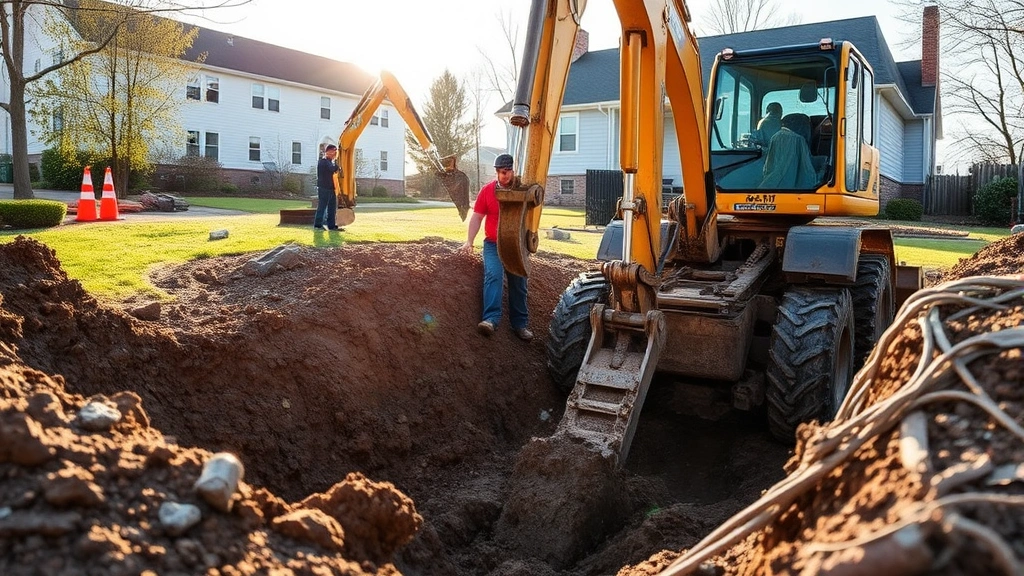
Installing a septic system is one of the most significant investments you’ll make for a property without municipal sewer access. Understanding the true cost of septic tank installation helps homeowners budget appropriately and avoid financial surprises. The average septic tank installation costs between $3,000 and $25,000, though this figure varies dramatically based on location, soil conditions, tank size, and system complexity.
Whether you’re building a new home in a rural area or upgrading an existing system, knowing what drives these costs empowers you to make informed decisions. This comprehensive guide breaks down every expense category, from permits to labor, and explains how different variables affect your final bill. We’ll also explore financing options and ways to minimize costs without compromising system integrity.
Understanding Septic System Basics
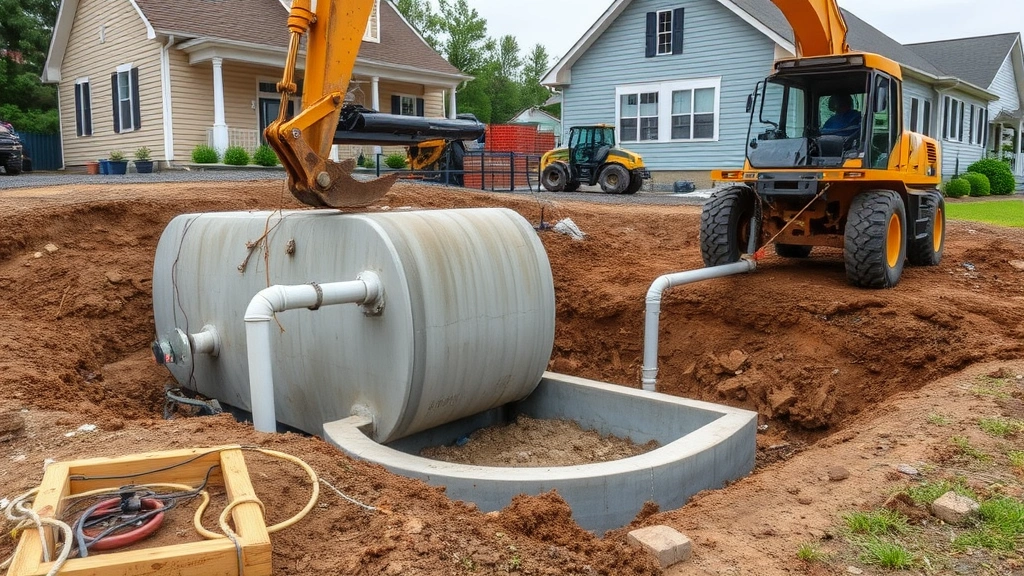
A septic system treats household wastewater on-site through a series of biological and mechanical processes. The system consists of the septic tank itself, a drain field (also called leach field), and connecting pipes. Before diving into costs, understanding these components helps you appreciate why installation requires significant investment and professional expertise.
The septic tank is a buried container that separates solid waste from liquid effluent. Bacteria break down solids while liquid flows into the drain field, where soil naturally filters contaminants. This decentralized approach to wastewater treatment requires careful site selection, proper sizing, and compliance with ICC building codes and local health department regulations.
Your specific installation needs depend on several factors: property size, household occupancy, soil composition, groundwater depth, and local environmental regulations. A small system for a two-bedroom cabin differs dramatically from a system serving a five-bedroom home with multiple bathrooms. Understanding these distinctions helps explain cost variations you’ll encounter during the estimation process.
Average Septic Tank Installation Costs
National averages for complete septic system installation range from $3,000 to $25,000, with most homeowners spending $5,000 to $15,000. This wide range reflects the diversity of installation scenarios across different regions and property types. A basic system for a small property might cost $3,500, while a complex installation with challenging soil conditions could exceed $20,000.
Breaking this down further, the septic tank itself typically costs $1,200 to $3,500 depending on material and capacity. A standard 1,000-gallon concrete tank runs $1,200 to $2,000, while plastic tanks cost slightly less. The drain field installation, usually the most expensive component, ranges from $2,000 to $10,000 based on size and soil conditions.
When planning your budget for bathroom additions or other plumbing-intensive projects, factor in potential septic system upgrades. Older systems may need replacement or expansion to handle increased water usage, adding unexpected costs to renovation projects.
Additional costs include excavation ($500-$3,000), gravel and fill materials ($300-$1,500), piping ($500-$2,000), and inspection fees ($200-$500). Labor typically represents 40-60% of total installation costs, making professional expertise essential for system longevity and regulatory compliance.
Labor and Professional Installation Expenses
Professional installation labor constitutes a substantial portion of your total septic system cost. Experienced septic contractors charge $50 to $150 per hour, with complete installation typically requiring 3 to 5 days of work. For a standard installation, expect labor costs between $1,500 and $5,000.
Why does professional installation matter? Septic systems require precise placement, proper slope for gravity flow, correct depth below frost lines, and adequate distance from wells and property lines. Mistakes in these critical areas result in system failure, environmental contamination, and expensive repairs. Licensed contractors carry liability insurance and guarantee their work, providing protection unavailable with DIY approaches.
Your contractor should be certified by your state’s health department and carry appropriate licensing. The National Association of Wastewater Transporters maintains directories of qualified professionals. When obtaining quotes, verify that contractors include site layout planning, system design, installation supervision, and final inspection coordination.
Complex installations—those requiring pumps, sand filters, or aerobic treatment units—demand specialized expertise and increase labor costs. These advanced systems cost $5,000 to $30,000 due to their complexity and ongoing maintenance requirements. If your property has challenging soil conditions or limited space, budget accordingly for sophisticated solutions.
Permitting and Site Assessment Fees
Before any digging begins, your property requires site assessment and permits. These regulatory requirements protect public health and groundwater quality. Permitting costs range from $200 to $1,000 depending on your jurisdiction’s complexity and requirements.
A professional percolation test (perc test) determines soil drainage capacity—essential information for system design. This test costs $200 to $500 and involves digging test holes, filling them with water, and measuring drainage rates. Results directly influence drain field size and cost, making this investment critical for accurate budgeting.
Your local health department requires site plans showing property boundaries, existing structures, wells, property lines, and proposed system location. Engineers or surveyors charge $300 to $800 to prepare these documents. Some jurisdictions require separate engineering design approvals, adding $500 to $1,500 to your permitting expenses.
Building permits themselves typically cost $100 to $500, though fees vary by county. Some jurisdictions charge based on system cost or property value. Always obtain permits before installation—operating an unpermitted system violates health codes and creates liability when selling your property. Unpermitted systems can trigger expensive remediation and fines.
Tank Size and Material Considerations
Septic tank capacity directly impacts cost. Tanks range from 500 gallons for small cabins to 5,000+ gallons for large households. Standard sizing follows the National Federation of Independent Business guidelines: multiply daily wastewater by three to determine minimum tank volume. A family generating 500 gallons daily needs a 1,500-gallon tank minimum.
Tank material affects both initial cost and longevity. Concrete tanks ($1,200-$2,000) are durable and affordable but susceptible to cracking in expansive soils. Plastic tanks ($900-$1,500) are lightweight and corrosion-resistant but can crack under soil pressure. Fiberglass tanks ($1,500-$2,500) offer excellent durability and corrosion resistance, justifying their premium price through extended lifespan.
Selecting the appropriate tank size prevents costly future upgrades. Undersizing forces frequent pumping and accelerates system failure. Oversizing adds unnecessary expense but ensures reliability. Your contractor should calculate proper sizing based on household occupancy and water usage patterns, not just bedroom count.
Dual-tank systems, sometimes required for large households, double tank costs but improve system reliability. Aerobic treatment units (ATUs) cost $3,000 to $8,000 but work in challenging conditions where conventional systems fail. These advanced tanks include aeration mechanisms that accelerate bacterial decomposition, enabling smaller drain fields in poor-draining soils.
Drain Field and Soil Treatment Costs
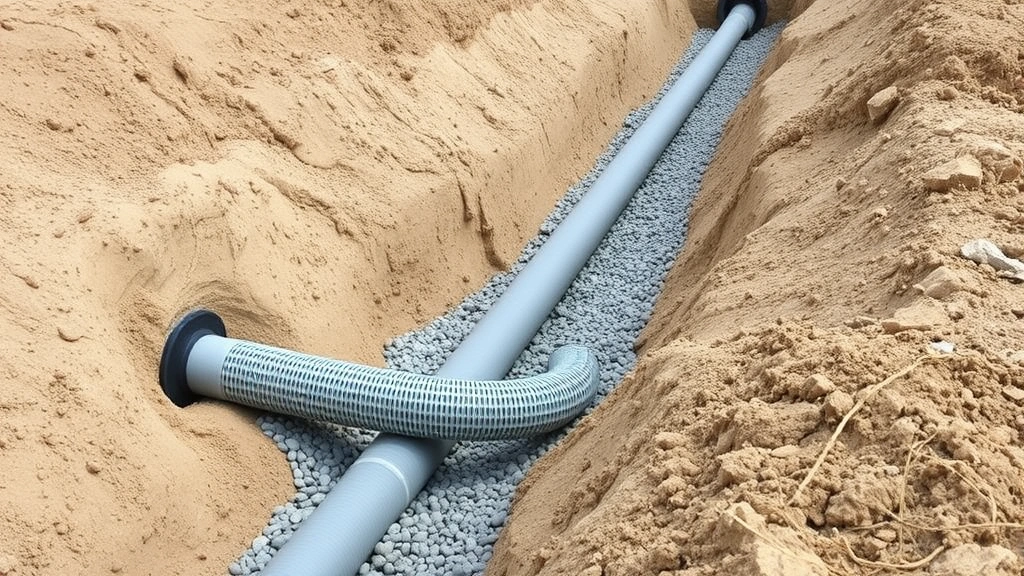
The drain field represents the largest cost component for most installations. This underground network of perforated pipes distributes treated effluent into soil for final purification. Standard gravity drain fields cost $2,000 to $5,000 for typical properties but can exceed $10,000 on challenging sites.
Drain field size depends on soil percolation rate and household water usage. Poor-draining soils require larger fields—sometimes 2,000+ square feet—increasing excavation, materials, and labor costs. Sandy soils allow smaller, less expensive fields. This explains why identical-sized homes cost dramatically different amounts in different regions.
Engineered drain fields address poor soil conditions but increase costs significantly. Mound systems, built above ground when water tables are high, cost $3,000 to $8,000. Sand filters ($5,000-$15,000) improve effluent quality for sensitive areas. Drip irrigation systems ($4,000-$12,000) distribute effluent more efficiently, reducing field size requirements.
Fill materials and gravel constitute additional drain field expenses. Contractors typically use 1,000 to 2,000 tons of gravel depending on field size, costing $300 to $1,500. Topsoil restoration adds $200 to $500. These materials ensure proper drainage and protect the system from surface contamination.
Regional Price Variations
Septic installation costs vary dramatically by region due to labor rates, soil conditions, regulatory stringency, and contractor availability. Northeastern states average $5,000 to $12,000 due to rocky soil requiring extensive excavation and stricter environmental regulations. Southern states typically range $4,000 to $10,000 with more favorable soil conditions but higher water tables requiring elevated systems.
Western states show extreme variation: California and Colorado average $8,000 to $20,000 due to challenging terrain and strict environmental codes, while Montana and Wyoming may cost $4,000 to $8,000. Urban fringe areas near major cities cost more than rural regions due to higher labor rates and limited contractor competition.
Soil geology dramatically impacts regional costs. Areas with clay soils or shallow bedrock require more extensive excavation and engineered solutions. Granite-laden regions need specialized equipment. States with high water tables (Florida, Louisiana) mandate elevated systems, increasing expenses 50-100% compared to regions with favorable drainage.
Regulatory complexity varies significantly. Some states require licensed designers, multiple inspections, and advanced treatment systems, substantially increasing costs. Less regulated jurisdictions allow simpler, cheaper installations. Before assuming national averages apply to your situation, research your specific county’s requirements and obtain multiple local quotes.
Ways to Reduce Installation Costs
While septic system installation demands proper execution, several strategies minimize expenses without compromising quality. First, obtain multiple quotes from licensed contractors—prices vary 30-50% between competitors. Ensure quotes include identical scope: same tank size, materials, and system type for accurate comparison.
Timing your installation strategically reduces costs. Spring and fall typically offer better pricing than summer peak season when contractors are busiest. Bundling septic installation with other construction projects may qualify for contractor discounts. Some contractors offer payment plans or seasonal promotions.
Selecting standard system designs over engineered solutions cuts costs when soil conditions permit. A basic gravity system costs significantly less than mound systems or sand filters. However, never compromise on system adequacy—undersized or improperly designed systems fail catastrophically, costing $5,000-$30,000 to replace.
Prepare your property to reduce contractor time. Clear vegetation, mark underground utilities (call 811 before digging), and ensure equipment access. Every hour saved reduces labor costs. Coordinate with your contractor about staging work to minimize equipment rental periods.
Consider DIY-appropriate tasks like site preparation, material delivery coordination, or post-installation landscaping. However, never attempt tank installation, pipe placement, or system testing yourself—these require licensed expertise. When exploring DIY home improvement projects, septic work clearly falls outside appropriate scope.
Financing Your Septic System
Septic system installation represents a major expense requiring financial planning. Several financing options help manage costs without straining your budget. Conventional home improvement loans through banks offer rates typically 6-10%, with terms up to 10 years. FHA loans allow septic system upgrades within renovation loans.
USDA Rural Development loans specifically support rural property improvements including septic systems. These government-backed loans offer favorable rates (currently 2-4%) and extended terms for eligible borrowers. Contact your local USDA office to determine eligibility based on income and property location.
State and local programs sometimes offer grants or low-interest loans for septic system upgrades, particularly for systems affecting environmental quality or public health. Research your state’s environmental or health department programs. Some states offer tax credits for system upgrades meeting energy or water efficiency standards.
Contractor financing, available through many established companies, spreads payments over 12-60 months. While convenient, compare rates carefully—contractor financing often costs more than traditional loans. Never rush into financing without understanding total interest costs.
Building these costs into property purchase negotiations helps buyers. Sellers sometimes agree to system installation or cost credits rather than price reductions. This approach benefits both parties and ensures professional installation before occupancy.
FAQ
What’s the average cost to install a septic tank?
Average installation costs range $5,000 to $15,000 nationally, with extremes from $3,000 to $25,000. This variation reflects differences in tank size, soil conditions, system complexity, labor rates, and regional regulations. Obtain local quotes for accurate budgeting.
Can I install a septic system myself?
While some DIY-capable tasks exist (site preparation, landscaping), septic system installation requires licensed professionals. Improper installation violates health codes, contaminates groundwater, and creates liability. Professional installation ensures compliance and system longevity.
How long does septic tank installation take?
Standard installations typically require 3-5 days of active work. Complex systems with challenging conditions may require 1-2 weeks. Weather, soil conditions, and permit coordination affect timelines. Your contractor should provide realistic scheduling during the planning phase.
What maintenance costs should I budget after installation?
Plan for regular pumping every 3-5 years ($300-$500) and annual inspections ($100-$300). Proper use extends system life significantly. Avoid flushing non-degradable items, limiting water usage, and protecting the drain field from vehicles or structures.
Do I need permits for septic installation?
Yes, permits are mandatory in all jurisdictions. Operating unpermitted systems violates health codes, creates environmental liability, and complicates property sales. Permitting costs $200-$1,000 but protect your investment and property rights.
How does soil type affect septic costs?
Soil drainage capacity directly impacts system design and cost. Poor-draining soils require larger drain fields or engineered solutions (mounds, sand filters), increasing expenses 50-200%. Excellent drainage allows smaller, less expensive systems. Percolation testing ($200-$500) determines drainage capacity.
What’s included in professional installation?
Professional installation includes site assessment, system design, permit coordination, tank placement, pipe installation, drain field construction, final inspection, and system testing. Licensed contractors carry insurance, guarantee work, and ensure regulatory compliance—protection unavailable with DIY approaches.
Can I upgrade my existing septic system?
Yes, but costs depend on upgrade scope. Adding treatment components costs $2,000-$8,000. Complete system replacement (tank and drain field) costs $5,000-$20,000. Upgrading when finishing basements or expanding homes prevents future complications and ensures adequate capacity.


