Starter Replacement Cost: Complete Mechanic Insights & Pricing Guide
A failing starter motor can leave you stranded, but understanding replacement costs before visiting a mechanic empowers you to make informed decisions. Whether you’re experiencing slow cranking, clicking sounds, or complete engine failure to start, knowing what to expect financially helps you budget appropriately and avoid surprise repair bills. This comprehensive guide breaks down starter replacement expenses, labor considerations, and factors that influence final costs across different vehicle types.
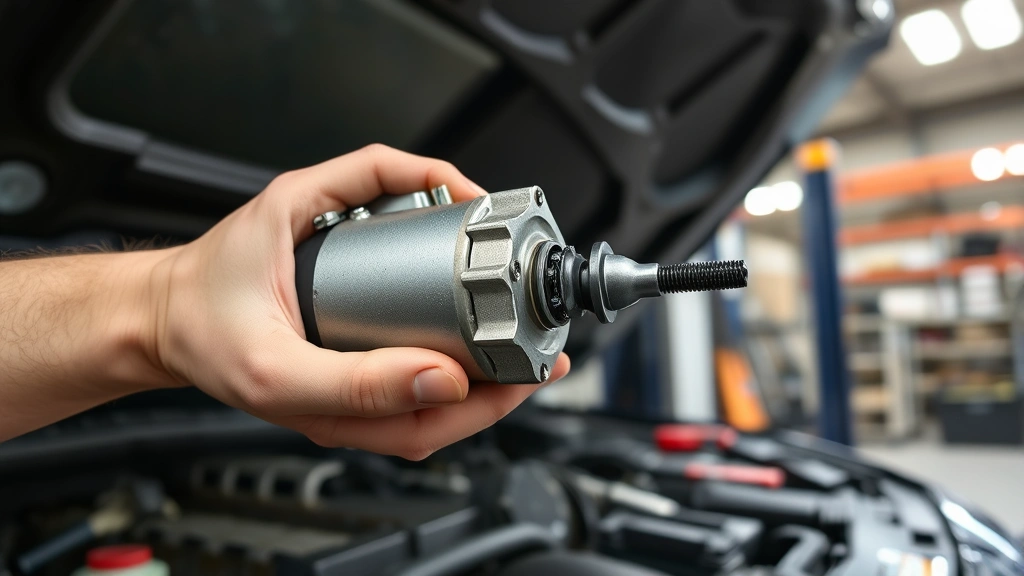
The starter is a critical component that converts electrical energy into mechanical motion, spinning your engine to life. When it fails, your vehicle simply won’t start—making replacement a priority rather than an optional upgrade. Costs vary dramatically based on your vehicle make and model, whether you choose OEM or aftermarket parts, and your location’s prevailing labor rates.
Average Starter Replacement Costs
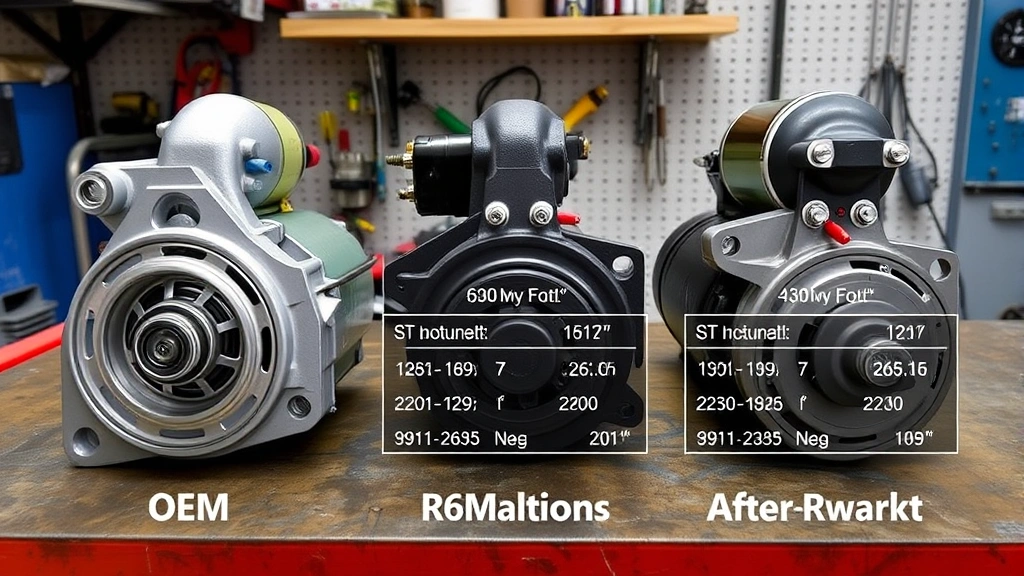
Most vehicle owners should expect to pay between $300 to $1,100 for complete starter replacement, including both parts and labor. The national average hovers around $500 to $700 for a standard passenger vehicle. However, luxury vehicles, trucks, and European imports can exceed $1,500 easily. Understanding this range helps you evaluate quotes from different shops and identify potential overcharging.
Labor typically accounts for 40-60% of your total bill, while the starter motor itself comprises the remaining expense. A mechanic might charge $150-$400 in labor depending on accessibility and your location’s market rates. Some vehicles require removing the intake manifold, radiator, or other components to access the starter, dramatically increasing labor time and cost.
Geographic location significantly impacts pricing. Urban centers and coastal areas command premium labor rates ($100-$150 per hour), while rural regions may charge $50-$80 hourly. A straightforward starter swap in rural Montana might cost $450, while the identical job in San Francisco could reach $850. Always obtain multiple quotes before committing to any repair.
Parts Pricing Breakdown
Starter motor components themselves range from $150 to $800 depending on quality and vehicle type. A basic starter for a Honda Civic might cost $200-$300, while a luxury BMW starter could exceed $600. Understanding parts pricing helps you negotiate intelligently with mechanics and know whether quoted prices are reasonable.
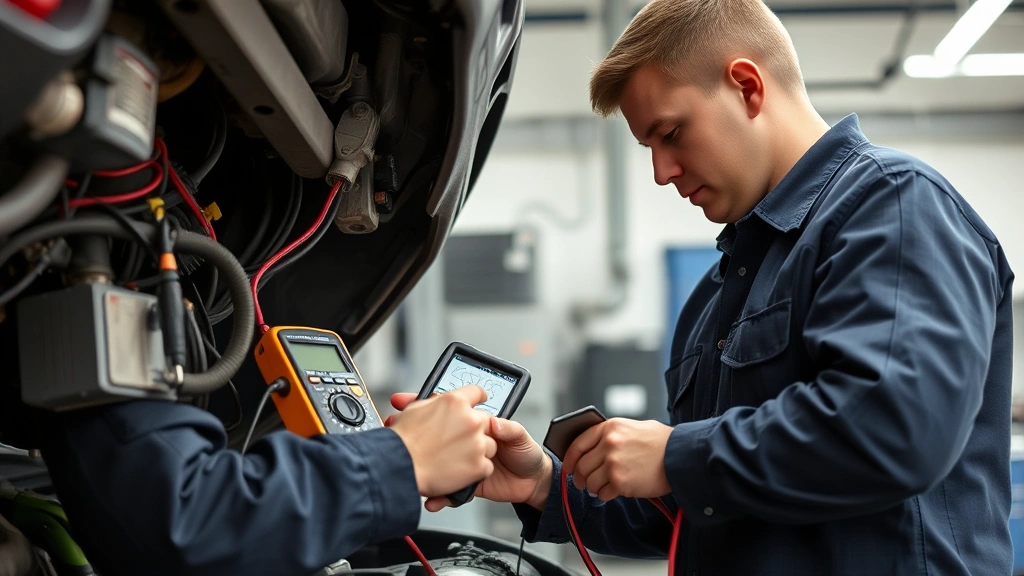
OEM (Original Equipment Manufacturer) parts typically cost 20-40% more than quality aftermarket alternatives but come with manufacturer warranties and guaranteed fitment. A Ford F-150 OEM starter might cost $450-$550, while a reliable aftermarket option runs $250-$350. For budget-conscious owners, aftermarket starters from reputable brands offer excellent value without sacrificing reliability.
Remanufactured starters represent another cost-effective option, typically priced 30-50% below new units. These professionally rebuilt components come with core charges (usually $50-$100 that you recover when returning your old starter) and warranties matching new parts. Many mechanics prefer remanufactured starters for customer value without compromising quality or performance.
Specialty vehicles like diesel trucks, luxury sedans, and high-performance cars require premium starters with advanced features. A diesel truck starter might cost $400-$700 new, while a performance vehicle starter could reach $800+. Always confirm your mechanic sources the correct starter specification for your exact vehicle configuration.
Labor Costs by Location
Labor represents the most variable expense in starter replacement, fluctuating based on geography, shop reputation, and job complexity. A simple 30-minute starter swap in a well-equipped shop might cost $150 in labor, while difficult access situations requiring 2-3 hours could total $400-$600 in labor alone.
Regional pricing variations are substantial. West Coast metropolitan areas average $120-$150 per labor hour, while Southern and Midwest regions typically charge $60-$90 hourly. East Coast shops generally fall in the $90-$130 range. These differences compound dramatically—a $400 labor job in rural areas becomes $800+ in major cities.
Dealership labor typically costs 25-40% more than independent shops. Toyota dealerships might charge $120 per hour versus $75 at local independent mechanics. However, dealerships often provide superior diagnostics, genuine parts, and warranty coverage justifying premium pricing for some customers. Evaluate whether dealership benefits outweigh cost savings at independent shops.
Appointment timing affects pricing at some shops. Emergency weekend or after-hours service carries premium rates (often 1.5-2x standard pricing). Scheduling routine starter replacement during business hours saves 20-30% compared to weekend emergency service. Plan ahead whenever possible to access standard labor rates.
OEM vs Aftermarket Comparison
Choosing between OEM and aftermarket starters involves balancing cost, warranty coverage, and reliability expectations. OEM starters cost more upfront but guarantee exact fitment, manufacturer warranties (typically 3 years/unlimited miles), and peace of mind knowing you have factory-specification components.
Aftermarket starters from established brands like Bosch, Denso, and Remy offer excellent reliability at 30-50% cost savings. These manufacturers supply many OEM starters anyway, making quality aftermarket options nearly identical to factory parts. Warranty coverage typically matches OEM specifications (3-year/unlimited miles), though some budget brands offer limited warranties.
Quality variations exist significantly among aftermarket options. Premium aftermarket starters ($250-$400) rival OEM reliability, while budget alternatives ($150-$250) may fail prematurely. Research specific brand reviews before accepting a mechanic’s parts choice. Reputable shops stand behind their recommended starters and often provide extended warranties on aftermarket components.
Core charges represent hidden costs in starter replacement. When purchasing a new or remanufactured starter, shops typically charge $50-$100 core charge refundable upon returning your old starter. Factor this into your total cost calculation—it’s temporary but increases your immediate out-of-pocket expense.
Vehicle-Specific Pricing
Domestic vehicles (Ford, Chevy, Dodge) generally offer the most affordable starter replacement, ranging $300-$600 total. These vehicles feature accessible starter locations and abundant aftermarket options, driving competition and lower prices. Parts availability is excellent, and most independent shops stock common domestic starters.
Japanese vehicles (Toyota, Honda, Nissan) typically cost $350-$700 for complete replacement. These reliable vehicles have predictable failure patterns and well-established parts networks. Honda and Toyota starters are particularly affordable due to high production volumes and strong aftermarket support. For details on vehicle maintenance, explore our DIY car repairs beginner’s guide.
European luxury vehicles (BMW, Mercedes, Audi, Volkswagen) command premium pricing, typically $600-$1,200 or higher. These vehicles often feature integrated starter-generator systems or complex electrical architectures requiring specialized diagnostics. Parts costs are substantially higher, and labor often exceeds standard vehicles due to tight engine compartment layouts requiring component removal.
Trucks and SUVs vary widely based on engine size and complexity. A basic pickup truck starter runs $350-$700, while diesel trucks requiring heavy-duty starters cost $500-$1,000+. Larger vehicles sometimes offer easier starter access, reducing labor time, though parts themselves cost more due to increased specifications.
DIY vs Professional Installation
Replacing a starter yourself saves 40-60% on labor costs but requires mechanical confidence, proper tools, and safety precautions. A straightforward starter replacement might take 1-3 hours for experienced DIYers, though accessibility varies dramatically between vehicles. Before attempting this repair, honestly assess your mechanical abilities and tools availability.
Tools required for starter replacement typically include socket sets, wrenches, jack and jack stands, and potentially specialty tools for your vehicle. You’ll need a battery disconnect tool, safety glasses, and work gloves. Total tool investment might reach $100-$300 if purchasing new equipment, though most experienced DIYers already own these basics. For foundational DIY knowledge, review our DIY Nests Hub blog for project planning guidance.
Safety considerations are paramount when working on electrical systems. Always disconnect the negative battery terminal before starting work. Some vehicles have security systems or additional electrical connections requiring careful documentation before removal. Improper reconnection can damage your vehicle’s electrical system or create safety hazards.
Accessibility determines DIY feasibility. Some vehicles position the starter easily accessible from below, while others require removing the intake manifold, radiator, or transmission components. Research your specific vehicle’s starter location and removal procedure before committing. YouTube videos from reputable channels demonstrate real-world difficulty levels for your exact make and model.
If attempting DIY replacement, invest in quality parts—aftermarket starters from established manufacturers provide excellent value. Budget $200-$350 for quality parts, add $100-$200 for any specialty tools needed, and you’ve completed replacement for $300-$550 total. This represents significant savings versus professional shop pricing, though failed installation requires professional remediation.
Money-Saving Strategies
Obtaining multiple quotes is your first and most effective cost-reduction strategy. Contact 3-5 different shops (mix dealerships and independent mechanics) and request written estimates including parts, labor, and warranty information. Price variations of $200-$400 between shops are common, making comparison shopping worthwhile for a $500-$700 service.
Asking about warranty coverage on both parts and labor protects your investment. Reputable shops guarantee their work for 12 months or longer. Some offer extended warranties on parts (2-3 years) at modest cost. A $50 extended warranty provides valuable peace of mind, especially for aftermarket components.
Timing your repair strategically reduces costs. Schedule starter replacement during business hours rather than emergency service to avoid premium rates. If your starter is failing but your vehicle still starts occasionally, you have flexibility to plan the repair during slow business periods when shops might offer discounts.
Negotiating parts choices with your mechanic saves money without compromising quality. Request quality aftermarket starters instead of OEM components unless you specifically need factory parts for warranty purposes. Many mechanics appreciate customer input and willingly source cost-effective alternatives matching your budget requirements.
Considering remanufactured starters represents intelligent cost management. These professionally rebuilt components cost 30-50% less than new starters while carrying matching warranties. Quality remanufactured starters perform identically to new units and represent the best value for budget-conscious vehicle owners.
Building relationships with independent mechanics often yields better pricing on future services. Mechanics frequently offer loyalty discounts for repeat customers, sometimes reducing labor rates by 10-15%. Your first starter replacement might cost $600, but establishing a trusted mechanic relationship means future repairs cost less.
FAQ
What’s the typical timeline for starter replacement?
Most starter replacements complete within 1-3 hours, though some vehicles require 4-6 hours if components must be removed for access. Many shops schedule starter work as same-day service if parts are in stock. Always confirm timeline expectations when scheduling—emergency services might take longer due to shop volume.
Can I drive with a failing starter?
Once your starter fails completely, your vehicle won’t start at all—driving is impossible. However, if your starter is weakening (slow cranking, occasional starting issues), you might have days or weeks before complete failure. Don’t delay repair once symptoms appear, as you risk being stranded in inconvenient locations.
Is warranty coverage included with starter replacement?
Yes, reputable shops provide 12-month warranty coverage on both parts and labor. OEM starters typically include 3-year manufacturer warranties. Always request written warranty documentation specifying coverage terms, duration, and mileage limits. Warranty protects your investment if the replacement starter fails prematurely.
Should I replace my battery at the same time?
Not necessarily, though mechanics often recommend battery testing if you’re experiencing starting issues. A weak battery sometimes mimics starter failure symptoms. Request a free battery test before approving starter replacement—this prevents unnecessary repairs if your battery is actually the culprit.
How do I know if my starter is actually failing?
Classic starter failure symptoms include clicking sounds when turning the ignition key, slow engine cranking, or complete silence with dashboard lights functioning normally. Dimming headlights during cranking attempts often indicate battery issues rather than starter problems. Professional diagnostics ($50-$100) definitively identify whether your starter is actually failing.
Are there financing options for expensive starter repairs?
Many shops offer payment plans or financing through third-party providers for repairs exceeding $500. Some credit cards provide promotional 0% financing for 6-12 months, helping spread costs across multiple months. Discuss financing options with your mechanic if upfront payment creates financial hardship.
Can I negotiate the final bill?
Absolutely. If your mechanic discovers additional issues during replacement (corroded connections, wiring problems), discuss costs before proceeding with extra work. Request itemized bills breaking down parts, labor, and diagnostics separately. Transparent pricing allows you to make informed decisions about which repairs to authorize.
What causes starter failure?
Starters typically fail due to wear after 80,000-150,000 miles, electrical system problems causing excessive current draw, or mechanical damage from impact. Repeated failed starting attempts and extreme weather conditions accelerate failure. Regular vehicle maintenance and addressing electrical issues promptly extends starter lifespan.


