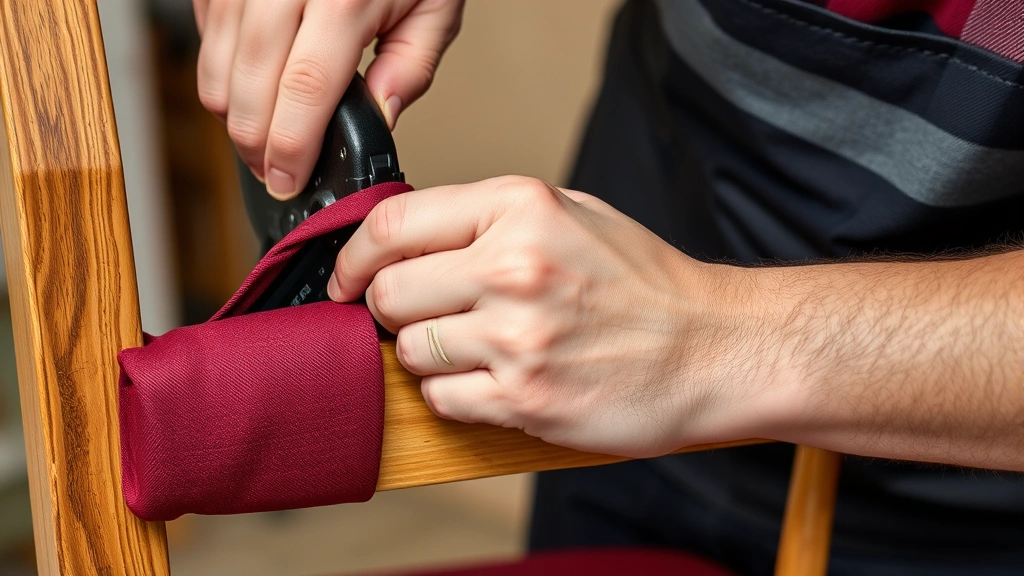
Reupholstering a Chair Cost? Expert Insight on Pricing and DIY Options
Reupholstering a chair is one of those home improvement projects that can breathe new life into your furniture while significantly impacting your budget. Whether you’re dealing with a treasured family heirloom, a thrift store find, or simply a worn-out favorite seat, understanding the true cost of reupholstering helps you make informed decisions about whether to hire professionals or tackle the project yourself. The price range varies dramatically based on chair type, fabric selection, regional labor rates, and the complexity of the restoration work required.
The average cost to reupholster a standard dining chair ranges from $300 to $1,500 per chair, while larger pieces like wingback chairs or sectionals can easily exceed $3,000. However, these figures represent only one part of the equation. When you factor in fabric costs, frame repairs, spring replacement, and the choice between professional upholstering and DIY methods, the final expense becomes much more nuanced. This comprehensive guide breaks down every cost component so you can accurately budget your project and understand what you’re paying for.
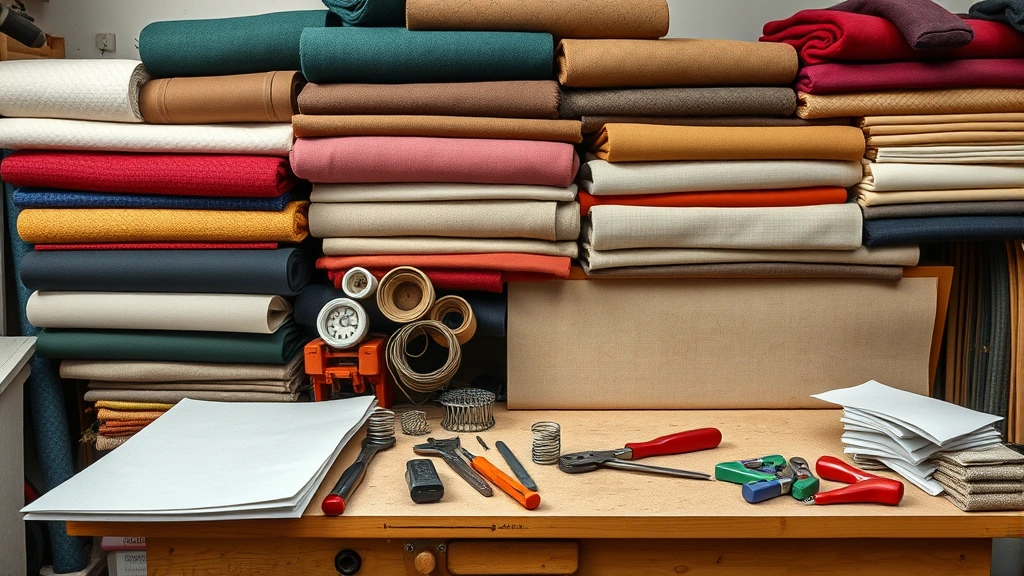
Chair Reupholstering Cost Breakdown
Understanding the individual components that contribute to reupholstering costs helps you identify where your money is going and where you might find savings. The primary cost categories include labor, fabric, filling materials, frame restoration, and specialized hardware or embellishments.
Labor costs typically represent 50-70% of the total reupholstering expense when working with professional upholsterers. A skilled upholsterer charges between $40 and $100 per hour, with most standard chair projects requiring 8-20 hours of work. Simple dining chairs might take 8-12 hours, while ornate wingback chairs with button tufting can consume 25-30 hours or more. This labor-intensive nature explains why hiring professionals becomes expensive quickly, even for seemingly straightforward projects.
The actual fabric cost varies enormously based on material quality and pattern complexity. Basic upholstery fabrics run $10-$20 per yard, mid-range options cost $20-$50 per yard, and premium fabrics including leather, performance textiles, or designer materials can exceed $100 per yard. A standard dining chair requires approximately 2-3 yards of fabric, while a wingback chair might need 6-8 yards. This means fabric alone could cost anywhere from $20 to over $800 depending on your selections.
Additional materials required for proper reupholstering include batting, burlap, muslin, webbing, springs (if needed), foam padding, and thread. These supplies typically add $50-$200 to your project cost, depending on whether the existing frame requires spring replacement or complete padding reconstruction. Professional upholsterers often include these materials in their estimates, but DIY enthusiasts must purchase them separately.

Fabric Selection and Pricing
Choosing the right fabric significantly impacts both aesthetics and budget. Understanding different fabric categories helps you make cost-effective decisions without sacrificing quality or durability.
Natural fiber fabrics like linen and cotton offer beautiful appearance and breathability but can be less durable and more stain-prone. These materials typically cost $15-$40 per yard and work well for decorative chairs in low-traffic areas. Wool fabrics provide excellent durability and natural stain resistance, ranging from $30-$80 per yard. They’re ideal for frequently used chairs and develop character with age.
Synthetic blends and performance fabrics have revolutionized upholstery options by offering durability at moderate prices. Polyester-cotton blends cost $20-$50 per yard and resist fading and staining while maintaining softness. High-performance fabrics engineered for heavy use range from $40-$150 per yard but can last 10+ years with minimal maintenance. These are excellent choices if you’re investing significant money in professional labor.
Leather upholstery represents the premium option, with genuine leather costing $50-$200+ per hide foot. While leather requires more specialized labor and maintenance, it develops a beautiful patina over time and can last for decades. Faux leather offers a more budget-friendly alternative at $20-$60 per yard with easier maintenance.
Pattern selection affects both cost and visual impact. Solid fabrics are typically the least expensive option. Small-scale patterns add minimal cost but require careful pattern matching during installation. Large-scale or directional patterns demand more yardage for proper alignment, potentially increasing fabric costs by 10-20%. Stripes and geometric patterns require precise cutting and matching, often justifying upholsterer premium charges of $50-$100 extra per chair.
Professional Upholstering vs. DIY Methods
The decision between hiring professionals and attempting DIY reupholstering fundamentally changes your cost structure and required skill investment.
Professional upholstering offers several advantages that justify the expense. Skilled upholsterers complete work efficiently, often achieving results in days rather than weeks. They have access to commercial fabric suppliers with better pricing than retail options, can identify structural issues requiring frame repair, and provide warranties on their work. Professional work ensures proper techniques like correct webbing tension, appropriate foam thickness, and secure stapling that impacts durability. If you’re working with expensive fabric or a valuable piece, professional expertise protects your investment.
However, professional services come with significant costs. Beyond the hourly labor rate, many upholsterers charge shop fees ($50-$150), frame repair surcharges ($100-$500+), and material markups of 20-40%. Rush orders incur additional fees. Finding reputable professionals in your area requires research, and wait times can extend 2-4 months during busy seasons.
DIY reupholstering dramatically reduces costs but requires time, patience, and developing new skills. Material expenses alone typically run $150-$500 for a standard chair, making this approach 60-80% cheaper than professional services. The learning curve is substantial, however. Your first project will likely take 20-40 hours, with many mistakes requiring rework. Poor technique can result in loose seams, uneven fabric, sagging cushions, or staples showing through fabric.
DIY success depends on the chair complexity. Simple drop-seat dining chairs are excellent beginner projects requiring basic tools and straightforward techniques. Wingback chairs, recliners, and pieces with button tufting demand advanced skills including proper spring installation, curved seam sewing, and precise pattern matching. Before committing to DIY, honestly assess whether the chair’s value justifies the learning curve and time investment.
Hidden Costs and Frame Repairs
Many people underestimate reupholstering projects because they overlook structural issues revealed once old fabric is removed. Professional upholsterers always inspect frames thoroughly and communicate necessary repairs, but DIY enthusiasts must identify these problems themselves.
Frame damage represents the most common hidden expense. Wood can split, crack, or break under stress. Joints may be loose or glued inadequately. Legs can be damaged or wobbly. Repairing frame issues costs $200-$1,500 depending on severity and whether the frame is worth saving. Severe structural damage sometimes makes reupholstering uneconomical if repairs approach or exceed the chair’s value.
Spring systems in older chairs frequently need replacement. Quality eight-way hand-tied springs cost $200-$400 per chair, while sinuous springs run $100-$200. If springs are broken, sagging, or deteriorated, replacement is essential for comfort and durability. Attempting to reupholster over failing springs results in a poor-quality finish that sags within months.
Webbing—the foundation fabric supporting springs and padding—may need replacement if it’s rotted, torn, or stretched. New webbing installation costs $100-$300 depending on pattern complexity. Padding underneath fabric sometimes compresses unevenly, requiring replacement at $100-$250. Burlap backing that separates fabric from springs can deteriorate, necessitating replacement at $50-$150.
Cushion reconstruction adds substantial costs. If seat cushions have compressed foam or are no longer supportive, replacing them costs $100-$400 per cushion depending on size and foam quality. Back cushions and throw pillows incur similar expenses. Some projects require recovering existing cushions rather than replacing them, reducing costs to $50-$150 per cushion.
Professional upholsterers typically charge additional labor for frame repairs at their standard hourly rate, plus material costs. Get detailed estimates breaking down frame repair work separately so you understand exactly what’s needed and why. Sometimes repairing a valuable family piece justifies significant expense, while other times the repair cost suggests selling the chair and purchasing new furniture instead.
Regional Pricing Variations
Reupholstering costs vary considerably by geographic location due to labor rates, material availability, and local market conditions.
Major metropolitan areas command premium pricing. New York, Los Angeles, San Francisco, and Chicago upholsterers often charge $60-$100+ per hour, with total chair reupholstering reaching $2,000-$4,000. Boutique upholsterers specializing in high-end furniture or historic restoration charge even more, sometimes $150+ per hour.
Mid-sized cities and suburban areas typically offer moderate pricing with upholsterers charging $40-$70 per hour. Total chair costs range from $800-$2,000, balancing reasonable labor rates with decent material selections. These areas often have multiple upholsterers providing competitive pricing.
Rural areas and smaller towns sometimes have fewer upholstering options, which can increase prices due to limited competition. Conversely, lower cost of living means some upholsterers charge $30-$50 per hour, making projects significantly cheaper. However, finding qualified professionals becomes more challenging, and you may need to travel significant distances.
Fabric availability also varies regionally. Urban areas have multiple fabric showrooms offering extensive selections, while rural locations may require ordering online or traveling for in-person shopping. Some upholsterers offer fabric consultation and sourcing services, charging fees of $50-$200 but potentially saving money through wholesale supplier access.
Money-Saving Strategies
If you’re looking to reduce reupholstering costs while maintaining quality, several strategies can help without sacrificing the final result.
Source your own fabric and bring it to the upholsterer. Many professionals accept client-provided materials, charging only labor. This approach saves the material markup (typically 20-40%) and allows you to shop online for better prices. However, confirm the upholsterer’s policy beforehand and ensure you purchase sufficient yardage plus 10% extra for mistakes or pattern matching.
Choose simpler designs that require less labor. Solid-colored fabric without patterns reduces cutting and matching time. Avoiding button tufting, welting, or decorative nails saves several hours of specialized work. Simple box cushions cost less than complex knife-edge or down-filled designs. These choices reduce labor costs by 20-30% while maintaining attractive results.
Combine professional and DIY work. Some upholsterers offer partial services—they might handle frame repair and padding while you install the final fabric layer. Alternatively, handle simple tasks like removing old fabric and hardware yourself, then hire professionals for complex sewing and finishing. This hybrid approach leverages professional expertise where needed while reducing total labor hours.
Wait for sales and promotions. Upholsterers sometimes offer seasonal discounts, especially during slower business periods. Building a relationship with a local professional may qualify you for loyalty discounts. Fabric stores frequently have sales on discontinued patterns or excess inventory, potentially saving 30-50% on materials.
Prioritize projects strategically. If you have multiple chairs, reupholstering them together sometimes qualifies for volume discounts. Professionals can order fabric more efficiently and work more productively when handling multiple similar pieces, often reducing per-chair costs by 10-15%.
Consider DIY approaches for other home projects to allocate budget toward professional reupholstering where quality truly matters. Sometimes investing in professional work for statement furniture while using DIY methods for secondary pieces provides the best overall value.
DIY Reupholstering Process Overview
Understanding the basic DIY reupholstering process helps you decide whether you’re equipped to handle this project and what to expect regarding time and difficulty.
Preparation phase involves removing old fabric and hardware. You’ll use a flat pry bar or upholstery tool to carefully remove staples holding fabric to the frame. This process is tedious and time-consuming but relatively straightforward. Document the original construction with photos showing how pieces fit together, as reference during reassembly. Remove springs, webbing, and padding carefully, noting their arrangement and condition.
Frame inspection and repair happens next. Examine wood for cracks, splits, loose joints, and damage. Repair or reinforce as necessary using wood glue, clamps, and replacement pieces if needed. This step requires basic woodworking skills and tools. If frame damage is extensive, consider whether professional frame repair is worthwhile or if the chair should be abandoned.
Spring and webbing installation forms the foundation. If springs need replacement, proper installation requires specific knowledge about tension, spacing, and tying techniques. Eight-way hand-tied springs demand considerable skill, while sinuous springs are more forgiving. Webbing provides support and requires stretching to proper tension and securing with tacks or staples in specific patterns. Improper technique results in sagging or movement during use.
Padding and batting application creates comfort and shape. Cut foam to appropriate thickness (typically 2-4 inches for seats, 1-2 inches for backs) and secure it properly. Batting over padding provides smooth surface for fabric. This step requires sharp cutting tools and careful measurement to ensure even coverage.
Fabric cutting and installation is where precision matters significantly. Measure and cut fabric carefully, leaving adequate seams and excess for stapling. Install fabric starting from center points, working toward corners while maintaining tension and preventing wrinkles. Corners require special folding techniques to look neat. This step demands patience and attention to detail.
Finishing details include installing trim, welting, or decorative nails if desired. Bottom fabric (often muslin or burlap) is stapled last, covering all raw edges. Quality finishing distinguishes professional-looking work from amateur attempts.
FAQ
How much does it cost to reupholster a dining chair?
A standard dining chair costs $300-$800 to professionally reupholster, depending on fabric choice and whether frame repairs are needed. DIY reupholstering costs $100-$300 in materials. Labor typically requires 8-12 hours for straightforward dining chairs without structural issues.
Can I save money by reupholstering my own chairs?
Yes, DIY reupholstering saves 60-80% compared to professional services since you eliminate labor costs. However, you’ll invest significant time (20-40 hours for your first project) and risk poor results if you lack experience. The savings only make sense if your time is flexible and the learning curve appeals to you.
What’s the most expensive part of reupholstering?
Labor typically comprises 50-70% of professional reupholstering costs. For DIY projects, expensive fabrics become the largest expense, especially for larger pieces. Hidden frame repairs can dramatically increase total costs when structural issues are discovered.
How do I choose between reupholstering and buying new furniture?
Reupholster if the piece has sentimental value, superior construction quality, or a design you can’t find new. The chair should structurally sound (or frame repair costs should be reasonable) and worth the investment. If replacement cost is similar to reupholstering, new furniture may be preferable for warranty coverage and design options.
What fabric is best for reupholstering high-traffic chairs?
Performance fabrics engineered for durability are ideal, though they cost $40-$150 per yard. Wool and quality synthetic blends ($20-$50 per yard) also perform well. Avoid delicate natural fabrics like linen in high-traffic areas unless you accept higher maintenance demands.
How long does professional reupholstering take?
Most chairs take 2-4 weeks from drop-off to completion, depending on the upholsterer’s workload and project complexity. Rush services add 50-100% to labor costs. Plan ahead during busy seasons when wait times extend to 2-3 months.
Do I need to replace springs when reupholstering?
Not always, but springs older than 20 years frequently need replacement for comfort and durability. If springs are sagging, broken, or making noises, replacement is essential. Professional upholsterers assess condition and recommend replacement when necessary. Attempting to reupholster over failing springs wastes money on new fabric.
Can I mix DIY and professional work?
Yes, many upholsterers accept partial work. You might remove old fabric yourself, then hire professionals for complex sewing and frame repair. Some offer consultation services, advising you on DIY work you can handle. Discuss options directly with local upholsterers to find arrangements matching your skills and budget.


