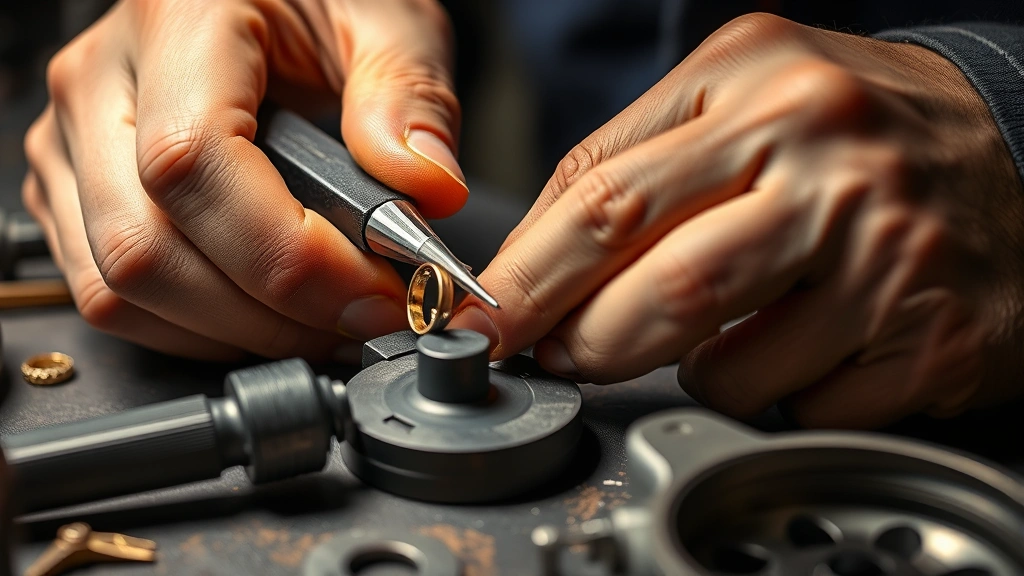
Ring resizing is one of the most common jewelry services, yet many people are uncertain about the actual costs involved. Whether you’ve inherited a cherished family heirloom, purchased a ring that doesn’t fit quite right, or simply gained or lost weight, understanding ring resizing expenses helps you make informed decisions about your jewelry investments. This comprehensive guide explores jeweler insights into pricing, factors that influence costs, and practical tips for getting the best value.
The cost to resize a ring typically ranges from $25 to $150, depending on the metal type, ring complexity, and your location. However, this broad estimate masks significant variations in pricing that jewelers navigate daily. By understanding what goes into a professional resize and knowing the right questions to ask, you can ensure you’re paying a fair price for quality work.
Understanding Ring Resizing Basics
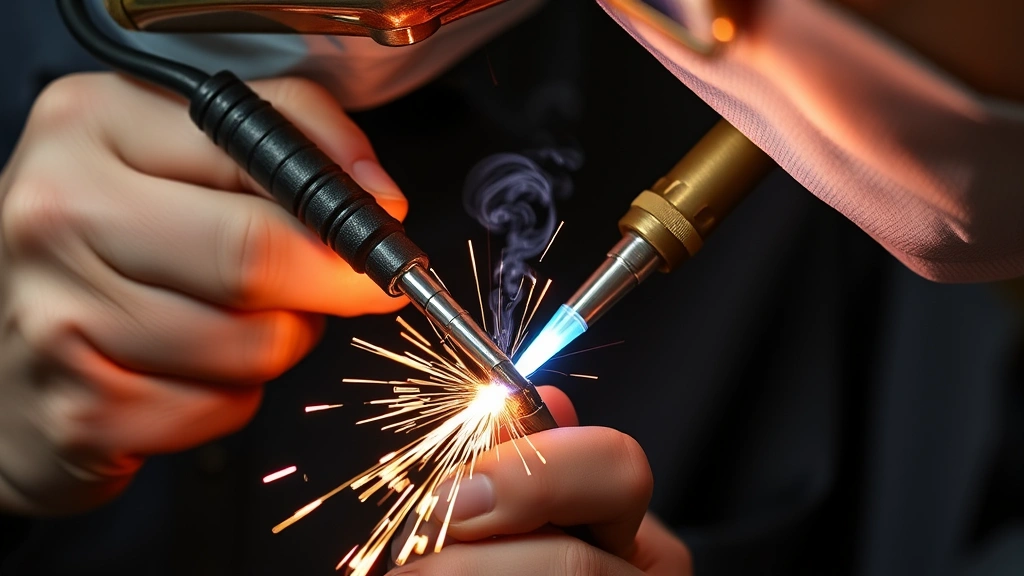
Ring resizing is a skilled craft that requires precision, experience, and specialized equipment. When you take a ring to a jeweler for resizing, they’re not simply stretching or shrinking the band. Instead, they carefully cut the ring, add or remove metal, and solder the joint back together with meticulous attention to detail. This process ensures the ring maintains its structural integrity and appearance.
The fundamental concept behind ring resizing involves understanding how rings are constructed. Most rings consist of a band that forms a circle, and to resize it, jewelers must break that circle, adjust the metal, and reconnect it seamlessly. The skill lies in making the repair invisible and ensuring the ring is perfectly round and balanced after the work is complete.
Professional jewelers understand that each ring presents unique challenges. A simple, solid gold band requires a different approach than an ornate ring with gemstones or intricate designs. This is why getting a proper assessment from a qualified jeweler matters significantly when budgeting for your resize.
Factors That Affect Ring Resizing Costs
Several interconnected factors influence how much you’ll pay for ring resizing. Understanding these variables empowers you to anticipate costs and compare quotes effectively from different jewelers in your area.
Size of the Adjustment
The amount you need to resize your ring dramatically impacts the final cost. Resizing up or down by a single size typically costs less than resizing multiple sizes. Jewelers often charge incrementally—resizing two sizes costs more than one size, and so forth. Most jewelers can resize rings up to about three full sizes, though some can accommodate larger adjustments. Extremely large adjustments may require adding significant metal, which increases both labor and material costs.
Metal Type and Weight
Different metals carry different price points for resizing. The precious metal market fluctuates daily, and jewelers factor current metal prices into their quotes. Additionally, heavier rings require more labor to resize, as working with thicker, denser metal demands more time and skill. The type of metal also determines the soldering technique and materials needed.
Ring Design Complexity
A straightforward, unadorned band resizes quickly and affordably. However, rings featuring gemstones, intricate engravings, filigree work, or multiple metal types require additional care and expertise. Jewelers must protect stones during the heating process, maintain design symmetry, and ensure all decorative elements remain secure after resizing.
Geographic Location
Your location significantly impacts pricing. Metropolitan areas and regions with higher costs of living typically charge more for jewelry services. A ring resize that costs $40 in a rural area might cost $80 in a major city. This reflects differences in overhead, labor rates, and local market conditions.
Metal Type and Pricing Variations
Different precious metals require different resizing approaches and carry distinct price points.
Gold Rings
Gold is the most commonly resized metal, and pricing varies by karatage. 10K gold costs less to resize than 14K or 18K gold, both in terms of material and labor, since jewelers charge based on the metal’s value. Resizing a gold ring typically costs $30–$100 depending on the size adjustment and local rates. Gold’s malleability makes it relatively straightforward to work with, which keeps labor costs moderate.
Platinum and Palladium
Platinum and palladium rings command premium resizing prices, typically $100–$200 or more. These metals are significantly harder and denser than gold, requiring specialized equipment, higher soldering temperatures, and greater expertise. Jewelers must possess specific training to work with platinum safely and effectively, which justifies the elevated costs.
Silver Rings
Sterling silver resizing generally costs $20–$60, making it the most affordable option. Silver is soft and easy to work with, requiring minimal time and effort. However, many jewelers discourage resizing silver rings multiple times, as the repeated heating and working can weaken the metal over time.
Mixed Metal Rings
Rings combining two or more metals, such as white gold with yellow gold accents, cost more to resize because jewelers must carefully match metals, manage different working temperatures, and ensure the design remains cohesive. Expect to pay on the higher end of the range for mixed metal resizing.
Ring Complexity and Design Elements
The visual and structural complexity of your ring significantly influences resizing costs and feasibility.
Gemstone Considerations
Rings featuring diamonds, sapphires, rubies, or other gemstones require extra care during resizing. Jewelers must protect stones from thermal shock and mechanical damage during the heating and soldering process. Some stones are sensitive to high temperatures, requiring special protective measures. For rings with multiple stones or valuable gemstones, jewelers may charge an additional fee—typically $10–$50—to cover the extra precautions and insurance considerations.
Engraved and Textured Rings
Rings with engravings, milgrain detailing, or textured finishes present challenges during resizing. Jewelers must carefully preserve these design elements while making the size adjustment. This requires additional skill and time, often adding $15–$40 to the base resizing cost. If the engraving spans the area where the jeweler needs to cut the ring, they may need to remove and re-engrave that section after resizing, further increasing costs.
Vintage and Antique Rings
Vintage and antique rings often command premium resizing fees because they may contain unusual metal compositions, delicate construction, or irreplaceable design elements. Jewelers must exercise extreme caution to preserve the ring’s historical integrity and value. Expect to pay 50–100% more for resizing vintage pieces, and always consult with a jeweler experienced in antique jewelry before proceeding.
Jeweler Selection and Quality Considerations
Choosing the right jeweler for your resize is as important as understanding the costs involved.
Credentials and Experience
Seek jewelers who are members of professional organizations such as the American Gem Society (AGS) or the Jewelers of America. These credentials indicate formal training, adherence to ethical standards, and ongoing professional development. Jewelers with decades of experience typically produce superior results and understand how to handle unusual or challenging rings.
Reputation and Reviews
Check online reviews, ask for references, and examine photos of previous resize work. A reputable jeweler should be happy to show you examples of their craftsmanship. Look for consistent feedback about quality, communication, and fair pricing. Personal recommendations from friends and family often lead to the best jewelers.
Insurance and Guarantees
Professional jewelers carry insurance that covers your ring while it’s in their possession. They should provide written estimates before beginning work and guarantee their resizing for a specific period. A typical guarantee covers defects in the resize work for one to two years. This protection gives you peace of mind and recourse if something goes wrong.
Transparent Pricing
Reputable jewelers provide detailed written quotes that break down labor costs, material costs, and any additional charges. They explain their pricing rationale and answer questions about the resize process. If a jeweler is evasive about pricing or unwilling to provide a written estimate, consider working with someone else.
Timeline and Turnaround Expectations
Understanding the resize timeline helps you plan accordingly.
Standard Turnaround Time
Most jewelers complete straightforward ring resizes within 1–2 weeks. This timeframe allows for the actual resize work, quality checks, and any finishing touches like polishing or cleaning. During busy seasons, particularly around holidays and wedding season, turnaround times may extend to 3–4 weeks.
Rush Services
If you need your ring resized urgently, many jewelers offer expedited service for an additional fee, typically 25–50% of the base resize cost. Some jewelers can complete simple resizes in 2–3 days if you’re willing to pay the premium. Always confirm rush service availability before committing, as not all jewelers offer this option.
Communication Throughout the Process
Quality jewelers keep you informed throughout the resize process. They may contact you with updates, notify you when the resize is complete, and invite you to inspect the work before finalizing payment. This communication ensures you know what to expect and gives you confidence in the work being performed.
Money-Saving Tips for Ring Resizing
Several strategies can help you minimize resize costs without compromising quality.
Get Multiple Quotes
Contact at least three jewelers and request written estimates. This allows you to compare pricing, assess professionalism, and identify outliers. However, remember that the lowest price isn’t always the best value—quality and experience matter significantly.
Resize Strategically
If your ring needs multiple size adjustments, consider having them all done at once rather than in separate visits. This approach costs less overall because the jeweler performs the work in a single session rather than multiple appointments. Additionally, if you anticipate future size changes, discuss this with your jeweler when getting the initial resize.
Maintain Your Ring Properly
Regular maintenance prevents damage that might necessitate additional costly repairs. Keep your ring clean, avoid exposing it to harsh chemicals, and have it inspected annually by a professional jeweler. This preventive approach extends your ring’s lifespan and reduces long-term expenses. For guidance on home improvement investments, consider exploring how much it costs to add a bathroom, which shares similar cost-estimation principles.
Bundle Services
If your ring needs multiple services—such as cleaning, polishing, stone setting, or engraving—ask if the jeweler offers package deals. Some jewelers provide discounts when you combine multiple services, reducing your overall expense.
Timing Your Resize
Avoid resizing during peak seasons like December, Valentine’s Day, and summer wedding season when jewelers charge premium prices due to high demand. Scheduling your resize during slower periods can result in better pricing and faster turnaround times.
When to Seek Professional Help
Understanding when professional resizing is necessary versus when you might consider alternatives helps you make smart decisions.
Signs You Need Professional Resizing
If your ring doesn’t fit comfortably, slips off easily, or causes irritation, professional resizing is the appropriate solution. Rings that are too tight can restrict circulation and cause discomfort, while loose rings risk loss or damage. A properly sized ring should fit snugly without requiring excessive force to remove.
When DIY Solutions Might Help Temporarily
While temporary solutions like sizing beads or ring guards don’t replace professional resizing, they can provide short-term relief while you arrange a proper resize. These products cost $5–$15 and can be useful if you’re between sizes or waiting for a jeweler appointment. However, they’re not permanent solutions and can affect the ring’s appearance.
Rings That Shouldn’t Be Resized
Some rings are better left to professionals or shouldn’t be resized at all. Extremely delicate rings, those with irreplaceable gemstones, and rings made from unusual or brittle metals should only be handled by experienced specialists. If you’re uncertain whether your ring can be safely resized, consult with a professional jeweler before attempting any work.
When considering home improvement projects, similar principles apply—understanding when to hire professionals versus DIY approaches is crucial. Just as DIY house painting requires proper technique and materials, jewelry resizing demands professional expertise to ensure lasting results.
Building a Relationship with Your Jeweler
Finding a trusted jeweler and maintaining a long-term relationship provides numerous benefits. Jewelers who know you and your rings can provide personalized service, remember your preferences, and potentially offer loyalty discounts. They also understand your ring’s history and can make informed recommendations about care and maintenance.
Building this relationship involves regular communication, bringing your ring in for annual inspections, and returning for other jewelry services. Over time, a good jeweler becomes an invaluable resource for jewelry questions and needs. This is similar to how finding reliable contractors for home projects—as described in our comprehensive guide to house siding costs—provides peace of mind and consistent quality.
Understanding Your Ring’s Resale Value
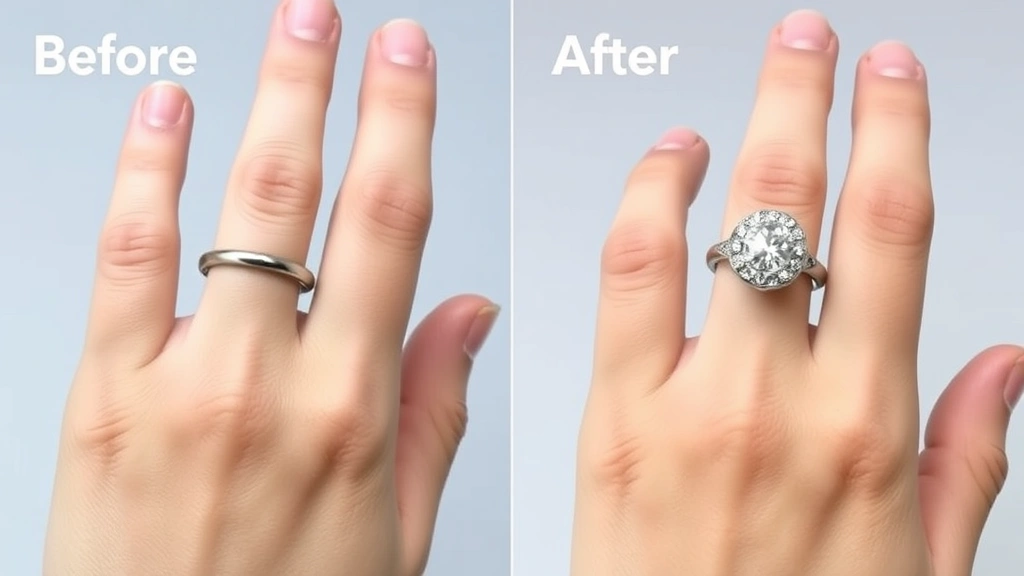
If you own a valuable ring, understanding how resizing affects resale value is important. Professional resizing by reputable jewelers typically doesn’t significantly impact value, especially if the work is invisible and the ring’s structural integrity is maintained. However, poor-quality resizing can diminish value. This is another reason to invest in quality workmanship from experienced professionals.
When you eventually sell or pass down your ring, documentation of professional maintenance and resizing adds to its provenance and value. Keep receipts and records of all work performed on your ring. This documentation reassures future owners that the ring has been properly cared for and professionally serviced.
Exploring Additional Jewelry Services
While having your ring resized, consider other services that enhance its longevity and appearance. Professional cleaning removes buildup and restores shine, while polishing addresses minor scratches. Stone inspection ensures all gemstones remain secure, and prong tightening prevents stone loss. Many jewelers bundle these services affordably when performed alongside resizing, providing comprehensive care for your valuable jewelry.
FAQ
How long does ring resizing take?
Most jewelers complete straightforward ring resizes within 1–2 weeks. Complex resizes with gemstones or intricate designs may take 3–4 weeks. Rush services can reduce this to 2–3 days for an additional fee, typically 25–50% of the base cost.
Can all rings be resized?
Most rings can be resized, but some exceptions exist. Extremely delicate rings, those with irreplaceable antique gemstones, or rings made from brittle metals may present challenges. Always consult with a professional jeweler before assuming your ring can be resized safely.
Is it cheaper to resize up or down?
Resizing up typically costs slightly more because the jeweler must add metal, increasing material costs. Resizing down is marginally cheaper because the jeweler removes metal. However, the difference is usually minimal, typically $10–$20, and depends more on the size of the adjustment than the direction.
Will resizing damage my ring?
Professional resizing by experienced jewelers doesn’t damage rings. The process involves cutting the ring, adjusting the metal, and carefully soldering the joint back together. Poor-quality work can damage rings, which is why selecting a reputable jeweler is crucial.
What if my ring doesn’t fit after resizing?
Reputable jewelers guarantee their resize work for 1–2 years. If your ring doesn’t fit properly after professional resizing, return to the jeweler who performed the work. They should make adjustments at no additional cost if the problem stems from their work.
Can I resize a ring myself?
Ring resizing requires specialized equipment, materials, and significant skill. Attempting DIY resizing risks damaging your ring permanently, particularly if it contains gemstones or has intricate designs. Professional resizing is always the safer, more reliable choice.
How do I know if my ring needs resizing?
Your ring needs resizing if it slips off easily, causes discomfort when worn, or requires you to remove it frequently due to fit issues. A properly sized ring should fit snugly without requiring excessive force to remove and shouldn’t rotate on your finger.
Do I need to remove the gemstones before resizing?
Professional jewelers can resize rings with gemstones without removal in most cases. They use protective techniques to shield stones from thermal damage during soldering. However, for extremely valuable or delicate stones, some jewelers may recommend removal for added protection, though this increases costs.
What’s the difference between resizing and resizing services at chain jewelry stores?
Independent jewelers typically provide more personalized service, higher quality workmanship, and better guarantees. Chain store services are often outsourced to third-party vendors, which can result in longer turnaround times and less accountability. Independent jewelers also tend to offer more competitive pricing for complex resizes.
Can resizing affect my ring’s value?
Professional resizing by reputable jewelers doesn’t significantly affect ring value. Poor-quality resizing can diminish value by making repairs visible or compromising structural integrity. Keeping documentation of professional resizing adds to your ring’s provenance and demonstrates proper care.


