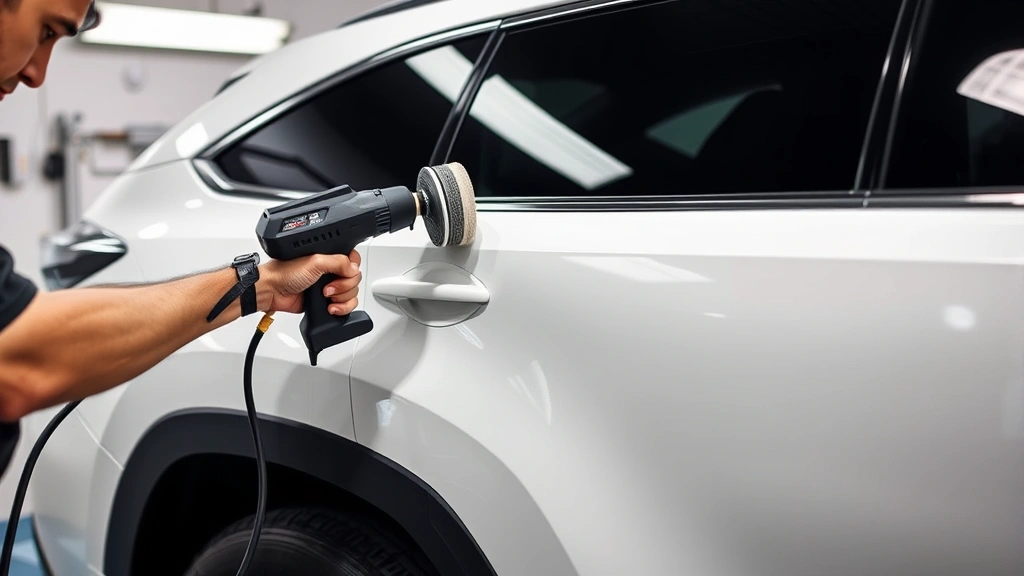
Toyota Highlander Wrap Costs: Expert Pricing Guide
Vehicle wraps have become increasingly popular for both personal customization and commercial branding purposes. A Toyota Highlander wrap represents a significant investment in your vehicle’s appearance, protection, and resale value. Understanding the true cost of wrapping your Highlander requires examining multiple factors beyond just the material expense, including labor, design complexity, installation quality, and long-term durability considerations.
Whether you’re considering a full wrap, partial wrap, or custom graphics for your Highlander, this comprehensive guide will walk you through every pricing factor, help you understand what professional installers charge, and provide insights into how this investment compares to traditional painting methods. We’ll also explore DIY options and maintenance requirements that directly impact your total cost of ownership.
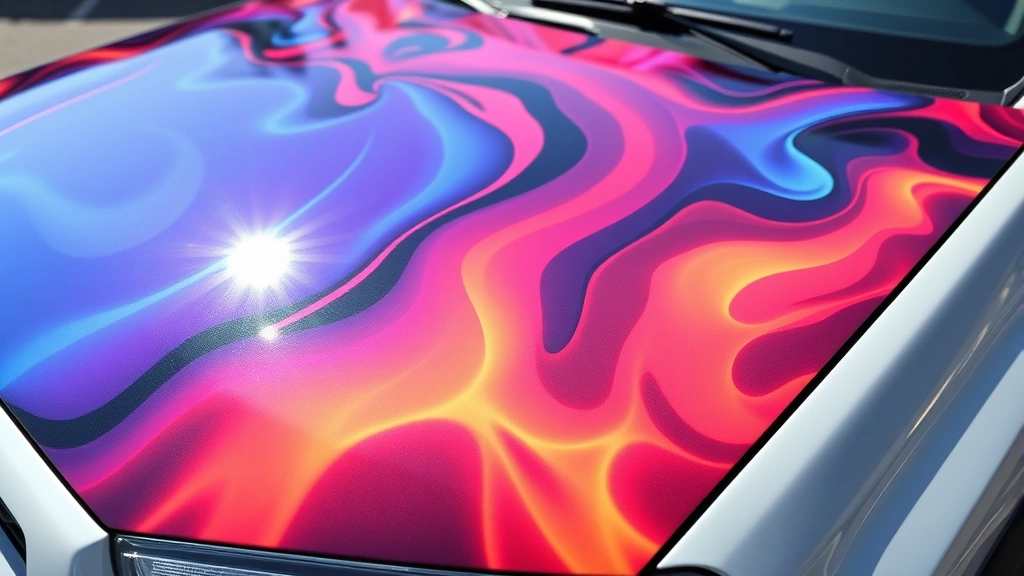
Average Toyota Highlander Wrap Costs
The typical cost to wrap a Toyota Highlander ranges from $2,500 to $5,500 for a full wrap, with most professional installations falling between $3,500 and $4,500. This pricing reflects the vehicle’s substantial surface area—the Highlander is a mid-size SUV with considerable square footage requiring coverage. A partial wrap costs significantly less, typically ranging from $1,500 to $3,000 depending on coverage area and design complexity.
These figures assume professional installation by experienced wrap specialists using mid-to-premium quality materials. Costs vary considerably based on geographic location, with urban centers and major metropolitan areas charging 15-25% more than rural regions. Seasonal demand also influences pricing; spring and summer typically see higher rates due to increased demand for vehicle customization services.
When compared to traditional custom painting, a quality wrap offers better value. A professional paint job on a Highlander typically costs $4,000 to $8,000, making wraps a more economical choice for temporary or frequently changing aesthetics. Additionally, wraps protect the original paint underneath, which can improve resale value—a benefit that painting cannot provide.
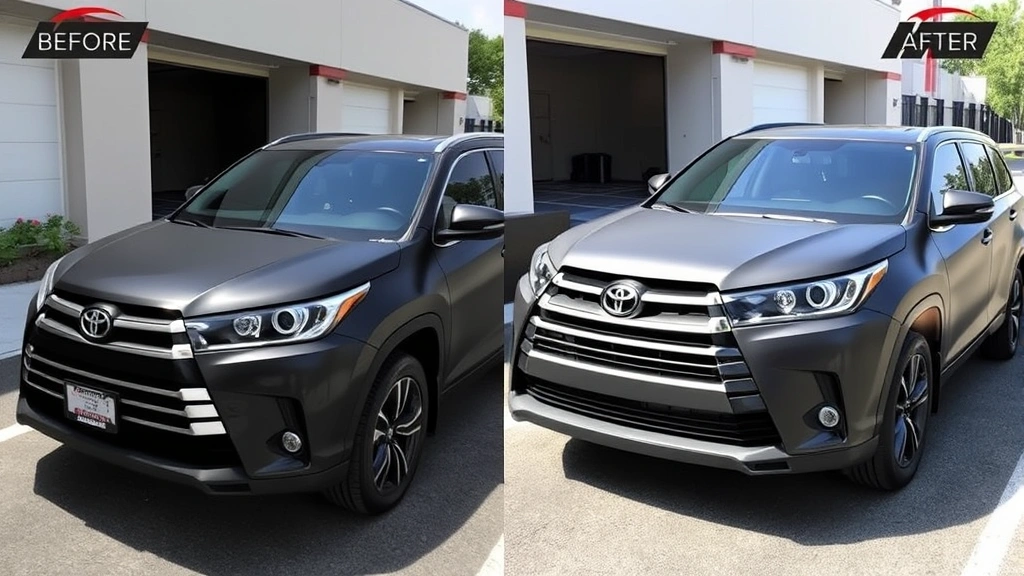
Factors Affecting Wrap Pricing
Multiple variables influence the final cost of your Highlander wrap. Understanding these factors helps you budget accurately and make informed decisions about your investment.
- Vehicle Condition: Wraps require clean, smooth surfaces. If your Highlander has dents, rust, or paint damage, pre-wrap repairs increase costs by $200-$1,000.
- Surface Complexity: The Highlander’s body lines, window count, and curved surfaces require more labor than simpler vehicles. More complex geometry increases installation time and labor costs.
- Wrap Coverage: Full wraps cost more than hood wraps, side wraps, or quarter-panel wraps. Each additional surface area section adds material and labor expenses.
- Design Intricacy: Simple solid colors cost less than multi-color designs, photorealistic images, or custom graphics requiring specialized printing and installation techniques.
- Installer Experience: Certified wrap installers with extensive portfolios charge premium rates but deliver superior results with fewer defects and longer-lasting finishes.
- Material Grade: Premium cast vinyl films from manufacturers like 3M and Avery Dennison cost more than economy-grade calendered films but offer superior longevity and appearance.
- Additional Services: Paint protection, ceramic coating application, or protective clear coat overlays add $300-$800 to your total.
Full Wrap vs Partial Wrap Costs
The distinction between full and partial wraps significantly impacts your budget. A full wrap covers the entire vehicle—hood, roof, doors, side panels, rear hatch, and bumpers. This comprehensive coverage typically requires 50-80 hours of labor for a Highlander and uses approximately 60-80 square feet of vinyl material.
Partial wraps focus on specific areas and cost considerably less. Common partial wrap options include:
- Hood and Roof Wrap: $800-$1,500. Ideal for branding or accent designs.
- Side Wrap: $1,200-$2,000. Covers driver and passenger sides completely.
- Rear Hatch and Bumper: $600-$1,200. Perfect for business logos or contact information.
- Custom Graphics Package: $1,500-$3,000. Tailored designs on multiple panels without full coverage.
Many vehicle owners choose partial wraps initially, then upgrade to full coverage later. This staged approach allows budget-conscious consumers to test wrap aesthetics before committing to complete vehicle coverage. The labor efficiency of a full wrap often makes it more cost-effective per square foot than multiple partial wraps installed separately.
Professional Installation Expenses
Labor represents 40-50% of your total wrap cost. Professional installation for a Highlander typically requires 40-60 hours of skilled labor, depending on design complexity and installer experience. At standard rates of $50-$100 per hour for certified wrap installers, labor alone ranges from $2,000 to $6,000.
Experienced installers charge premium rates for several important reasons. They possess specialized training in vinyl application, heat-gun techniques, and surface preparation. They understand how to work with the Highlander’s specific body contours, window frames, and trim pieces. Quality installers also provide warranties on their workmanship, typically guaranteeing 3-5 years of adhesion and color integrity.
The installation process involves multiple critical steps: thorough vehicle cleaning, precise measurements and cutting, careful application with minimal air bubbles, seam welding for seamless transitions, and final quality inspection. Rushing any step compromises durability and appearance, which is why experienced professionals command higher rates.
When evaluating installer quotes, request detailed breakdowns showing material costs, labor hours, and service fees separately. This transparency helps you understand pricing and compare quotes effectively. Be cautious of quotes significantly below market rates—they often indicate inexperienced installers or lower-quality materials that won’t deliver lasting results.
Material Quality and Brand Differences
Vinyl wrap materials vary dramatically in quality, longevity, and cost. Understanding these differences helps justify pricing variations between installers.
Premium Cast Vinyl Films: These professional-grade materials from Avery Dennison and 3M cost $15-$25 per square foot. They conform beautifully to complex curves, resist fading for 7-10 years, and maintain color vibrancy throughout their lifespan. Premium films feature air-release technology, making installation easier and reducing bubble defects.
Mid-Range Calendered Vinyl: Priced at $8-$15 per square foot, these films offer good durability (5-7 years) and acceptable color retention. They’re suitable for most applications but may show slight color shift over time and require more careful installation due to less forgiving air-release properties.
Economy Vinyl Films: Budget options cost $3-$8 per square foot but typically last only 2-4 years before fading, cracking, or peeling. These films use thinner substrates and lower-quality adhesives. While initially appealing cost-wise, the short lifespan makes them poor long-term investments.
For a Highlander, professional installers typically recommend cast vinyl films. The vehicle’s size justifies the material investment, and the superior durability ensures your wrap maintains appearance for years. A full wrap using premium cast vinyl costs approximately $1,200-$1,800 in materials alone, representing good value for decade-long durability.
Design and Customization Costs
Custom design services add significant value but increase overall costs. A simple solid-color wrap requires minimal design work—perhaps $100-$300 for color selection and basic layout. However, complex custom designs involve substantial professional fees.
Design Service Pricing:
- Basic Design Consultation: $100-$300. Discussing color options and simple layouts.
- Custom Graphics Design: $300-$800. Creating original artwork, logos, or branded graphics.
- Photorealistic Design: $800-$2,000. Complex images requiring professional photography, editing, and color matching.
- Multi-Revision Design Package: $400-$1,200. Unlimited revisions until you’re completely satisfied.
Many installers include basic design consultation in their service package, but complex custom work typically requires separate fees. When budgeting for a custom wrap, allocate 10-15% of your total project cost for design services.
Professional designers ensure your wrap translates correctly from digital mockups to physical application. They understand color profiles, resolution requirements for large-format printing, and how designs interact with vehicle body lines and curves. This expertise prevents costly mistakes that could require complete reprinting and reinstallation.
DIY Wrapping Considerations
Some vehicle owners consider DIY wrapping to reduce costs. While DIY approaches can save $1,500-$3,000 in labor, they involve significant risks and often produce inferior results.
DIY Challenges: Wrapping a Highlander requires specialized tools—heat guns, squeegees, cutting implements, and application fluid. Beyond tools, the skill required is substantial. Professional installers develop techniques through hundreds of applications. Mistakes result in visible bubbles, wrinkles, or misaligned seams that compromise appearance and durability.
The Highlander’s size presents particular challenges. Reaching all surfaces safely requires proper scaffolding or lift access. The curved body panels and numerous trim pieces demand precision cutting and careful application. One significant error can waste $500-$1,000 in materials.
If you’re interested in DIY vehicle projects, consider starting with smaller applications like paint-based customization projects before attempting complex wrapping. Alternatively, professional installation provides superior results, warranty protection, and peace of mind that justifies the investment.
Maintenance and Long-Term Costs
Wrap durability directly impacts your total cost of ownership. Proper maintenance extends wrap life significantly, protecting your investment.
Maintenance Requirements:
- Regular Washing: Hand wash your wrapped Highlander monthly using pH-neutral soap and soft microfiber cloths. Avoid automated car washes with aggressive brushes that can damage vinyl edges.
- Protective Coating: Apply vinyl-specific protectant products every 3-6 months. These cost $20-$50 per application but extend wrap life by 2-3 years.
- Damage Repair: Small tears or lifted edges cost $100-$300 to repair. Addressing damage promptly prevents further deterioration.
- Professional Cleaning: Annual professional detailing ($150-$250) removes contaminants and maintains vinyl condition.
High-quality wraps with proper maintenance last 7-10 years. Poor maintenance can reduce lifespan to 3-5 years. When calculating total cost, factor in these maintenance expenses. A $4,000 wrap lasting 10 years with $200 annual maintenance costs approximately $4,200 total, or $420 annually.
Environmental factors affect durability. Vehicles parked in direct sunlight, harsh climates, or areas with road salt experience faster degradation. Garage storage protects wraps and extends lifespan by 2-3 years.
Warranty and Protection Plans
Professional wrap installations typically include workmanship warranties covering installation quality. Understanding warranty terms protects your investment.
Standard Warranty Coverage: Most installers provide 3-5 year warranties covering adhesion failure, seam separation, and color fading under normal conditions. Warranties typically exclude damage from accidents, improper maintenance, or environmental extremes.
Extended Warranty Options: For an additional $300-$600, you can purchase extended coverage extending protection to 7-10 years. This provides valuable peace of mind, particularly if your Highlander is exposed to harsh conditions.
Material Manufacturer Warranties: Premium vinyl manufacturers like 3M and Avery Dennison offer separate warranties (typically 5-7 years) covering material defects. These warranties apply regardless of installer, providing additional protection.
When selecting an installer, request detailed warranty documentation. Reputable professionals gladly provide written warranties specifying coverage terms, duration, and claim procedures. Warranty availability often justifies paying premium rates—a $500 price difference becomes insignificant if warranty coverage saves you $2,000-$3,000 in replacement costs.
FAQ
What’s the cheapest way to wrap a Toyota Highlander?
Choosing a partial wrap with simple solid-color design minimizes costs. A hood and roof wrap with single-color vinyl from an economy brand costs $800-$1,200. However, this approach sacrifices durability and appearance. For long-term value, professional full wraps with quality materials provide better cost-per-year performance.
How long does a Toyota Highlander wrap last?
Premium cast vinyl wraps with proper maintenance last 7-10 years. Mid-range materials last 5-7 years, while budget vinyl typically lasts 2-4 years. Lifespan depends heavily on climate, sun exposure, and maintenance consistency. Vehicles in sunny climates with poor maintenance may see lifespan reduced by 2-3 years.
Can I remove a wrap without damaging my Highlander’s paint?
Professional removal by experienced installers typically preserves underlying paint. The removal process requires careful heat application and slow peeling to avoid damage. If paint is already compromised or the wrap has been applied for many years, some paint damage is possible. Quality wraps protect original paint, making removal safer than traditional paint protection methods.
Is wrapping cheaper than painting a Highlander?
Yes, generally. A professional paint job costs $4,000-$8,000, while wraps cost $2,500-$5,500. Wraps also offer reversibility and paint protection benefits that painting cannot provide. For temporary customization or frequent design changes, wraps offer superior value.
What’s included in professional wrap installation?
Quality installations include vehicle cleaning, surface preparation, precise vinyl application, seam welding, trim work, and final inspection. Some installers include basic design consultation and mockup services. Always request itemized quotes specifying included services.
Should I wrap my Highlander myself to save money?
DIY wrapping rarely succeeds for full vehicle coverage. The Highlander’s size and complexity make professional installation worthwhile. If you’re interested in DIY customization projects, explore simpler options like interior modifications or upgrades before attempting vehicle wrapping. Professional results justify the investment.
How do I find a qualified wrap installer?
Research local installers through online reviews, request portfolio examples, verify certifications from manufacturers like 3M or Avery Dennison, and obtain multiple quotes. Ask for references from previous Highlander wrap projects. Established installers with extensive portfolios typically deliver superior results and stand behind their work with comprehensive warranties.


