Roundup Safety: What Experts Suggest for DIYers
Glyphosate-based herbicides like Roundup have become staples in residential landscaping and property maintenance for decades. For DIY enthusiasts tackling weed control projects around their homes, understanding the safety implications of exposure is critical. Whether you’re maintaining a backyard garden, clearing a driveway, or preparing land for construction projects, knowing how much exposure to Roundup is dangerous helps you make informed decisions about product use, protective equipment, and alternative methods.
The conversation around Roundup safety has intensified in recent years due to ongoing litigation, regulatory scrutiny, and emerging research. This guide provides DIYers with evidence-based information from health organizations, regulatory agencies, and construction safety experts to help you work safely and responsibly with herbicides on your property.
Understanding Glyphosate and Roundup Exposure
Glyphosate is the active ingredient in Roundup and numerous generic herbicide formulations. It works by inhibiting a plant enzyme essential for growth, making it an effective non-selective herbicide for controlling broadleaf weeds and grasses. For DIYers, the critical question isn’t whether glyphosate is present in products—it’s understanding what constitutes dangerous exposure levels.
Exposure to Roundup can occur through multiple pathways: dermal contact (skin absorption), inhalation of spray particles or vapors, and ingestion (accidental or through contaminated food or water). The concentration of glyphosate in commercial formulations typically ranges from 41% to 50% in ready-to-use products. Understanding these exposure routes helps you implement appropriate protective measures when working on DIY projects around your property.
The toxicological profile of glyphosate is complex. The pure active ingredient shows relatively low acute toxicity in animal studies, but commercial Roundup formulations contain surfactants and other additives that enhance effectiveness and may affect absorption rates. This distinction matters when evaluating safety data and regulatory decisions.
EPA Safety Guidelines and Exposure Limits
The U.S. Environmental Protection Agency (EPA) maintains strict regulations on glyphosate-containing products. The agency has established a Reference Dose (RfD) of 1.75 milligrams per kilogram of body weight per day as the maximum acceptable daily exposure level for the general population. This value represents a level at which no adverse effects are anticipated even with lifetime exposure, incorporating safety margins of 100-fold or greater.
For context, this means a 150-pound adult could theoretically tolerate approximately 119 milligrams of glyphosate daily without exceeding EPA safety thresholds. However, the EPA’s assessment applies to ingestion; dermal and inhalation exposures are evaluated separately. The agency has consistently reaffirmed that glyphosate products used according to label directions pose no unreasonable risks to human health.
Occupational Safety and Health Administration (OSHA) standards don’t establish a specific permissible exposure limit (PEL) for glyphosate in air, but the agency requires employers to maintain a hazard-free workplace. For DIY applications, following product label instructions is your primary safeguard, as these directions are based on safety testing and exposure assessments.
Types of Exposure and Health Considerations
Understanding different exposure scenarios helps you assess your personal risk when using Roundup or similar products. Acute exposure—occurring from a single application event—differs significantly from chronic exposure accumulated over years of repeated use.
Dermal Exposure: Skin contact represents the most common exposure route for DIYers. Studies show that glyphosate has poor skin penetration; intact skin absorbs only 0.3% of applied glyphosate. However, if you have cuts, abrasions, or compromised skin barriers, absorption rates increase substantially. Wearing long sleeves, pants, and gloves reduces dermal exposure by 90% or more. Washing exposed skin within 15 minutes of application further minimizes absorption.
Inhalation Exposure: When spraying Roundup, small aerosol particles and vapors may be inhaled. The amount depends on application method, wind conditions, and protective equipment worn. Spray drift represents a significant inhalation exposure source. Using a handheld sprayer in calm conditions produces minimal drift; applying with a pump sprayer on windy days increases inhalation risk substantially. Wearing an appropriate respirator (discussed below) prevents inhalation exposure almost entirely.
Ingestion Exposure: Accidental ingestion is unlikely for adults but remains a concern with children and pets. Never transfer Roundup to unmarked containers, and store all products in original packaging in locked cabinets inaccessible to children.
Regarding cancer risk, the International Agency for Research on Cancer (IARC) classified glyphosate as “probably carcinogenic to humans” (Group 2A) in 2015, based on limited evidence in humans and sufficient evidence in animals. However, regulatory agencies including the EPA, European Chemicals Agency (ECHA), and Health Canada maintain that glyphosate is not likely to be carcinogenic at expected exposure levels. This divergence reflects different evaluation methodologies and standards of evidence rather than new data discovery.
Protective Equipment and Safe Application
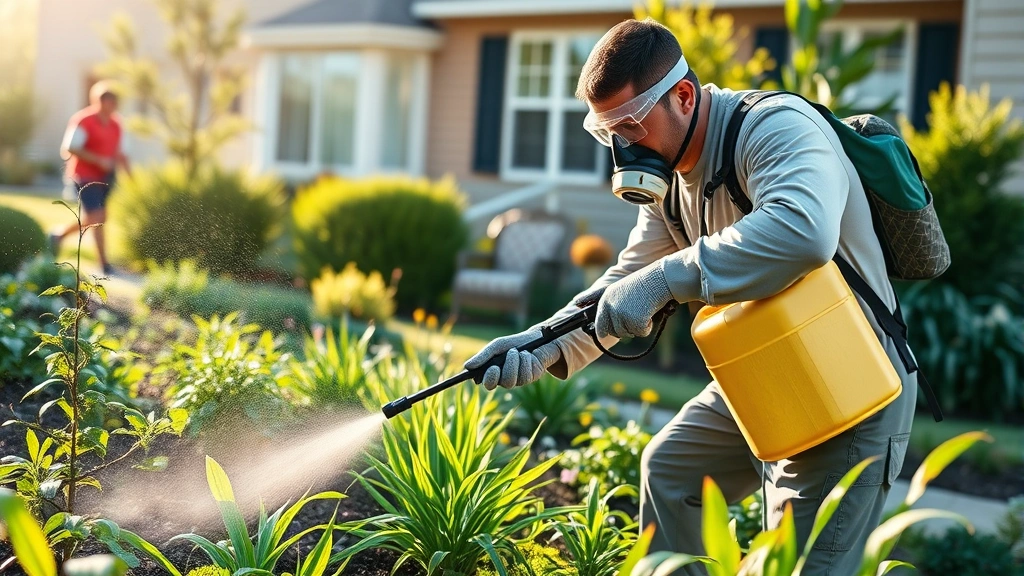
Proper personal protective equipment (PPE) is your primary defense against Roundup exposure. The specific PPE required depends on the product formulation and application method, but EPA-registered labels specify minimum requirements.
Essential PPE Components:
- Gloves: Wear chemical-resistant gloves (nitrile, rubber, or laminated materials). Leather gloves absorb and retain liquids; avoid them. Change gloves if they become contaminated or punctured.
- Eye Protection: Safety glasses or goggles prevent accidental splashing. Roundup spray can cause eye irritation; prompt rinsing with water for 15+ minutes is necessary if contact occurs.
- Clothing: Wear long sleeves and pants to minimize skin exposure. Cotton clothing provides some protection; synthetic fabrics that resist absorption offer better protection than natural fibers.
- Respirator: For spray applications, particularly in enclosed spaces or with poor ventilation, use a NIOSH-approved respirator. An N95 mask provides minimal protection against spray aerosols; a half-face respirator with P100 cartridges offers substantially better protection. Respirators must fit properly—facial hair or improper fit dramatically reduces effectiveness.
- Footwear: Wear closed-toe shoes or boots that can be easily cleaned or removed if contaminated.
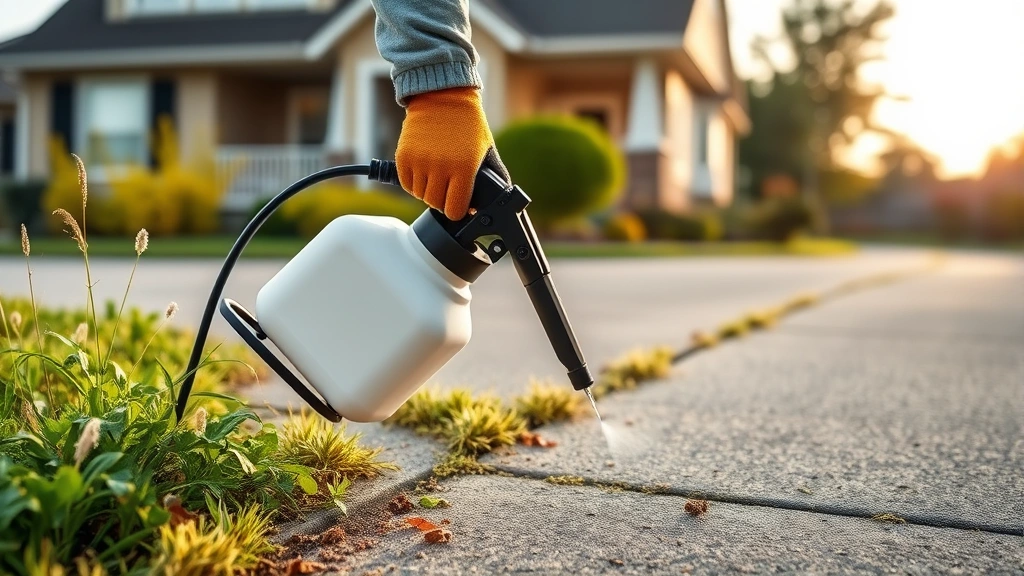
Safe Application Practices: Read the entire product label before opening the container. Apply Roundup during calm weather when wind speed is below 5 miles per hour to minimize drift. Never apply when rain is expected within 24 hours, as this reduces effectiveness and increases runoff risk. Spray only the intended plants; avoid contact with desirable vegetation. When using cleaning equipment that may contact herbicide residues, use separate tools from those used for other tasks.
Apply herbicides during early morning or late evening hours when temperatures are moderate and wind is typically calmer. Avoid application on hot days (above 85°F) as increased volatilization may enhance inhalation exposure. Keep children and pets away from treated areas until the product has dried completely—typically 24-48 hours depending on weather conditions.
Storage, Handling, and Disposal Best Practices
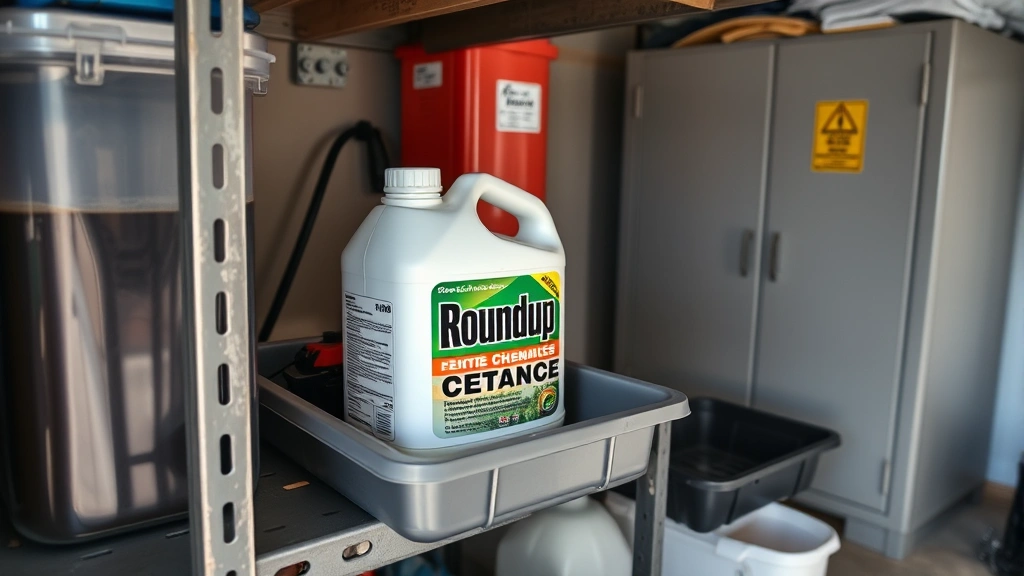
Proper storage and handling prevent accidental exposure and environmental contamination. Store Roundup in its original, clearly labeled container in a cool, dry place away from direct sunlight. Temperatures below 50°F or above 85°F may affect product stability; maintain storage between 60-80°F when possible. Keep herbicides locked in a cabinet or storage shed inaccessible to children and pets.
Never transfer Roundup to unmarked containers, food containers, or spray bottles not specifically labeled for herbicides. Cross-contamination risks are substantial, and unlabeled containers violate EPA regulations. If you use a pump sprayer for herbicides, dedicate that sprayer exclusively to herbicide application; never use the same equipment for fertilizers, pesticides, or other products.
Inspect containers regularly for leaks or damage. If you notice seepage, place the container in a secondary containment vessel (a larger bucket or tray) to prevent soil or groundwater contamination. Clean up spills immediately using absorbent materials like sand or kitty litter, then dispose of contaminated materials according to local regulations.
Disposal: Never pour unused Roundup down drains, toilets, or onto soil. Contact your local hazardous waste facility for proper disposal options. Many communities offer collection days for household hazardous waste; this is the safest disposal method. If the product is nearly empty, carefully rinse the container three times with water, and either recycle the container or dispose of it as instructed by local authorities. Never burn Roundup containers.
When cleaning equipment after herbicide application, use water to rinse thoroughly. Dispose of rinse water according to local regulations—typically on a vegetated area away from wells, water sources, and storm drains, if permitted by local ordinances.
Safer Alternatives for Weed Control
If you’re concerned about Roundup exposure or prefer to minimize chemical use, several alternatives exist for residential weed control. These methods vary in effectiveness, cost, and labor requirements.
Mechanical Removal: Hand-pulling weeds, particularly after rain when soil is moist, removes the entire root system and prevents regrowth. For larger areas, using a hoe or cultivator is effective but labor-intensive. This method works best for small to medium-sized areas and requires ongoing maintenance.
Mulching: Applying 2-4 inches of organic mulch (wood chips, bark, straw) to garden beds suppresses weed growth by blocking sunlight and preventing seed germination. Mulch must be replenished annually as it decomposes. This approach is excellent for permanent landscaping and raised DIY garden projects.
Boiling Water: Pouring boiling water directly on weeds kills them instantly without chemicals. This works well for driveways, patios, and areas where chemical use is restricted. The method requires caution to avoid burns and is impractical for large areas.
Vinegar and Salt Solutions: Horticultural vinegar (20% acetic acid) or household vinegar (5% acetic acid) mixed with salt creates an herbicidal spray. These solutions are non-selective and kill desirable plants on contact. Vinegar is less persistent in soil than glyphosate and breaks down within days. Effectiveness is lower than Roundup, and repeated applications are necessary.
Flame Weeding: Using a propane torch to quickly expose weeds to high heat kills them without chemicals. This method is suitable for driveways and paths but poses fire risks in dry conditions and near structures.
Pre-emergent Herbicides: Products containing corn gluten meal prevent weed seeds from germinating. These work best when applied before the growing season and require reapplication annually. They’re effective for prevention but don’t control existing weeds.
Landscape Fabric: Installing weed-blocking fabric beneath mulch or gravel prevents weed growth for several years. This method requires upfront installation labor but provides long-term weed suppression with minimal maintenance.
When to Call Professionals
Certain situations warrant professional herbicide application rather than DIY treatment. Large areas (more than 5,000 square feet) are more efficiently treated by professionals with commercial equipment and expertise. Commercial applicators are licensed, carry liability insurance, and have access to herbicides not available to consumers.
If you have concerns about health risks, chemical sensitivity, or respiratory conditions, hiring professionals eliminates your direct exposure while ensuring proper application. Professionals understand local regulations, environmental considerations, and timing requirements that optimize results while minimizing risks.
Property adjacent to water sources, sensitive ecosystems, or neighboring properties requires professional expertise to prevent drift and environmental contamination. Licensed applicators carry insurance protecting you if application errors cause property damage or environmental harm. For property improvement projects involving significant landscaping changes, professional consultation ensures comprehensive weed management strategies tailored to your specific situation.
FAQ
How much Roundup exposure is considered dangerous?
The EPA has established that exposure to glyphosate at levels below 1.75 mg/kg of body weight daily poses no unreasonable health risk. For a 150-pound person, this equates to approximately 119 mg daily. A single application of Roundup according to label directions typically results in exposures thousands of times below this threshold. Dangerous exposure would require either ingestion of significant quantities or repeated occupational-level exposure over extended periods.
Can I get cancer from using Roundup once?
A single application of Roundup according to label directions does not pose a meaningful cancer risk. While IARC classified glyphosate as a possible carcinogen based on epidemiological evidence in agricultural workers with long-term occupational exposure, the EPA and other regulatory agencies maintain that consumer use presents negligible cancer risk. Occupational exposure involves much higher and more frequent exposures than typical DIY applications.
What should I do if I accidentally ingest Roundup?
Contact Poison Control immediately at 1-800-222-1222 (in the U.S.) or emergency services. Don’t induce vomiting unless instructed by medical professionals. Have the product label available when calling so medical professionals can assess the specific formulation and additives involved. Most accidental ingestions in adults result from confusion with food or beverages; this is easily prevented through proper storage in original, clearly labeled containers.
Is it safe to use Roundup near children and pets?
Roundup can be used safely near children and pets if proper precautions are taken. Apply the product when children and pets are not present and keep them away from treated areas until the spray has dried completely—typically 24-48 hours. Store all herbicides in locked cabinets inaccessible to children and pets. Never transfer products to unmarked containers. If children or pets contact wet spray, rinse thoroughly with water and contact Poison Control or a veterinarian if symptoms develop.
Do I need a respirator when spraying Roundup?
For outdoor applications using a handheld or pump sprayer in calm conditions, a respirator is not absolutely necessary if you follow label directions and wear other protective equipment. However, a respirator provides additional protection, particularly for individuals with respiratory sensitivity. For enclosed spaces, poorly ventilated areas, or extended spray sessions, a NIOSH-approved respirator with P100 cartridges is recommended. Ensure proper fit and replacement of cartridges according to manufacturer specifications.
Can glyphosate contaminate groundwater?
Glyphosate has low soil mobility and is unlikely to contaminate groundwater under normal application conditions. The chemical binds tightly to soil particles and is broken down by soil microorganisms within weeks to months. However, in sandy soils with high permeability or in areas with shallow groundwater, risk increases. Avoid applications near wells or water sources. Never apply to areas where water is likely to pool or run off toward water bodies.
What’s the difference between Roundup and generic glyphosate products?
All glyphosate products contain the same active ingredient (glyphosate) at similar concentrations, typically 41-50% in ready-to-use formulations. The differences lie in surfactants and additives that enhance effectiveness. Some formulations are more effective in cold weather; others work better on specific weed types. Always read the label to ensure the product matches your specific application needs. Generic products are typically less expensive and equally effective as name-brand Roundup if applied according to label directions.
How long does Roundup remain active in soil?
Glyphosate has minimal soil persistence. Microbial degradation breaks down the chemical within 3-60 days depending on soil conditions, temperature, and microbial populations. In most soils, glyphosate becomes inactive within 2-3 weeks. After complete drying (typically 24-48 hours), treated areas can be safely accessed, and replanting can occur after waiting the period specified on the product label—usually 3-7 days for most formulations. Always verify label instructions before replanting.


