How Much Is It to Resize a Ring? Complete Jeweler Tips & DIY Guide
Ring resizing is one of the most common jewelry modifications, yet many people overpay or hesitate because they don’t understand the process or costs involved. Whether your ring no longer fits due to weight changes, temperature fluctuations, or simply a poor initial fit, understanding how much it costs to resize a ring and what options exist can save you money and time. Professional jewelers typically charge between $25 and $150 for basic resizing, though luxury metals and intricate designs can push costs higher.
The price variation depends on several critical factors: the metal type (gold, platinum, silver), the ring’s complexity, whether sizing up or down, and your location. This comprehensive guide explores professional resizing costs, when DIY approaches might work, and insider tips from experienced jewelers to help you make the most informed decision for your precious jewelry.
Understanding Ring Resizing Costs
Ring resizing costs vary dramatically based on multiple interconnected factors. The most significant variable is the metal composition of your ring. A simple band in sterling silver might cost $30-$50 to resize, while the same work on a platinum band could reach $150-$250. This difference reflects not just labor but material costs—platinum is denser, requires specialized tools, and demands greater expertise to manipulate safely.
The direction of sizing matters considerably. Sizing down (making a ring smaller) is typically less expensive than sizing up because it involves removing metal, which is simpler than adding material. When sizing up, jewelers must either stretch the existing metal or insert additional material, both of which increase labor costs. A sizing down might cost $40-$80, while sizing up the same amount could run $60-$120.
Geographic location significantly impacts pricing. Urban areas with higher overhead costs charge more than rural locations. A ring resizing in New York City or Los Angeles averages 30-50% more than the same service in smaller towns. Chain jewelry stores often charge less than independent artisan jewelers, though quality and attention to detail may vary. Department store jewelry departments typically fall between these extremes in both price and quality.
Professional Jeweler Pricing Breakdown
Professional jewelers structure their pricing around specific service categories. Basic band resizing for simple, unadorned rings costs $25-$60 for sizing down and $40-$100 for sizing up. This includes straightforward bands without gemstones, filigree, or complex metalwork.
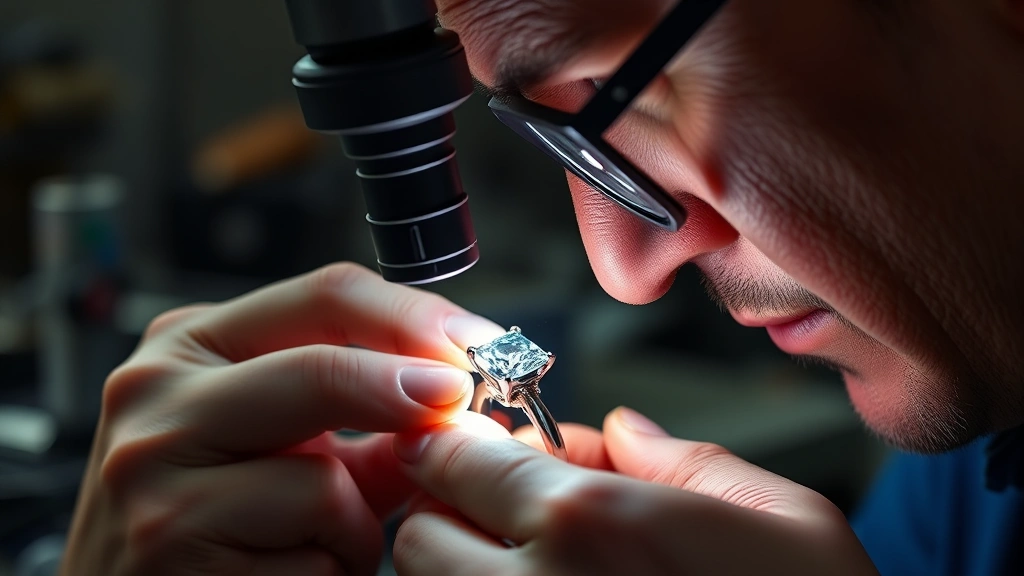
Gemstone ring resizing carries premium pricing because jewelers must protect valuable stones during the heating and manipulation process. Expect to pay $75-$150 for rings with center stones and additional charges ($15-$50 per stone) for side stones that require resetting. The jeweler must carefully monitor temperature, ensure stones don’t crack from thermal shock, and sometimes remove and reset stones entirely.
For intricate or designer rings, pricing escalates to $100-$300+. These pieces often feature detailed metalwork, multiple gemstones, or unusual construction that demands specialized expertise. Antique or vintage rings frequently fall into this category and may require custom approaches that increase labor time significantly.
Many professional jewelers offer rush services at 25-50% premium rates. Standard turnaround is 1-2 weeks, but expedited service within 2-3 days costs extra. Some high-end jewelers include complimentary ring cleaning or polishing with resizing services, adding value to the quoted price.
Metal Types and Price Variations
Sterling silver resizing represents the most affordable option, typically $25-$60 depending on size adjustment and complexity. Silver is relatively soft, easy to manipulate, and requires less specialized equipment. However, silver tarnishes and wears faster than precious metals, so rings may need more frequent maintenance.
Gold resizing varies by karatage. 10K gold costs $40-$80, 14K gold runs $50-$100, and 18K gold reaches $70-$120. The higher the karat content, the more pure gold is present, making the metal both more valuable and sometimes more difficult to work with due to softness. White gold, yellow gold, and rose gold pricing is typically identical for the same karat weight, though some jewelers charge slightly more for white gold due to rhodium plating that may be required.
Platinum resizing is the premium option at $150-$300+. Platinum’s density, hardness, and rarity justify the expense. It requires specialized equipment, higher temperatures, and considerable expertise. Platinum doesn’t lose material when resized like gold does, but the labor intensity is substantially greater. For luxury engagement rings and high-end jewelry, platinum resizing is often non-negotiable.
Mixed metal rings present additional complexity. Two-tone or three-tone rings require jewelers to work with multiple metals simultaneously, each with different melting points and working properties. Expect 20-40% premiums over single-metal pricing. Some jewelers may charge for each metal component separately.
DIY Ring Resizing Methods
While professional resizing is recommended for valuable rings, several DIY approaches exist for temporary solutions or budget-conscious individuals. Understanding these methods helps you recognize why professional work costs what it does and when DIY is genuinely viable.
Ring sizing beads and inserts offer the simplest temporary solution. These small metal or plastic beads attach to the inside of the ring band, reducing the interior diameter without permanent modification. Cost ranges from $5-$20 for quality beads, and they’re removable and non-damaging. However, they’re visible when wearing the ring and uncomfortable for some wearers. This works best for rings you wear occasionally.
Ring sizing tape involves wrapping adhesive or non-adhesive tape around the interior band to reduce diameter. This costs under $10 but requires frequent replacement as tape degrades. It’s purely temporary and unsuitable for daily-wear rings. The tape can trap moisture and promote corrosion on certain metals.
Heat-shrinking methods involve carefully applying heat to make the metal contract slightly. This is extremely risky for rings with gemstones—diamonds, sapphires, and other stones can crack from thermal shock. Even for plain bands, uneven heating can warp the ring or create weak spots. This approach is not recommended unless you have metallurgy experience.
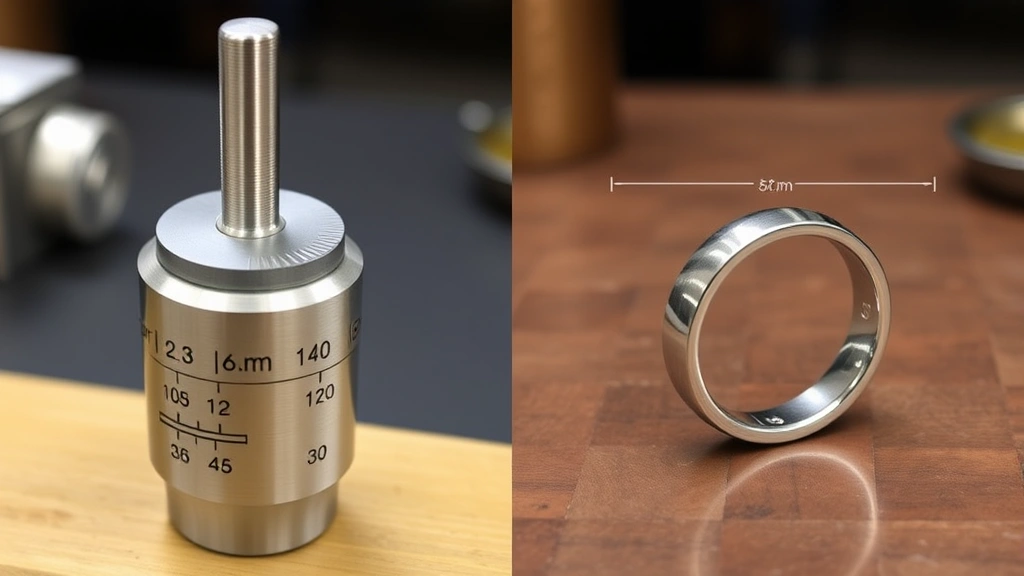
Ring stretching using specialized mandrels (tapered metal rods) can increase ring size slightly without removing metal. You progressively move the ring up the mandrel, gently tapping it to stretch the metal. This only works for sizing up by half to one full size and risks cracking the ring or creating thin spots. It’s suitable only for simple, sturdy bands and requires considerable care.
The reality is that DIY methods are temporary, risky, and often more expensive when you factor in replacement costs after damage. For rings with sentimental or monetary value, professional resizing is genuinely the wisest investment.
When to Seek Professional Help
Professional resizing becomes essential in several scenarios. Engagement rings and wedding bands absolutely warrant professional work—these rings are irreplaceable emotionally and often represent significant financial investment. Damaging them through DIY attempts creates lifelong regret.
Rings with gemstones of any kind require professional expertise. Jewelers have insurance, specialized tools, and decades of experience protecting stones during resizing. A single cracked diamond or sapphire during botched DIY work exceeds the cost of professional resizing by thousands of dollars.
Antique and vintage rings often feature delicate construction, unusual alloys, or irreplaceable design elements. Professional conservators familiar with historical jewelry should handle these pieces. Some antique metals are brittle and crack easily under improper heat or pressure.
Designer and luxury rings from brands like Tiffany & Co., Cartier, or Bulgari often carry warranties that require authorized service. Attempting DIY resizing voids these warranties and can result in loss of certification or appraisal documentation.
If your ring has any sentimental value—family heirloom, engagement ring, milestone gift—the relatively modest cost of professional resizing ($25-$150 typically) is negligible compared to the emotional cost of irreversible damage.
Timeline and Turnaround
Standard professional resizing typically takes 1-2 weeks from drop-off to completion. This timeline includes initial assessment, scheduling the actual work, completing the resizing, quality inspection, and final polishing. The jeweler may batch similar jobs together for efficiency, which explains why the timeframe isn’t just a few days.
Rush services compress this timeline to 2-3 business days but cost 25-50% more. Emergency same-day resizing is rarely available and typically only offered for wedding rings on the day before a ceremony, with premiums reaching 75-100% of standard pricing.
Complex work extends timelines. Intricate rings with multiple gemstones may require 3-4 weeks if stones need removal and resetting. Custom metalwork or repairs discovered during assessment can add another week. Always ask for a specific completion date when dropping off your ring, and confirm whether rush pricing is available if you need faster service.
Some jewelers offer temporary rings during the resizing process. If you’re resizing an engagement ring or daily-wear piece, ask whether the jeweler can provide a loaner ring so you’re not without jewelry during the service period.
Finding Quality Jewelers
Selecting the right jeweler for resizing is as important as understanding costs. Start by checking Better Business Bureau ratings and online reviews on Google, Yelp, and the American Gem Society website. Look for jewelers with AGS certification, which indicates professional standards and continuing education.
Ask whether the jeweler has insurance and guarantees on their work. Reputable jewelers carry liability insurance and guarantee their resizing work for a specified period. Get this guarantee in writing before leaving your ring.
Request to see examples of previous resizing work. Ask the jeweler about their experience with your specific metal type and any gemstones. Someone who specializes in platinum work may have less experience with delicate vintage pieces, for example.
Understand the payment and deposit structure. Most jewelers require 50% deposit at drop-off and final payment upon completion. Ask about their cancellation policy—if you change your mind or can’t pick up the ring, what happens to your deposit? Get a detailed written estimate before leaving your ring, including all charges and completion date.
For valuable rings, consider getting multiple quotes from different jewelers. Prices vary, and comparing 2-3 quotes helps you understand fair market pricing for your specific ring and location. However, don’t choose solely on price—the cheapest option may cut corners on quality or care.
If you’re resizing jewelry from luxury brands like Tiffany & Co., consider whether authorized service is required. Some designer pieces have limited warranties or must be serviced by brand representatives. Check your ring’s documentation before seeking independent jeweler services.
FAQ
How long does ring resizing take?
Standard resizing takes 1-2 weeks. Rush services available at 25-50% premium cost 2-3 business days. Complex rings with gemstones may require 3-4 weeks. Always confirm a specific completion date with your jeweler.
Can all rings be resized?
Most rings can be resized, but some exceptions exist. Extremely thin bands, rings with certain stone settings, or pieces made from non-traditional materials may present challenges. Always ask your jeweler whether your specific ring can be resized before committing to the service.
Does ring resizing damage the ring?
Professional resizing doesn’t damage properly maintained rings. Jewelers work carefully to preserve the ring’s integrity and finish. However, very old rings, those with stress fractures, or pieces with incompatible stone settings may have complications. Your jeweler will identify these issues during assessment.
Is sizing up more expensive than sizing down?
Yes, typically. Sizing down involves removing metal, which is straightforward. Sizing up requires stretching existing metal or adding new material, both more labor-intensive. Expect 30-50% higher costs for sizing up the same amount.
Can I resize my ring myself with a ring mandrel?
Ring mandrels work only for minor sizing up (half to one size) on simple, sturdy bands. They risk warping the ring, creating weak spots, or cracking it entirely. For any ring with sentimental or monetary value, professional resizing is strongly recommended. DIY damage typically costs far more to repair than professional resizing would have cost initially.
What’s the difference between resizing and stretching?
Resizing involves removing or adding metal to permanently change the ring’s diameter. Stretching uses mechanical force to expand the existing metal slightly without adding material. Stretching is temporary, risky, and only works for minor size increases. Professional resizing is the permanent, reliable solution.
Will my ring look different after resizing?
High-quality professional resizing maintains the ring’s appearance. The jeweler will polish and finish the resized area to match the original ring. However, if you size down significantly, the band may appear slightly thinner in the resized section if metal was removed. This is usually only noticeable under close inspection.
How much does it cost to resize an engagement ring?
Engagement ring resizing typically costs $75-$150 for basic work, but can reach $200-$400+ for rings with multiple gemstones or platinum construction. Always get a detailed estimate before proceeding, as the presence of stones significantly increases pricing.


