Skydiving Cost Breakdown: Expert Insights on How Much It Is to Skydive
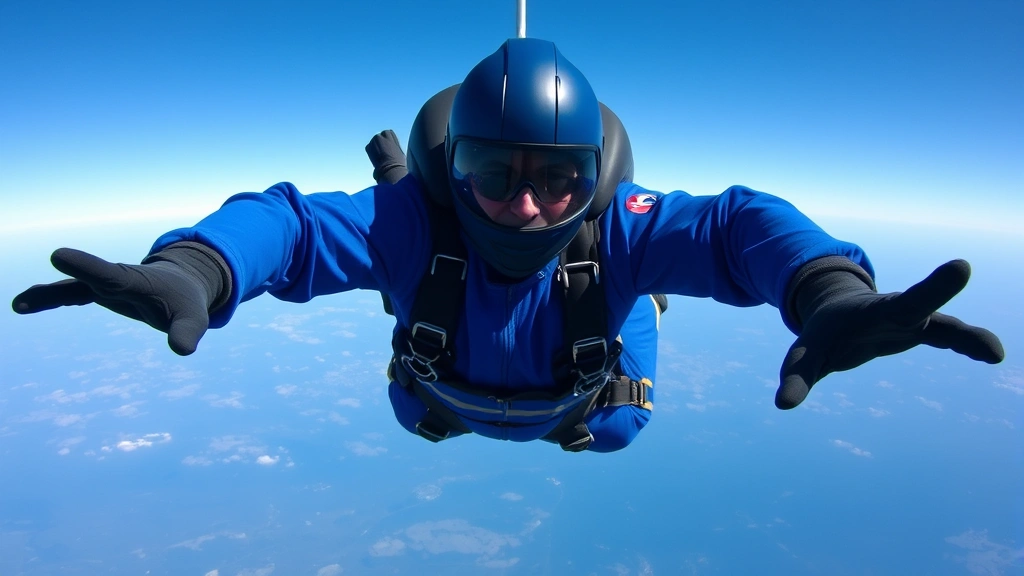
Skydiving represents one of the most thrilling experiences available to adventure seekers, but understanding the financial investment required is essential before taking the leap. Whether you’re a first-time jumper or considering becoming a certified skydiver, the costs associated with this extreme sport vary significantly based on location, experience level, equipment choices, and training requirements. This comprehensive guide breaks down every expense you’ll encounter, from your initial tandem jump to advanced certification courses.
The skydiving industry has become increasingly accessible to the general public over the past two decades, with drop zones operating across the United States and internationally. However, pricing structures can be confusing, with multiple fees layered into the final cost. Understanding these components helps you budget appropriately and identify the best value for your investment. Like evaluating other major expenses such as how much it costs to wrap a truck, skydiving pricing requires detailed analysis of included services and optional upgrades.
Tandem Skydiving Costs
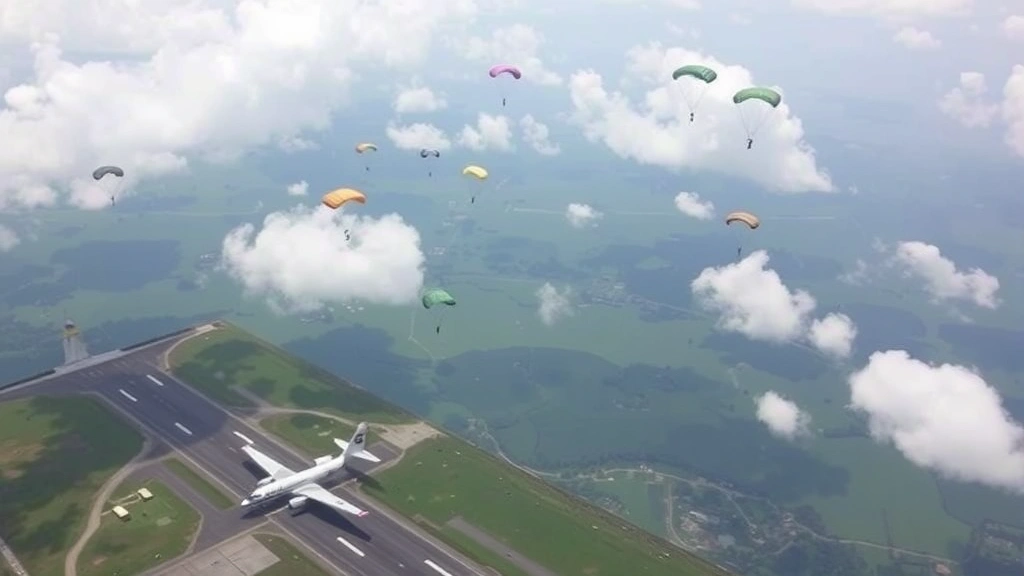
A tandem skydive remains the most accessible entry point into the sport, where you’re attached to an experienced instructor who handles all technical aspects of the jump. This option requires minimal training and no prior experience, making it the popular choice for recreational jumpers. The base cost for a tandem skydive typically ranges from $200 to $500, depending on your location and the drop zone’s reputation.
Most tandem jumps include the following components in the base price: professional instruction, equipment rental (harness, parachute system, altimeter), aircraft ride to altitude, and one parachute deployment. The jump itself lasts approximately 60 seconds of freefall from 10,000 to 15,000 feet, followed by 5-7 minutes under the deployed parachute. Premium drop zones in popular tourist destinations or near major metropolitan areas charge premium rates, sometimes exceeding $600 for the experience.
Video packages represent a significant add-on expense, typically costing $100 to $200 extra. Professional videographers or helmet-mounted cameras capture your jump, providing lasting memories and shareable content. Many first-time jumpers consider this investment worthwhile, though it’s entirely optional. Some drop zones bundle video services with photo packages, offering modest savings compared to purchasing separately.
Additional tandem upgrades include altitude upgrades (jumping from 15,000 feet instead of 10,000 feet for $50-100 extra), specialty dives targeting specific dates or themes, and premium photo packages with professional editing. These enhancements can increase your total tandem experience cost to $700-800 when fully loaded with options.
AFF Program Expenses and Certification Training
The Accelerated Freefall (AFF) program represents the most common pathway to becoming a certified skydiver, allowing you to progress through increasingly challenging solo jumps with instructor support. The complete AFF certification involves 25 jumps minimum and costs significantly more than a single tandem experience, typically ranging from $3,500 to $5,500 for the entire program at most U.S. drop zones.
AFF training breaks down into distinct levels, each with associated costs. Level 1 and 2 jumps, where you learn basic freefall techniques with two instructors, typically cost $200-300 per jump. Levels 3-7, involving single instructor supervision, run $150-250 per jump. Advanced levels (8-25) with no instructor support but requiring performance of specific skills cost $100-200 per jump. These per-jump costs exclude aircraft fees, which range from $15-30 per jump at most facilities.
Classroom instruction and ground training, mandatory components of AFF certification, often carry separate fees of $200-400. These sessions cover emergency procedures, equipment operation, weather analysis, and freefall body positioning. Many drop zones include initial ground school in the AFF package price, but advanced courses may incur additional charges. The United States Parachute Association (USPA) sets standards for AFF training nationwide, ensuring consistent safety protocols across all certified drop zones.
Progression through AFF levels isn’t guaranteed on a set timeline—weather conditions, equipment availability, and individual skill development affect advancement. Some jumpers complete certification in 3-4 weekends with favorable conditions, while others require several months. Budget accordingly for potential extended timelines, as additional jump costs accumulate if certification stretches beyond initial estimates.
Equipment Investment and Gear Costs
Once certified, purchasing your own skydiving equipment becomes a major financial commitment, though many jumpers rent gear initially. A complete skydiving rig, including main parachute, reserve parachute, container system, altimeter, and helmet, costs $4,000 to $8,000 for quality equipment from reputable manufacturers. Budget-conscious jumpers can find used gear in acceptable condition for $2,500-4,000, though inspecting used equipment thoroughly with experienced jumpers is essential.
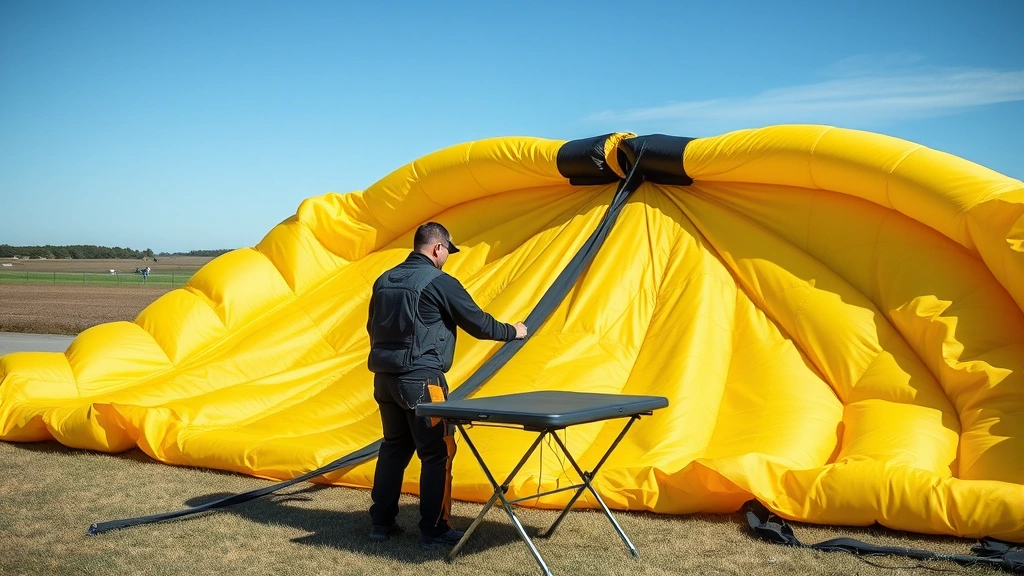
Individual components break down as follows: main parachutes range from $1,500-3,000 depending on design and manufacturer; reserve parachutes cost $1,200-2,500; containers (harness systems) run $1,500-2,500; altimeters cost $150-400; and helmets range from $150-400. Professional packing of reserve parachutes, required by law every 180 days, costs $25-50 per pack. Main parachute repacking isn’t legally required but recommended every 300-500 jumps for safety and performance optimization.
Additional gear expenses include jumpsuits ($200-600), gloves ($30-100), goggles ($50-150), and backup altimeters ($150-300). Many experienced jumpers accumulate multiple jumpsuits for different weather conditions and seasons. Footwear designed specifically for skydiving runs $100-300, offering ankle support and grip patterns optimized for aircraft exits and landings. These supplementary items add $500-1,500 to your initial equipment investment.
Equipment maintenance represents ongoing costs throughout your skydiving career. Parachute line replacements, container repairs, and periodic equipment inspections cost $200-600 annually for active jumpers. Regular maintenance extends equipment lifespan and ensures safety compliance with FAA regulations and industry standards.
Membership and Certification Fees
USPA membership, the primary skydiving organization in the United States, requires annual membership for all jumpers. Basic USPA membership costs approximately $75-100 annually and includes liability insurance coverage, access to member benefits, and official jump documentation. Student memberships cost slightly less at $60-85 per year, designed for AFF students still completing certification.
Individual drop zones often charge membership or user fees beyond USPA registration. Annual memberships at specific facilities range from $100-300, providing discounted per-jump aircraft fees and facility access privileges. Some drop zones operate on a per-jump basis without membership requirements, charging $15-30 per aircraft ride regardless of membership status. Calculating whether annual membership saves money depends on your intended jump frequency—jumpers planning 50+ annual jumps typically benefit from membership, while casual jumpers may prefer per-jump pricing.
Certification cards and documentation fees total $50-100 during initial certification, covering USPA licensing and drop zone administrative costs. License renewals occur annually and cost approximately $50-75. These fees maintain your legal right to jump and provide official documentation of your certification level, required by all U.S. drop zones.
Specialized certifications beyond basic A-license skydiving carry additional costs. Canopy piloting certifications, formation skydiving qualifications, and instructor training programs each require supplementary courses and fees ranging from $500-2,000 depending on the specialization. These advanced certifications appeal to experienced jumpers seeking to expand their skydiving pursuits.
Additional Expenses and Hidden Costs
Travel expenses often represent significant hidden costs for skydiving, particularly for jumpers without local drop zones. Fuel costs, accommodation, meals, and parking at distant facilities can easily exceed $200-400 per skydiving weekend. Popular drop zones in tourist areas or those offering specialized training attract jumpers from across the country, requiring travel planning and budgeting.
Altitude chamber training, recommended for jumps exceeding 25,000 feet, costs $200-400 and provides essential preparation for high-altitude oxygen requirements. Weather-related delays frequently occur, occasionally extending planned weekend trips by additional days, increasing overall travel and accommodation expenses. Insurance beyond USPA coverage, such as disability or medical expense riders, runs $100-300 annually for serious skydivers.
Drop zone facility fees, separate from aircraft charges, cover hangar maintenance, equipment storage, and administrative overhead. These facility fees typically range from $10-25 per jump. Some drop zones offer package deals combining facility fees, aircraft rides, and other services at modest discounts compared to à la carte pricing. Evaluating total per-jump costs including all fees helps identify the most economical facilities in your region.
Continuing education courses, while not mandatory, enhance safety and skills. Advanced freefall technique courses, emergency procedure refreshers, and specialized training programs cost $150-500 each. Many experienced jumpers invest in these courses annually to maintain proficiency and learn new disciplines. Like home security system investments, continued training represents preventative spending that enhances long-term safety.
Geographic Pricing Variations and Regional Differences
Skydiving costs vary dramatically based on geographic location, with tourist-heavy areas commanding premium prices. Drop zones near Las Vegas, Miami, and Hawaii charge $400-600 for tandem jumps, capitalizing on tourist demand. Rural drop zones in less populated areas often charge $200-350 for tandem experiences, offering significant savings for jumpers willing to travel to remote facilities.
Aircraft availability and fuel costs directly impact per-jump pricing. Regions with competitive drop zone density feature lower prices due to market competition. The Pacific Northwest, Colorado, and parts of the Midwest offer relatively affordable jumping due to multiple facilities competing for jumpers. Conversely, areas with single drop zone monopolies or limited facilities command higher prices with less negotiation flexibility.
Seasonal pricing fluctuations affect costs throughout the year. Summer months see peak demand and premium pricing, while winter months often feature discounts and promotional rates. Spring and fall represent moderate-cost seasons with reasonable availability. Booking jumps during off-peak periods can reduce costs by 15-25% compared to peak season pricing.
International skydiving varies considerably by country and regulatory environment. Drop zones in popular skydiving destinations like New Zealand, Switzerland, and Australia charge $200-400 for tandem jumps, comparable to U.S. pricing. However, currency exchange rates, travel expenses, and international insurance requirements significantly increase total costs for destination skydiving.
Cost-Saving Strategies for Skydiving Enthusiasts
Budget-conscious skydivers employ several strategies to reduce overall expenses. Group bookings at drop zones frequently qualify for discounts of 10-20% compared to individual pricing. Organizing group jump events with friends reduces per-person costs while creating memorable shared experiences. Many drop zones offer loyalty programs rewarding frequent jumpers with discounted jump passes or reduced aircraft fees.
Purchasing jump passes in bulk—typically 5, 10, or 20-jump packages—provides savings of 10-15% compared to per-jump pricing. These packages often include discounted aircraft fees and facility charges, maximizing value for committed jumpers. Some drop zones offer seasonal passes for unlimited jumping during specific months at fixed prices, ideal for jumpers planning intensive training periods.
Used equipment purchases from experienced jumpers can reduce gear investment by 30-50% compared to new equipment. However, thoroughly inspect used parachutes for line wear, fabric condition, and deployment history. Purchase used equipment from reputable sources, preferably with certification from qualified riggers confirming safety compliance. Many drop zones maintain bulletin boards or online forums where jumpers buy and sell used gear.
Skydiving competitions and events sometimes offer reduced jump fees for participants. Formation skydiving competitions, accuracy competitions, and speed skydiving events frequently charge lower per-jump rates to encourage participation. These events also provide valuable training and skill development, making them worthwhile investments for improving your abilities while saving money.
Becoming a certified packer or rigger opens opportunities for reduced jump fees at some drop zones. These certifications require additional training but can save $200-300 annually for active jumpers. Similarly, assisting with drop zone operations occasionally qualifies jumpers for free or discounted jumps, though availability depends on individual facility policies.
Combining skydiving with other adventure sports sometimes yields package discounts. Some facilities near scenic areas bundle skydiving with hiking, rock climbing, or other activities at reduced combined rates. Traveling during shoulder seasons and booking weekday jumps instead of weekends frequently produces 15-20% savings on tandem experiences.
Frequently Asked Questions About Skydiving Costs
What is the total cost to become a certified skydiver?
Becoming a USPA-certified skydiver typically costs $3,500-5,500 for AFF training, plus $150-300 for ground school and certification fees. This covers approximately 25 required jumps. Equipment rental during training usually costs $15-30 per jump, included in per-jump pricing at most drop zones. Total certification investment generally falls between $4,000-6,000 when including all associated costs.
How much does a tandem skydive cost compared to solo jumping?
Tandem skydives cost $200-500 for a single jump experience, while solo jumps for certified skydivers cost $100-200 including aircraft fees and facility charges. Tandem jumping provides a complete experience with professional instruction, while solo jumping requires certification and personal equipment investment. For a single experience, tandem is more expensive but requires no prior training.
Is skydiving equipment expensive to buy and maintain?
Complete skydiving equipment costs $4,000-8,000 new or $2,500-4,000 used. Annual maintenance costs approximately $200-600 for active jumpers. Equipment represents a significant investment, but quality gear lasts 10+ years with proper care. Rental equipment costs $15-30 per jump, making renting economical for casual jumpers while owned equipment becomes cost-effective for those jumping 100+ times annually.
What hidden costs should I budget for skydiving?
Hidden costs include travel expenses ($200-400 per trip), continuing education ($150-500 per course), altitude chamber training ($200-400), and facility fees ($10-25 per jump). Additional costs emerge from equipment repairs, specialized certifications, and insurance upgrades. Budget 20-30% extra beyond base jump costs to account for these ancillary expenses.
Do drop zones offer discounts for multiple jumps or group bookings?
Most drop zones offer 10-20% discounts for bulk jump packages of 5-20 jumps. Group bookings typically receive 10-15% discounts compared to individual pricing. Loyalty programs reward frequent jumpers with reduced rates or free jumps. Contact local drop zones directly to inquire about current promotional offers and package pricing.
How do international skydiving costs compare to U.S. pricing?
International tandem jumps typically cost $200-400, comparable to U.S. pricing. However, travel expenses, currency exchange, international insurance, and visa requirements significantly increase total costs for destination skydiving. Budget an additional $1,500-3,000 for travel and accommodations when jumping internationally, making destination skydiving 2-3 times more expensive than local jumping.
What’s the most economical way to get started with skydiving?
Start with a single tandem jump ($200-500) to experience the sport before major investment. If interested in continuing, enroll in AFF training ($3,500-5,500 total) rather than pursuing multiple tandem jumps. Rent equipment during certification, then purchase used gear once certified. Join a local drop zone with competitive pricing and consider group training to reduce costs through discounts.
Are there ways to skydive for free or very cheaply?
Some drop zones offer free or heavily discounted jumps to volunteers assisting with operations. Becoming a certified instructor or rigger may qualify you for reduced jump fees. Participating in skydiving competitions sometimes provides discounted jump rates. Referral programs at some facilities offer free jumps when bringing new customers. However, these opportunities require time investment or existing certification.
Understanding skydiving costs empowers you to make informed decisions about this extraordinary sport. Whether pursuing a single thrilling tandem experience or committing to full certification, knowing the financial landscape helps you budget appropriately and identify the best value for your investment. Like researching adoption costs before major life decisions, thoroughly evaluating skydiving expenses ensures you’re prepared for this life-changing adventure. Start with local drop zone research, compare pricing across facilities, and consider your commitment level before making financial commitments to this exhilarating sport.


