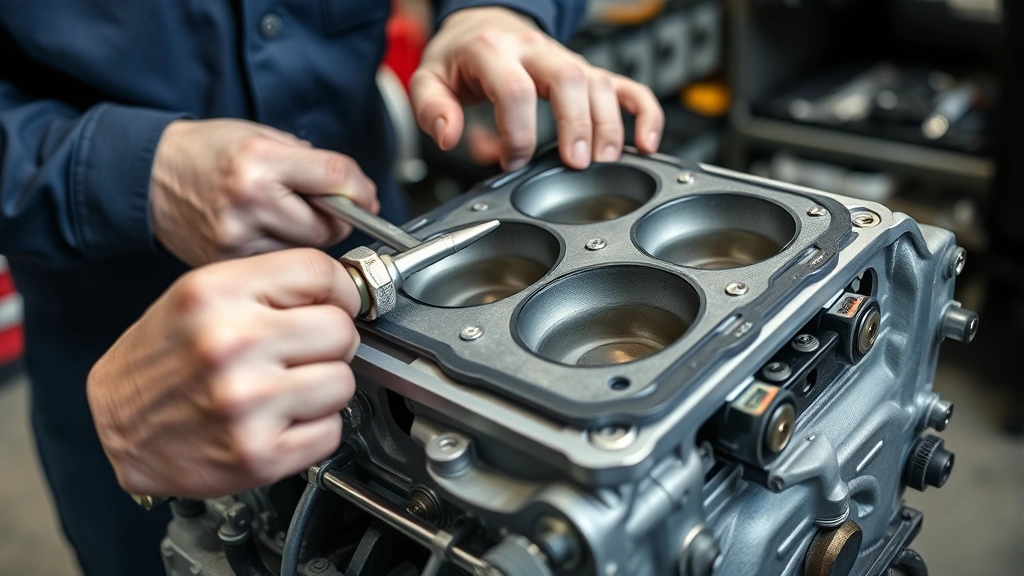
Blown Head Gasket Repair: DIY Cost Breakdown
A blown head gasket represents one of the most serious engine problems a vehicle owner can face, yet understanding the repair costs and options available can help you make informed decisions about whether to tackle it yourself or seek professional help. The head gasket serves as a critical seal between your engine block and cylinder head, preventing coolant and oil from mixing while maintaining proper combustion chamber pressure. When this seal fails, the consequences ripple through your entire engine system, affecting performance, reliability, and ultimately your wallet.
The financial impact of a blown head gasket varies dramatically depending on your vehicle type, engine configuration, labor accessibility, and whether you choose professional repair or attempt a DIY approach. While professional shops typically charge between $1,500 and $3,000 for complete replacement, understanding the granular cost breakdown empowers you to evaluate DIY viability and potentially save thousands of dollars. This comprehensive guide walks you through every expense category, material cost, tool requirements, and critical decision points to help you determine the true cost of fixing a blown head gasket.
What Is a Head Gasket and Why It Fails
The head gasket functions as your engine’s most critical seal, positioned between the cylinder head and engine block where extreme pressure, temperature fluctuations, and chemical exposure occur simultaneously. This thin but mighty component must withstand combustion pressures exceeding 1,000 pounds per square inch while maintaining integrity across thousands of thermal cycles as your engine heats and cools. Modern head gaskets typically consist of multi-layer steel construction with elastomer coatings designed to expand and contract with engine temperature changes while maintaining a perfect seal.
Head gaskets fail through several mechanisms, each with different implications for repair scope and cost. Overheating represents the primary failure cause, as excessive temperatures can warp the cylinder head or engine block, breaking the gasket’s seal. Manufacturing defects in certain vehicle models create premature failures even under normal operating conditions. Detonation from improper fuel octane rating or carbon buildup can create pressure spikes that exceed the gasket’s design limits. Improper installation during previous repairs, inadequate bolt torque specifications, or using incorrect replacement gaskets can cause immediate or premature failure. Understanding your specific failure cause helps determine whether you’re addressing just the gasket or underlying engine damage that could compromise a DIY repair.
Professional Repair Costs vs. DIY Expenses
Professional automotive shops typically quote $1,500 to $3,000 for complete head gasket replacement on most vehicles, though luxury brands, high-performance engines, and vehicles with poor accessibility can exceed $4,000. This price range reflects labor costs averaging $100 to $150 per hour multiplied by 10 to 20 hours of work, depending on engine layout and manufacturer access design. The quote usually includes gasket replacement, bolt replacement, fluid refills, and basic diagnostics to identify failure causes.
DIY repair costs typically range from $300 to $800 in materials and gaskets, assuming you already own basic hand tools and have access to a suitable workspace. However, this calculation changes dramatically if you need to purchase specialized tools, rent a engine hoist, or require diagnostic equipment. The labor savings—potentially $1,200 to $2,400—must be weighed against the risks of improper installation, damage to adjacent components, and the time investment of 15 to 25 hours spread across several days or weeks.
When evaluating DIY car repairs for your vehicle, head gasket work represents a significant undertaking. The decision hinges on your mechanical skill level, available tools, workspace conditions, and comfort with engine disassembly. First-time engine work on a blown head gasket presents substantial risk—one misaligned bolt or incorrect torque sequence can result in another gasket failure within months, negating all your cost savings.
Essential Tools and Equipment Investment
Before calculating material costs, assess your existing tool inventory against the specialized equipment head gasket replacement demands. Basic hand tools—socket sets, wrenches, screwdrivers, and pliers—represent the minimum requirement, but head gasket work requires several items many DIY enthusiasts lack. A torque wrench rated for your engine’s specifications (typically 20 to 100 foot-pounds) is absolutely essential, as head bolt torque must be applied in precise sequence to exact specifications. Improper torque causes uneven gasket compression, leading to leaks and premature failure.
An engine hoist or jack system becomes necessary for vehicles requiring cylinder head removal from above, as supporting the engine safely during work prevents catastrophic damage if components slip. Engine hoists typically cost $150 to $400 for purchase or $40 to $60 for daily rental from equipment shops. Gasket scraper tools (roughly $15 to $30) remove old gasket material, though you can improvise with careful use of plastic scrapers or wooden dowels to avoid damaging aluminum surfaces. A compression tester ($25 to $50) helps diagnose the failure cause and verify repair success. A leak-down tester ($50 to $100) provides more detailed diagnostics for determining whether combustion chamber leakage contributed to failure.
Specialty tools vary by engine type—some vehicles require cam locking tools ($40 to $80) to maintain camshaft timing during head removal, while others need harmonic balancer pullers ($30 to $70) or specific bolt extraction tools. Consult your vehicle’s service manual to identify exact requirements before starting work. Many auto parts suppliers rent specialty tools for $5 to $15 per day, making rental more economical than purchase for single-use applications.
Material Costs Breakdown
The head gasket itself typically costs $50 to $200 depending on your vehicle’s engine type and manufacturer. Standard gaskets for common engines like four-cylinder or V6 configurations run $50 to $100, while specialty gaskets for performance engines, diesel powerplants, or vehicles with complex multi-piece gasket sets can reach $200 to $300. Original equipment manufacturer (OEM) gaskets from your vehicle’s manufacturer cost more but offer guaranteed compatibility, while aftermarket options from reputable suppliers like Fel-Pro or Victor Reinz provide quality at lower price points.
Head bolts require replacement on virtually all modern vehicles, as they experience permanent stretching during the original installation and tightening process. A complete set of head bolts costs $40 to $150 depending on bolt count and material specifications. Using old bolts risks inadequate clamping force and gasket failure, making this a non-negotiable expense despite the temptation to reuse them. Some vehicles require torque-to-yield bolts that permanently deform during installation, making reuse impossible.
Coolant system flush and refill represents another material expense, typically $30 to $60 for quality coolant suitable for your vehicle’s specifications. During head gasket failure, coolant often contaminates the oil, requiring complete oil and filter changes ($30 to $80). Valve cover gaskets frequently leak after head removal and reinstallation, so budgeting $15 to $40 for replacement gaskets prevents future work. Intake manifold gaskets sometimes require replacement ($20 to $50), and thermostat replacement ($20 to $40) makes sense while you have cooling system components exposed.
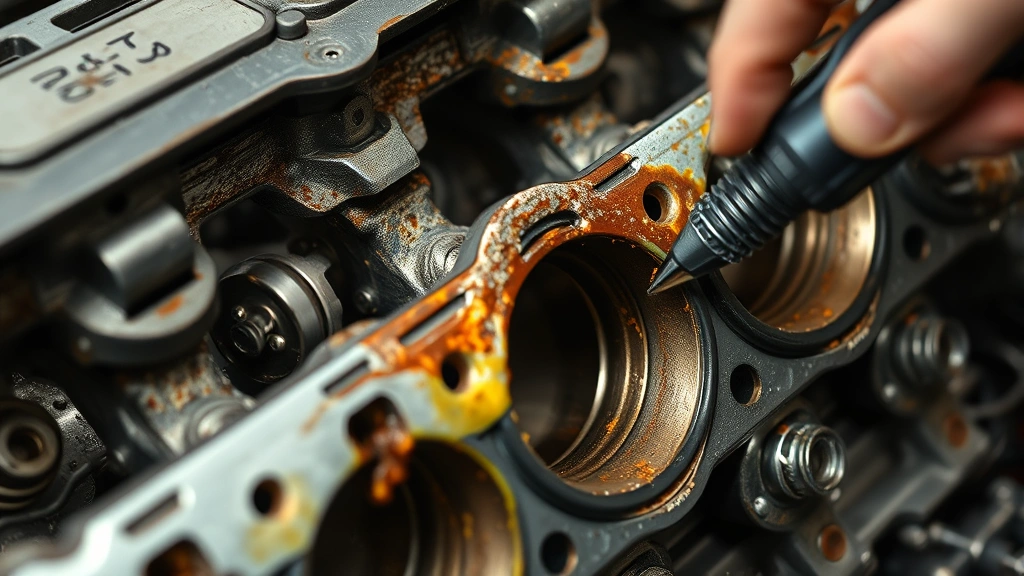
Miscellaneous seals and gaskets for water pump, fuel system components, or emission system parts might add another $30 to $100 depending on your specific engine and current component condition. Sealant products for gasket surfaces—typically high-temperature gasket maker ($10 to $20)—ensure optimal sealing on surfaces where gaskets alone prove insufficient. A gasket set specifically designed for your engine model (typically $80 to $150) bundles many of these items together, often providing better value than purchasing components individually.
Step-by-Step Cost Analysis
Breaking down the repair into distinct phases reveals where costs accumulate and where DIY efforts save money most effectively. The diagnostic phase ($0 to $150 if you need professional confirmation) identifies the failure cause through compression testing, visual inspection, or pressure testing. Many DIY enthusiasts skip this step, but understanding failure causes prevents repeating the same mistake after repair completion.
Preparation and safety setup ($50 to $200) includes workspace setup, safety equipment, and specialized tool rental. Disconnecting battery terminals, draining fluids, and removing engine covers or accessories takes two to four hours and represents the least technically demanding portion of the job. This phase costs little but establishes the foundation for successful work.
Engine disassembly ($150 to $400 in potential tool rental) requires removing intake manifolds, exhaust manifolds, timing belt or chain covers, and various ancillary components to access the cylinder head bolts. This phase typically consumes 6 to 10 hours for vehicles with good accessibility and up to 15 hours for engines with poor design. Each removed component requires careful documentation of bolt sizes, locations, and sequences to ensure proper reassembly.
Cylinder head removal and gasket replacement ($100 to $250 in materials) involves supporting the engine, unbolting the cylinder head, carefully lifting it clear of the block, cleaning all gasket surfaces, and installing the new gasket with new bolts in the correct sequence. This critical phase demands precision—incorrect bolt sequences or torque specifications virtually guarantee failure. The actual bolt installation typically takes three to five hours.
Reassembly and testing ($100 to $300 in potential additional parts) involves reinstalling all components in reverse order, refilling fluids, and performing diagnostic checks to verify successful repair. This phase often reveals additional issues requiring attention—vacuum lines that cracked during removal, corroded fasteners that broke during disassembly, or components that shifted during engine work requiring adjustment. Many DIY repairs extend longer than expected during this phase.
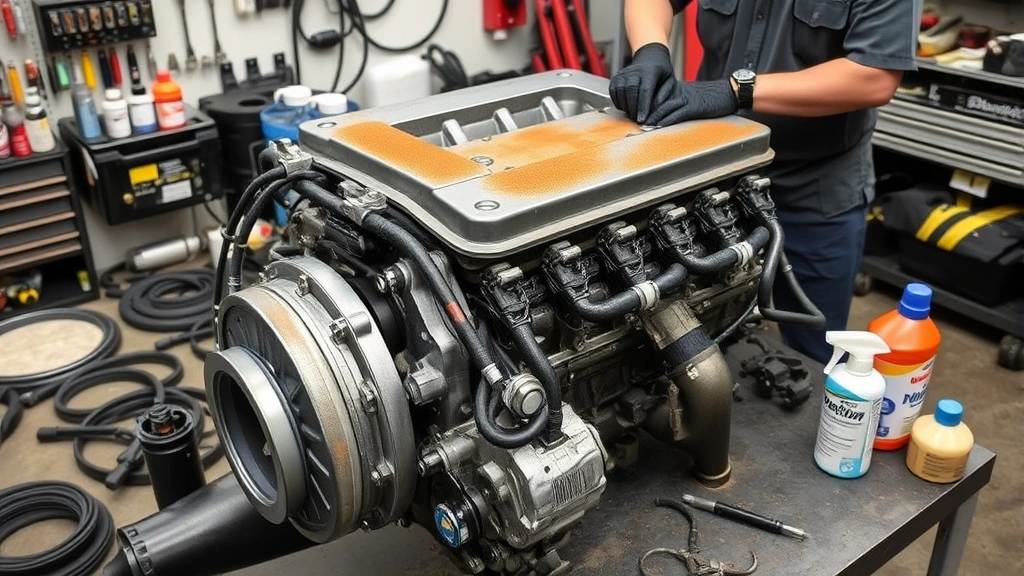
Hidden Expenses and Complications
Even well-planned DIY head gasket repairs frequently encounter unexpected expenses that inflate the final bill. Coolant and oil contamination from the gasket failure often requires flushing the entire cooling system ($50 to $150) and potentially replacing the radiator ($200 to $600) if corrosion or debris damage occurred. Engine oil that mixed with coolant requires complete system flushing before new oil installation, adding $40 to $80 to material costs.
Cylinder head warping—a common consequence of overheating that caused the gasket failure—may require professional resurfacing at a machine shop ($150 to $400). Attempting to reinstall a warped head guarantees gasket failure within weeks, making this check essential before proceeding with reassembly. Some machine shops charge for inspection ($50 to $75) if you decide not to proceed with resurfacing.
Broken fasteners represent another common hidden expense. Corrosion, improper removal technique, or material fatigue can cause bolts to break during removal, requiring extraction tools ($20 to $100 rental) and potential block damage repair ($100 to $300) if extraction goes wrong. Stripped bolt holes in aluminum blocks may require helicoil inserts ($5 to $15 per hole plus installation time) to restore proper threads.
Timing belt or chain replacement becomes necessary if your vehicle’s design requires removal to access the cylinder head. While this adds $300 to $1,000 to your repair cost, replacing the belt during head gasket work makes economic sense—the labor cost overlaps significantly, and premature belt failure creates catastrophic engine damage in many vehicle models. Consulting your vehicle’s maintenance schedule helps determine if belt replacement should occur simultaneously.
Valve cover gasket leaks frequently develop after reassembly, requiring additional work ($50 to $150 in materials and labor) within weeks of completion. Intake manifold gasket failures similarly plague post-repair periods, suggesting simultaneous replacement ($100 to $250) prevents frustrating return visits to the engine bay.
Improper reassembly creates expensive failures that force you to disassemble the engine again. Misaligned timing marks cause valve timing issues and poor performance ($200 to $400 in diagnostics and correction). Incorrect bolt sequences lead to localized gasket compression failure and leaks ($500 to $1,000 to repeat the repair). These scenarios transform a $300 to $800 repair into a $1,500 to $2,000 ordeal, eliminating all cost savings from DIY effort.
When to Call a Professional
Certain situations demand professional attention despite the cost premium. Vehicles with engines in poor accessibility positions—particularly some transverse-mounted engines or those with complex supercharger or turbocharger plumbing—require professional shop equipment and expertise. The time investment alone ($25 to $40 hours) may exceed the professional labor cost when calculated at your realistic hourly value.
First-time engine work attempts carry substantially higher failure risk than professional execution. If this represents your first major engine disassembly, the learning curve introduces complications that experienced technicians handle routinely. The risk of repeating the repair within months often justifies professional work the first time, with future DIY attempts becoming viable after you observe the process.
Vehicles with concurrent engine problems—carbon buildup, valve seat wear, bearing issues, or compression loss in multiple cylinders—require comprehensive diagnostics that DIY shops cannot perform effectively. A professional shop can address multiple issues during head removal, whereas DIY repairs focused solely on gasket replacement may miss contributing problems that cause premature failure.
Warranty considerations matter for newer vehicles. Professional repair typically includes warranties (12 months to 3 years depending on the shop), whereas DIY repairs carry no protection. If your repair fails after six months, professional shops often re-perform work at no charge, while DIY failures require starting over entirely. This warranty value sometimes justifies professional labor costs for vehicles still in ownership long-term.
Time constraints and workspace limitations frequently make professional repair more practical. If you lack a suitable workspace, cannot leave your vehicle disabled for weeks, or don’t have adequate tools available, professional shops complete work faster despite higher costs. The convenience factor alone justifies professional service for many vehicle owners, particularly those dependent on their vehicles for daily transportation.
When comparing costs, remember that professional head gasket replacement costs include comprehensive diagnostics, warranty coverage, and insurance protection. DIY cost savings disappear quickly if complications arise or if the repair requires repetition.
FAQ
How much does a blown head gasket cost to fix?
Professional repair typically costs $1,500 to $3,000, while DIY materials run $300 to $800. The final cost depends on your vehicle type, engine accessibility, whether you own necessary tools, and if complications arise during repair. Luxury vehicles and engines with poor accessibility can exceed $4,000 at professional shops.
Can I drive with a blown head gasket?
Driving with a blown head gasket causes progressive engine damage as coolant leaks into cylinders and oil gets contaminated. Continuing to drive risks catastrophic engine failure requiring complete replacement ($3,000 to $8,000). Stop driving immediately and schedule repair within days to prevent compounding damage.
What tools do I absolutely need for head gasket replacement?
Essential tools include a torque wrench, socket sets, screwdrivers, gasket scrapers, and engine support equipment. Specialty tools vary by vehicle but might include timing tools, pulley holders, or bolt extractors. Many tools can be rented affordably from auto parts suppliers, making rental more economical than purchase for single-use applications.
How long does head gasket replacement take?
Professional shops typically complete replacement in 10 to 20 hours depending on engine design. DIY repairs usually require 15 to 25 hours spread across several days or weeks. First-time attempts often extend longer due to learning curve and unexpected complications.
Will my car pass inspection after DIY head gasket repair?
Properly executed DIY repairs pass inspection just as professional work does. However, improper installation causes check engine lights, compression issues, or emissions failures that prevent passing. Ensure correct bolt torque sequences, proper gasket seating, and complete system diagnostics before declaring the repair complete.
Should I replace other gaskets while the engine is apart?
Yes—replacing valve cover gaskets, intake manifold gaskets, and other seals during head removal makes economic sense since labor cost overlaps significantly. Skipping these replacements often leads to frustrating leaks within weeks, forcing you to disassemble the engine again for additional work.


