Car Wrapping Costs: Expert Insights & Breakdown
Car wrapping has become one of the most popular vehicle customization options for both personal and commercial use. Whether you’re looking to protect your vehicle’s original paint, achieve a dramatic aesthetic transformation, or create a mobile billboard for your business, understanding how much to get a car wrapped is essential before committing to this investment. The cost varies dramatically based on vehicle size, wrap quality, design complexity, and whether you choose professional installation or attempt a DIY approach.
This comprehensive guide breaks down car wrapping costs in detail, exploring everything from budget-friendly partial wraps to premium full vehicle coverings. We’ll examine the factors that influence pricing, compare professional versus DIY installation, and provide realistic expectations for your specific situation. By the end, you’ll have the knowledge to make an informed decision about whether a car wrap is the right choice for your needs and budget.
Understanding Car Wrap Basics
A car wrap is a large sheet of specially designed vinyl film that adheres to your vehicle’s exterior surfaces. Unlike paint, wraps are temporary and removable, making them an attractive option for those who want flexibility or protection without permanent modification. Wraps come in various finishes including gloss, matte, satin, chrome, and textured options, each affecting both appearance and price.
The primary purpose of a wrap extends beyond aesthetics. Many vehicle owners use wraps to maintain their car’s appearance and protect original paint from UV damage, road debris, and environmental contaminants. Commercial operators rely on wraps for branding visibility, while enthusiasts appreciate the ability to change their vehicle’s look without permanent commitment.
Understanding wrap categories is crucial for estimating costs. Full wraps cover the entire vehicle exterior, partial wraps cover specific sections, and spot wraps target individual panels. Each category has distinct pricing structures and installation complexity requirements.
Full Wrap Costs and Pricing
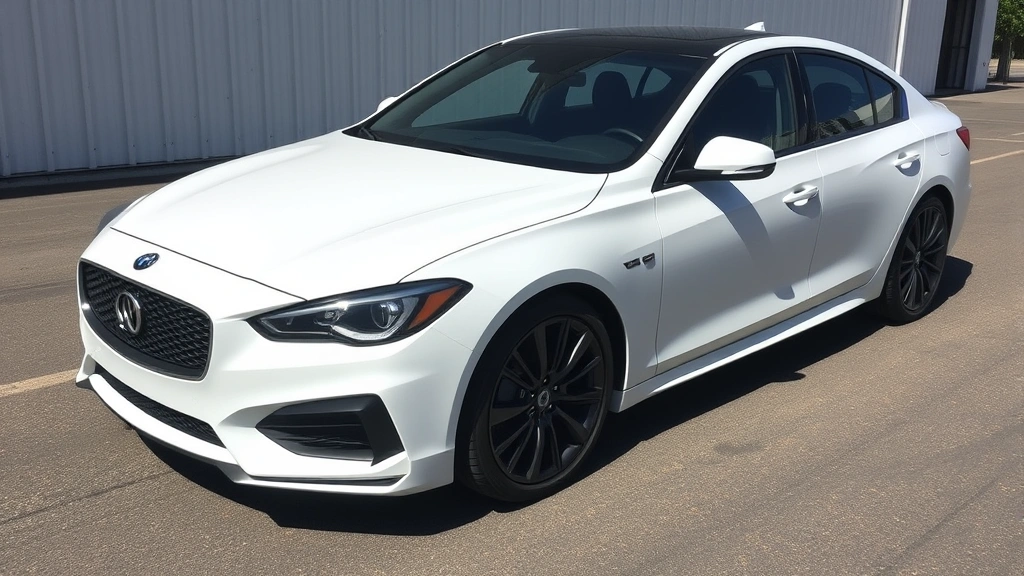
A complete full car wrap typically ranges from $2,500 to $5,000 for standard vehicles, with luxury or larger vehicles potentially exceeding $8,000. These prices reflect professional installation by experienced technicians using quality materials. The variation depends significantly on your vehicle class and chosen material grade.
For sedans and compact cars, expect to pay toward the lower end of the spectrum, roughly $2,500 to $3,500. Mid-size vehicles like SUVs and crossovers fall in the $3,500 to $5,000 range. Large trucks, vans, and commercial vehicles can reach $6,000 to $8,000 or more. If you’re considering a truck wrap specifically, our detailed guide on how much it costs to wrap a truck provides truck-specific pricing breakdowns.
Premium materials and custom designs increase costs substantially. Specialty finishes like chrome, metallic, or color-shifting wraps add $500 to $2,000 to the total. Complex custom graphics or multi-color designs requiring extensive design work can push costs even higher, sometimes reaching $10,000 or more for high-end commercial applications.
Partial Wrap Options
Partial wraps offer budget-conscious alternatives for those who don’t need complete coverage. These options allow you to achieve significant visual impact while controlling expenses. Common partial wrap configurations include hood wraps, roof wraps, side stripe wraps, and bumper wraps.
Hood and roof wraps typically cost $300 to $800 each. These high-visibility areas dramatically change your vehicle’s appearance while remaining affordable. Side stripe wraps run $400 to $1,200 and create dynamic racing stripes or accent lines down vehicle sides. Bumper wraps cost $200 to $500 and protect these impact-prone areas while adding visual interest.
For commercial purposes, many businesses choose window wraps and door wraps ranging from $150 to $600 each. These targeted wraps maximize advertising visibility on high-traffic vehicles. A quarter wrap, covering roughly 25% of the vehicle, typically costs $800 to $1,500. Half wraps covering front or rear halves range from $1,500 to $3,000.
Strategic partial wrapping makes sense when budget constraints exist or when you want to emphasize specific design elements. Many owners start with partial wraps before committing to full coverage, testing designs and durability before larger investments.
Material Quality and Durability
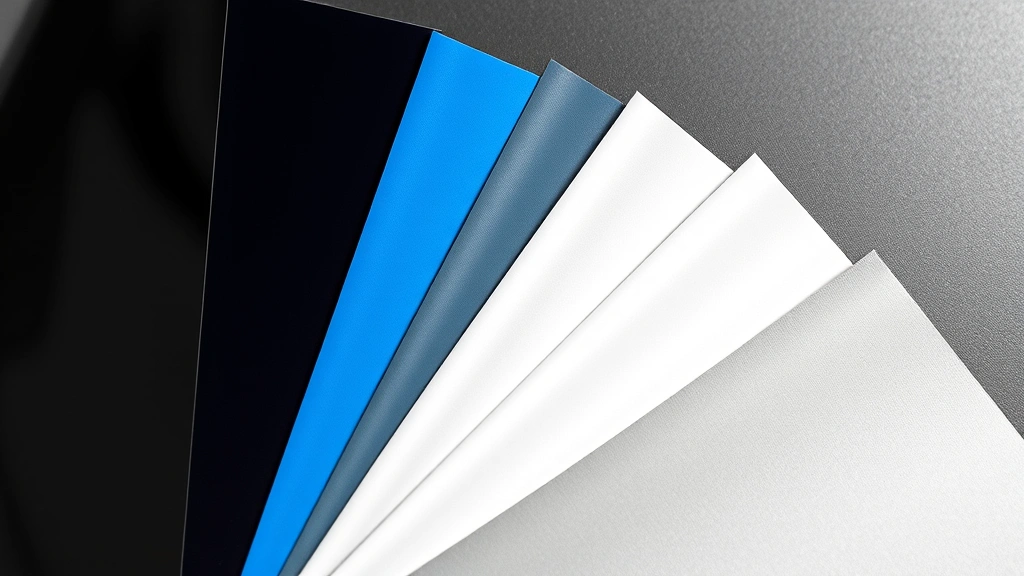
Vinyl wrap quality significantly impacts both cost and longevity. Professional-grade vinyl films from manufacturers like 3M and Avery Dennison offer superior durability compared to budget alternatives. Premium films cost more upfront but last longer and maintain appearance better.
Budget vinyl wraps ($1.50-$3 per square foot) typically last 3-5 years and may show color fading or adhesion issues sooner. Mid-range wraps ($3-$6 per square foot) provide 5-7 years of durability with better UV protection and color retention. Premium wraps ($6-$12 per square foot) last 7-10 years and feature superior adhesion, color stability, and finish options.
The difference between material grades becomes apparent after 2-3 years of exposure. Premium materials resist fading, maintain adhesion in temperature fluctuations, and resist cracking or peeling. For vehicles in harsh climates or exposed to intense sunlight, premium materials represent better long-term value despite higher initial costs.
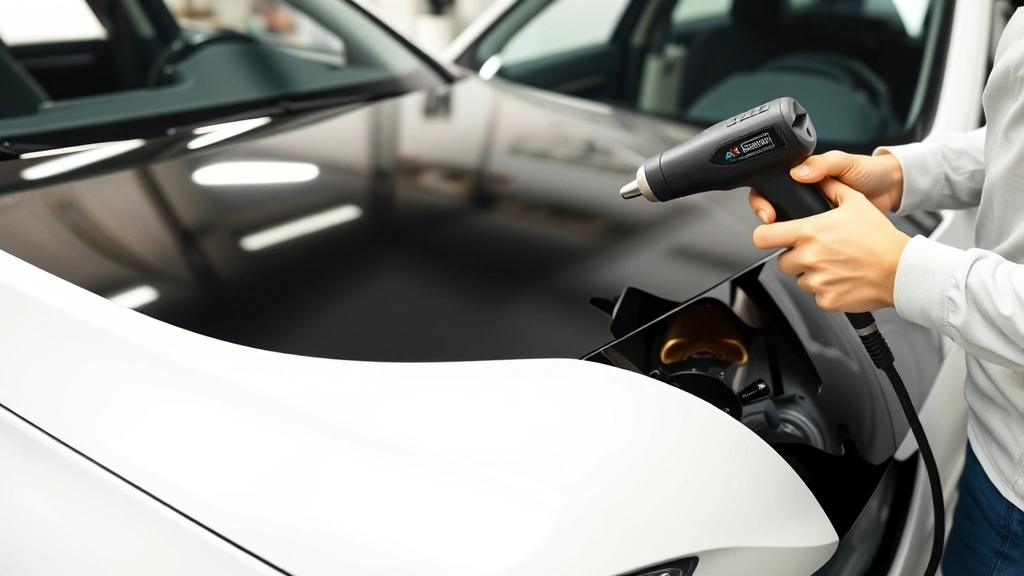
Installation quality affects durability as much as material choice. Professional installers use heat guns, squeegees, and proper techniques to ensure complete adhesion and eliminate air bubbles. Poor installation can cause premature failure regardless of material quality. This is why professional installation, though more expensive initially, often provides superior results.
Professional Installation vs DIY
Professional installation costs $800 to $2,000 for a full wrap but ensures quality results and warranty coverage. Professional installers possess specialized equipment, years of experience, and established processes for handling complex curves, seams, and transitions. They typically guarantee their work for 2-5 years.
DIY wrapping appeals to those seeking significant cost savings, potentially reducing expenses by 40-60%. However, DIY installation requires specialized tools including heat guns, squeegees, cutting tools, and application fluid. You’ll also need workspace with climate control, as temperature and humidity significantly affect vinyl adhesion.
The learning curve for DIY wrapping is substantial. Common mistakes include improper surface preparation, trapping air bubbles, insufficient heat application, and poor seam alignment. These errors often result in premature failure, wasted materials, and ultimately higher total costs when professional correction becomes necessary. If you’re interested in learning more about DIY automotive projects, check out our DIY car repairs beginner’s guide for foundational skills.
For simple partial wraps like hood or roof coverings, DIY is more feasible. For full wraps, especially on vehicles with complex body lines, professional installation is strongly recommended. The labor-intensive nature of proper installation justifies professional costs.
Additional Factors Affecting Price
Surface preparation significantly impacts final costs. Vehicles requiring paint correction, dent repair, or extensive cleaning before wrapping incur additional charges ($200-$800). Professional installers typically include basic cleaning but charge extra for correction work.
Design complexity influences pricing substantially. Simple solid-color wraps cost less than custom graphics requiring extensive design work. Custom designs may require designer consultation, mock-ups, and revisions, adding $300-$1,500 to total costs. Commercial branding wraps with logos, contact information, and custom artwork fall into this premium category.
Vehicle condition affects installation difficulty and cost. Vehicles with existing wraps require removal before new application, adding $200-$400. Heavily damaged paint or rust necessitates correction before wrapping, increasing expenses. Well-maintained vehicles with smooth, clean surfaces allow faster, less expensive installation.
Geographic location creates pricing variations. Urban areas with higher labor costs typically charge 20-40% more than rural regions. Shops in competitive markets may offer better pricing, while specialized shops in smaller areas command premium rates due to limited competition.
Warranty options affect pricing. Standard warranties covering material defects cost nothing, but extended warranties covering wear and maintenance may add $200-$500. Some shops offer maintenance packages including protective coatings or periodic cleaning.
Long-Term Value and ROI
Evaluating car wrap value requires considering long-term benefits beyond initial costs. For personal vehicles, wraps protect original paint, potentially preserving resale value. A protected paint job in excellent condition can justify wrap costs when selling the vehicle. Commercial operators often see strong ROI through advertising exposure, especially high-mileage vehicles receiving significant visibility.
Business vehicles can generate exceptional returns. A commercial wrap costing $4,000 might provide $10,000+ in advertising value annually for a frequently-seen vehicle. This makes professional-quality wraps sensible business investments. Compare this to traditional advertising costs, and wrap ROI becomes compelling.
Maintenance costs factor into long-term value. Wrapped vehicles require gentle washing with soft brushes and pH-neutral soap, costing slightly more than standard car care. However, protected original paint may eliminate expensive repainting or touch-up costs down the road. For detailed maintenance information, our guide on DIY car cleaning covers proper wrapped vehicle care.
Resale considerations vary by market. Some buyers prefer original paint and may view wraps negatively, while others appreciate paint protection. Removable wraps maintain original paint condition underneath, allowing removal before sale if desired. This flexibility provides value for those concerned about future resale impact.
Durability comparisons with alternatives like paint protection film (PPF) or ceramic coatings show wraps offer superior aesthetic versatility. While PPF and ceramic coatings cost $500-$3,000, they only protect existing paint color. Wraps provide complete visual transformation at comparable or lower costs, making them superior for those seeking appearance changes.
FAQ
How long does a car wrap typically last?
Quality professional wraps last 5-10 years depending on material grade, climate exposure, and maintenance. Budget wraps may fail after 3-5 years, while premium materials with proper care can exceed 10 years. Vehicles in harsh sun or extreme temperature climates experience shorter lifespan than those in moderate conditions.
Can I wrap a car with existing damage or poor paint?
Professional installers require smooth, clean surfaces for proper adhesion. Significant damage, rust, or peeling paint requires correction before wrapping, adding $200-$800 to costs. Minor imperfections can be worked around, but extensive damage prevention is necessary to ensure wrap longevity.
Is professional installation really necessary?
For full wraps, professional installation is strongly recommended. Professional installers have experience managing complex body lines, creating seamless transitions, and ensuring proper adhesion. DIY full wraps frequently result in bubbles, wrinkles, and premature failure. Simple partial wraps are more DIY-friendly than complete coverage.
What’s included in wrap maintenance?
Wrapped vehicles require washing with soft brushes, pH-neutral soap, and avoiding high-pressure washers. Avoid automatic car washes with aggressive brushes. Hand washing every 2-4 weeks maintains appearance and extends lifespan. Some owners apply protective coatings ($100-$300) for additional durability.
Can wraps be removed without damaging paint?
Professional wrap removal preserves underlying paint when performed correctly. Improper removal techniques can damage paint, but experienced technicians use heat and careful techniques to remove wraps safely. Removal typically costs $200-$500 and takes several hours depending on vehicle size.
How does wrap cost compare to repainting?
A quality paint job costs $3,000-$10,000 depending on vehicle size and paint quality. Wraps cost $2,500-$5,000 for equivalent coverage. Wraps offer better value for temporary changes, while paint is better for permanent modifications. Unlike paint, wraps are removable, providing flexibility wraps possess that paint doesn’t.
What’s the difference between wrap materials?
Vinyl films vary in thickness, adhesive strength, and durability. Premium brands like Avery Dennison offer superior color stability and longevity. Budget materials fade faster and may develop adhesion issues. Professional installers typically recommend mid-range to premium materials for best results and customer satisfaction.
Are there industry standards for wrap installation?
The Automotive Industry Action Group and vinyl manufacturers establish installation guidelines. Professional installers follow these standards, which include surface preparation, temperature requirements, and application techniques. Adherence to industry standards ensures quality results and warranty validity.
Can I get a warranty on my wrap?
Most professional shops offer 2-5 year warranties covering material defects and installation quality. Warranties typically exclude damage from accidents, improper maintenance, or normal wear. Some shops offer extended warranties for additional costs, providing peace of mind for expensive wraps.
How do I choose between full, partial, and quarter wraps?
Full wraps provide complete visual transformation and maximum paint protection but cost most. Partial wraps reduce costs while creating significant impact on specific areas. Quarter wraps suit tight budgets or those wanting subtle changes. Consider your budget, design goals, and visibility needs when choosing coverage type. If you’re also exploring other vehicle modifications, our guide on truck lift costs explores complementary customization options.


