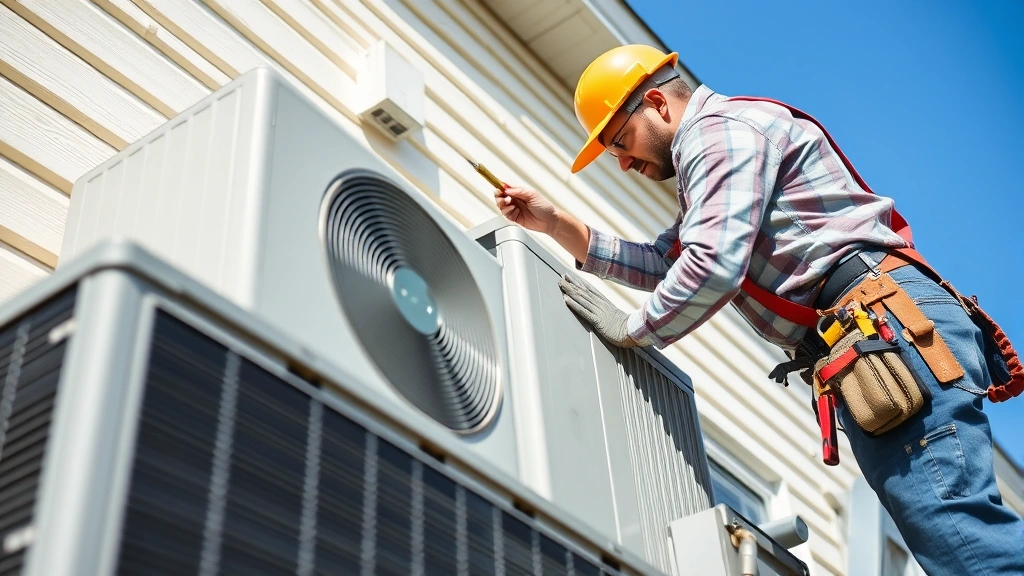
Cost to Install Central Air Conditioning System: Expert Pricing Insights
Installing a central air conditioning system represents one of the most significant home improvement investments you’ll make, with costs ranging from $3,500 to $7,500 for most residential properties. Understanding the breakdown of these expenses—from equipment and labor to permits and ductwork—empowers you to make informed decisions and avoid unexpected financial surprises. Whether you’re upgrading an existing HVAC system or installing central air in a home that lacks climate control, this comprehensive guide will walk you through every pricing factor and help you determine what you should realistically budget.
Central air conditioning installation involves more than simply placing a unit outside your home. The process requires professional assessment of your home’s square footage, existing ductwork, electrical capacity, and regional climate conditions. Labor costs alone typically account for 40-50% of your total installation expense, while equipment, permits, and additional modifications make up the remainder. By understanding these components, you’ll be better equipped to negotiate with contractors and recognize fair pricing in your market.
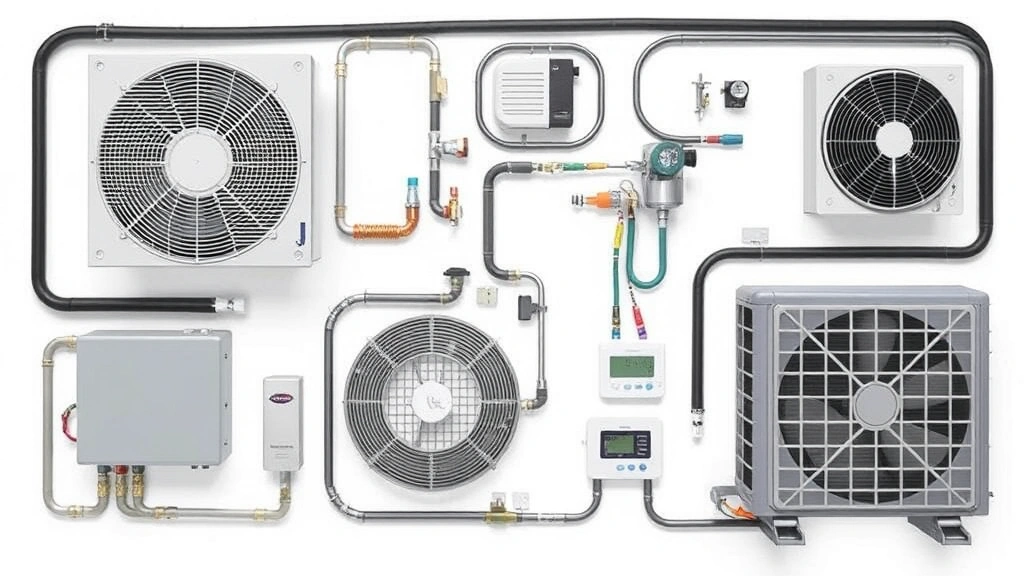
Average Central Air Installation Costs
The average homeowner pays between $3,500 and $7,500 to install a complete central air conditioning system, though prices can exceed $10,000 in complex installations or high-cost regions. For a standard 2,000 square-foot home with existing ductwork, expect to spend approximately $4,500 to $6,000. The variation in pricing stems from multiple variables including your geographic location, home size, system capacity (measured in tons), and whether you’re replacing an existing unit or installing from scratch.
Regional differences play a substantial role in pricing. Southern states with higher demand for cooling systems often have more competitive pricing due to increased contractor availability, while northern regions may charge premium rates because AC installation occurs during peak summer season. A system that costs $5,000 in Texas might cost $6,500 in Maine, reflecting both market demand and the urgency of installation timing.
When comparing quotes, ensure you’re evaluating equivalent systems. A basic 3-ton unit from a budget manufacturer differs significantly from a high-efficiency 3-ton system with advanced features. Understanding the specifications—SEER rating, noise levels, smart thermostat compatibility, and warranty coverage—helps you compare true apples-to-apples pricing rather than simply choosing the lowest bid.
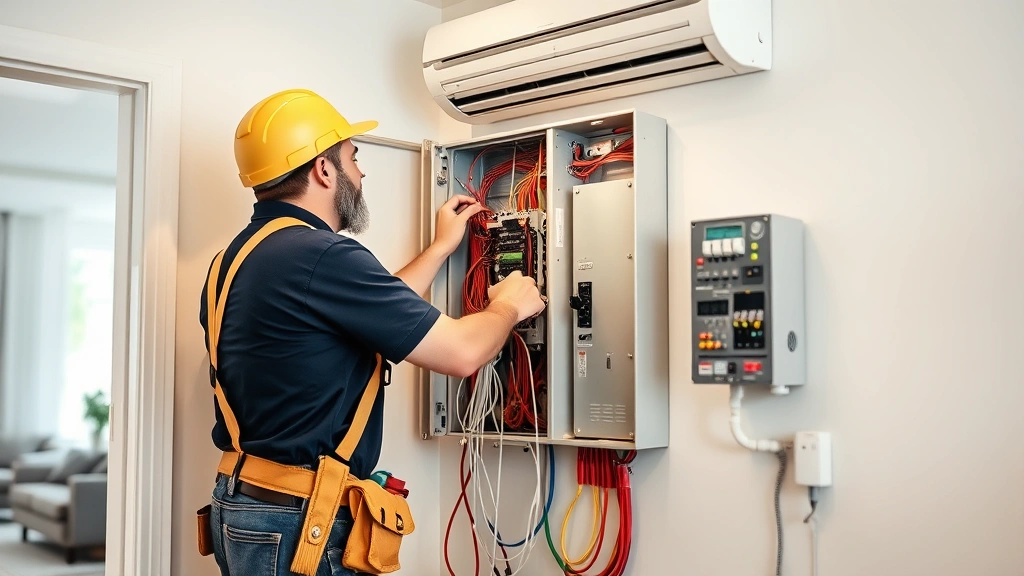
Equipment and Unit Pricing
The air conditioning unit itself typically costs $1,500 to $3,500 before installation labor. This represents 30-40% of your total project cost and varies based on the system’s efficiency rating and cooling capacity. SEER (Seasonal Energy Efficiency Ratio) ratings determine how efficiently your system converts electricity into cooling power, with higher ratings reducing long-term energy bills despite higher upfront costs.
Basic models with SEER 13-14 ratings start around $1,500 for a 3-ton unit, making them budget-friendly options for homeowners prioritizing initial savings. Mid-range systems with SEER 15-16 ratings cost $2,000 to $2,500 and offer meaningful energy savings that recoup their premium cost within 5-7 years through reduced utility bills. Premium high-efficiency units with SEER 17+ ratings range from $2,500 to $3,500 and appeal to environmentally conscious homeowners and those planning extended home ownership.
Your home’s cooling capacity requirements determine which tonnage you need. A 1-ton unit cools approximately 400-600 square feet, so a 2,000 square-foot home typically requires a 3-4 ton system. Oversizing your system wastes money and reduces efficiency, while undersizing leaves hot spots and forces the compressor to work excessively. Professional HVAC contractors perform Manual J calculations to determine your exact capacity needs based on insulation levels, window quality, local climate, and sun exposure.
Additional equipment costs include the condenser unit (outdoor component), evaporator coil (indoor component), refrigerant lines, and thermostat. If you’re upgrading to a smart thermostat for home automation, expect to add $150-400 to your equipment expenses. Premium thermostats with learning capabilities and smartphone integration justify their cost through convenience and energy optimization.
Labor Costs and Installation Timeline
Professional installation labor typically costs $1,500 to $2,500 for a standard central air system replacement, representing the largest single component of your total expense. This labor covers system sizing calculations, removal of existing equipment (if applicable), installation of new units, ductwork modifications, refrigerant charging, electrical connections, and system testing. Experienced HVAC technicians with proper licensing and insurance command higher rates but provide superior workmanship and warranty protection.
Installation timelines typically span 1-3 days depending on system complexity. A straightforward replacement where ductwork already exists might complete in a single day, while new ductwork installation or addressing electrical upgrades extends the project to 2-3 days. The contractor’s schedule and local permit requirements also influence timing. Scheduling your installation during off-peak seasons (spring or fall) sometimes reduces labor costs since contractors offer discounts when they’re less busy.
When evaluating contractor quotes, verify that labor includes system startup procedures, refrigerant charging, thermostat programming, and performance testing. Some contractors bundle these services while others charge separately. Additionally, confirm that labor includes a warranty period—reputable HVAC companies provide 1-5 year warranties on their installation workmanship, protecting you from premature failures caused by improper installation.
Geographic location significantly impacts labor rates. Urban areas with higher cost-of-living typically charge $75-150 per hour for HVAC work, while rural regions charge $50-100 per hour. However, rural installations sometimes cost more overall due to travel time and reduced contractor competition. Obtaining multiple quotes from licensed contractors ensures you understand your local market rates and can identify outlier pricing.
Additional Expenses and Hidden Costs
Beyond equipment and labor, several additional expenses commonly surprise homeowners during central air installation. Permits and inspections typically cost $100-300 and are required by most municipalities to ensure systems meet building codes. While this represents a small percentage of your total cost, permits provide essential protection by ensuring your system is properly sized, installed, and safe.
Ductwork modifications or installation constitute a major hidden cost that can add $1,000-3,000 to your project. If your home has existing forced-air heating ductwork, you may be able to use portions of it for cooling, reducing costs significantly. However, homes with baseboard heating, radiant heating, or no ductwork at all require complete ductwork installation. New ductwork installation costs $8-15 per linear foot, and a typical home requires 300-500 linear feet of ductwork.
Electrical upgrades frequently surprise homeowners with unexpected costs. Most central air systems require 240-volt service with a dedicated 30-60 amp circuit. If your electrical panel lacks capacity or proper breakers, electrician fees of $500-2,000 may be necessary. Some older homes require complete electrical panel upgrades, which can cost $3,000-5,000 independently. Always have a licensed electrician evaluate your home’s electrical capacity before finalizing installation quotes.
Refrigerant disposal and handling adds $50-150 to your cost if you’re replacing an existing system. Environmental regulations require proper recovery and recycling of refrigerant from old units, and contractors must pass EPA certification exams to handle these materials. This environmental protection increases costs slightly but reflects necessary regulatory compliance.
Thermostat installation and programming typically costs $100-300 beyond the thermostat purchase price. If you’re integrating your new system with existing home automation systems, additional networking and integration work may be necessary. Smart thermostat setup ensures your system optimizes energy efficiency and provides convenient remote control capabilities.
Factors Affecting Your Total Price
Your home’s age and construction significantly influence central air installation costs. Newer homes with modern ductwork, updated electrical panels, and proper insulation install systems more economically than older homes requiring extensive modifications. Historic homes sometimes face additional challenges with plaster walls, limited attic space, or unique architectural features that complicate ductwork installation.
Home size directly correlates with system capacity and installation complexity. A 1,500 square-foot home requires a smaller, less expensive system than a 3,500 square-foot home. However, pricing doesn’t scale linearly—a 3,000 square-foot home doesn’t cost exactly twice as much as a 1,500 square-foot installation due to economies of scale in equipment and fixed labor costs.
Your existing HVAC infrastructure dramatically affects pricing. Homes with functional ductwork and existing furnaces can reuse these components, significantly reducing costs. Homes without ductwork or with deteriorated ductwork face substantial additional expenses. Similarly, homes with adequate electrical service install more economically than those requiring electrical upgrades.
Climate zone and seasonal demand influence both equipment selection and contractor availability. Homes in hot climates might benefit from higher-capacity systems or premium efficiency units, increasing costs. Installation timing matters significantly—scheduling during peak cooling season (summer) often costs more and involves longer wait times, while off-season installation may offer contractor discounts and faster scheduling.
Contractor experience and company reputation affect pricing substantially. Well-established HVAC companies with extensive customer reviews and manufacturer certifications charge premium rates but deliver superior service, proper warranty coverage, and reliable follow-up support. Budget contractors might offer lower quotes but sometimes cut corners on quality or provide limited warranties.
Money-Saving Strategies
Obtaining multiple quotes from at least three licensed contractors is the single most important money-saving strategy. Comparing quotes helps you understand your local market rates, identify outlier pricing, and negotiate with your preferred contractor. When requesting quotes, provide identical specifications to each contractor to ensure accurate comparisons. Ask specifically about what labor, equipment, permits, and warranties are included in each quote.
Choosing appropriate efficiency levels balances upfront costs with long-term savings. While premium high-efficiency systems cost more initially, they reduce energy consumption by 20-30% compared to basic models. Calculate your payback period by dividing the equipment cost difference by estimated annual energy savings. If payback occurs within 5-7 years and you plan to stay in your home that long, the premium efficiency system makes financial sense.
Scheduling installation during off-peak seasons—spring or fall—sometimes yields contractor discounts of 5-15%. Additionally, bundling your central air installation with other HVAC work like furnace replacement or ductwork cleaning might qualify you for package discounts. Some contractors offer seasonal promotions or financing incentives that effectively reduce your true cost.
Performing basic DIY maintenance after installation extends system lifespan and prevents costly repairs. Regular filter changes, outdoor unit cleaning, and thermostat programming optimization maintain efficiency and reduce energy bills. This ongoing maintenance protects your investment and can extend equipment life by 5-10 years, maximizing your return on investment.
Exploring utility company rebates and tax incentives significantly reduces your net installation cost. Many utilities offer $300-1,000 rebates for installing high-efficiency systems, and federal tax credits sometimes cover 10-30% of equipment costs for qualifying efficiency ratings. Check Energy Star and your local utility websites for current incentive programs before finalizing your purchase.
Financing Options
Most homeowners finance central air installation rather than paying cash, with several attractive options available. Home equity loans offer fixed interest rates typically ranging from 4-8% and provide tax-deductible interest in many cases. These loans leverage your home’s equity and offer predictable monthly payments, making budgeting straightforward.
Home equity lines of credit (HELOCs) function like credit cards secured by your home equity, offering flexible borrowing with variable interest rates. HELOCs work well if you’re staging projects over time or uncertain about final costs, though variable rates introduce uncertainty compared to fixed-rate loans.
HVAC financing programs offered by contractors or third-party lenders often provide promotional rates—sometimes 0% for 12-24 months—making large purchases more manageable. Read the fine print carefully, as deferred interest sometimes applies if you don’t pay the balance before the promotional period ends. These programs work well for qualified buyers with good credit.
Personal loans from banks or credit unions offer unsecured borrowing without risking your home equity. Interest rates typically range from 5-12% depending on your credit score and loan term. These loans suit homeowners who prefer not to leverage home equity or those with insufficient equity for traditional home equity loans.
FHA 203(k) loans specifically finance home improvements including HVAC system installation. These government-backed loans suit first-time homebuyers or those with limited cash reserves, though they involve more complex underwriting processes than traditional financing.
Before finalizing financing, calculate the true cost including interest over your loan term. A $5,000 system financed at 7% over 10 years costs approximately $5,835 in total interest. Comparing financing options helps you select the approach minimizing your total cost while maintaining comfortable monthly payments aligned with your budget.
FAQ
How long does a central air system typically last?
Quality central air systems last 15-20 years with proper maintenance. Regular filter changes, professional tune-ups, and prompt repairs extend equipment life significantly. Some components like compressors may fail earlier, while properly maintained systems sometimes exceed 20 years of reliable operation.
Can I install central air in a home with no existing ductwork?
Yes, but it’s expensive. New ductwork installation costs $1,000-3,000+ depending on your home’s layout and size. Alternatively, ductless mini-split systems provide cooling without ductwork, though they cost similarly and have different aesthetic considerations. Consult with HVAC professionals about which approach suits your situation.
What’s the difference between SEER and SEER2 ratings?
SEER2 is the updated efficiency standard adopted in 2023, providing more realistic efficiency measurements than the older SEER rating system. SEER2 ratings are typically 15-20% lower than equivalent SEER ratings. When comparing systems, ensure you’re comparing equivalent rating types—don’t directly compare SEER and SEER2 numbers.
Should I replace my furnace when installing central air?
Not necessarily, but it’s often economical. If your furnace is 15+ years old or frequently requires repairs, replacing it simultaneously with central air installation saves money on labor and allows contractors to optimize your complete HVAC system. However, if your furnace works reliably, you can install central air independently.
How much can I save with a high-efficiency system?
High-efficiency systems (SEER 16+) reduce cooling costs by 20-30% compared to basic models. In hot climates with substantial cooling needs, annual savings might reach $300-600. Over a system’s 15-20 year lifespan, these savings easily justify the higher upfront equipment cost, especially when combined with utility rebates and tax incentives.
What permits are required for central air installation?
Most municipalities require mechanical permits for HVAC installation, with some also requiring electrical permits if wiring or panel work is necessary. Permit requirements vary by location, so consult your local building department. Reputable contractors handle permit applications as part of their service.
Can I use my existing thermostat with a new central air system?
Maybe, but upgrading to a compatible smart thermostat is often recommended. Older mechanical thermostats lack the features and accuracy of modern digital models. Upgrading costs only $150-300 more and provides superior temperature control, energy monitoring, and remote access capabilities.


