
Watering New Grass Seed: Expert Tips & Guidelines
Establishing a lush, healthy lawn starts with understanding the critical role water plays in grass seed germination and early growth. Whether you’re overseeding an existing lawn, repairing bare patches, or starting completely fresh, proper watering is the difference between vibrant green grass and disappointing dead patches. Many homeowners unknowingly sabotage their seeding efforts by either overwatering or underwatering during those crucial first few weeks when tender seedlings are most vulnerable.
The question of how much to water new grass seed doesn’t have a one-size-fits-all answer, but rather depends on soil type, climate, grass species, and local weather patterns. This comprehensive guide walks you through the science and practice of proper grass seed watering to help you achieve professional-quality results in your own yard. We’ll cover everything from initial moisture requirements through the establishment phase, ensuring your investment in seed and effort translates into a thriving lawn.

Understanding Grass Seed Water Requirements
Grass seed requires consistent moisture to germinate, but the specific amount depends on several factors including soil composition, seed type, and environmental conditions. Unlike established grass with deep root systems that can access water from lower soil layers, new seedlings rely entirely on surface moisture during their first critical weeks. Seeds need moisture to activate enzymes that trigger germination, making water availability a non-negotiable element of successful lawn establishment.
Most grass seed varieties require the top 1 to 2 inches of soil to remain consistently moist (but not waterlogged) for germination to occur. This typically takes 7 to 21 days depending on grass type, with cool-season grasses like fescue and bluegrass germinating faster than warm-season varieties like Bermuda or zoysia. The goal is maintaining what soil scientists call field capacity—the amount of water soil can hold against gravity after excess water drains away. At this moisture level, seeds have access to water without experiencing the oxygen deprivation that comes with waterlogged conditions.
Understanding your specific grass seed type is essential because different species have different water requirements during establishment. Cool-season grasses used in northern climates typically need more frequent light watering, while warm-season grasses in southern regions may tolerate slightly drier conditions. When starting a complete lawn renovation project, consult seed packaging or local extension services to confirm the ideal watering protocol for your specific grass variety and region.

Watering Schedule for New Grass Seed
The watering schedule for new grass seed follows a specific progression that changes as seedlings develop roots and become established. During the first two weeks (germination phase), your primary goal is keeping the soil surface consistently moist. This typically requires light watering 2 to 4 times daily, depending on temperature, humidity, and soil type. Each watering session should apply just enough water to moisten the top 1 to 2 inches of soil without creating puddles or runoff.
In week three through week six (early establishment phase), gradually reduce watering frequency while increasing the amount applied per session. Switch to once or twice daily watering, allowing slightly deeper penetration into the soil. This encourages developing root systems to grow deeper seeking moisture, rather than staying shallow near the surface. By week six, healthy seedlings should have developed enough root depth to handle once-daily watering or even every-other-day schedules if rainfall supplements irrigation.
After six weeks, transition to the mature lawn watering schedule, typically applying 1 to 1.5 inches of water per week through a combination of rainfall and irrigation. This deeper, less frequent watering promotes stronger root development compared to shallow daily sprinkling. The progression from frequent light watering to less frequent deep watering mirrors natural rainfall patterns and helps seedlings transition to self-sufficient mature plants.
Timing matters significantly for watering effectiveness. Early morning watering (between 5 and 9 AM) is ideal because it reduces evaporation losses, allows foliage to dry quickly (reducing disease risk), and provides moisture when grass plants begin active growth. Avoid evening watering when possible, as it leaves foliage wet overnight, creating conditions favorable for fungal diseases. If morning watering isn’t possible, midday watering, though less efficient due to evaporation, remains better than evening application.
Soil Moisture and Germination
The relationship between soil moisture and seed germination is direct and critical. Seeds contain an embryonic plant and stored energy reserves, but these remain dormant until moisture activates them. When water is absorbed through the seed coat, it triggers metabolic processes including enzyme activation and cell expansion. Without adequate moisture, these processes cannot initiate, and seeds remain dormant indefinitely. Conversely, excessive moisture creates anaerobic conditions that promote seed rot and fungal decay.
Soil type dramatically influences how moisture is distributed and retained. Sandy soils drain quickly, requiring more frequent watering because water moves rapidly below the germination zone. Clay soils retain moisture longer, potentially requiring less frequent watering but creating risk of waterlogging if overwatered. Loamy soils, the ideal balance of sand, silt, and clay, hold moisture well while maintaining adequate drainage. If you’re unsure about your soil type, conduct a simple jar test: fill a jar with soil sample and water, shake vigorously, then observe settlement patterns over 24 hours. Sand settles first, silt second, and clay last—their relative proportions indicate your soil composition.
During germination, check soil moisture by inserting your finger 1 to 2 inches into the soil. It should feel like a wrung-out sponge—moist but not soggy. If soil feels dusty or pulls away from your finger, increase watering frequency. If it’s muddy or forms a tight ball, reduce frequency and check drainage. This simple tactile assessment is often more reliable than automated sensors, especially during the critical germination window when visual observation is important.
Mulching can significantly improve moisture consistency. A thin layer (¼ to ½ inch) of straw or compost over seeded areas reduces surface evaporation by 20 to 30 percent, allowing you to water less frequently while maintaining optimal germination conditions. Avoid heavy mulch layers that block light or create a barrier preventing seedling emergence. When using mulch, ensure it’s weed-free and apply it immediately after seeding for maximum benefit.
Watering Methods and Equipment
Several watering methods can effectively deliver moisture to new grass seed, each with advantages and limitations. Oscillating sprinklers provide broad coverage and relatively even water distribution, making them suitable for larger seeded areas. Rotary sprinklers offer excellent coverage for medium to large lawns, though they may apply water too forcefully for freshly seeded areas in the first week. Soaker hoses deliver water slowly and directly to soil, minimizing runoff and evaporation, making them ideal for smaller spaces or areas with slope challenges.
Handheld watering wands or hoses with spray nozzles give you precise control over water application, allowing you to target seeded areas and adjust water pressure to avoid disturbing seeds. During the first week, this method is often preferred because you can apply water gently and monitor soil moisture visually. However, handheld watering is time-intensive and impractical for large lawns, making it better suited for patch repairs or smaller seeding projects.
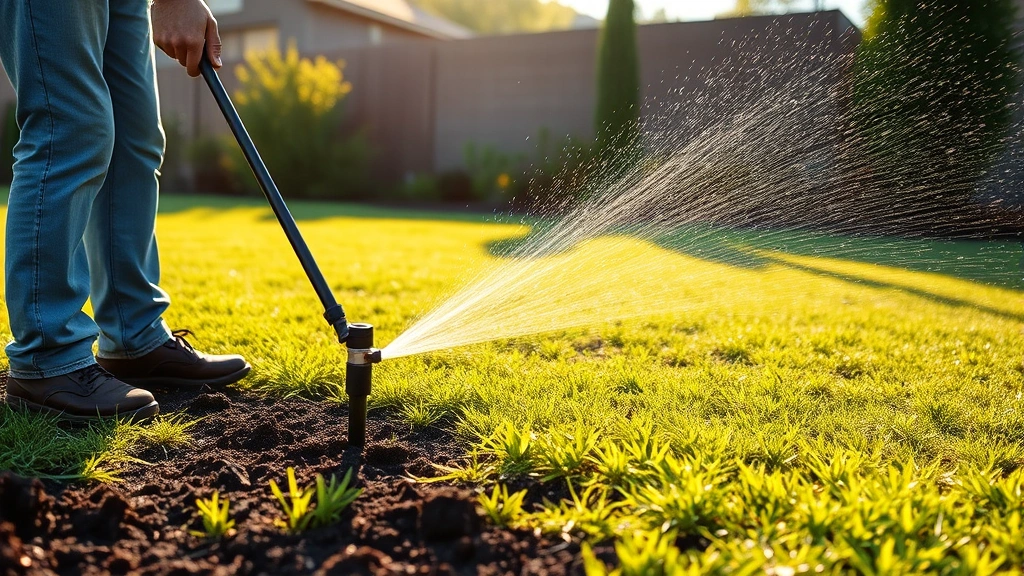
When selecting sprinkler equipment, look for models that deliver water in a fine mist rather than large droplets. Large water droplets can dislodge seeds or create channels in the soil that concentrate water flow. Aim for sprinkler patterns that overlap slightly to ensure even coverage without dry spots. Position sprinklers to avoid watering driveways, sidewalks, or garden beds where water waste increases costs and potentially affects neighbors.
For larger properties, consider temporary drip irrigation systems or impact sprinklers positioned strategically to cover the entire seeded area. Many hardware stores rent sprinkler equipment at reasonable daily or weekly rates, allowing you to try different systems before purchasing. Test your sprinkler coverage before seeding by placing small containers throughout the watering area and measuring accumulated water depth—aim for uniform depth across the entire zone.
Environmental Factors Affecting Watering
Temperature, humidity, wind, and rainfall all significantly influence how much and how often you need to water new grass seed. Hot, dry weather increases evaporation dramatically, potentially requiring watering 3 to 4 times daily during peak summer heat. Conversely, cool, humid conditions may allow less frequent watering because evaporation rates are lower. Monitor weather forecasts and adjust your watering schedule accordingly—if rain is expected, skip scheduled watering to avoid overwatering.
Wind accelerates evaporation and can dry out soil surface layers rapidly. On windy days, you may need to increase watering frequency or apply water earlier in the day before wind speeds peak. High humidity reduces evaporation, allowing you to extend time between waterings. Low humidity, common in arid regions or during spring and fall, significantly increases water loss from soil and plant surfaces.
Rainfall is the most economical and often most effective moisture source for new grass. A good soaking rain can provide a week’s worth of needed moisture. Monitor rainfall amounts (collect in a rain gauge or container) and adjust irrigation accordingly. Even 0.25 inches of rainfall reduces your irrigation needs, though new seedlings typically need 1 to 1.5 inches total weekly moisture from all sources combined.
Elevation and local climate zone influence water requirements. Higher elevations with thinner air experience faster evaporation, requiring more frequent watering. Coastal areas with marine influence may have more moderate temperatures and higher humidity, reducing watering needs. Check with your local cooperative extension office for region-specific watering recommendations based on historical climate data and typical growing conditions.
Common Watering Mistakes
One of the most frequent errors homeowners make is overwatering new grass seed, often with good intentions. Overwatering creates waterlogged conditions that promote seed rot, fungal diseases, and poor root development. Seeds and seedlings in saturated soil lack adequate oxygen, leading to decay before germination or shortly after sprouting. If you notice standing water or soil that remains soggy 24 hours after watering, reduce frequency and check drainage conditions.
Inconsistent watering schedules create stress on developing seedlings. Fluctuating between wet and dry conditions stresses seeds during germination and young plants during establishment. Even if daily watering seems excessive, consistency matters more than precision during the critical first two weeks. If you’re unable to maintain daily watering during peak germination season, delay seeding until you can commit to the necessary care schedule.
Watering too deeply too early can actually harm new seedlings. Deep watering encourages roots to grow toward deeper moisture sources, but new seedlings lack the root depth to access this water. Early deep watering wastes water and may leave surface soil too dry for emerging seeds. Maintain shallow, frequent watering during weeks 1-2, then gradually increase depth and decrease frequency.
Many homeowners water during midday heat, losing 20 to 30 percent of applied water to evaporation before it reaches soil. Additionally, water droplets on foliage during hot sun can act as magnifying glasses, causing leaf scorch. Early morning watering (ideally 5 to 9 AM) maximizes water efficiency and allows foliage to dry quickly, reducing disease risk.
Another common mistake is assuming visual dryness of the soil surface means insufficient moisture. The top ¼ inch of soil naturally dries faster than deeper layers due to sun exposure and wind. Check moisture 1 to 2 inches deep before deciding to water. This prevents unnecessary watering that wastes water and increases disease risk.
Transition to Mature Lawn Care
Once your new grass reaches 3 to 4 inches in height and has developed a healthy green color (typically 6 to 8 weeks after seeding), it’s transitioning to maturity and can handle more typical lawn watering practices. Begin spacing watering sessions further apart while increasing the depth of each watering. This transition is critical because it trains root systems to grow deeper, creating drought-resistant turf that requires less frequent irrigation long-term.
Mature lawns typically need 1 to 1.5 inches of water per week from combined rainfall and irrigation, applied in one or two deep waterings rather than daily sprinkling. This deeper, less frequent approach promotes root growth into lower soil layers where moisture is more stable and accessible during dry periods. Shallow daily watering encourages shallow root systems dependent on frequent irrigation—exactly the opposite of what you want in an established lawn.
Once your lawn is fully established and you’ve completed your other home improvement projects, implement a sustainable watering schedule based on local climate and rainfall patterns. Many regions receive sufficient natural rainfall during growing seasons, eliminating the need for supplemental irrigation. Where irrigation is necessary, early morning watering 2 to 3 times weekly typically maintains healthy, vigorous turf.
Soil amendments made before seeding pay dividends during the transition to mature lawn care. Lawns established in soil enriched with organic matter retain moisture more efficiently, reducing long-term watering requirements by 15 to 25 percent. If you’re planning major lawn work, invest time in soil improvement—this investment reduces water usage and maintenance costs for years.
As your lawn matures, monitor growth rates and adjust maintenance practices accordingly. Newly established grass often grows vigorously due to ideal growing conditions and lack of competition. Once established for a full growing season, growth rates typically moderate. Mowing height, fertilization, and watering schedules may need adjustment based on observed growth patterns and seasonal changes.
FAQ
How much water does new grass seed need daily?
During the germination phase (first 2 weeks), new grass seed needs enough water to keep the top 1 to 2 inches of soil consistently moist. This typically requires light watering 2 to 4 times daily, applying just enough water to moisten soil without creating puddles. Total daily water application usually ranges from 0.25 to 0.5 inches spread across multiple sessions. Exact amounts depend on soil type, temperature, humidity, and wind conditions. Sandy soils may need more frequent watering, while clay soils retain moisture longer.
Can you overwater new grass seed?
Yes, overwatering new grass seed is actually more common than underwatering and causes serious problems. Waterlogged soil creates anaerobic conditions promoting seed rot, fungal diseases, and poor seedling development. Overwatered seedlings develop weak root systems and are more susceptible to disease. Signs of overwatering include standing water, muddy soil, visible mold or fungal growth, and seedling decline despite adequate moisture. Reduce watering frequency if you notice these signs, and ensure proper drainage before seeding future areas.
What time of day is best to water new grass seed?
Early morning (5 to 9 AM) is the ideal time to water new grass seed. Morning watering reduces evaporation losses, allows foliage to dry quickly (reducing fungal disease risk), and provides moisture when grass plants begin active growth. Avoid evening watering, which leaves foliage wet overnight and promotes disease development. Midday watering, though less efficient due to evaporation, is acceptable if morning watering isn’t possible. Never water late evening or at night.
How do you know if new grass seed has enough water?
Check soil moisture by inserting your finger 1 to 2 inches into the soil. It should feel like a wrung-out sponge—moist but not soggy. The soil shouldn’t form a tight ball (too wet) or feel dusty (too dry). Visual inspection helps too: soil should appear dark and moist on the surface without standing water or runoff. Seedlings should appear green and turgid (firm), not wilted or yellowed. If you’re unsure, err toward slightly drier conditions—overwatering is more harmful than underwatering.
Should you water new grass seed every day?
During the first 2 weeks of germination, yes—daily watering (usually 2 to 4 light applications) is necessary to keep soil consistently moist. However, “daily” doesn’t mean one watering per day; it means watering once daily total moisture is distributed across multiple light sessions. After the germination phase (weeks 3-6), gradually reduce frequency to once or twice daily while increasing application amounts. By week 6-8, transition to every-other-day or three-times-weekly watering as seedlings establish deeper root systems.
Can rain replace watering for new grass seed?
Rain can absolutely replace or supplement irrigation for new grass seed, provided it’s consistent and adequate. A good soaking rain providing 0.5 to 1 inch of moisture can satisfy several days of irrigation needs. Monitor rainfall amounts with a rain gauge and adjust your irrigation schedule accordingly. However, don’t rely entirely on rain during the critical germination phase—if natural rainfall is inconsistent, supplemental irrigation is necessary to maintain consistent soil moisture. Once seedlings are established (after 6 weeks), natural rainfall often provides sufficient moisture in most regions.
What’s the difference between watering new seed and established grass?
New grass seed requires frequent light watering to keep soil surface moist during germination (1-2 inches deep, 2-4 times daily for 2 weeks). Established grass needs less frequent but deeper watering (1-1.5 inches weekly in one or two applications) that encourages deep root growth. New seedlings are vulnerable to drought stress and disease, requiring careful moisture management. Established grass has deep root systems accessing water from lower soil layers and can tolerate some drought stress. The transition from frequent shallow watering to infrequent deep watering typically occurs over 6-8 weeks.
Does mulch help new grass seed stay moist?
Yes, mulch significantly helps new grass seed retain moisture. A thin layer (¼ to ½ inch) of straw or compost reduces surface evaporation by 20 to 30 percent, allowing less frequent watering while maintaining optimal germination conditions. Mulch also moderates soil temperature and protects seeds from wind disturbance. However, avoid heavy mulch layers that block light or prevent seedling emergence. Remove mulch once seedlings are 2 to 3 inches tall to prevent disease and allow normal growth. Weed-free mulch is essential to avoid introducing weeds into your new lawn.