Clean Coffee Pot with Vinegar: Expert Tips for Sparkling Results
A clean coffee pot is essential for brewing the perfect cup of coffee, yet many home brewers overlook this crucial maintenance step. Over time, mineral deposits, coffee oils, and residue accumulate inside your coffee maker, affecting both taste and performance. Vinegar offers an affordable, natural, and effective solution that professional baristas and home enthusiasts alike trust for deep cleaning their brewing equipment.
Whether you own a drip coffee maker, French press, or automatic brewer, understanding how much vinegar to use and the proper cleaning technique will extend your appliance’s lifespan and ensure consistently delicious coffee. This comprehensive guide walks you through everything you need to know about vinegar cleaning, from measurements to safety considerations, so you can maintain your coffee equipment like a pro.
Why Vinegar Works for Coffee Pot Cleaning
Vinegar’s effectiveness as a cleaning agent stems from its acetic acid content, typically between 4-8% in household varieties. This mild acid breaks down mineral deposits known as limescale, dissolves stubborn coffee oils, and eliminates bacteria without requiring harsh chemicals. The National Sanitation Foundation (NSF) recognizes vinegar as an acceptable natural disinfectant for kitchen appliances when used properly.
Mineral buildup occurs when water containing calcium and magnesium passes through your coffee maker repeatedly. These minerals crystallize inside the heating elements, tubes, and chambers, reducing water flow and heating efficiency. Vinegar’s acetic acid chemically reacts with these mineral compounds, converting them into soluble substances that rinse away easily. Additionally, vinegar cuts through the oily residue left by coffee grounds, which regular water alone cannot remove effectively.
Unlike commercial descaling solutions that contain proprietary chemicals, vinegar offers a food-safe alternative that won’t leave chemical residues in your brewing chamber. This makes it particularly suitable for households with children or pets. The odor, while initially strong, completely dissipates after thorough rinsing, leaving no vinegar taste in your coffee when done correctly.
How Much Vinegar to Use: Exact Measurements
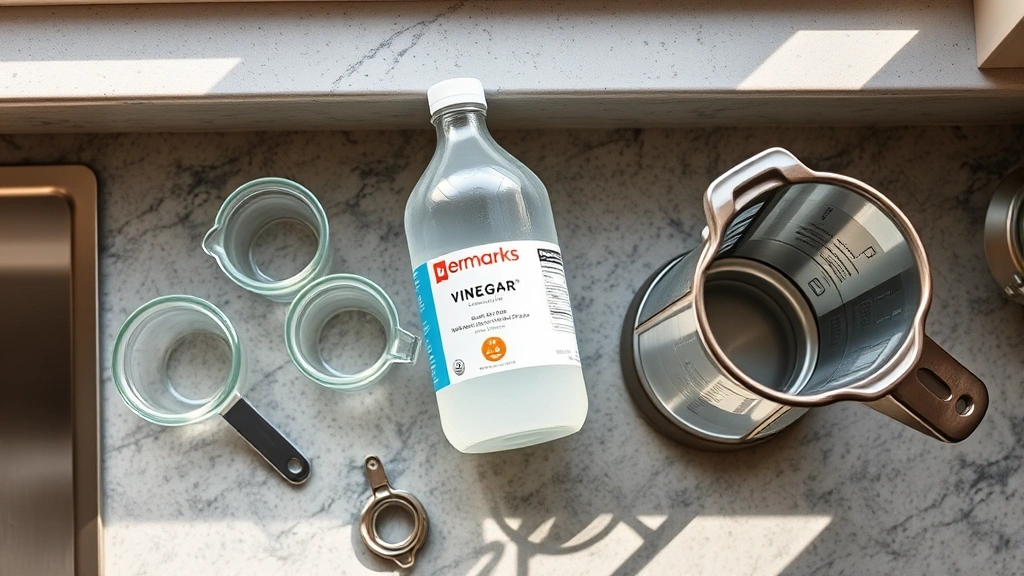
The golden rule for vinegar cleaning is a 1:1 ratio of white vinegar to water. For a standard 12-cup drip coffee maker, use 6 cups of white vinegar mixed with 6 cups of water. This ratio ensures sufficient acidity to dissolve mineral deposits while remaining safe for your appliance’s internal components.
- Small 4-6 cup makers: 2 cups vinegar + 2 cups water
- Standard 12-cup makers: 6 cups vinegar + 6 cups water
- Large 14-16 cup makers: 8 cups vinegar + 8 cups water
- French press or pour-over: 1 cup vinegar + 1 cup water (fill completely)
- Single-serve pod machines: 1 cup vinegar + 1 cup water
Always use white distilled vinegar with 5% acetic acid content, available at any grocery store. Avoid apple cider vinegar, which contains sediment that can clog your machine, or balsamic vinegar, which may stain internal components. Generic store brands work just as well as name brands and cost significantly less.
Temperature matters when preparing your vinegar solution. Room temperature or slightly warm vinegar (not hot) works best, as it activates the acetic acid without damaging plastic components in newer machines. If your coffee maker has a “brew pause” feature, you’ll want to understand your specific model’s capacity before measuring.

Step-by-Step Cleaning Process
Follow this methodical approach to clean your coffee pot thoroughly and safely:
- Empty and inspect: Remove any remaining water, grounds, or filters from your coffee maker. Check for visible mineral buildup or discoloration inside the pot and heating chamber.
- Prepare the solution: Mix your measured vinegar and water in a separate container first, then pour into the water reservoir. Stir gently to combine thoroughly.
- Start the brewing cycle: Place an empty carafe under the filter basket (without inserting a filter). Run the coffee maker as if brewing normally, allowing the vinegar solution to flow through the entire system.
- Pause mid-cycle: After about half the solution has brewed, pause the machine for 15 minutes. This allows vinegar to soak in the heating element and internal tubes where mineral deposits concentrate.
- Complete the cycle: Resume brewing until all vinegar solution passes through the system into the carafe below.
- Let it cool: Allow the machine to cool for 15-20 minutes before proceeding to rinse cycles.
- Rinse thoroughly: Fill the reservoir with fresh water only (no vinegar). Run at least two complete brew cycles with plain water to remove all vinegar residue. Some experts recommend three rinse cycles for older machines with heavy buildup.
- Clean the carafe and filter basket: Wash these removable parts with hot soapy water while the machine cools.
The soaking period is crucial because it gives vinegar time to penetrate and dissolve mineral deposits that casual rinsing won’t remove. This step separates effective cleaning from merely running vinegar through the system.
Different Coffee Maker Types
Various brewing methods require slightly adjusted approaches when using vinegar. Understanding your specific equipment ensures optimal results without damage.
Automatic Drip Coffee Makers: These respond best to the standard method described above. Their internal heating elements accumulate the most mineral buildup, making regular vinegar cleaning essential for maintaining water temperature and brew quality. Check your manufacturer’s manual, as some brands like Keurig publish specific descaling instructions that reference vinegar compatibility.
French Press: Add your 1:1 vinegar-water solution to the pot and let it soak for 30 minutes without pressing. Then plunge slowly several times to work the solution through all components. For stubborn buildup, let it soak for up to 2 hours. Rinse thoroughly by filling with fresh water, plunging, and discarding multiple times.
Pour-Over and Cone Filters: Pour your vinegar solution slowly through the cone as if brewing, allowing it to soak in the filter basket for 15 minutes. Then continue pouring the remaining solution through. Follow with multiple rinses using only water.
Single-Serve Pod Machines: These require special attention because their internal channels are narrower. Use the same 1:1 ratio but run the cleaning cycle slowly if your machine has a brew strength adjustment. Some pod machine manufacturers recommend their branded descaling solution, but vinegar works effectively as a budget-friendly alternative when used correctly.
Espresso Machines: High-pressure espresso makers need professional servicing, but you can clean the portafilter, basket, and group head with vinegar. Never run vinegar through the pump mechanism without consulting your machine’s manual, as pressure-based systems have delicate internal components.
Safety Precautions and Best Practices
While vinegar is generally safe, proper precautions ensure effective cleaning and appliance longevity.
Ventilation: Clean your coffee maker in a well-ventilated kitchen or near an open window. Vinegar fumes are non-toxic but strong and can irritate eyes and respiratory passages during extended exposure. Open windows and run exhaust fans while cleaning.
Never mix chemicals: Do not combine vinegar with commercial descaling solutions, bleach, or other cleaning products. Chemical reactions can produce toxic fumes or damage your machine irreparably. If you’ve previously used commercial descalers, run multiple water-only rinse cycles before introducing vinegar.
Check manufacturer guidelines: Review your coffee maker’s instruction manual before cleaning. Most manufacturers approve vinegar, but some premium or specialty machines may recommend specific products. Honoring these guidelines protects your warranty coverage. Consult the National Fire Protection Association guidelines for electrical appliance safety when handling liquid-based cleaning.
Electrical safety: Never submerge electric coffee makers in water. Only the removable carafe, filter basket, and lid should be hand-washed. Ensure the machine is unplugged before and during the cooling period after vinegar cleaning.
Test first: If cleaning a new machine for the first time, run one complete vinegar cycle and observe for any unusual odors, sounds, or leaks before running additional cycles.
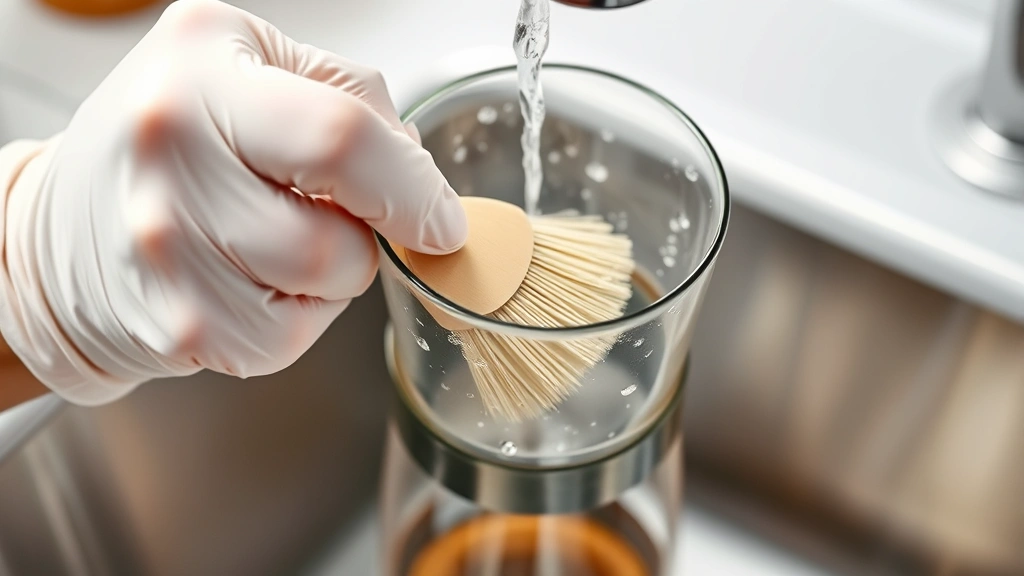
Protective gear: Wear rubber gloves when handling vinegar solution to protect your skin from prolonged acid exposure, especially if you have sensitive skin. Safety glasses prevent accidental splashing into eyes.
Frequency and Maintenance Schedule
How often you clean your coffee maker depends on water hardness in your area. Hard water contains higher mineral concentrations, requiring more frequent cleaning. If you’re unsure about your local water hardness, contact your municipal water department or test your water using inexpensive test kits available at hardware stores.
Hard water areas: Clean monthly with vinegar solution. You’ll notice reduced water flow or slower brewing as the first sign that cleaning is overdue.
Moderate water areas: Clean every 2-3 months. Most households fall into this category and should establish a regular cleaning routine.
Soft water areas: Clean every 3-4 months as a preventive measure, even if mineral buildup isn’t visually obvious.
Between vinegar cleanings: Rinse your carafe daily and empty the water reservoir if you won’t use your machine for several days. Stagnant water promotes bacterial growth and mineral crystallization. Change water filters if your machine uses them, typically every 2-3 months.
Maintaining proper household water quality extends beyond coffee makers and affects your entire home’s plumbing and appliances. Consider installing a whole-home water softener if you live in a hard water area, as this reduces mineral buildup across all appliances and improves water quality throughout your residence.
Establish a cleaning calendar by marking your phone or physical calendar with monthly or quarterly reminders. Many coffee enthusiasts schedule their cleaning for the same day each month, making it a consistent habit. Document your cleaning dates and any changes in brew quality to identify patterns specific to your equipment and local water conditions.
For households that brew coffee daily, regular descaling through vinegar cleaning becomes as important as maintaining home systems. Neglecting this maintenance leads to expensive repairs or replacement of heating elements and internal components.
FAQ
How long does the vinegar smell last after cleaning?
The vinegar odor typically dissipates completely after two thorough water-only rinse cycles. If a faint smell remains, run one additional cycle with plain water. The smell should never transfer to your coffee if you’ve rinsed adequately. If your brewed coffee tastes vinegary, you haven’t rinsed sufficiently—run more water cycles before brewing coffee.
Can I use apple cider vinegar or other types of vinegar?
White distilled vinegar is the recommended choice because it contains no sediment or additional compounds that could clog your machine or stain internal parts. Apple cider vinegar leaves sediment that accumulates inside heating elements. Balsamic and rice vinegars contain sugars that can caramelize and damage components. Stick with white vinegar for best results.
What if my coffee maker has a descaling light or indicator?
These indicators measure brew cycles rather than actual mineral buildup. You can still use vinegar to clean when the light activates, or clean on your own schedule based on water hardness. Some machines allow you to reset the indicator after cleaning. Consult your manual for your specific model’s reset procedure.
Is vinegar safe for all coffee maker materials?
Vinegar is safe for stainless steel, glass, and ceramic components. Most modern plastic parts are also vinegar-safe, but check your manual if your machine contains specialty materials. Never use vinegar on machines with aluminum heating elements without confirming manufacturer approval, as vinegar can slightly corrode aluminum over time with repeated exposure.
Can I use vinegar in my coffee maker if I have a water filter installed?
Yes, but remove or replace the water filter before running vinegar through. Vinegar can saturate the filter media and affect its effectiveness. Install a fresh filter after completing all rinse cycles.
How do I know if my coffee maker needs cleaning?
Signs include slower brewing times, weaker coffee taste, visible mineral deposits inside the carafe or heating chamber, gurgling sounds during brewing, or water leaking from unusual places. Any of these indicates mineral buildup requiring vinegar cleaning.
What’s the difference between descaling and regular cleaning?
Regular cleaning removes coffee oils and grounds from removable parts using hot soapy water. Descaling uses an acidic solution like vinegar to dissolve mineral deposits from internal components. Both are necessary for complete maintenance—descale monthly or quarterly, and rinse removable parts after each use.
Can I run vinegar through my coffee maker if it’s brand new?
Yes, running one vinegar cleaning cycle through a new machine removes manufacturing residue and mineral deposits from the water supply used during testing. This ensures your first brewed cup tastes fresh and clean. Follow with multiple water rinses before brewing coffee for consumption.


