When to Change Car Battery? Expert Advice on Replacement Timing
Your car battery is one of the most critical components keeping your vehicle running smoothly. Understanding when to change your car battery can save you from unexpected breakdowns, costly emergency repairs, and dangerous situations on the road. Most drivers don’t think about their battery until it fails completely, leaving them stranded. This comprehensive guide explores the signs, timelines, and expert recommendations for car battery replacement to keep you informed and prepared.
Battery failure is unpredictable and often happens at the worst possible moment. Whether you’re dealing with cold winter mornings or summer heat stress, knowing the typical lifespan and warning signs of battery degradation helps you stay ahead of problems. We’ll cover everything from standard replacement intervals to the factors that affect battery longevity, plus practical tips for extending your battery’s life through proper maintenance.

Standard Car Battery Lifespan
The typical car battery lasts between 3 to 5 years under normal driving conditions. However, this timeline can vary significantly based on your climate, driving habits, and vehicle type. Most manufacturers recommend checking battery health annually after the three-year mark, and replacing it by year four or five at the latest. If your battery is approaching its fourth year, it’s wise to have it tested regularly to catch potential failures before they happen.
Modern vehicles with advanced electrical systems sometimes drain batteries faster than older models. Luxury and high-tech vehicles may experience shorter battery lifespans due to increased power demands from entertainment systems, navigation, and climate control. Conversely, vehicles with minimal electrical accessories might stretch battery life closer to the five-year mark. Keeping detailed maintenance records helps you track when your battery was last replaced and predict when the next replacement becomes necessary.
Battery age is one of the most reliable indicators of replacement need. Check the date code on your battery’s label, which typically shows the month and year of manufacture. Most retailers print this information clearly on the top or side of the battery casing. If your battery is three years old or older, consider having it professionally tested even if you haven’t noticed any problems yet.

Warning Signs Your Battery Needs Replacement
Several distinct warning signs indicate your battery is failing and requires immediate attention. The most obvious symptom is difficulty starting your engine, especially on cold mornings. If you hear a slow cranking sound when turning the key, your battery is likely losing its ability to hold a charge. This is often the first sign that replacement is imminent.
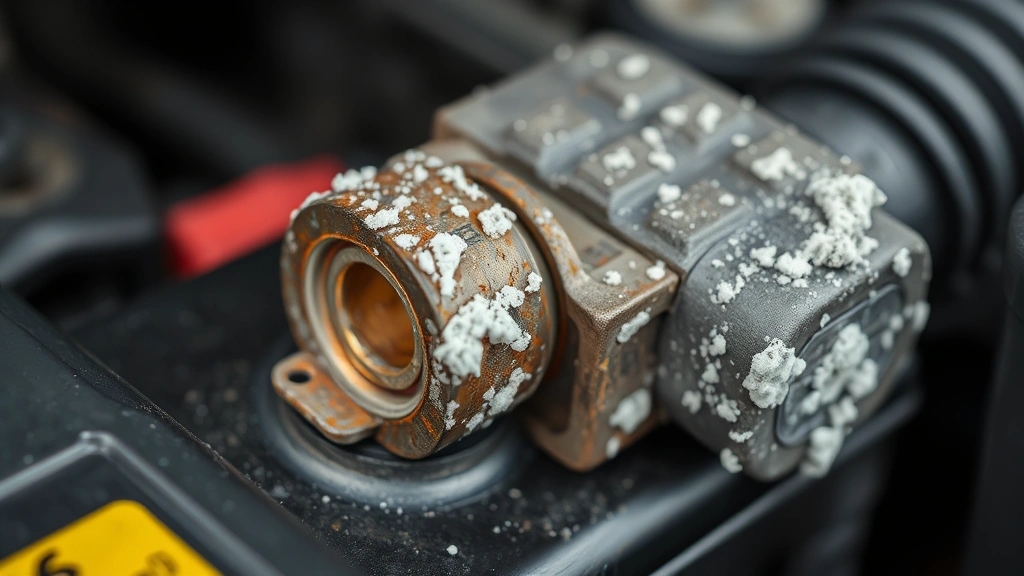
A dead battery that won’t hold a charge even after charging is a clear replacement indicator. If your battery dies repeatedly after being recharged, the internal chemistry is breaking down and a new battery is necessary. Corrosion around the battery terminals—appearing as white, blue, or green crusty deposits—suggests chemical leakage and accelerated deterioration. While you can clean corrosion, it often signals that replacement time is near.
Dashboard warning lights related to the battery or charging system should never be ignored. Modern vehicles display specific codes when battery voltage drops below acceptable levels. Swelling or bloating of the battery casing indicates internal damage and poses a safety risk. If your battery appears larger than normal or has visible bulges, stop driving immediately and replace it.
Electrical component malfunctions can also point to battery problems. Flickering headlights, dimming interior lights, or weak power windows and locks suggest insufficient voltage supply. These symptoms often appear before complete battery failure, giving you time to schedule replacement. If multiple electrical systems fail simultaneously, battery health should be your first diagnostic focus.
Environmental Factors Affecting Battery Life
Climate plays a tremendous role in battery longevity, with extreme temperatures being the primary culprit. Cold weather reduces battery efficiency dramatically—chemical reactions slow in frigid temperatures, decreasing available power. A battery that works fine in 70-degree weather might struggle in 30-degree conditions. Conversely, excessive heat accelerates the chemical degradation inside the battery, causing faster wear and reduced lifespan.
Vehicles parked in hot garages or exposed to intense sun experience accelerated battery aging. The extreme heat causes internal components to break down more rapidly than in moderate climates. Southern regions with hot summers typically see battery replacement needs every 3 years, while northern areas with harsh winters might experience similar timelines due to cold stress. The combination of heat and cold cycles creates the worst scenario for battery longevity.
Humidity and moisture exposure also impact battery performance. Moisture can cause corrosion on terminals and internal components, reducing efficiency and lifespan. Vehicles stored outdoors or in damp environments face greater moisture-related battery degradation. Regular cleaning of battery terminals removes corrosive buildup and helps maintain optimal connections and performance.
Driving patterns significantly affect battery health. Short trips that don’t allow the alternator sufficient time to recharge the battery create chronic undercharging conditions. Vehicles driven primarily for short distances accumulate battery stress faster than those used for longer journeys. Conversely, vehicles that sit unused for extended periods experience battery drain and potential permanent damage. Regular driving with occasional longer trips keeps batteries healthiest.
Testing Your Battery Health
Professional battery testing provides accurate assessment of your battery’s condition and remaining lifespan. Most auto parts retailers offer free battery testing services using specialized equipment that measures voltage, amperage, and cold cranking amps (CCA). These tests reveal whether your battery meets manufacturer specifications and can handle your vehicle’s electrical demands. Schedule testing annually after your battery reaches three years old.
A multimeter allows you to perform basic voltage testing at home. With the engine off, connect the multimeter to the battery terminals and check the voltage reading. A healthy battery should show between 12.4 and 12.7 volts. Readings below 12.4 volts indicate a battery that needs charging or replacement. After starting the engine, voltage should rise to 13.5 to 14.5 volts, indicating proper alternator charging function.
Load testing measures how your battery performs under stress conditions similar to engine starting. This test applies significant electrical demand and measures voltage drop. Batteries that fail load testing should be replaced immediately, as they cannot reliably start your engine. Many service centers include load testing with their battery diagnosis services at minimal or no cost.
Cold cranking amp (CCA) testing is particularly valuable in cold climates. This test measures the battery’s ability to deliver starting power in freezing temperatures. If your battery’s CCA rating drops significantly below the vehicle manufacturer’s specifications, replacement is necessary. This is especially important before winter months when cold-related battery failures peak.
DIY Battery Replacement Guide
If you’re mechanically inclined, replacing your car battery yourself is an achievable project that saves money on labor costs. Before starting, gather necessary supplies: safety glasses, work gloves, a wrench set, and a new battery matching your vehicle’s specifications. Always consult your owner’s manual for the correct battery type, size, and terminal configuration for your specific vehicle.
Begin by disconnecting the negative terminal (black cable) first, then the positive terminal (red cable). This order prevents electrical shock and short circuits. Remove any battery hold-down bracket or clamp securing the battery in place. Lift the old battery straight up and out of the battery tray—batteries are heavy, so use proper lifting technique. Clean the battery tray and terminal connections with baking soda and water to remove corrosion.
Position your new battery in the tray, ensuring it sits level and secure. Install the hold-down bracket to prevent movement. Connect the positive terminal first, then the negative terminal, tightening both connections firmly. Corroded terminals should be cleaned before reconnection to ensure optimal electrical contact. Start your engine and verify all electrical systems function properly before considering the job complete.
Proper battery disposal is crucial for environmental and legal reasons. Most retailers that sell batteries accept old batteries for recycling, often offering a core charge credit toward your purchase. Never dispose of batteries in regular trash—they contain toxic chemicals and heavy metals requiring specialized recycling. Many communities have hazardous waste collection programs that accept old batteries.
Extending Battery Life Through Maintenance
Regular maintenance extends your battery’s functional lifespan significantly. Keep battery terminals clean and free of corrosion by inspecting them monthly. White, blue, or green crusty deposits indicate corrosion that reduces electrical flow. Mix baking soda with water to create a cleaning paste, scrub the terminals with an old toothbrush, and rinse thoroughly with distilled water. Dry completely before reconnecting cables.
Minimize electrical drain when your vehicle sits unused for extended periods. Turn off all accessories, including interior lights and radio, before exiting the vehicle. If you park for weeks or months, consider disconnecting the negative terminal to prevent slow battery drain. Alternatively, use a battery maintainer or trickle charger to keep the battery charged during storage periods.
Ensure your alternator functions properly, as it’s responsible for recharging your battery while driving. A failing alternator won’t properly recharge the battery, leading to chronic undercharging and premature failure. If your dashboard battery warning light illuminates while driving, have the alternator tested immediately. Proper alternator function is essential for maintaining battery health.
Avoid short trips whenever possible, as they don’t allow sufficient time for the alternator to fully recharge the battery. When you must make short trips, try combining errands into one longer journey. Regular highway driving keeps batteries healthier than frequent stop-and-go city driving. Vehicles driven consistently and regularly experience fewer battery-related problems than those driven sporadically.
Keep your vehicle in moderate temperatures when possible. If you have access to covered parking or a garage, use it to protect your battery from extreme heat and cold. Insulated battery covers provide additional protection in very cold climates. Proper temperature management is one of the most effective ways to extend battery lifespan, particularly in regions with harsh seasonal extremes.
Check that your vehicle’s electrical system isn’t drawing excessive power. Modern vehicles with sophisticated electronics sometimes have parasitic drain issues that deplete batteries faster than normal. If your battery repeatedly dies when the vehicle sits unused, have a technician check for parasitic electrical draws. Identifying and fixing these issues prevents premature battery replacement.
FAQ
How do I know if my car battery is dying?
Common signs include slow engine cranking, difficulty starting especially in cold weather, dimming headlights, corrosion on terminals, and dashboard battery warning lights. If you notice any of these symptoms, have your battery tested immediately to determine if replacement is necessary.
Can a dead battery be recharged or must it be replaced?
Batteries that lose charge due to leaving lights on or a faulty alternator can often be recharged and continue functioning. However, if a battery repeatedly dies after recharging or fails to hold charge, internal degradation has occurred and replacement is necessary. A professional load test determines whether your battery is salvageable.
What’s the difference between battery size and type?
Battery size refers to physical dimensions and terminal configuration, while type refers to chemistry—most vehicles use lead-acid batteries, though some hybrids and luxury vehicles use advanced batteries. Always match your vehicle manufacturer’s specifications exactly. Using the wrong size or type can cause electrical problems and poor performance.
Should I replace my battery before it fails?
Yes, proactive replacement before failure is wise, especially if your battery is over three years old or showing any warning signs. This prevents being stranded and ensures reliability. Consider replacement at the four-year mark even without obvious symptoms, particularly in harsh climates or if you rely heavily on your vehicle.
How much does a car battery cost?
Typical replacement batteries range from $100 to $300 depending on vehicle type and battery quality. Premium batteries for luxury vehicles can exceed $400. Professional installation adds $50 to $100 to the total cost. DIY replacement saves labor costs but requires mechanical comfort and proper safety precautions.
Can cold weather permanently damage my battery?
Extreme cold reduces battery performance but doesn’t permanently damage it if it’s in good condition. However, repeated exposure to harsh cold stress accelerates degradation. Using battery warmers, insulated covers, and keeping your vehicle garaged in winter extends battery life in cold climates.
What should I do if my battery dies while driving?
If your battery dies completely while driving, you’ll lose power steering, brakes, and electrical systems. Coast to a safe location, turn on hazard lights, and call for roadside assistance. Never attempt to restart immediately after a complete electrical failure. Have the battery and alternator tested to prevent recurrence.


