
Moving to Alaska? Expert Tips for a Smooth Transition
Relocating to Alaska represents one of the most significant moves you can make in North America. The Last Frontier offers unparalleled natural beauty, unique employment opportunities, and a tight-knit community spirit that attracts thousands of newcomers annually. However, moving to Alaska requires substantially more planning and preparation than relocating to the lower 48 states. From understanding extreme weather conditions to navigating remote logistics, this comprehensive guide addresses every critical aspect of your Alaskan relocation.
Whether you’re drawn by career prospects in oil and gas, fishing, tourism, or remote work opportunities, or simply seeking adventure in one of Earth’s most pristine environments, success depends on thorough preparation. This guide covers housing considerations, climate adaptation, transportation logistics, financial planning, and essential services setup. By following these expert recommendations, you’ll transform your Alaska move from overwhelming to manageable.
Understanding Alaska’s Climate Reality
Alaska’s climate represents the single most significant factor in your relocation success. The state experiences extreme seasonal variations that fundamentally differ from continental North America. Winter temperatures in Interior Alaska regularly drop to minus 40 degrees Fahrenheit, with some areas experiencing minus 60 degrees. Coastal regions like Juneau and Ketchikan maintain milder temperatures but receive substantial precipitation and cloud cover year-round.
Daylight variation presents another critical adjustment factor. During winter solstice, Fairbanks receives only three hours of twilight daily, while Barrow experiences complete darkness for two months. Conversely, summer brings nearly 24-hour daylight in northern regions. This dramatic light variation affects sleep patterns, mood, and daily routines significantly. Many newcomers experience seasonal affective disorder (SAD) during dark winter months, making light therapy lamps and strategic planning essential.
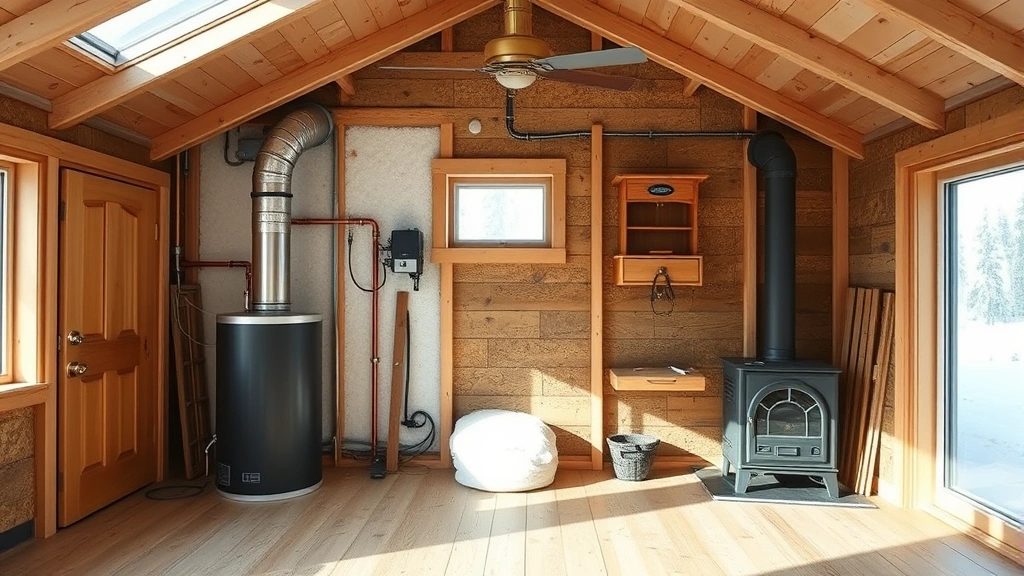
Prepare your home for extreme cold by investing in quality insulation, weather sealing, and backup heating systems. Standard lower-48 construction practices prove insufficient in Alaska’s climate. Pipes freeze rapidly without protection, and inadequate insulation creates dangerous ice dams and energy waste. When finishing interior spaces, ensure proper vapor barriers and insulation ratings exceed standard building codes. Alaska’s building codes, governed by the International Code Council, include specific cold-climate requirements.
Permafrost underlies much of Alaska, creating unique construction challenges. In permafrost regions, buildings require special pilings that prevent ground thaw. Understanding your specific location’s permafrost status proves essential before purchasing property or planning renovations.
Housing and Real Estate Navigation
Alaska’s housing market operates dramatically differently from the lower 48. Limited inventory, extreme construction costs, and geographic isolation inflate prices substantially. A modest single-family home in Anchorage averages $450,000 to $550,000, while remote communities command even higher per-square-foot costs due to shipping and labor expenses. Rental properties remain scarce, particularly in smaller towns, and deposits often equal three months’ rent.
New construction in Alaska costs 30-50% more than comparable lower-48 projects. Materials require expensive shipping via barge or air freight, labor commands premium wages, and the short construction season (roughly May through September) concentrates work into limited months. When planning home security systems or other improvements, factor Alaska-specific installation costs.
Location selection within Alaska dramatically impacts your experience. Anchorage, the largest city with 290,000 residents, offers urban amenities but higher costs. Fairbanks provides a small-city atmosphere with more affordable housing. Juneau, the capital, combines government employment with scenic coastal living. Smaller towns like Ketchikan, Sitka, and Palmer offer tight communities but limited services. Research employment opportunities, school quality, healthcare access, and climate preferences before selecting your destination.
Real estate transactions require working with Alaska-specific agents familiar with remote property issues, permafrost considerations, and unique financing challenges. The Alaska Housing Finance Corporation offers special loan programs for qualified buyers. Inspect properties thoroughly, including foundation conditions, roof integrity, and heating system capacity—issues that prove catastrophic in Alaska’s climate.
Consider purchasing property with existing structures rather than building new. While new construction offers modern efficiency, established homes have proven their climate-worthiness. Ensure any property includes backup heating systems, adequate insulation (R-40 minimum in walls, R-60 in attics), and reliable water/sewer systems.
Transportation and Vehicle Preparation
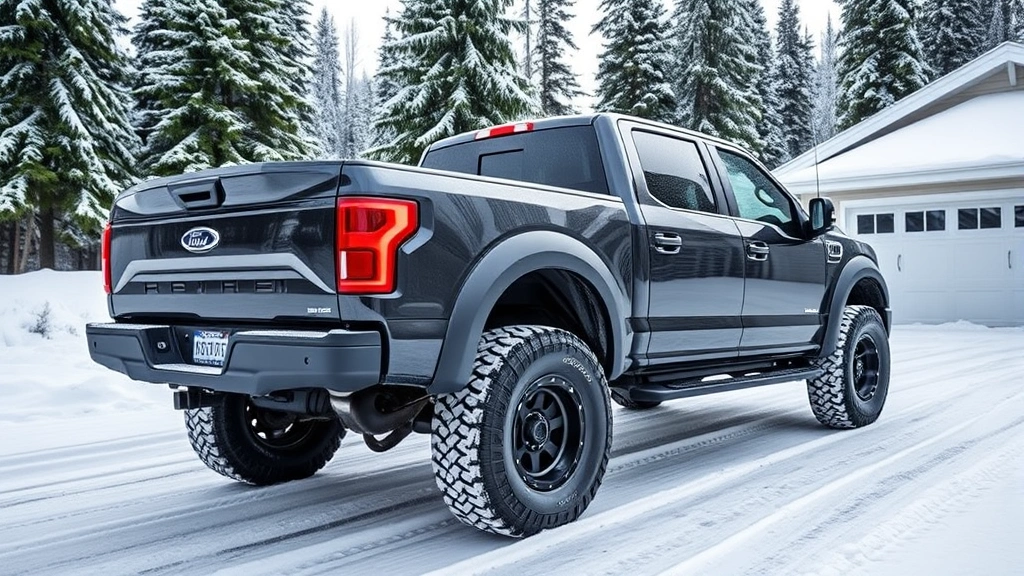
Vehicle selection and preparation prove absolutely critical in Alaska. Standard passenger vehicles perform poorly in extreme cold and snow. Invest in a truck or SUV with high ground clearance, quality all-terrain tires, and reliable four-wheel drive systems. Engine block heaters prevent cold-weather starting failures—these devices warm engine oil and coolant overnight, essential below minus 20 degrees.
Battery capacity diminishes dramatically in extreme cold, losing 30-50% effectiveness at minus 20 degrees. Upgrade to premium cold-weather batteries rated for Arctic conditions. Synthetic motor oil flows better in extreme temperatures than conventional oil. Switch to winter-grade synthetic before first cold snap.
Tire selection directly impacts safety and survival. All-season tires prove inadequate; winter tires with aggressive tread patterns grip icy roads substantially better. Many Alaskans use studded tires during winter months, which provide superior ice traction. Replace tires before winter arrives, as demand exceeds supply by October.
Maintain emergency kits in your vehicle year-round containing blankets, flares, jumper cables, sand/kitty litter for traction, first aid supplies, and non-perishable food. Vehicle breakdowns in remote areas during winter can become life-threatening within hours. Many Alaskans also carry satellite communicators or personal locator beacons for emergencies in areas without cell coverage.
Road conditions in Alaska vary dramatically by region and season. Interior highways freeze solid in winter, requiring extreme caution. Coastal roads experience heavy rain and fog year-round. Gravel highways dominate northern regions, requiring slower speeds and creating dust hazards. Download offline maps before traveling remote areas, as cell coverage remains unreliable outside major cities.
Air travel provides essential transportation for remote communities. Alaska’s geography makes flying more practical than driving for many destinations. Budget accordingly for airfare costs, which significantly exceed lower-48 prices. Understand that weather frequently delays flights in Alaska—build schedule flexibility into travel plans.
Financial Planning and Cost of Living
Alaska’s cost of living exceeds most lower-48 states substantially. Groceries cost 20-40% more than national averages due to shipping distances. Fuel prices fluctuate but typically run 30-50 cents higher per gallon. Electricity costs roughly double the national average in remote communities due to diesel generation. Housing, as discussed, commands premium prices.
However, Alaska offers significant financial advantages offsetting these costs. The state imposes no sales tax or income tax, reducing overall tax burden substantially. The Alaska Permanent Fund Dividend provides annual payments to residents ($1,000-$2,000 annually, varying by year) simply for living in the state. Certain employers offer Alaska residency bonuses or hazard pay exceeding lower-48 compensation significantly.
Budget carefully before relocating. Calculate total annual expenses including housing, utilities, food, transportation, and insurance. Factor in higher vehicle maintenance costs, specialized equipment purchases, and seasonal expenses like snow removal. Create a financial buffer covering 6-12 months of expenses, as job transitions and unexpected costs arise frequently during relocation.
Banking and financial services operate normally in Alaska’s major cities but prove limited in remote communities. Establish banking relationships before moving, particularly if relocating to small towns. ATM access remains limited in rural areas, requiring advance cash planning.
Insurance costs warrant special attention. Auto insurance runs 10-20% higher than national averages due to accident rates and repair costs. Homeowners insurance includes specific Alaska considerations like extreme weather, permafrost, and remote location factors. Health insurance availability varies significantly by location—research provider networks before committing to remote communities.
Essential Services and Utilities Setup
Establishing utilities and essential services requires advance planning in Alaska. Water and sewer systems operate differently than lower-48 standards. In many areas, water systems freeze seasonally, requiring winterization procedures. Some communities rely on community water systems; others depend on private wells and septic systems requiring specialized maintenance.
Heating system selection proves critical for survival and comfort. Most Alaskan homes use oil heat, propane, natural gas, or wood stoves. Oil heat dominates rural areas but requires annual tank refills via delivery trucks. Propane offers flexibility but demands regular monitoring. Natural gas availability remains limited outside major cities. Wood stoves provide supplemental heat but require substantial firewood storage and maintenance. Many homes employ multiple heating systems for redundancy—a wise strategy given heating system failures during extreme cold.
Electrical systems in Alaska experience unique demands. Extreme cold increases electrical load for heating and engine block heaters. Backup power systems prove valuable in areas experiencing outages. Some residents install solar systems (despite limited winter sunlight) combined with battery storage for emergency backup.
Internet and telecommunications vary dramatically by location. Urban areas enjoy reliable high-speed internet through multiple providers. Rural communities may depend on satellite internet with data limitations and latency issues. Understand connectivity options before relocating, particularly if remote work sustains your relocation.
Garbage and waste management presents unique challenges. Some communities lack municipal trash services, requiring private hauling or trips to transfer stations. Recycling programs remain limited in rural areas. Plan waste disposal before moving.
Medical services require careful consideration. Major cities like Anchorage and Fairbanks maintain full-service hospitals and specialist networks. Remote communities may lack advanced medical care, with serious emergencies requiring air evacuation. Research healthcare provider availability and medical evacuation insurance before settling in isolated areas.
Community Integration and Social Adjustment
Alaska’s unique culture and tight-knit communities shape the relocation experience profoundly. Newcomers often experience culture shock despite Alaska’s modern infrastructure in major cities. Self-reliance, outdoor competence, and community participation define Alaskan values. Embrace outdoor recreation—hiking, fishing, hunting, and winter sports dominate social life and provide essential mental health benefits during dark winters.
Community involvement accelerates integration significantly. Join local organizations, volunteer groups, or hobby clubs matching your interests. Church communities, sports leagues, and outdoor clubs provide immediate social connections. Small-town Alaska particularly rewards visible community participation and neighborly behavior.
Mental health preparation deserves serious attention. Seasonal affective disorder affects many residents during dark winters. Light therapy, consistent exercise, and social engagement combat SAD effectively. Consider therapy or counseling services before relocating, particularly if you have depression or anxiety history. Alaska’s therapist availability remains limited in rural areas, making advance planning essential.
Employment and career transitions require strategic planning. Job markets vary dramatically by location and season. Summer positions in tourism and fishing sectors prove abundant but temporary. Government employment provides stable careers in Juneau and Anchorage. Oil and gas work commands high wages but requires specialized skills and remote work. Remote work opportunities have expanded significantly, enabling relocation without local employment.
School systems and education quality vary substantially across Alaska. Anchorage and Fairbanks maintain competitive public schools. Rural schools offer tight communities and individualized attention but limited course variety. Research school quality, graduation rates, and specialized programs if moving with children.
Seasonal employment patterns affect financial planning. Many Alaskans work multiple seasonal jobs throughout the year—fishing summer, tourism fall, and other work during other seasons. Understand employment patterns in your chosen location before relocating.
FAQ
What’s the best time of year to move to Alaska?
Late spring through early summer (May-June) provides optimal moving conditions. Roads remain passable, weather proves manageable, and moving companies operate at capacity. Avoid winter moves unless absolutely necessary, as extreme cold complicates logistics significantly. Summer moves also allow time to settle, establish services, and prepare for winter before cold weather arrives.
Can I drive to Alaska?
Yes, the Alaska-Canada Highway (Alaska Highway) connects British Columbia to Alaska, spanning 1,387 miles. The drive requires 20-24 hours of actual driving spread over 3-4 days. Road conditions vary seasonally; winter driving proves hazardous. Many relocators drive personal vehicles or hire professional movers, though shipping vehicles via barge from Seattle to Anchorage offers an alternative.
How much does it cost to move to Alaska?
Moving costs vary dramatically based on location and method. Truck rental companies charge $3,000-$8,000 for one-way moves from Seattle to Anchorage. Professional movers charge $8,000-$15,000 for household goods. Barge shipping costs $2,000-$5,000 for vehicles. Budget additional funds for housing deposits, utility setup, and unexpected expenses. Total first-year relocation costs typically range $15,000-$40,000 depending on circumstances.
Is Alaska good for families?
Alaska offers excellent family opportunities with strong outdoor recreation, tight communities, and good schools in major cities. However, extreme weather, limited entertainment options in smaller towns, and higher costs present challenges. Families with outdoor interests thrive; those preferring urban entertainment may struggle. Research your specific location’s family amenities before relocating.
What should I pack when moving to Alaska?
Essential items include quality winter clothing (thermal layers, insulated jackets, boots rated to minus 40 degrees), heavy-duty work gloves, face protection, and snow removal equipment. Pack important documents, medications, and specialized items unavailable or expensive in Alaska. Avoid shipping heavy furniture if possible; Alaska’s higher costs make replacement practical for some items. Focus on irreplaceable personal items and specialized equipment.
Can I work remotely from Alaska?
Yes, remote work has become increasingly viable, particularly in major cities with reliable internet. Rural areas may struggle with satellite internet limitations. Verify employer policies regarding Alaska residence, as some companies restrict remote work locations. Time zone differences (Alaska operates two hours behind Pacific Time) require consideration for meetings and client interaction.


