Backwash Pool Filter: Pro Tips You Need
Maintaining a crystal-clear swimming pool requires understanding one of the most critical maintenance tasks: backwashing your pool filter. Whether you own a sand filter, cartridge filter, or diatomaceous earth (DE) filter, knowing how to backwash pool filter systems properly will extend equipment life, improve water clarity, and save you thousands in replacement costs. This comprehensive guide walks you through every step, from identifying when backwashing is necessary to troubleshooting common problems.
Backwashing is the process of reversing water flow through your filter to flush out accumulated debris, dirt, and contaminants that reduce filtration efficiency. Neglecting this essential maintenance task leads to cloudy water, increased chemical demand, and potential equipment damage. By learning the correct techniques and timing, you’ll maintain optimal pool conditions year-round while minimizing energy consumption and extending your filter’s operational lifespan.
What Is Pool Filter Backwashing?
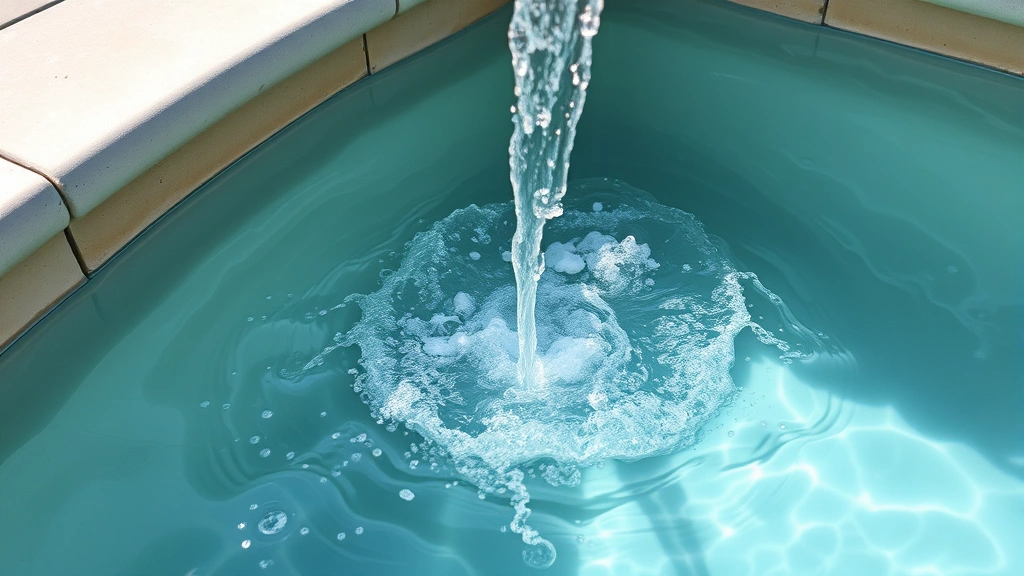
Backwashing reverses the normal flow of water through your pool’s filter media, pushing accumulated debris out through a waste line or drain port. During regular operation, water flows from your pool through the filter, trapping particles and contaminants while clean water returns to the pool. Over time, these trapped materials build up, increasing pressure inside the filter and reducing water flow.
When pressure rises, your pump works harder, consuming more electricity and generating heat that can damage the filter. Backwashing solves this problem by forcing water backward through the filter media, dislodging trapped debris and sending it to waste. This process restores the filter’s efficiency, reduces strain on your pump, and maintains optimal water circulation throughout your pool.
The frequency of backwashing depends on several factors including pool usage, environmental conditions, filter type, and water chemistry. Most pool owners backwash every 7-14 days during swimming season, though some may need to do it more frequently. Understanding your specific pool’s needs ensures you maintain peak performance without unnecessary water waste.
When to Backwash Your Pool Filter
Recognizing the right time to backwash is essential for effective pool maintenance. Several indicators signal that backwashing is necessary. The most obvious sign is a pressure gauge reading on your filter that exceeds the manufacturer’s recommended operating range—typically 15-20 PSI for most residential filters.
Check your filter’s baseline pressure when it’s clean and recently backwashed. Most filters operate optimally at 10-15 PSI. When pressure rises 8-10 PSI above this baseline, backwashing becomes necessary. For example, if your clean baseline is 12 PSI, backwash when it reaches 20-22 PSI.
Visual cues also indicate backwashing needs. Cloudy or hazy pool water despite proper chemical balance suggests your filter isn’t removing particles effectively. Reduced water flow from return jets or a weaker circulation pattern means the filter is clogged. Additionally, if your pool has experienced heavy usage, a storm with debris, or hasn’t been backwashed in over two weeks, it’s time to perform this maintenance task.
Some pool owners establish a regular backwashing schedule during peak season—perhaps every 7-10 days—rather than waiting for pressure readings to peak. This proactive approach prevents excessive pressure buildup and maintains consistent water clarity. Seasonal variations matter too; summer months with heavy usage may require weekly backwashing, while cooler months might need it only every 2-3 weeks.
Step-by-Step Backwashing Process
Before beginning, gather necessary equipment: a multiport valve (if your filter has one), pool pump, pressure gauge, and waste hose connected to your waste line. Ensure the waste valve or drainage area is clear and can safely accommodate the water volume being discharged.
Step 1: Turn Off the Pump Always start with the pump completely shut off. Never attempt to switch valve positions while the pump is running, as this can damage the multiport valve and create pressure surges that harm equipment.
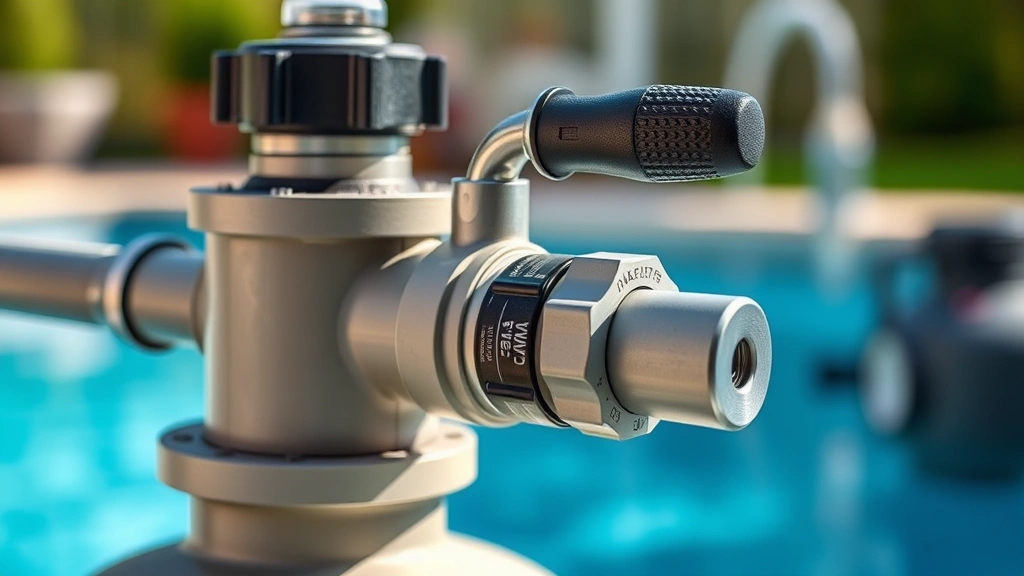
Step 2: Locate and Position the Multiport Valve The multiport valve typically has settings including Filter, Backwash, Rinse, and Waste. Find the handle or lever controlling this valve. Some filters have push-pull handles, while others use rotary valves. Ensure you understand your specific valve’s operation before proceeding.
Step 3: Switch to Backwash Mode Gently turn or pull the multiport valve handle to the Backwash position. Move slowly and deliberately to avoid jamming the valve. You may feel slight resistance; this is normal. Never force the valve—if it’s stuck, stop and investigate rather than applying excessive pressure.
Step 4: Turn On the Pump Start the pump and allow it to run for 2-3 minutes. Water will flow backward through the filter media, pushing debris out through the waste line. You’ll notice dirty water exiting the waste port initially.
Step 5: Monitor the Waste Water Watch the water flowing from the waste line. Initially, it will be dark and cloudy with debris. Continue running the pump until the waste water becomes clear or nearly clear, typically 3-5 minutes of backwashing. This clarity indicates that most loose debris has been flushed out.
Step 6: Return to Filter Mode Turn off the pump completely before moving the multiport valve. Switch the valve back to the Filter position. Wait a moment to ensure the valve is fully seated before restarting.
Step 7: Rinse the Filter (Optional but Recommended) Some pool owners perform a quick rinse cycle after backwashing. With the pump off, switch the multiport valve to the Rinse position, turn on the pump for 30-60 seconds, then turn off and return to Filter mode. This removes any remaining debris and settles the filter media, though it’s not always necessary.
Step 8: Restart Normal Circulation Turn the pump back on and observe the pressure gauge. It should read at or near your filter’s baseline pressure. If pressure is still elevated, the filter may need additional backwashing or inspection for deeper issues.
Monitor Pressure Regularly Keep an eye on your pressure gauge over the following days. If pressure rises quickly, you may need to backwash more frequently or investigate whether your pool has additional debris sources or filter problems.
Different Filter Types and Backwashing
While the basic backwashing concept applies across filter types, specific procedures vary slightly depending on your equipment.
Sand Filters Sand filters are the most common residential filter type and backwash most frequently. The sand media captures particles down to 20-40 microns. Backwashing sand filters is straightforward—reverse the water flow for 3-5 minutes until waste water clears. Sand filters typically require backwashing every 7-14 days during swimming season. Over time, sand becomes compacted and less effective; replace sand every 3-5 years depending on usage and water chemistry.
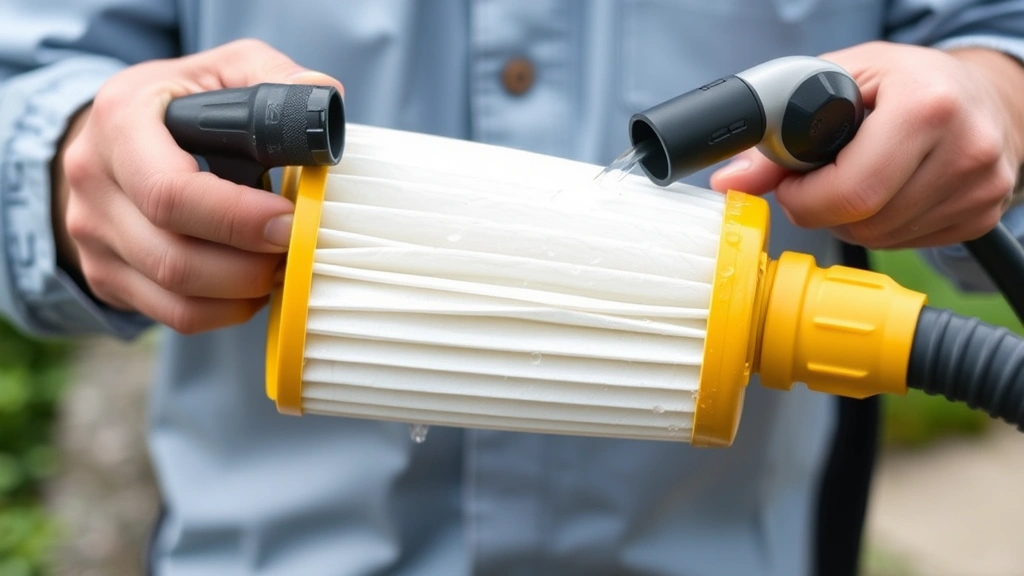
Cartridge Filters Cartridge filters use pleated filter media and are becoming increasingly popular due to their efficiency and lower operating pressure. These filters are not typically backwashed like sand filters. Instead, you remove the cartridge and rinse it with a garden hose, using the hose nozzle to spray between pleats from top to bottom. Some cartridge systems have a backwash valve, but direct water reversal can damage the pleated media. Clean cartridges every 2-4 weeks depending on usage, and replace them every 1-2 years. For detailed guidance, consult your filter manufacturer’s specifications.
Diatomaceous Earth (DE) Filters DE filters offer the finest filtration, capturing particles as small as 2-5 microns. Backwashing DE filters resembles sand filter backwashing, but requires an additional step. After backwashing for 3-5 minutes, turn off the pump and add fresh DE powder through the skimmer according to manufacturer instructions—typically 1-2 pounds. This recoats the filter grid with diatomaceous earth, restoring filtration efficiency. DE filters require backwashing every 4-7 days during heavy use. Never use a filter cleaner product in DE systems without manufacturer approval, as chemicals can damage the filter grids.
Understanding your specific filter type ensures you perform the correct maintenance procedure. Check your pool equipment documentation or manufacturer website if you’re unsure about your filter’s requirements.
Common Mistakes to Avoid
Backwashing Too Frequently While backwashing is essential, overdoing it wastes water and chemicals. Backwash only when pressure indicates necessity or on your scheduled maintenance days. Unnecessary backwashing can strip your pool of chemicals and waste thousands of gallons annually.
Switching Valve Position While Pump Is Running This is dangerous and can damage your multiport valve. Always turn off the pump before moving any valve positions. Wait a few seconds to ensure pressure has dissipated before switching.
Not Running Backwash Long Enough Stopping the backwash cycle too early leaves debris in the filter. Continue backwashing until waste water runs clear, typically 3-5 minutes. Premature stopping means you’ll need to backwash again soon.
Forgetting to Add DE After Backwashing DE Filters This is the most common DE filter mistake. Without fresh diatomaceous earth coating, your filter won’t function properly. Always add the recommended amount after backwashing.
Ignoring Pressure Gauge Readings Your pressure gauge is your filter’s health indicator. Ignoring high pressure readings leads to reduced circulation, cloudy water, and potential equipment damage. Check pressure weekly during swimming season.
Allowing Debris Buildup Waiting too long between backwashes causes excessive pressure that strains your pump and reduces filtration efficiency. Establish a regular maintenance schedule rather than waiting for problems.
Not Checking Waste Line Drainage Before backwashing, ensure your waste line can properly drain. A blocked or kinked waste hose prevents effective backwashing and can create dangerous pressure situations.
Maintenance Tips for Filter Longevity
Beyond regular backwashing, several practices extend your filter’s lifespan and maintain optimal performance.
Monitor Water Chemistry Proper pH, alkalinity, and chlorine levels reduce the burden on your filter. High chlorine levels can degrade filter media, while improper pH causes mineral buildup. Test water twice weekly and adjust chemicals according to industry standards for pool chemistry.
Use a Skimmer and Vacuum Remove large debris before it reaches your filter. Skim the pool surface daily and vacuum the bottom weekly. This reduces filter workload and extends the time between backwashing.
Install a Pre-Filter or Sock Filter For pools in heavily wooded areas or with excessive debris, adding a sock filter to your pump’s intake catches larger particles before they reach your main filter. This simple addition significantly extends filter media life.
Keep Your Pump Basket Clean The pump basket catches debris before it circulates through your system. Empty the basket weekly during swimming season. A clogged pump basket reduces circulation and increases strain on all equipment.
Inspect Filter Housing Regularly Check for cracks, leaks, or corrosion on your filter tank. Small leaks can worsen quickly and require expensive repairs. Address any issues immediately.
Replace Filter Media on Schedule Sand filters need new sand every 3-5 years. Cartridge filters require replacement every 1-2 years. DE filters need new grids every 3-5 years. Worn media cannot filter effectively regardless of backwashing frequency. Following manufacturer replacement schedules prevents water quality issues and equipment strain.
Winterize Properly In cold climates, prepare your filter for winter storage. Drain all water, clean thoroughly, and store in a dry location. Proper winterization prevents freeze damage and corrosion.
Safety Considerations
Pool filter maintenance involves pressurized equipment and chemical exposure, requiring careful attention to safety.
Always Turn Off Equipment Before Maintenance Never work on filter valves, connections, or components while the pump is running. Sudden pressure release can cause injury. Allow pressure to dissipate before opening any filter compartments.
Wear Appropriate Protective Equipment When handling DE powder, wear a dust mask to avoid inhalation. Use gloves when handling chemicals or cleaning cartridge filters. Eye protection prevents splashes from irritating eyes.
Ensure Proper Waste Water Drainage Backwash water contains chemicals and debris. Direct waste water away from landscaping sensitive to chlorine or pH changes. Never discharge near storm drains without checking local regulations. Consult International Code Council building codes for local drainage requirements.
Follow Manufacturer Instructions Different filter brands and models have specific operational procedures. Review your equipment documentation before performing maintenance. When in doubt, contact the manufacturer or a pool professional.
Avoid Pressure Surges Sudden valve switching creates dangerous pressure spikes. Move valves slowly and deliberately. Never attempt to force a stuck valve—stop and investigate the cause.
Keep Children Away During Maintenance Pool maintenance involves pressurized water and chemicals. Ensure children are supervised away from equipment during backwashing and other maintenance tasks.
Test Water Before and After Backwashing Backwashing removes some chemicals along with debris. Test your pool water after backwashing and adjust chlorine and pH as needed. This maintains safe swimming conditions and prevents algae growth.
For comprehensive pool safety information, consult CDC swimming pool safety guidelines.
FAQ
How often should I backwash my pool filter?
Most residential pools require backwashing every 7-14 days during swimming season. However, frequency depends on usage, environmental conditions, and filter type. Monitor your pressure gauge—backwash when pressure rises 8-10 PSI above baseline. Heavy usage or windy conditions may require weekly backwashing, while light usage might only need it every 2-3 weeks.
Can I backwash my cartridge filter?
Most cartridge filters should not be backwashed. Instead, remove the cartridge and rinse it with a garden hose, spraying between pleats from top to bottom. Some cartridge systems include a backwash valve, but direct water reversal can damage the pleated media. Always consult your filter’s manual before attempting backwashing.
Why is my pressure gauge still high after backwashing?
If pressure remains elevated after backwashing, several issues could be responsible. The filter media may be permanently compacted and need replacement. Your multiport valve might not be fully switched to Filter mode. Check valve position and ensure the pump is running normally. If pressure remains high, consult a pool professional to diagnose valve problems or filter damage.
Is backwash water safe for my plants?
Backwash water contains chlorine and other pool chemicals that can harm most plants. Avoid spraying it directly on landscaping. Discharge it into storm drains or waste areas away from gardens. Some pool owners dilute backwash water heavily before using it on salt-tolerant plants, but it’s safer to use a separate water source for irrigation.
What pressure reading indicates I need to backwash?
Check your filter’s baseline pressure when clean—usually 10-15 PSI. Backwash when pressure rises 8-10 PSI above this baseline. For most filters, this means backwashing around 18-25 PSI. Your filter’s manual specifies the recommended operating range. If you’re unsure of your baseline, consult the manufacturer or a pool professional.
Can I backwash during the day while people are swimming?
It’s not recommended. Backwashing disrupts water circulation, potentially reducing water clarity temporarily. Additionally, directing your attention to equipment maintenance while supervising swimmers divides your focus. Schedule backwashing during non-swimming hours, ideally in the morning before the pool opens or in the evening after closure.
How long should the backwash cycle take?
Most backwash cycles take 3-5 minutes until waste water runs clear. Don’t rush this process—premature stopping leaves debris in your filter. Continue backwashing until the water from the waste line appears clear or nearly clear. This ensures effective debris removal and optimal filter performance.
What should I do if my multiport valve is stuck?
Never force a stuck valve—this can cause permanent damage. Turn off the pump and wait several minutes for pressure to dissipate. Try gently rocking the valve handle back and forth with light pressure. If it remains stuck, apply a valve lubricant (not silicone-based, which can damage seals) and wait 15 minutes before trying again. If still stuck, contact a pool professional. Forcing a valve can cause expensive repairs.


