How to Install Glass Animals Art: Expert Tips for Display and Protection
Glass animal sculptures and artwork represent a sophisticated decorative choice that brings elegance and visual interest to any interior space. Whether you’re a collector of fine glass art or simply appreciate the beauty of hand-crafted animal figurines, proper installation and display techniques are essential for both aesthetic appeal and long-term preservation. Installing glass animal art requires careful planning, appropriate mounting hardware, and thoughtful consideration of your space’s lighting, humidity, and traffic patterns.
The process of displaying glass animals extends beyond simply placing them on a shelf. Professional installation involves understanding weight distribution, selecting proper display surfaces, securing pieces against accidental displacement, and protecting them from environmental factors that could compromise their integrity. This comprehensive guide walks you through every step of the installation process, from site selection and preparation through final positioning and maintenance routines that will keep your glass animal collection looking pristine for years to come.
Assessing Your Display Space and Environmental Conditions
Before installing any glass animal artwork, conduct a thorough assessment of your intended display location. Examine the room’s temperature fluctuations throughout the day and across seasons, as glass responds to thermal changes by expanding and contracting slightly. Identify areas prone to direct sunlight, which can cause fading of surrounding materials and create hot spots that stress glass pieces. Check for sources of vibration—proximity to speakers, heavy foot traffic patterns, or appliances that vibrate during operation—as these factors compromise stability and increase breakage risk.
Humidity levels represent another critical environmental variable for glass art installation. While glass itself resists moisture damage, any metal components, adhesives, or display hardware may corrode or degrade in high-humidity environments. Test humidity levels using an affordable hygrometer, maintaining readings between 40-50% relative humidity for optimal conditions. Rooms with excessive moisture—bathrooms, kitchens, or basements without proper dehumidification—require additional protective measures or alternative display locations.
Traffic patterns merit careful consideration, particularly in homes with children or pets. Position valuable glass animal collections away from high-traffic zones where accidental contact could occur. Avoid placing delicate pieces on surfaces at eye level where they might be inadvertently bumped or knocked over during normal household activities. Consider sight lines and viewing angles when selecting display locations, ensuring your glass animals remain visible and appreciated while remaining safely positioned away from potential hazards.
Selecting Appropriate Display Surfaces and Shelving
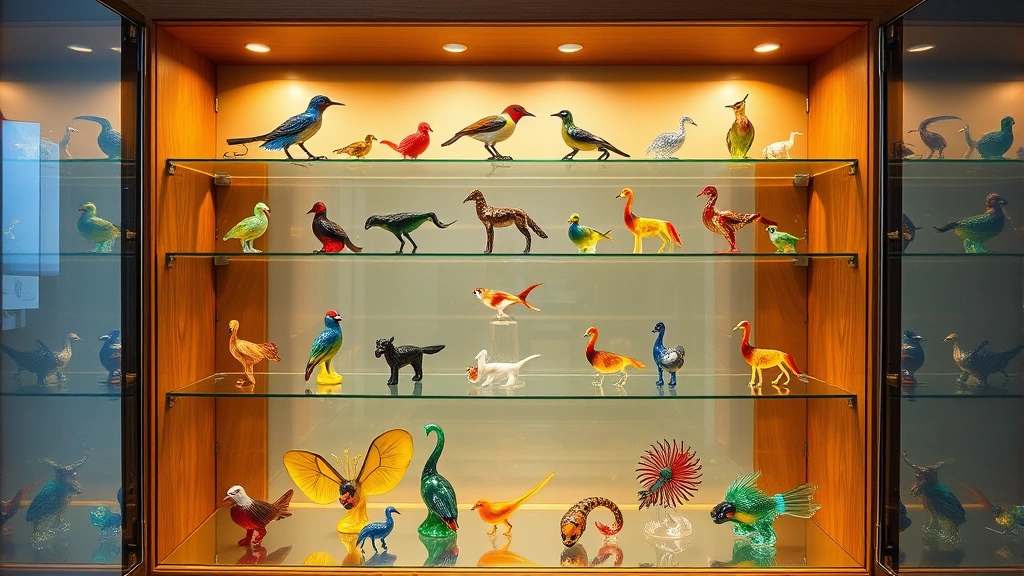
The foundation of successful glass animal installation begins with selecting proper display surfaces capable of supporting your collection’s weight and protecting individual pieces. Dedicated glass display cabinets offer maximum protection, featuring tempered glass doors, adjustable shelving, and integrated lighting that showcases your collection while minimizing dust accumulation and environmental exposure. These cabinets range from simple tabletop models to elaborate floor-standing units, accommodating various collection sizes and interior design preferences.
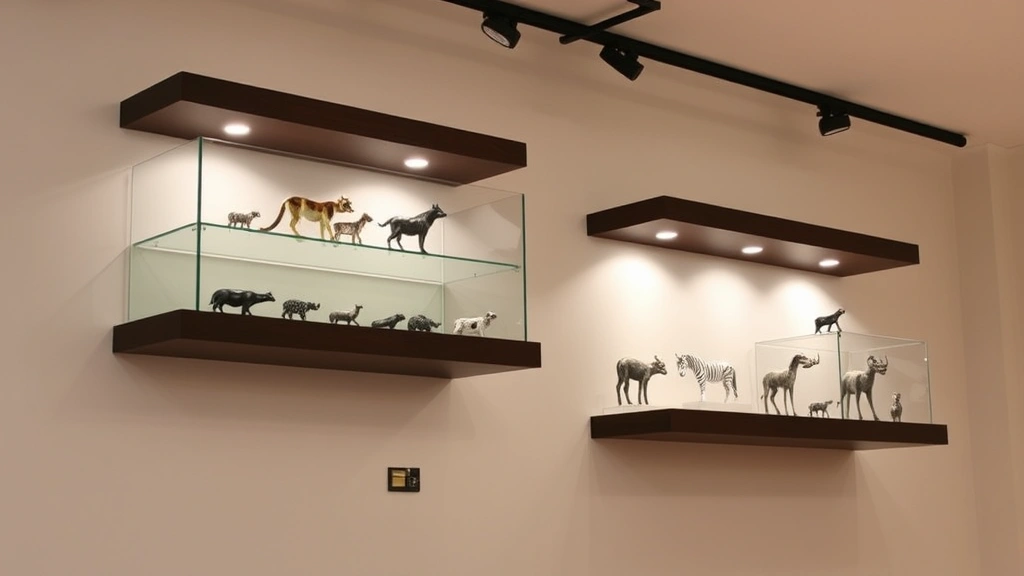
For open shelving installations, select shelves constructed from sturdy materials like solid wood, metal, or high-quality engineered wood rated for appropriate weight capacity. Calculate the total weight of your glass animal collection and verify that shelving hardware and wall anchors can support this load with adequate safety margin. Floating shelves require professional-grade installation using heavy-duty brackets anchored directly into wall studs, not drywall alone. Consult the International Code Council building standards for wall support specifications in your region.
Consider shelf depth carefully—glass animals require sufficient clearance from shelf edges to prevent accidental tipping or rolling. Aim for shelves at least 10-12 inches deep to provide stable positioning and visual balance. Arrange pieces with larger, heavier animals toward shelf interiors and smaller figurines closer to edges, creating a balanced composition that appears intentional rather than haphazard. Incorporate small risers or display stands to vary height and create visual interest, though ensure all elements remain stable and properly secured.
When exploring basement finishing options, consider how glass animal collections might be displayed in finished lower-level spaces, where humidity control becomes particularly important for long-term preservation.
Measuring and Planning Your Layout
Precise measurement and planning prevent costly installation mistakes and ensure your glass animal display achieves optimal visual impact. Begin by measuring your display area’s dimensions—width, depth, and height—noting any architectural features like windows, electrical outlets, or existing fixtures that might affect placement. Photograph the space from multiple angles and heights, as these reference images prove invaluable during the planning process.
Create a scaled floor plan or sketch representing your display area, marking permanent fixtures and identifying potential placement zones. Measure individual glass animals to understand their footprint and height, allowing accurate arrangement visualization before installation begins. Account for spacing between pieces—typically 2-4 inches provides adequate separation that showcases each animal while maintaining overall design cohesion. Consider sight lines from various room locations, ensuring your collection remains visible and aesthetically pleasing from primary viewing angles.
Utilize painter’s tape to mark shelf placement on walls before permanent installation, creating a visual representation of your planned layout. Step back frequently to evaluate spacing, balance, and overall composition. This temporary marking system allows adjustment without damaging walls, and the visual reference guides precise drilling and mounting hardware installation. Document your planned layout photographically, as these images serve as installation guides when mounting begins.
When planning complex installations, consult the National Kitchen & Bath Association guidelines for display spacing and safety considerations, as these standards apply to residential display installations regardless of room type.
Installing Wall-Mounted Display Systems
Wall-mounted display systems provide excellent space efficiency and visual prominence for glass animal collections. Before drilling any holes, locate wall studs using an electronic stud finder, marking their locations with pencil. Wall studs provide the strongest anchoring points for heavy-duty shelving hardware. For drywall installations without stud access, use heavy-duty toggle bolts or expanding anchors rated for your total shelf weight plus 25% safety margin.
Mark drilling locations using your scaled floor plan and painter’s tape reference marks. Double-check measurements before drilling—use a level to ensure horizontal accuracy and a measuring tape to verify vertical spacing between shelves. Drill pilot holes slightly smaller than your mounting hardware diameter, preventing accidental splitting or cracking of wall material. Install mounting brackets according to manufacturer specifications, ensuring all fasteners are completely tightened before placing any load on shelves.
For installations exceeding 50 pounds total weight, consult a professional contractor or structural engineer to verify wall capacity and appropriate installation methods. Many building codes require professional installation for heavy display systems—verify local requirements before proceeding with DIY installation. Reference your local building safety guidelines for specific weight capacity and installation standards applicable to your jurisdiction.
Test shelf stability by applying downward pressure at multiple points along the shelf length before placing any glass animals. Shelves should not flex, bow, or shift when subjected to reasonable pressure. If movement occurs, remove the shelf immediately and verify proper bracket installation and wall anchor engagement. Once confirmed stable, proceed with carefully positioning your glass animal collection.
Securing Glass Animals Against Movement and Damage
While many glass animals rest freely on display surfaces, securing valuable or particularly fragile pieces prevents accidental displacement from vibration, impact, or seismic activity. Museum-quality adhesive putty designed specifically for artifact display provides non-permanent securing that protects pieces without damaging underlying glass surfaces. This reversible adhesive allows repositioning without residue or surface damage, making it ideal for collections requiring periodic rearrangement.
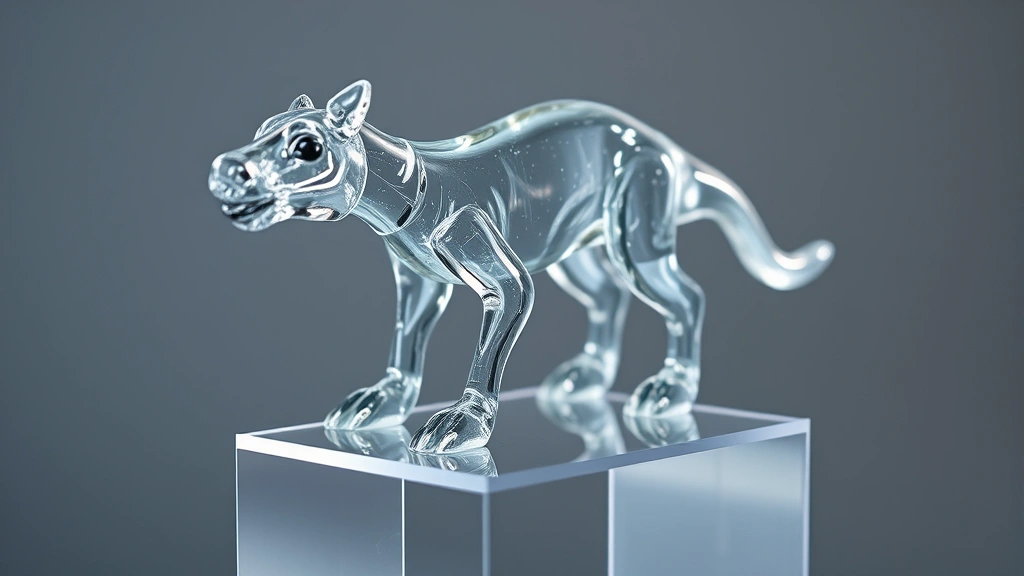
For valuable or irreplaceable pieces, consider museum-mounting techniques using clear acrylic stands or custom-fitted display pedestals that cradle glass animals securely while remaining invisible to casual observers. These professional-grade systems keep pieces stable while showcasing their full beauty without visible support mechanisms. Custom mounting solutions cost more initially but provide superior protection and aesthetic presentation for particularly treasured collection items.
Implement protective barriers around display areas where appropriate, using clear acrylic guards or subtle physical barriers that prevent accidental contact without obscuring visibility. This approach proves particularly valuable in homes with active children or in commercial display settings where public interaction risks breakage. Ensure any barriers remain transparent and unobtrusive, maintaining the visual elegance of your glass animal collection while providing practical protection.
For installations in earthquake-prone regions, verify compliance with seismic safety standards by consulting the United States Geological Survey earthquake safety guidelines. Implement appropriate securing methods for regions with significant seismic activity, as standard display techniques may prove inadequate in areas experiencing regular ground movement.
Lighting Considerations for Glass Art Display
Proper lighting transforms glass animal displays from adequate to spectacular, highlighting transparency, color, and intricate details that define quality glass art. Avoid direct sunlight exposure, which causes fading and creates harsh shadows that diminish visual appeal. Instead, incorporate indirect artificial lighting through LED spotlights, track lighting systems, or integrated cabinet lighting that showcases pieces without generating excessive heat or ultraviolet radiation.
Position light sources to create dimension and emphasize glass transparency—side lighting often proves more effective than direct front illumination, revealing internal color gradations and manufacturing details. Experiment with light angle and intensity, photographing results to identify optimal lighting configurations. Warm-toned LED bulbs (2700K-3000K color temperature) create inviting ambiance while cool white lighting (4000K-5000K) emphasizes clarity and color saturation depending on your aesthetic preference.
Install dimmable lighting systems allowing adjustment based on time of day, ambient room conditions, and specific display needs. This flexibility prevents constant high-intensity exposure that can stress glass and surrounding materials while enabling dramatic presentation when desired. Integrate lighting on timers for automatic control, reducing energy consumption while maintaining consistent display presentation.
Consider incorporating backlighting for wall-mounted display systems, directing light from behind pieces to create luminous halos that emphasize silhouettes and three-dimensional form. This advanced technique requires careful planning during installation but dramatically enhances visual impact and creates gallery-quality presentation for serious collectors.
When considering broader home improvement projects, explore how strategic home security planning protects valuable art collections through appropriate monitoring and environmental controls.
Climate Control and Environmental Protection
Maintaining stable environmental conditions preserves glass animal collections and prevents damage from humidity fluctuations, temperature extremes, and air quality degradation. Install a dedicated humidifier or dehumidifier in display rooms, maintaining relative humidity between 40-50% year-round. Excessive humidity promotes corrosion of metal components and adhesive breakdown, while insufficient moisture causes materials to become brittle and prone to cracking.
Temperature stability matters significantly—fluctuations exceeding 15°F daily stress glass through repeated expansion and contraction cycles. Position display areas away from heating vents, air conditioning units, and exterior walls where temperature variations prove most extreme. Maintain consistent room temperatures between 65-72°F, adjusting climate control systems to minimize daily variations.
Dust accumulation obscures glass transparency and requires careful cleaning without damaging delicate pieces. Dust display areas weekly using soft microfiber cloths and gentle circular motions, never applying excessive pressure that could scratch surfaces. For intricate glass animals with complex surfaces, employ compressed air cans held at safe distances, allowing air pressure to dislodge dust without direct contact. Avoid commercial glass cleaners containing harsh chemicals—instead use distilled water with minimal mild soap, applied sparingly to cleaning cloths rather than directly to pieces.
Protect collections from airborne contaminants by maintaining clean air filtration systems and avoiding smoke or cooking fumes in display areas. These environmental pollutants deposit on glass surfaces, creating hazy films that reduce transparency and require aggressive cleaning that risks damage. Establish display areas in dedicated spaces away from kitchen activities and smoking areas, creating controlled environments that minimize contamination exposure.
Maintenance and Long-Term Care
Developing consistent maintenance routines preserves glass animal collections and maintains their aesthetic appeal indefinitely. Establish quarterly inspection schedules examining all pieces for signs of damage, dust accumulation, or environmental stress. Document collection condition through photographs, creating reference records that establish baseline appearance for comparison during future inspections. These records prove invaluable for insurance purposes and help identify emerging problems requiring attention.
Clean glass animals every 4-6 weeks using appropriate techniques for your specific collection materials. Handle pieces gently with dry hands, supporting them from underneath rather than grasping sides where pressure could cause breakage. For particularly valuable or antique pieces, consult professional conservators regarding appropriate cleaning methods and preservation techniques specific to your collection’s composition and age.
Inspect mounting hardware, shelf supports, and display cabinet mechanisms quarterly, tightening any loose fasteners and addressing signs of corrosion or degradation immediately. Replace deteriorating adhesive putty proactively rather than waiting for securing failure that could result in breakage. Monitor environmental conditions continuously, adjusting humidity and temperature controls as seasons change and building systems operate differently throughout the year.
For installations exceeding 100 pieces or including particularly valuable specimens, consider professional conservation consultation through organizations like the American Institute for Conservation of Historic and Artistic Works. Professional conservators provide specialized guidance for complex collections and help develop preservation strategies ensuring long-term stability and aesthetic integrity.
When planning comprehensive home improvements, review your basement finishing guides to understand how display spaces integrate into broader home renovation projects while maintaining appropriate environmental controls for valuable collections.
FAQ
What mounting hardware works best for glass animal display shelves?
Heavy-duty L-brackets or floating shelf hardware rated for at least 25% more weight than your total collection weight provides appropriate support. Wall studs offer strongest anchoring—use lag bolts for permanent installations. For drywall without stud access, employ heavy-duty toggle bolts or expansion anchors rated for your specific shelf weight. Consult manufacturer specifications and local building codes before installation.
How do I prevent glass animals from sliding or shifting on shelves?
Museum-quality adhesive putty secures pieces reversibly without damage. Alternatively, use clear acrylic display stands or custom pedestals that cradle animals securely. For valuable pieces, professional museum-mounting techniques provide maximum security while remaining virtually invisible. Ensure display surfaces feature slight texture or include subtle edge barriers that prevent unintended movement.
Can I display glass animals in bathrooms or kitchens?
Bathroom and kitchen humidity levels typically exceed recommended 50% maximum, promoting corrosion of metal components and adhesive breakdown. Display glass animals in controlled-humidity rooms instead. If displaying in these areas is necessary, install dedicated dehumidifiers maintaining 40-50% humidity, and avoid pieces with metal components or adhesive-dependent construction.
What lighting best showcases glass animal collections?
Indirect LED lighting positioned to emphasize transparency and color provides superior results compared to direct sunlight. Side lighting often proves more effective than front illumination, revealing internal details and color gradations. Warm-toned bulbs (2700K-3000K) create inviting ambiance while cool white (4000K-5000K) emphasizes clarity. Dimmable systems allow adjustment based on time and viewing preferences.
How often should I clean my glass animal collection?
Dust display areas weekly using soft microfiber cloths, and perform thorough cleaning every 4-6 weeks with distilled water and minimal mild soap. Avoid commercial glass cleaners containing harsh chemicals that may damage glass surfaces. For intricate pieces, use compressed air cans at safe distances to dislodge dust without direct contact. Handle pieces gently, supporting from underneath rather than grasping sides.
What temperature and humidity levels preserve glass animals best?
Maintain consistent room temperatures between 65-72°F with relative humidity between 40-50%. Temperature fluctuations exceeding 15°F daily stress glass through expansion and contraction cycles. Position displays away from heating vents, air conditioning units, and exterior walls where temperature variations prove most extreme. Monitor environmental conditions continuously and adjust climate controls seasonally.
Should I insure valuable glass animal collections?
Yes—document collection value through professional appraisals and comprehensive photography. Maintain detailed records including acquisition dates, purchase prices, and condition documentation. Contact insurance providers regarding specialized coverage for valuable art collections, as standard homeowner policies may not provide adequate protection. Professional conservation consultation helps establish collection value for insurance purposes.


