Buying a Gun in California: Complete Legal Steps Guide
California maintains some of the most comprehensive firearm regulations in the United States. Whether you’re a first-time buyer or an experienced gun owner relocating to the state, understanding the legal requirements is essential for compliant and responsible ownership. This guide walks you through every step of the California firearm purchase process, from background checks to waiting periods, ensuring you navigate the system correctly and legally.
The journey to gun ownership in California involves multiple regulatory agencies, mandatory waiting periods, and specific documentation requirements. Unlike simpler purchasing processes in other states, California requires patience and attention to detail. By following this comprehensive roadmap, you’ll understand exactly what to expect and how to complete each stage successfully.
Eligibility Requirements for California Gun Ownership
Before you can legally purchase a firearm in California, you must meet specific eligibility criteria established by state and federal law. Understanding these requirements prevents wasted time and ensures you qualify before visiting a dealer. California law is notably strict about who can own firearms, with multiple disqualifying factors that go beyond federal standards.
First, you must be at least 18 years old to purchase rifles and shotguns, or 21 years old to purchase handguns. This age requirement is enforced rigorously by licensed dealers. You must also be a California resident, meaning you’ve established residency in the state. Out-of-state residents cannot purchase firearms in California, even if they’re visiting for an extended period.
You cannot have any felony convictions, regardless of how long ago they occurred. California maintains a permanent ban on firearm ownership for anyone convicted of a felony. Additionally, you cannot have domestic violence convictions, restraining orders against you, or certain misdemeanor convictions. Mental health commitments within the past five years also disqualify you from ownership. California Attorney General’s firearms division maintains detailed lists of all disqualifying factors.
You must not be subject to any protective orders, temporary restraining orders, or gun violence restraining orders. If you’ve been convicted of certain crimes involving drugs, you may be ineligible. Finally, you must not have renounced your U.S. citizenship or been dishonorably discharged from the military.
Finding and Working with an FFL Dealer
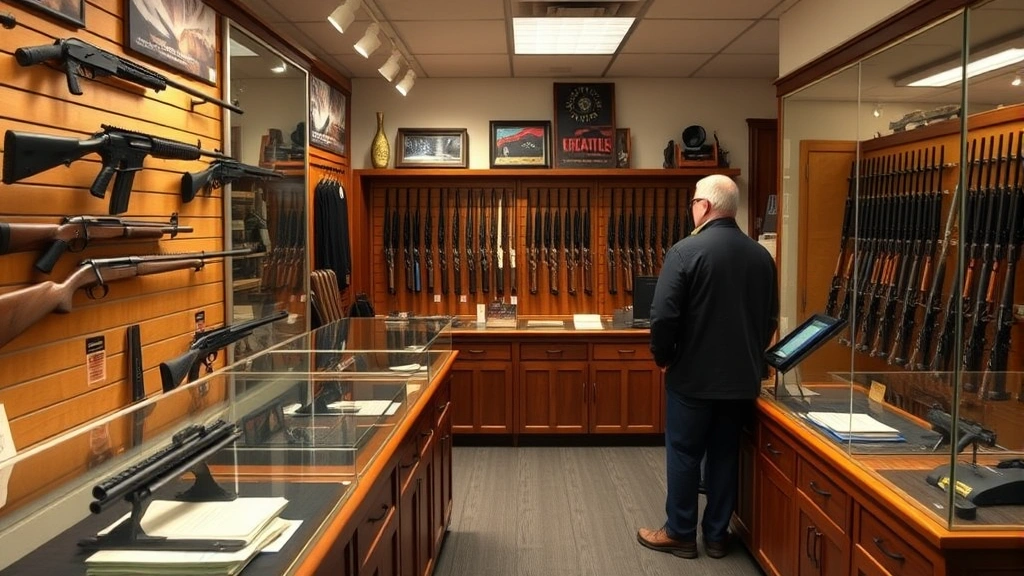
All firearm purchases in California must go through a licensed Federal Firearms License (FFL) dealer. You cannot purchase directly from private sellers, manufacturers, or online retailers without dealer involvement. This requirement applies to all firearms types, making the FFL dealer your essential intermediary in the purchase process.
To find an FFL dealer, search online for “licensed firearms dealers near me” or visit the Bureau of Alcohol, Tobacco, Firearms and Explosives (ATF) website for dealer locators. California has thousands of licensed dealers, from large gun shops to small retail operations. When selecting a dealer, consider their reputation, customer service, and location convenience. Many dealers specialize in specific firearm types, so choosing one experienced with your desired purchase helps the process.
Contact your chosen dealer and confirm they have the specific firearm you want in stock or can order it. Provide basic information about your purchase intent. Some dealers require appointments, while others operate on a walk-in basis. Ask about their current processing times, as some busy locations may have week-long backlogs during peak periods.
When you visit the dealer, bring valid government-issued identification proving California residency, such as a California driver’s license or state ID. If you recently moved to California, bring documentation proving your residency, such as utility bills or lease agreements dated within the past 60 days. The dealer will verify your identity and residency before proceeding with the sale.
Understanding California’s Background Check System
California’s background check process is more comprehensive than the federal National Instant Criminal Background Check System (NICS). The state uses the California Department of Justice (DOJ) background check system, which cross-references multiple databases including criminal records, restraining orders, and mental health holds.
When you select a firearm, the dealer will have you complete California Form 4473, the federal firearms transaction record. This form requires extensive personal information including your full name, date of birth, address, social security number, and citizenship status. You’ll also declare your intended use for the firearm and answer questions about your eligibility status.
The dealer submits your information to the DOJ and federal NICS system. The background check typically completes within minutes to a few hours, but California law allows up to 30 days for completion. During this period, your firearm remains with the dealer. The DOJ checks your background against criminal records, domestic violence convictions, restraining orders, mental health commitments, and protective orders.
If the background check clears, you receive approval to proceed. If issues arise, you’ll be notified and have the opportunity to challenge the denial through California’s administrative appeal process. Approximately 99% of background checks clear successfully, so issues are relatively rare for eligible applicants.
Mandatory Waiting Period Requirements
California imposes a mandatory waiting period between firearm purchase approval and actual pickup. This 10-day waiting period applies to all firearm purchases, with no exceptions. Even if you pass your background check immediately, you cannot take possession of your firearm before 10 calendar days have elapsed.
The 10-day period begins when you submit your purchase application to the dealer, not when your background check clears. This means if you purchase on a Monday, the earliest you can pick up your firearm is the following Thursday (10 days later). Some dealers count the purchase date as day zero, while others count it as day one, so clarify the specific counting method with your dealer.
The waiting period exists to provide a cooling-off period for impulsive purchases and to allow thorough background investigation completion. This is one of California’s most distinctive firearm regulations and reflects the state’s approach to gun ownership safety. During the waiting period, your firearm remains securely stored at the dealer’s location.
Plan your purchase timing accordingly, especially if you need the firearm for a specific date. If you purchase on Friday, your 10-day waiting period extends into the following week, potentially delaying weekend pickup. Many buyers strategically time purchases to align pickup dates with their schedules.
Pickup Process and Firearm Registration
After the 10-day waiting period expires, you can return to the dealer to complete the pickup process. Bring the same identification you provided during purchase. The dealer will verify that you’re the same person who completed the purchase and that your background check remained clear.
Upon pickup, you’ll sign final documentation confirming receipt of the firearm. The dealer will provide you with the firearm, any included ammunition, and documentation. California requires that all firearms be delivered with a locking device or safety mechanism. If the firearm didn’t include one, the dealer must provide one at no additional cost.
Importantly, California requires firearm registration within specific timeframes. Handguns must be registered with the California Attorney General’s office within 10 days of purchase. Online registration through the DOJ’s Dealer Online Reporting System (DORS) is now available and recommended for convenience. You’ll need your firearm’s serial number, model, and caliber information.
Rifles and shotguns don’t require individual registration, but dealers must record them in their inventory system. The dealer may provide you with a dealer receipt confirming your purchase, which serves as proof of ownership. Keep this documentation safe, as you may need it for future transactions or legal purposes.
Transport your firearm safely and legally after pickup. California law requires that firearms be transported in a locked container or with a locking device engaged while in a vehicle. Never leave a firearm unattended in a vehicle, as this violates California law and creates serious security risks.
Firearm Safety Training and Responsible Ownership
While California doesn’t currently mandate formal safety training for all firearm purchases, responsible ownership requires thorough safety education. Many dealers offer or recommend safety courses covering firearm handling, storage, and legal use. These courses are invaluable investments in safe ownership and community responsibility.
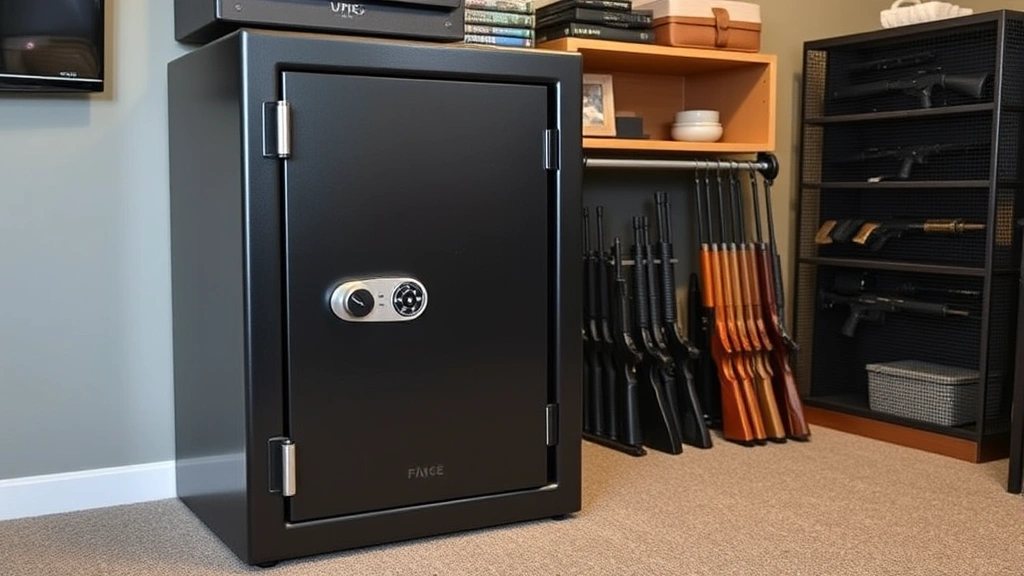
Storage requirements are critical in California. You must store firearms in a manner that prevents unauthorized access, particularly by minors. California law imposes liability for injuries caused by unsecured firearms accessed by children or unauthorized users. Approved storage methods include locked containers, safes, or firearms with engaged locking devices.
Understand California’s specific use regulations. Firearms can be legally used for self-defense, sport shooting, and hunting, but California imposes restrictions on where you can carry firearms and how they must be transported. Concealed carry permits require application to your county sheriff and are issued at their discretion based on “good cause.”
Join a local shooting range or gun club to practice safe handling under professional supervision. Many ranges offer certified instruction courses covering California-specific regulations, firearm mechanics, and practical safety skills. These investments in education demonstrate responsible ownership and significantly reduce accident risk.
Frequently Asked Questions
Can I purchase a firearm online and have it shipped to California?
No. All firearms purchased online must be shipped to a California-licensed FFL dealer, who then processes the sale through the standard California purchase procedure. You cannot receive firearms directly from online retailers or out-of-state sellers.
What types of firearms are restricted in California?
California restricts assault weapons, large-capacity magazines (over 10 rounds), and certain semi-automatic rifles. The California Attorney General’s Firearms Division maintains lists of prohibited and restricted firearms. Consult this list before purchasing to ensure your desired firearm is legal.
Do I need a permit to purchase a firearm in California?
You don’t need a separate purchase permit, but you must pass background checks and complete the 10-day waiting period. Some counties require additional local permits, so check with your county sheriff’s office for specific requirements.
What if my background check is denied?
If your background check is denied, you’ll receive notice of the denial reason. You have the right to appeal through California’s administrative process. Contact the DOJ to understand the specific issue and your appeal options.
Can I transfer a firearm to another person in California?
All firearm transfers in California must go through an FFL dealer and include background checks and waiting periods for the transferee. Private transfers without dealer involvement are illegal, even between family members.
Is there a limit on how many firearms I can purchase?
California law limits handgun purchases to one per month, though long guns have no specific purchase limit. This restriction applies to individual purchases, not household purchases.


